





Band Seating Chart Easy Overview
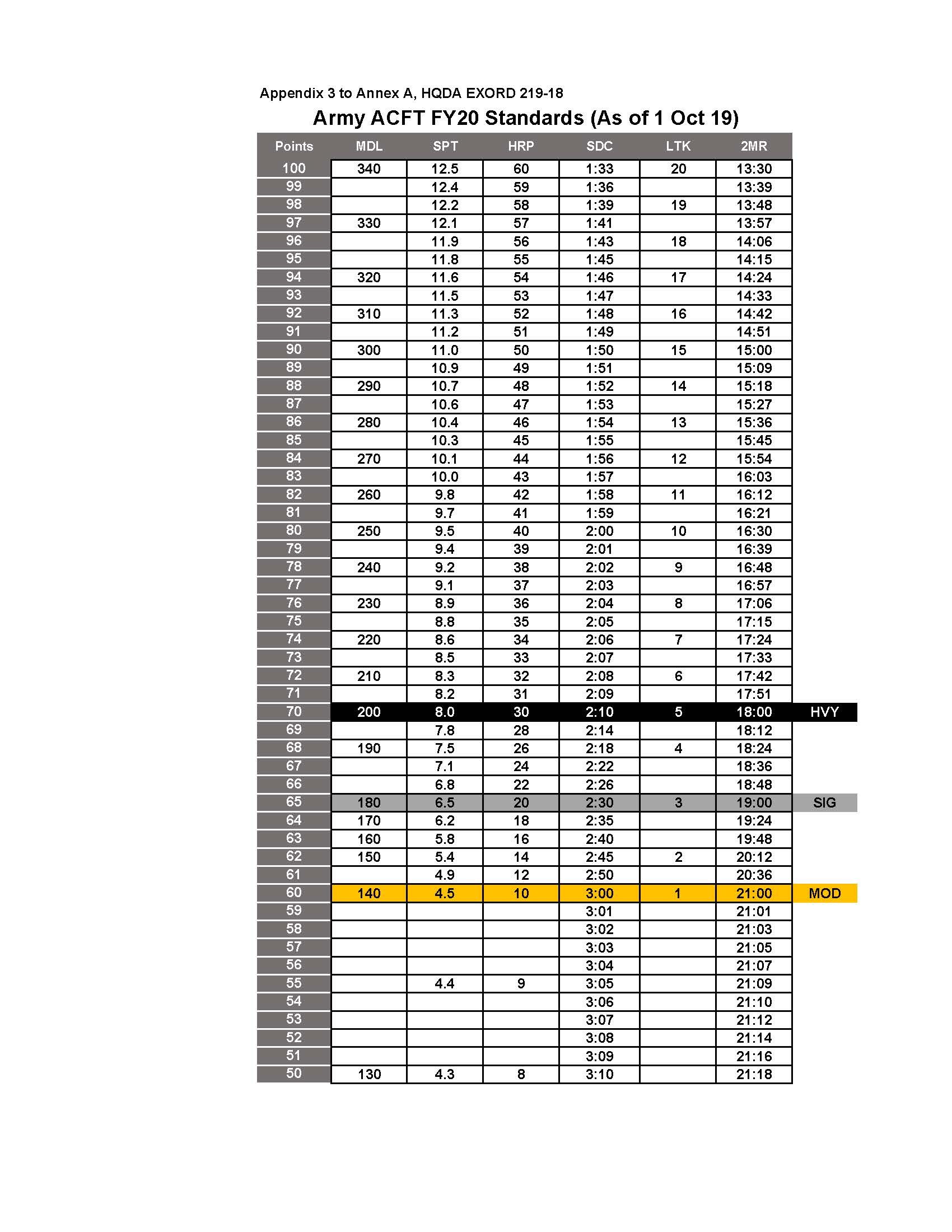
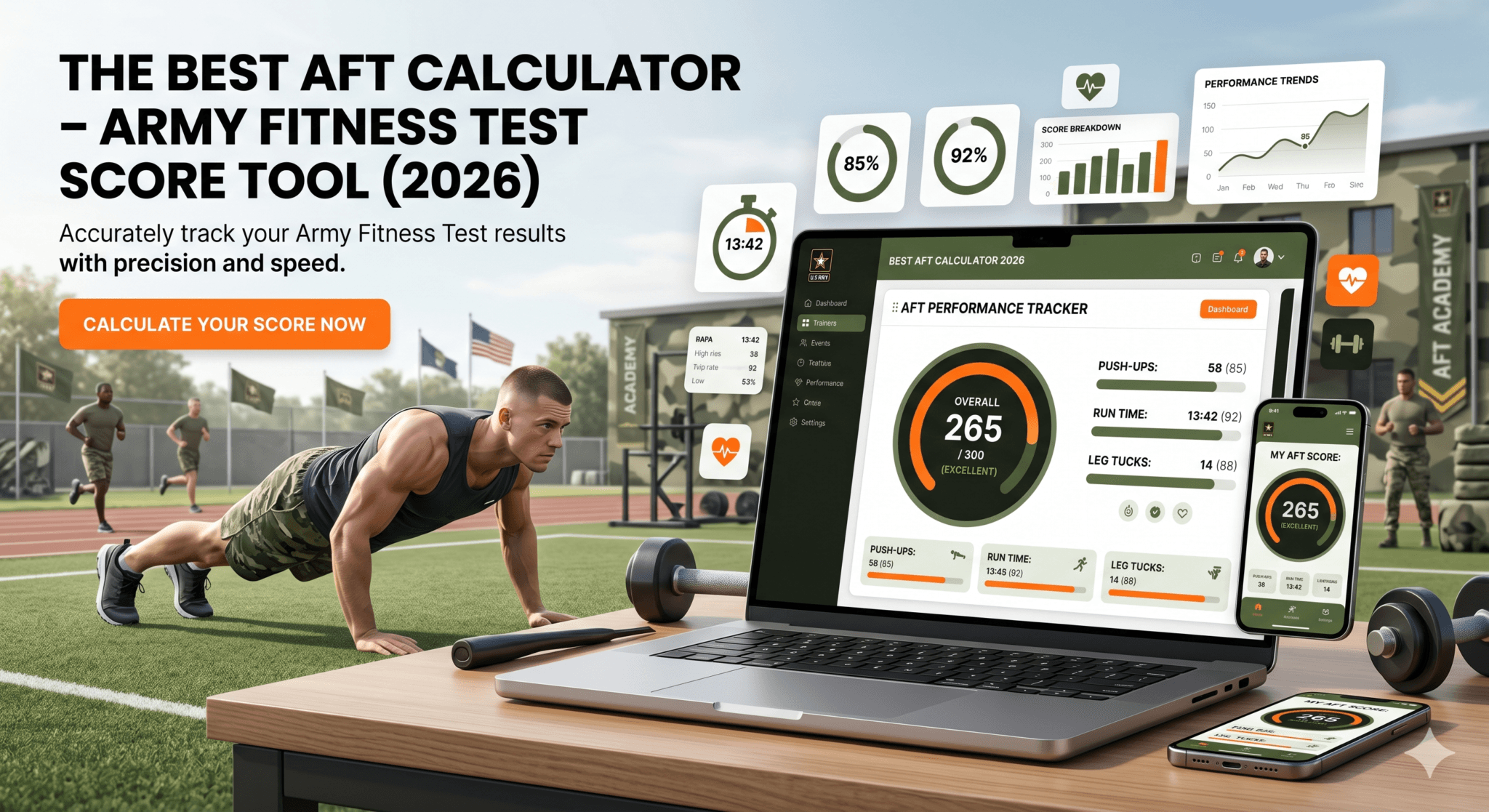
The army aft chart is a handy tool for anyone looking to understand and track their physical fitness progress, especially those with a military background or an interest in meeting army fitness standards. This guide will cover the basics of reading and interpreting the chart, ensuring you can use it effectively.
It provides a clear visual representation of the Army Physical Fitness Test (APFT) standards, including push-up and sit-up requirements, and can help you assess your current fitness level and set goals. While the exact values may vary depending on your region and specific army guidelines, the chart offers a reliable framework to get you started on your fitness journey.
Understanding the Army AFT Chart
The army aft chart, or the Army Physical Fitness Test (APFT) chart, is a valuable tool used to assess and evaluate soldiers' physical fitness levels. It provides a standardized way to measure and compare performance across different units and individuals. This chart is an essential reference for soldiers and their commanders, as it helps determine if they meet the required physical standards.
Comparing APFT Standards and Categories
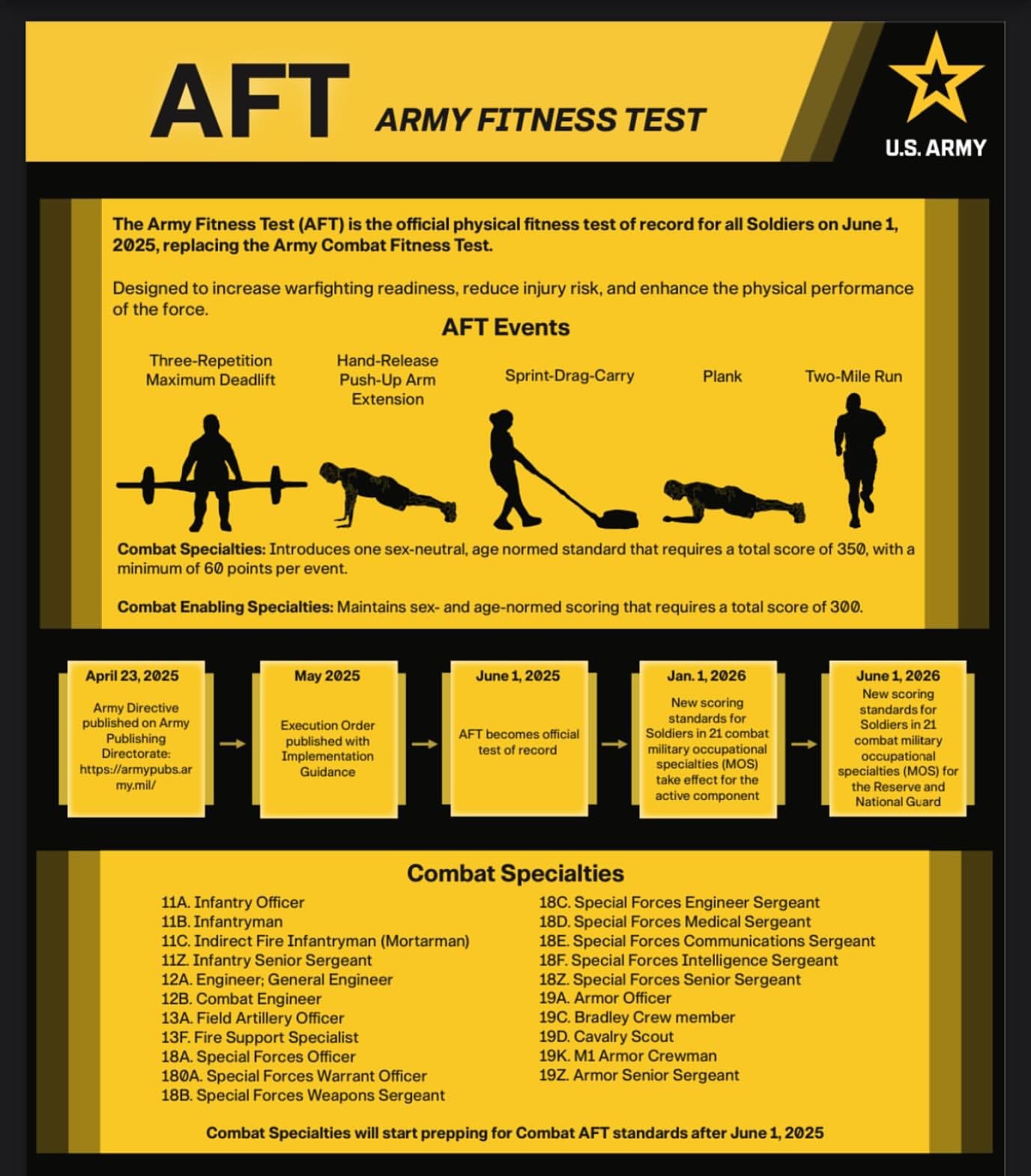
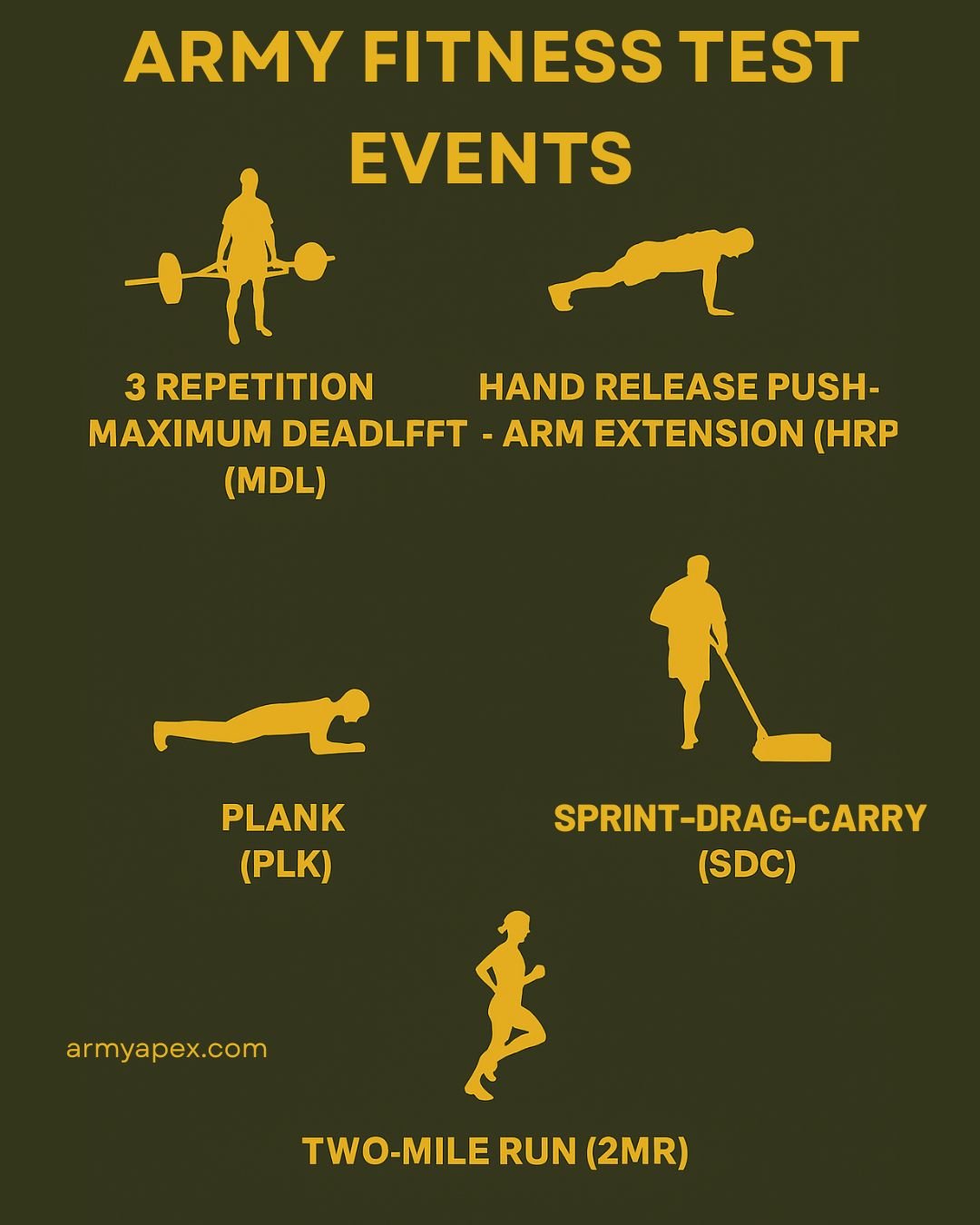
The army aft chart consists of various categories and standards that soldiers must meet. These categories typically include push-ups, sit-ups, and a two-mile run. Each category has specific performance standards, and soldiers are scored based on their ability to meet or exceed these standards. The chart provides a clear breakdown of the expected performance for each category, ensuring consistency and fairness in assessments.
Step-by-Step Guide to Using the APFT Chart
Using the army aft chart is straightforward, but it requires attention to detail. Here's a simple guide:
- Identify the category you want to assess, whether it's push-ups, sit-ups, or the run.
- Locate the corresponding column on the chart. Each category has its own set of standards.
- Determine your age group, as age-based standards are applied.
- Perform the exercise or run as per the test guidelines.
- Refer to the chart to find your score. The chart provides a range of scores, and you aim to achieve the highest score possible.
- Repeat this process for all categories to get a comprehensive assessment.
Avoiding Common Misreadings and Pitfalls
One common mistake is misinterpreting the age categories. Ensure you are referring to the correct age group, as standards can vary significantly between younger and older soldiers. Additionally, pay attention to the specific test guidelines for each category. For instance, the push-up and sit-up standards might have different requirements for male and female soldiers. Always double-check the instructions to avoid any confusion.
Factors Affecting Accuracy and Real-World Performance
While the army aft chart provides a standardized assessment, several factors can influence the accuracy of the results. These include individual fitness levels, training consistency, and even environmental conditions. For instance, performing the two-mile run on a hot day with high humidity can impact your performance. It's crucial to consider these variables and ensure fair testing conditions to get accurate assessments.
Adapting the Chart for Specific Needs
The army aft chart is designed to be flexible and adaptable to various situations. If you have specific fitness goals or are preparing for a particular mission, you can use the chart to tailor your training. For example, if you aim to improve your endurance for long-distance runs, you can focus on the run category and aim for higher scores. The chart allows you to track your progress and set achievable goals.
Maintaining Reliable References for Future Assessments
To ensure the reliability of your assessments, it's essential to keep an updated copy of the army aft chart. The chart may undergo revisions and updates to reflect changing standards or new research. Stay informed about any changes and ensure you are using the most recent version. Additionally, regularly review the test guidelines and procedures to maintain consistency in your assessments. This way, you can accurately track your progress and compare it with others.
The army aft chart is a powerful tool for soldiers to gauge their physical fitness and ensure they meet the required standards. By understanding the categories, interpreting the results accurately, and adapting the chart to specific needs, soldiers can take control of their fitness journey and strive for excellence. Remember, consistent training and attention to detail are key to achieving the best results.
Hey there, we hope this guide has been helpful in demystifying the Army AFT Chart and its various aspects. Remember, while we've covered the basics, the specifics can differ slightly based on your unique circumstances. So, keep an eye out for those nuances!
If you're keen to explore more practical guides like this, feel free to browse our collection. We've got a range of topics to suit your needs, all designed to make your life a little easier. Happy reading and learning!
Related: gabp Seating Chart: A Comprehensive Guide
You're likely here because you need a straightforward guide to navigate the gabp seating chart. Whether you're a sports enthusiast, a dedicated Cincinnati Reds fan, or simply planning a visit to the Great American Ball Park, having a clear understanding of the seating layout is essential. The gabp seating chart offers a visual representation, providing an overview of the stadium's seating arrangement, including seat numbers, views, and potential variations.
Understanding the Chart: A Guide to the Great American Ball Park Seating Plan
The gabp seating chart is a valuable tool for anyone planning to attend a game at the Great American Ball Park. It provides a visual representation of the stadium's seating layout, helping you choose the best seats for your preferences and needs. This chart is a reference guide that offers a clear overview of the stadium's sections, rows, and seat numbers, making it easier to navigate and understand the seating options.
Comparing Seating Options and Views
The seating chart for Great American Ball Park offers a range of options, each with its own advantages. The sections are typically categorized by their proximity to the field, with lower-numbered sections offering closer views. For instance, sections 100 and 150 provide an excellent view of home plate and the outfield, respectively. These sections are often sought after for their proximity to the action.
However, it's not just about being close to the field. The upper sections, such as 400 and 500, offer a different perspective, providing a panoramic view of the entire stadium and the city skyline beyond. These seats are ideal for those who prefer a more relaxed atmosphere and a unique vantage point.
Step-by-Step: Reading and Using the Seating Chart
To use the gabp seating chart effectively, follow these steps:
Identify the section you're interested in. Each section is labeled with a number and often a letter, e.g., Section 101 or Section 427.
Within each section, rows are typically labeled alphabetically, with row A being the closest to the field. So, if you're looking for a seat in Section 200, Row D, you know it's slightly elevated from the field.
Seat numbers are assigned consecutively within each row, so finding your specific seat is a simple matter of counting from the aisle. For example, Seat 12 in Row D would be the 12th seat from the aisle.
Consider the view from your chosen section and row. The seating chart often provides a visual representation of the field, helping you visualize the sightlines.
Avoiding Common Misreadings and Pitfalls
While the gabp seating chart is designed to be user-friendly, there are a few common mistakes to avoid:
Misinterpreting the row labels: Rows are often labeled alphabetically, but some charts may use numerical labels. Ensure you understand the row labeling system to avoid sitting in the wrong row.
Assuming all seats have the same view: While the seating chart provides a general idea of the view, the actual sightlines can vary slightly within a section. It's worth checking reviews or asking for recommendations to get a more accurate picture of the view from your chosen seats.
Not considering access and amenities: The seating chart may not indicate the location of amenities like restrooms, concession stands, or entry points. Plan your seat selection with these factors in mind to ensure a smooth and enjoyable experience.
Factors Affecting Accuracy and Real-World Use
Several key factors can influence the accuracy and real-world application of the gabp seating chart:
Stadium renovations: Over time, stadiums may undergo renovations, which can impact the seating layout and sightlines. Always check for any recent changes or updates to the seating chart.
Event-specific configurations: Some events, like concerts, may utilize a different seating configuration. Ensure you're using the correct chart for the event you're attending.
Weather and obstructions: External factors like weather conditions or temporary obstructions (e.g., a large scoreboard) can affect the view from certain seats. Check for any potential obstructions before finalizing your seat selection.
Adapting the Seating Chart for Your Needs
The gabp seating chart is a versatile tool, and you can adapt it to suit your specific requirements:
If you have mobility issues or require accessible seating, the chart often highlights these sections, making it easier to find suitable seats.
For groups, consider the size of your party and choose a section that can accommodate everyone comfortably. Some sections may have larger seats or more spacious rows, making them ideal for groups.
If you're attending with children, look for sections with family-friendly amenities or activities nearby, ensuring a more enjoyable experience for the whole family.
Keeping Your Reference Reliable for Future Use
To ensure the gabp seating chart remains a reliable reference for future events:
Regularly check for updates: Stadiums may make changes to their seating configurations, so stay informed by checking the official website or reliable sources for any updates.
Save or bookmark the chart: Keep a digital or printed copy of the seating chart for easy reference. This way, you can quickly access it when planning future events.
Share your experience: If you have a positive or negative experience with a particular section or seat, consider sharing your feedback. This helps others make informed decisions and improves the overall user experience.
Remember, when dealing with seating charts, it's always best to tailor them to your unique situation. The tips and guidelines provided here offer a solid foundation, but your specific context may require some adjustments.
So, before you finalize your seating arrangements, take a moment to ensure you've considered all the relevant factors. With a bit of planning and a well-organized chart, you'll be set for success. And don't forget to bookmark this page for future reference - it's a handy tool to have at your fingertips!
Related: Find Your Perfect Fit: vuori size chart guide
"Vuori size chart" is your trusted companion when shopping for the perfect fit. This guide will walk you through the essentials, ensuring you understand how to navigate and utilize this valuable tool effectively.
The Vuori size chart is a simple yet powerful resource, offering a clear and concise overview of sizing options. It's a quick reference, ensuring you find the right fit for Vuori's activewear and apparel. While standards can vary, this chart provides a reliable starting point for your sizing journey.
Understanding the Vuori Size Chart
The Vuori size chart is a handy tool that helps you find the perfect fit for your activewear. It's a simple guide that ensures you get the right size for your body and the style you want. This chart is a great way to shop with confidence, especially when buying online.
Key Details and Categories
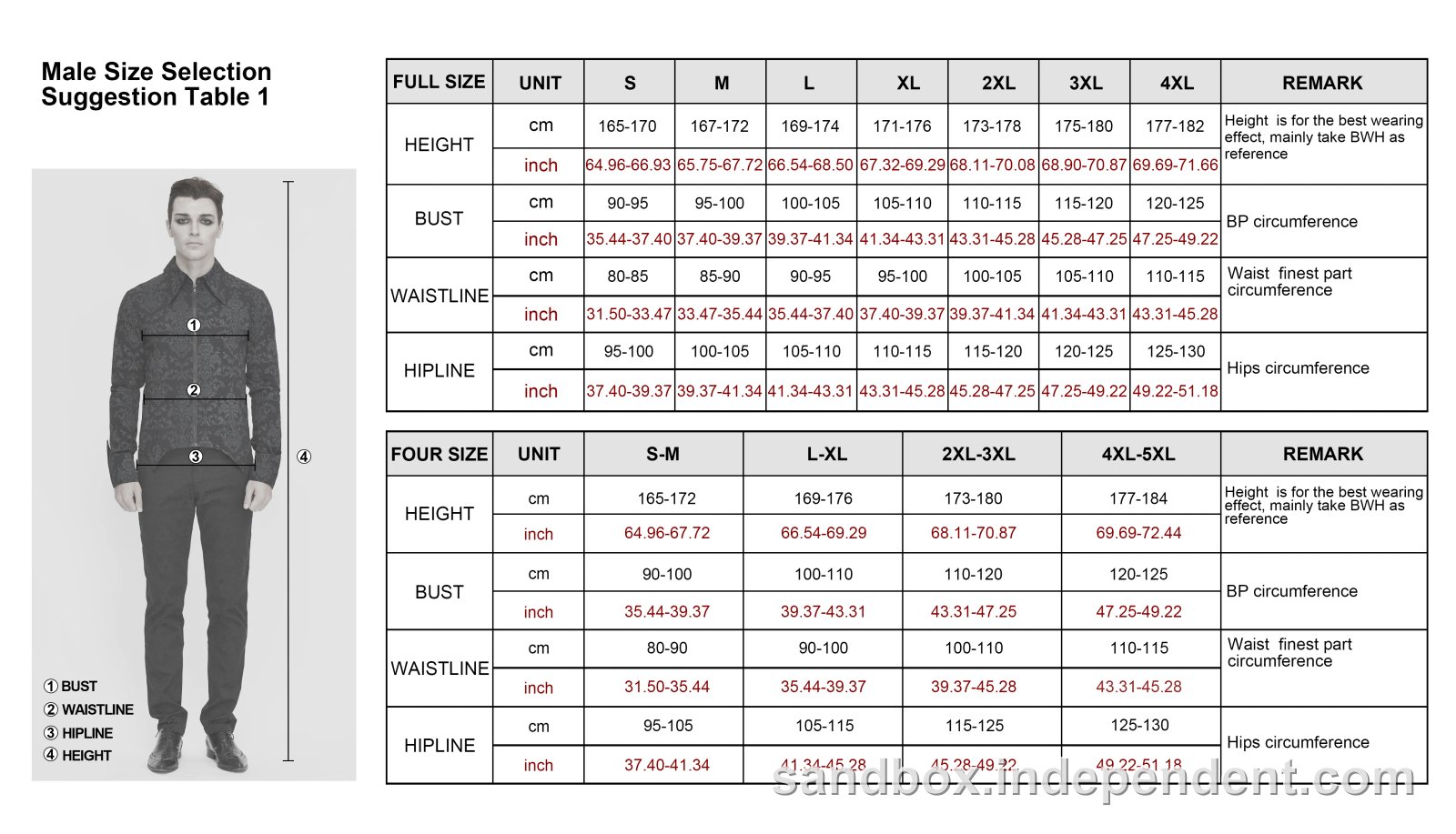
The Vuori size chart covers a range of sizes, typically from extra small to extra large, and sometimes even beyond. It provides measurements for key body parts, such as chest, waist, hips, and inseam length. These measurements are crucial for a comfortable and flattering fit. The chart also includes specific size categories, like small, medium, and large, which are standard across many clothing brands.
Reading and Applying the Chart
Using the Vuori size chart is straightforward. First, locate your usual size based on your height and weight. Then, check the corresponding measurements for chest, waist, and other relevant body parts. Compare these measurements with your own body's dimensions. If you're between sizes, consider going for the larger size for a more relaxed fit, or the smaller size for a more fitted look. It's all about personal preference and the style of the garment.
Size Variations and Differences
It's important to note that size charts can vary slightly between brands and even within a brand's different product lines. Vuori apparel sizing guide may have slight variations depending on the fabric and design of the garment. For instance, a relaxed-fit top might have a looser fit than a more structured jacket, even if they are the same size. Additionally, personal preferences and body types can also influence the fit. Some people prefer a snug fit, while others like a looser, more comfortable feel.
Common Mistakes and How to Avoid Them
One common mistake is relying solely on your usual size without considering the specific measurements. Every brand's size chart can differ, so always refer to the Vuori size chart for accurate sizing. Another pitfall is not measuring yourself correctly. Ensure you measure your body accurately, following the guide's instructions. Lastly, don't forget to consider the style and fit of the garment. Some items are designed to be more fitted, while others are meant to be loose and relaxed.
Tips for a Perfect Fit
To ensure the best fit, always measure yourself before ordering. Use a flexible tape measure and follow the guide's instructions for accurate measurements. If you're unsure, it's a good idea to measure a garment you already own and love the fit of. Compare these measurements with the Vuori size chart to find your ideal size. Remember, the chart is a guide, and personal preferences play a role. If you prefer a looser fit, choose a size up; for a more tailored look, go for a size down.
By following these tips and understanding the Vuori size chart, you'll be able to shop with confidence and enjoy the perfect fit for your activewear. Happy shopping!
Well, there you have it! A size chart can be a handy tool, but it's important to remember that these are general guides, and your personal fit may vary. Always consider your own preferences and the specific garment's style when choosing a size.
So, before you hit the checkout, take a moment to ensure you've got the right measurements and context covered. It's a simple step that can save you time and ensure a perfect fit. And hey, if you need a quick reference in the future, just bookmark this page for easy access!