



Band Seating Chart Letter Size Overview
You're here, probably with a spanner in hand, searching for that crucial wheel torque chart to ensure your wheels are tightened just right. It's a simple yet essential task, and that's why having a reliable chart is key. This reference guide is your go-to for getting the torque specifications right, whether you're a pro or a DIY enthusiast. The chart provides a quick and easy way to find the right lug nut torque, ensuring your wheels are securely fastened.
What is a Wheel Torque Chart?
A wheel torque chart is a handy reference tool that provides crucial information for properly tightening the lug nuts on your vehicle's wheels. It ensures your wheels are securely fastened, reducing the risk of them coming loose while driving.
Key Details and Categories
The chart displays standard torque specifications for various vehicle makes and models, along with the recommended torque values for their lug nuts. These values are typically measured in foot-pounds (ft-lbs) or newton meters (Nm). It's important to note that the chart is based on specific standards and may vary depending on the region and manufacturer.
Reading and Applying the Chart
To use the wheel torque chart, follow these steps:
- Identify your vehicle's make, model, and year. This information is essential to find the correct torque specifications.
- Locate the recommended torque value for your vehicle's lug nuts on the chart. It will be listed in either ft-lbs or Nm, depending on the standard used.
- Use a torque wrench calibrated to the appropriate unit of measurement to tighten the lug nuts to the specified torque. Ensure the wrench is set to the correct value and is in good working condition.
- Follow a tightening sequence as indicated on the chart or in your vehicle's manual. This ensures even distribution of force and prevents uneven stress on the wheel.
- Double-check the torque by re-measuring after tightening. This step is crucial to ensure the lug nuts are securely fastened to the recommended torque.
Understanding Variations
Variations in wheel torque chart specifications can occur due to several factors:
- Different vehicle makes and models may have unique requirements based on their design and weight distribution.
- Regional standards and guidelines can influence the recommended torque values. For example, the US and metric systems may have slight differences.
- Manufacturer-specific recommendations may vary to accommodate specific vehicle features or components.
- The type of wheel and lug nut material can also impact the torque specifications.
Common Mistakes and How to Avoid Them
When using a wheel torque chart, avoid these common mistakes:
- Failing to identify the correct vehicle specifications can lead to using the wrong torque values. Always refer to the chart for your specific make and model.
- Neglecting to calibrate or check the accuracy of your torque wrench can result in improper tightening. Ensure your wrench is in good condition and calibrated to the correct unit of measurement.
- Not following the recommended tightening sequence can cause uneven stress on the wheel, potentially leading to premature wear or failure.
- Relying solely on the chart without considering other factors, such as wheel and lug nut material, can be risky. Always refer to your vehicle's manual for any additional guidelines or precautions.
Remember, while the wheel torque chart provides valuable guidance, it's essential to double-check the exact specifications and tolerances for your vehicle to ensure optimal safety and performance.
So, there you have it, a quick and easy guide to understanding and using wheel torque charts. These charts are a handy reference tool, but it's always good to remember that the values can vary, so make sure you double-check the specific requirements for your project.
It's a simple process once you know how, and with this guide, you should be able to navigate any wheel torque chart with ease. Consider bookmarking this page for future reference; it might just save you some time and hassle down the line!
Related: What is the Redken Color Chart?
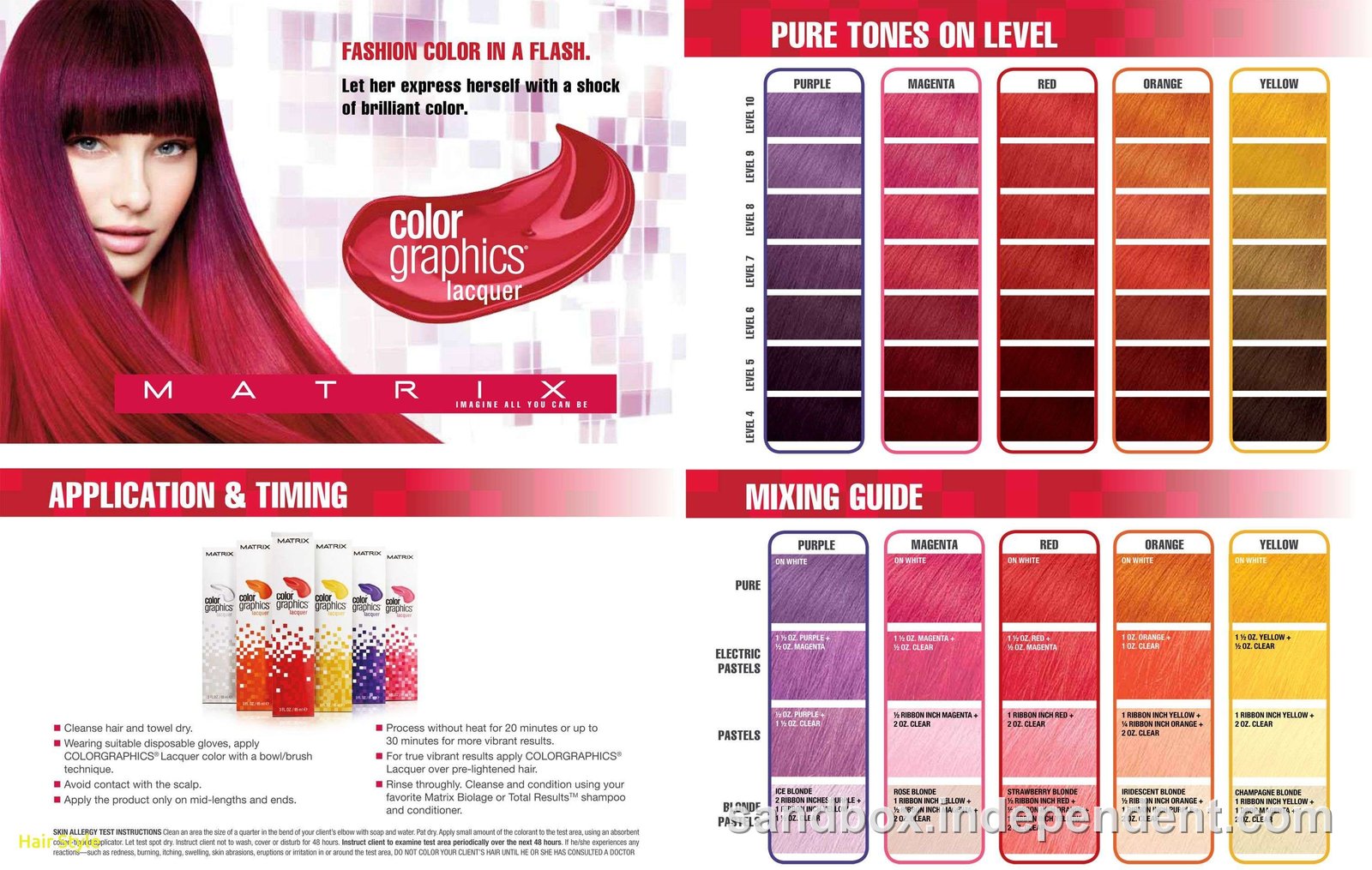
You're likely here because you're seeking clarity on the Redken color chart, a valuable resource for anyone wanting to navigate hair color options effectively. This chart is your go-to guide, offering a simple yet comprehensive overview of Redken's color range. It provides an easy-to-understand visual representation, ensuring you can make informed choices about your hair color journey.
Understanding the Redken Color Chart
The Redken color chart is a comprehensive guide to their hair color range, offering a visual representation of the various shades and tones available. It provides a standardized way to choose and mix colors, ensuring consistent results. This chart is an essential tool for professionals and enthusiasts alike, offering a clear reference for achieving desired hair colors.
Standard Color Notation: Comparing Options
The Redken color chart follows a simple and intuitive system. Each color is represented by a unique code, typically a combination of letters and numbers. For example, the code "GG" represents a specific shade of golden blonde. This notation allows for easy identification and mixing of colors. The chart also displays the intensity and tone of each color, helping users choose the right shade for their desired look.
Practical Application Tips: Step-by-Step Guide
To use the Redken color chart effectively, follow these steps:
- Identify your desired color family. The chart is organized into sections, making it easy to navigate.
- Choose the specific shade within that family. Consider the natural hair color and the desired level of lift or deposit.
- Note the color code and intensity. This information is crucial for accurate mixing.
- Follow the recommended mixing ratios and application techniques provided by Redken.
- Test a small strand to ensure the desired result before full application.
Common Misreadings and Pitfalls
While the Redken color chart is straightforward, there are a few potential pitfalls to avoid:
- Ensure you are using the correct chart for your region or standard. Redken may offer different charts for various markets.
- Pay attention to the color intensity and tone. A slight variation in these can lead to significantly different results.
- Be aware of the natural hair color and its impact on the final result. Pre-lightening or pre-pigmentation may be necessary for certain shades.
- Always refer to the Redken color wheel or swatches for a more visual representation of the final color.
- Remember, practice and experience are key to mastering color application.
Remember, while this guide offers a comprehensive overview, it's always beneficial to cross-reference with your specific needs. The Redken color chart is a versatile tool, but its application may vary depending on your unique circumstances.
Feel free to explore our other guides for a deeper understanding of hair care and styling. We've got plenty of resources to help you navigate the world of hair coloring and beyond!
Related: What is an NPT Size Chart?
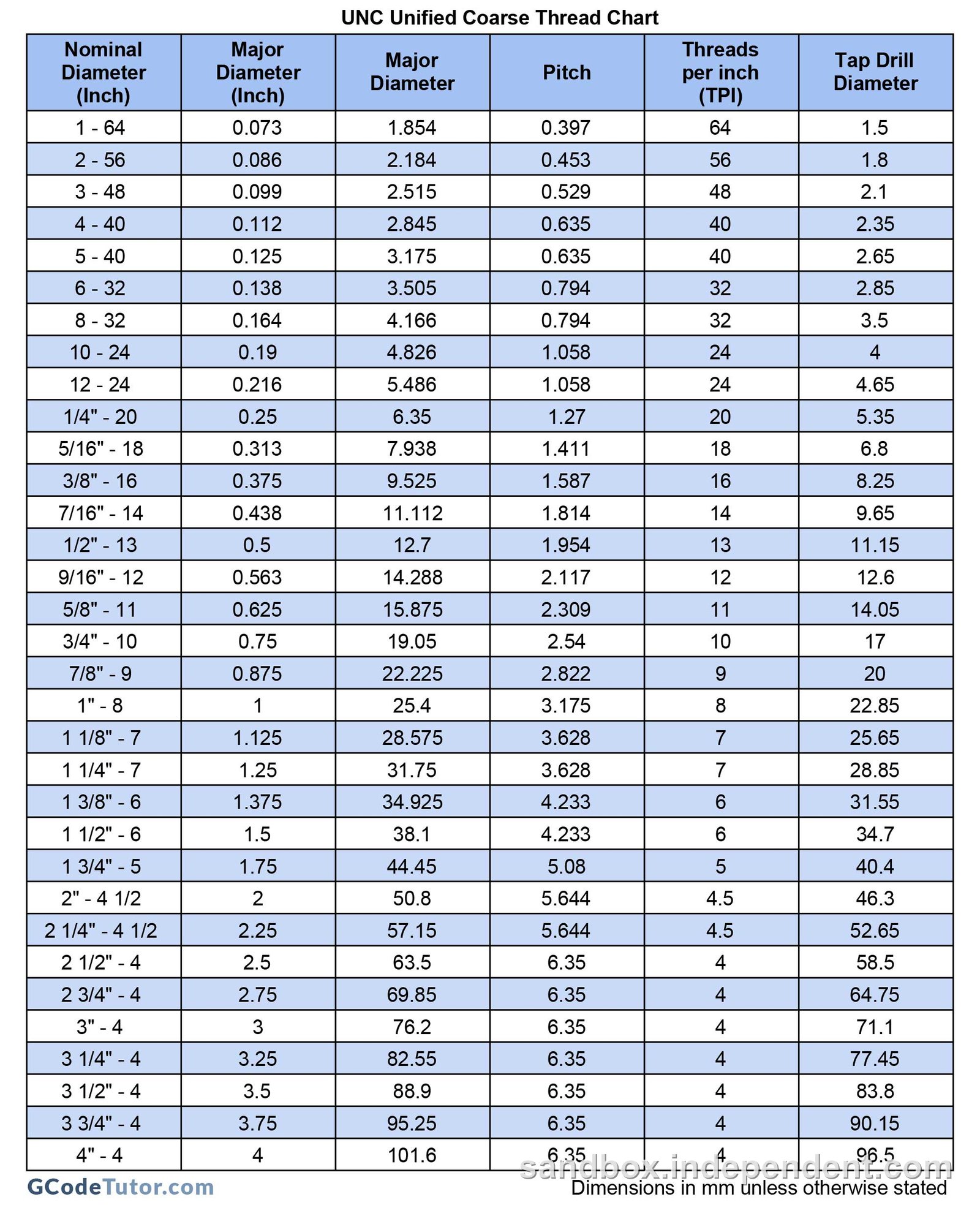
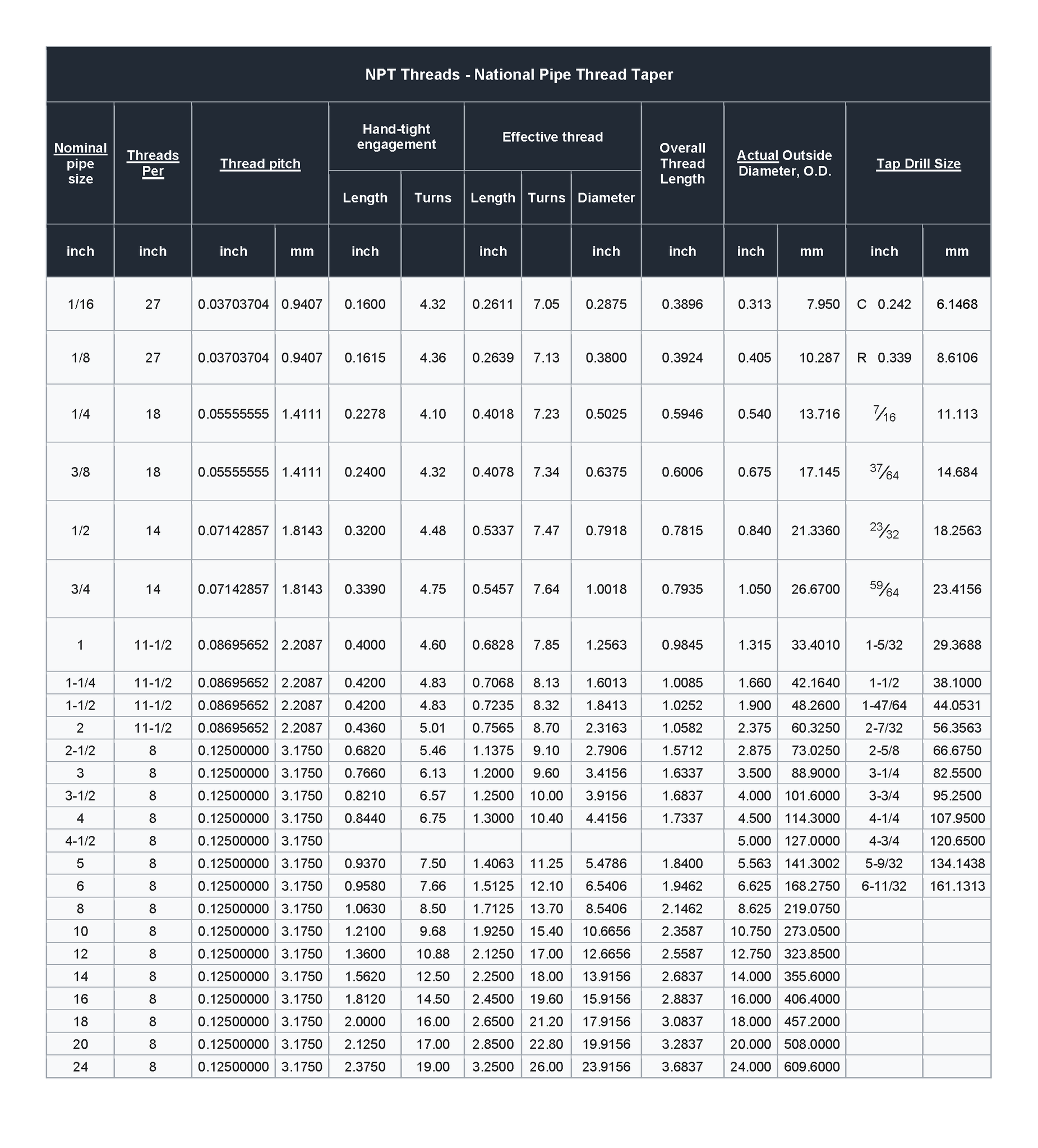
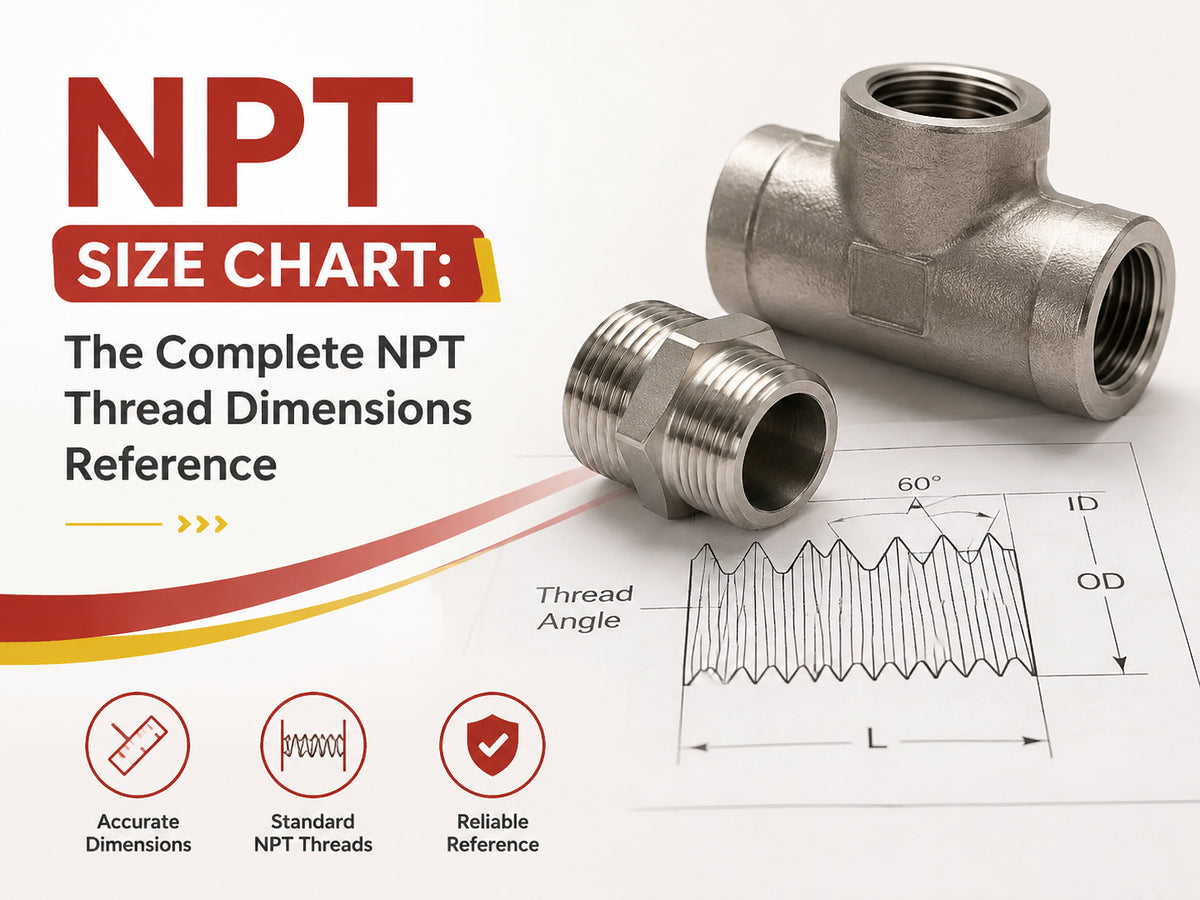
An NPT size chart is a valuable resource for anyone working with pipe fittings and connections. This guide will provide you with an overview of what these charts entail and how they can be utilized effectively.
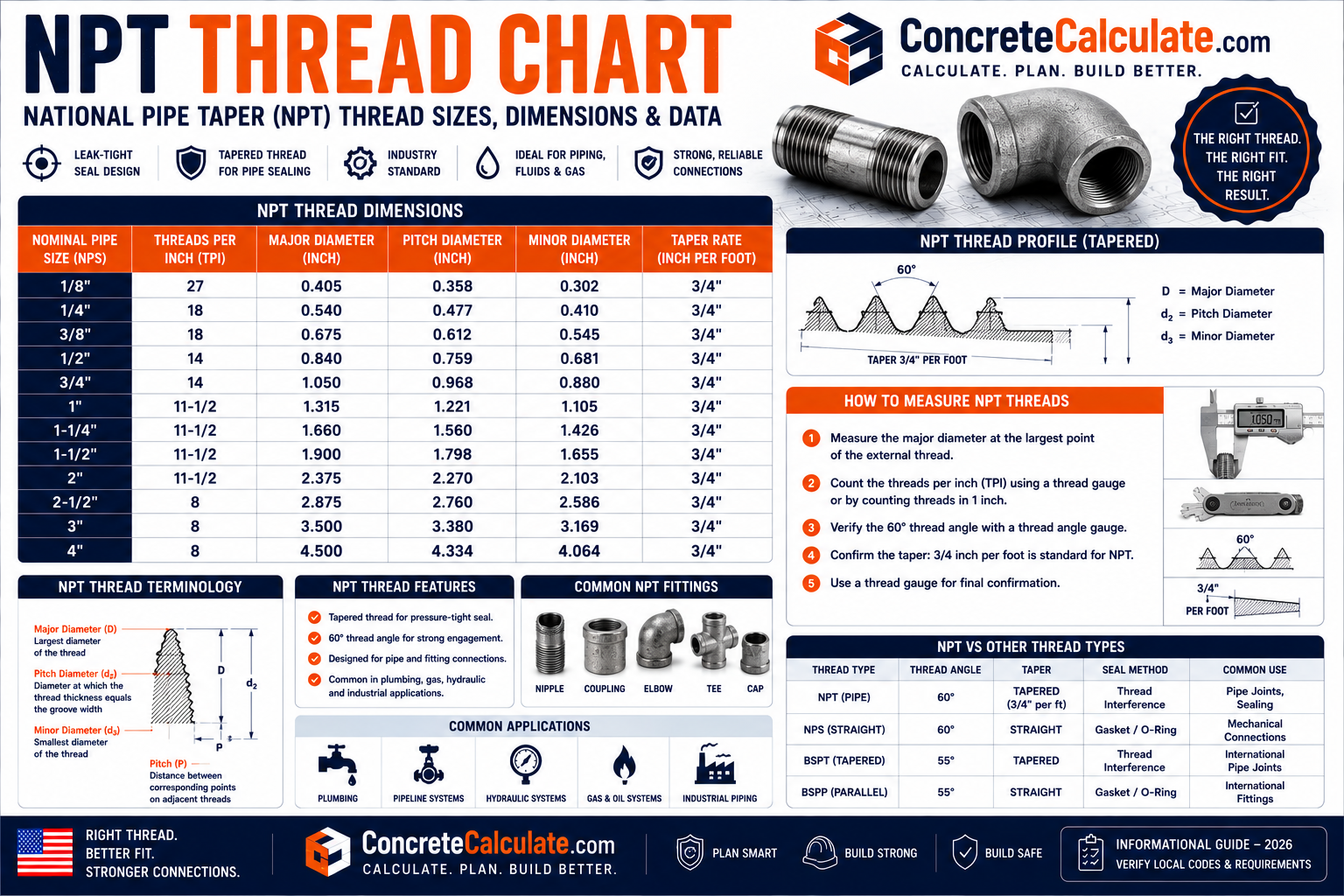
The NPT size chart offers a standardized way to identify and select the right pipe threads and fittings. It covers various dimensions, including thread sizes, tapers, and other specifications, which can vary depending on the region and application. By referring to this chart, you can ensure accurate and compatible connections, a critical aspect of any plumbing or piping project.
Understanding the NPT Size Chart
The NPT size chart is a valuable reference tool for anyone working with National Pipe Thread (NPT) fittings and connections. It provides a clear overview of the standard sizes and dimensions, ensuring accurate selections and installations.
Key Details and Categories
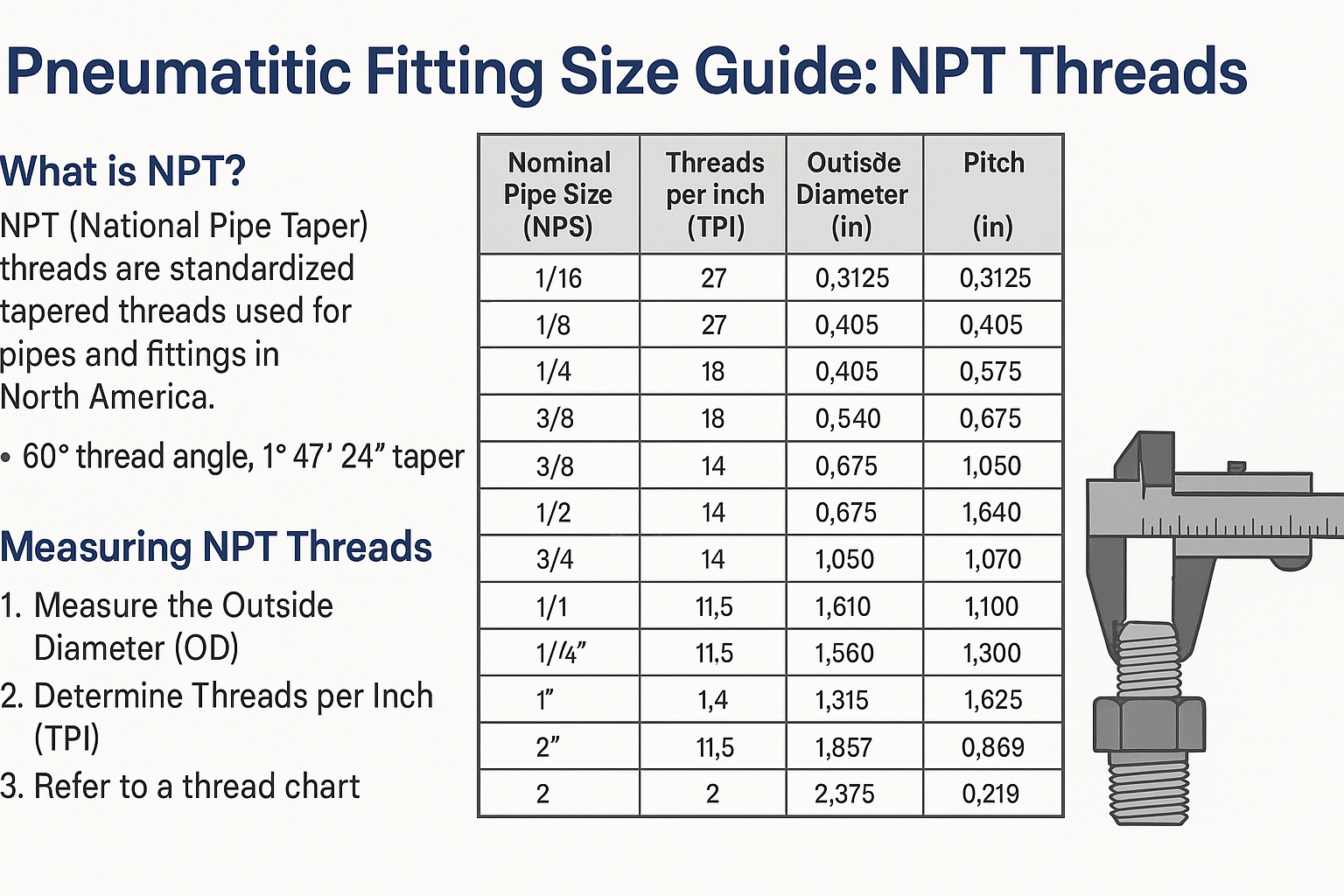
This chart outlines the various NPT thread sizes, including their outer diameter, thread pitch, and taper. It typically covers a range of sizes, from the smallest to the largest, with each size category providing specific measurements. The units used are inches, a common standard for NPT threads.
Reading the Size Chart: A Step-by-Step Guide
- Identify the size category you need. The chart will likely have a column or section dedicated to size categories, such as 1/8", 1/4", 1/2", and so on.
- Once you've identified the size, locate the specific dimensions. These will include the outer diameter (OD), which is the overall size of the pipe or fitting, and the thread pitch, which is the distance between threads.
- For a more detailed analysis, some charts may also provide information on the taper, which is the angle of the thread relative to the pipe axis. This is particularly important for ensuring a proper seal and connection.
- Finally, double-check the tolerance levels. While the chart provides standard dimensions, there may be slight variations or tolerances allowed for each size. These tolerances ensure that different NPT fittings can still connect effectively, even with minor manufacturing differences.
Common Variations and Differences
While the NPT size chart provides a standardized reference, variations can occur due to different manufacturing processes, materials, and regional standards. For instance, while the chart typically uses inch measurements, some regions may use metric units, leading to slight differences in dimensions. Additionally, while the chart provides standard sizes, some manufacturers may offer slightly modified dimensions to suit specific applications. It's essential to refer to the exact specifications provided by the manufacturer or supplier to ensure compatibility and accuracy.
Well, there you have it, a handy guide to navigating the NPT size chart. It's always a good idea to familiarize yourself with these charts and their nuances, especially when precision is key.
Remember, while this chart provides a comprehensive overview, exact values can vary slightly across different standards and sources. So, be sure to double-check your specific requirements and context before making any final decisions. Consider bookmarking this page for future reference; it might just save you some time and effort the next time you need it!