



Bandon Tide Chart A4 Overview
Ems charts login is a handy tool for anyone in the medical field, offering a quick glance at essential emergency procedures. This guide will take you through the basics, ensuring you know how to access and interpret these charts effectively.
The charts provide a visual overview of emergency protocols, offering a simple and fast reference for medical responders. While the specific values and formats may vary depending on your region or organization, the ems charts login system ensures a standardized approach, making it a reliable and accessible resource.
Understanding EMS Charts Login
EMS charts login is a valuable tool for emergency medical services personnel, providing a quick reference guide to various emergency procedures and treatment protocols. This chart is designed to offer key information at a glance, aiding rapid decision-making during critical situations.
Key Details and Prerequisites
The EMS charts login typically includes a range of categories and symbols, each representing a specific action or response. These categories may cover areas such as patient assessment, vital signs, medication administration, and emergency equipment usage. The chart often uses standardized symbols and colors to ensure easy interpretation. For instance, a red cross might indicate a critical action, while a green symbol could represent a less urgent step.
Interpreting the Data: A Step-by-Step Guide
- Begin by identifying the primary issue or symptom for which you require guidance. This could be a medical condition, an injury, or an environmental factor affecting the patient.
- Locate the relevant section on the chart. EMS charts login are often organized by body systems or common emergency scenarios.
- Follow the flow of the chart, reading the instructions and taking note of any specific actions or medications required. Pay attention to any special symbols or notes that provide additional context.
- Ensure you understand the recommended course of action before proceeding. If in doubt, consult a more detailed reference or seek guidance from a senior medical professional.
- Act upon the instructions, ensuring you follow any specific timing or dosage requirements.
Variations and Differences
It's important to note that EMS charts login may vary depending on the specific standard or protocol being followed. Different regions and organizations may have slightly different approaches to emergency response, so it's crucial to be aware of any local variations. Additionally, the chart's design and content might evolve over time as medical knowledge and practices advance. Always refer to the most up-to-date version of the chart for accurate and reliable information. While EMS charts login provides a comprehensive overview, it is not a substitute for thorough training and medical expertise. It serves as a valuable tool to support decision-making, but individual judgment and clinical skills are essential in emergency situations.
So, there you have it! A simple and practical guide to navigating EMS charts. Remember, these charts are a handy tool, but it's always wise to double-check the specific details and standards relevant to your situation.
Consider bookmarking this page for future reference; it might just save you some time and effort the next time you need a quick refresh on EMS charts. Happy charting!
Related: What is the vocal ranges chart?
Many people mistakenly believe that vocal ranges charts are complex and intimidating, but in reality, they are a simple and powerful tool for singers and vocal enthusiasts. These charts, often presented as visual guides, provide a clear overview of the different voice types and their respective ranges. While the specifics may vary slightly depending on the source, the vocal ranges chart serves as an accessible reference, helping singers navigate and understand their vocal potential.
Understanding the Chart: An Overview
The vocal ranges chart is a handy reference tool for singers and vocal enthusiasts. It provides a visual representation of the different vocal ranges, helping you identify and understand your voice type and its capabilities. This chart is a great starting point for anyone wanting to explore their singing potential and improve their vocal technique.
Comparing Voice Types and Ranges
The chart typically categorizes vocal ranges into several standard types, including soprano, mezzo-soprano, alto, tenor, baritone, and bass. Each category has a specific range of notes, shown as a visual scale, that defines the voice's capabilities. For instance, a soprano voice, often associated with higher pitches, has a range that extends to the higher end of the scale.
How to Read and Use the Chart
Using the vocal ranges chart is straightforward:
- Identify your voice's general range by singing through a scale or using a pitch-detecting app.
- Locate your lowest and highest comfortable notes.
- Refer to the chart and match your range with the closest vocal type.
- Use this information to choose songs that suit your voice and explore your vocal potential.
For example, if your range aligns with the soprano category, you'll know you can comfortably sing higher-pitched songs.
Common Misconceptions and Pitfalls
One common mistake is assuming that the chart provides an exact, rigid definition of your voice type. In reality, vocal ranges can overlap, and some voices may not fit neatly into one category. It's essential to understand that the chart is a guide, and your voice may have unique characteristics that set it apart. Additionally, factors like age, training, and vocal health can influence your range, so regular assessment is beneficial.
Factors Affecting Accuracy and Real-World Use
Several key factors can impact the accuracy of the vocal ranges chart and its real-world application:
- Age and Development: Vocal ranges can change as you age, especially during puberty and early adulthood.
- Training and Practice: Consistent vocal training can expand your range and improve your technique.
- Vocal Health: Illness, strain, or damage to the vocal cords can temporarily alter your range.
- Musical Style and Genre: Different music genres may require specific vocal ranges or techniques.
Adapting the Chart for Specific Needs
While the standard vocal ranges chart is a great starting point, it might not cater to everyone's needs. For instance, some charts provide more detailed subdivisions for specific voice types, offering a more precise guide. Others might use different measurement systems or cater to non-traditional vocal styles. It's essential to choose a chart that aligns with your musical goals and preferences. If you're unsure, consulting a vocal coach or expert can provide valuable guidance.
Hey there! I hope this vocal ranges chart guide has been a helpful tool for you. Remember, these charts are a great reference, but they are not set in stone; the exact details might differ slightly based on your specific needs and the context.
Feel free to explore other guides and resources to deepen your understanding. And don't forget to bookmark this page for future reference; it's always handy to have these tools at your fingertips!
Related: Understanding Screw Size Charts
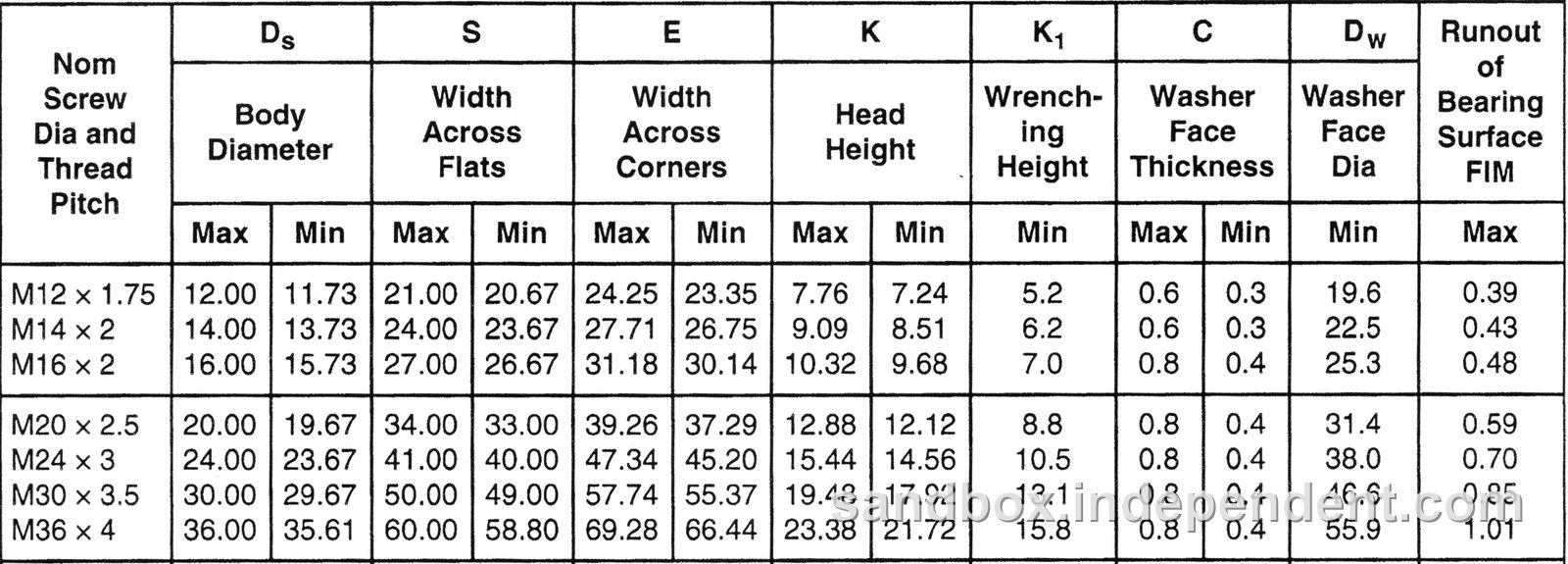
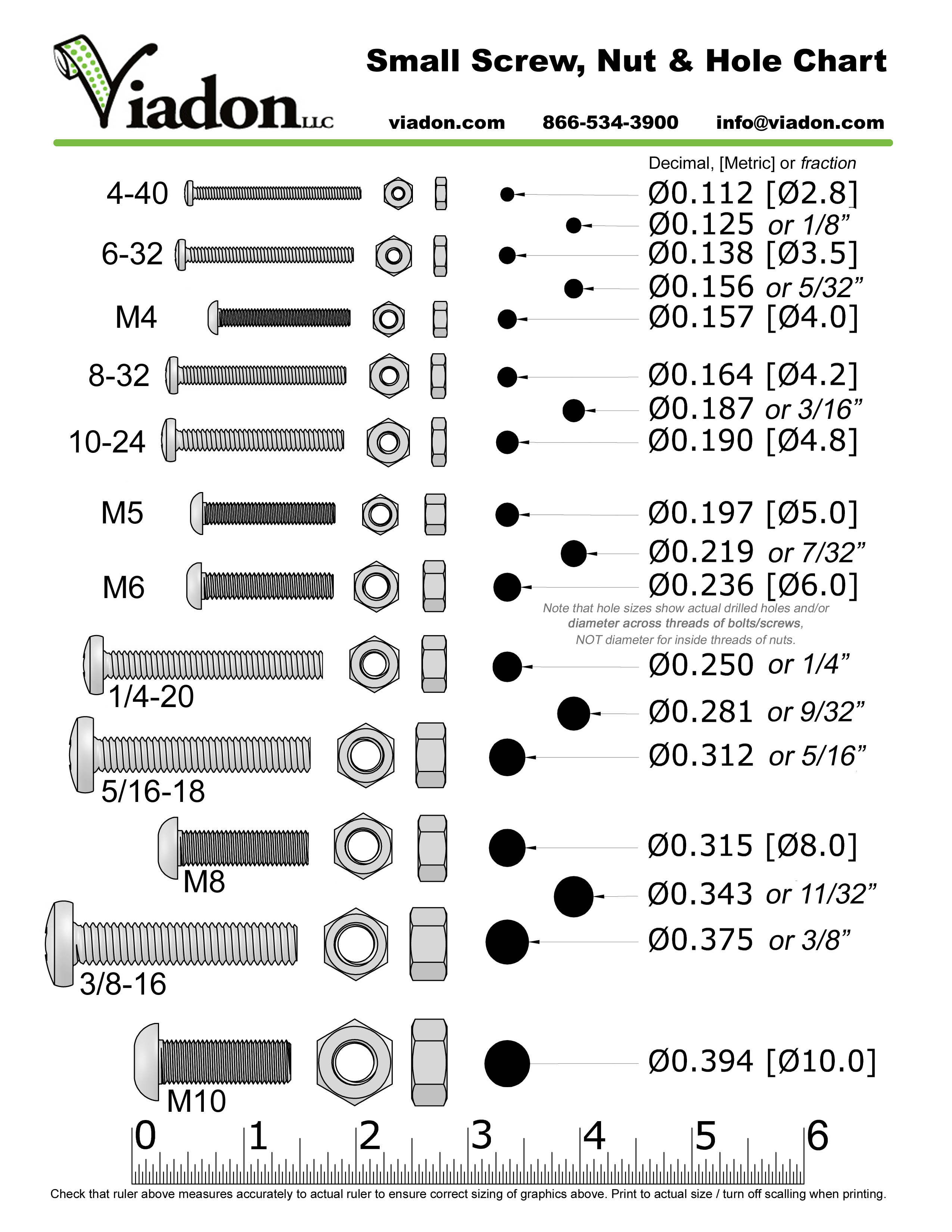
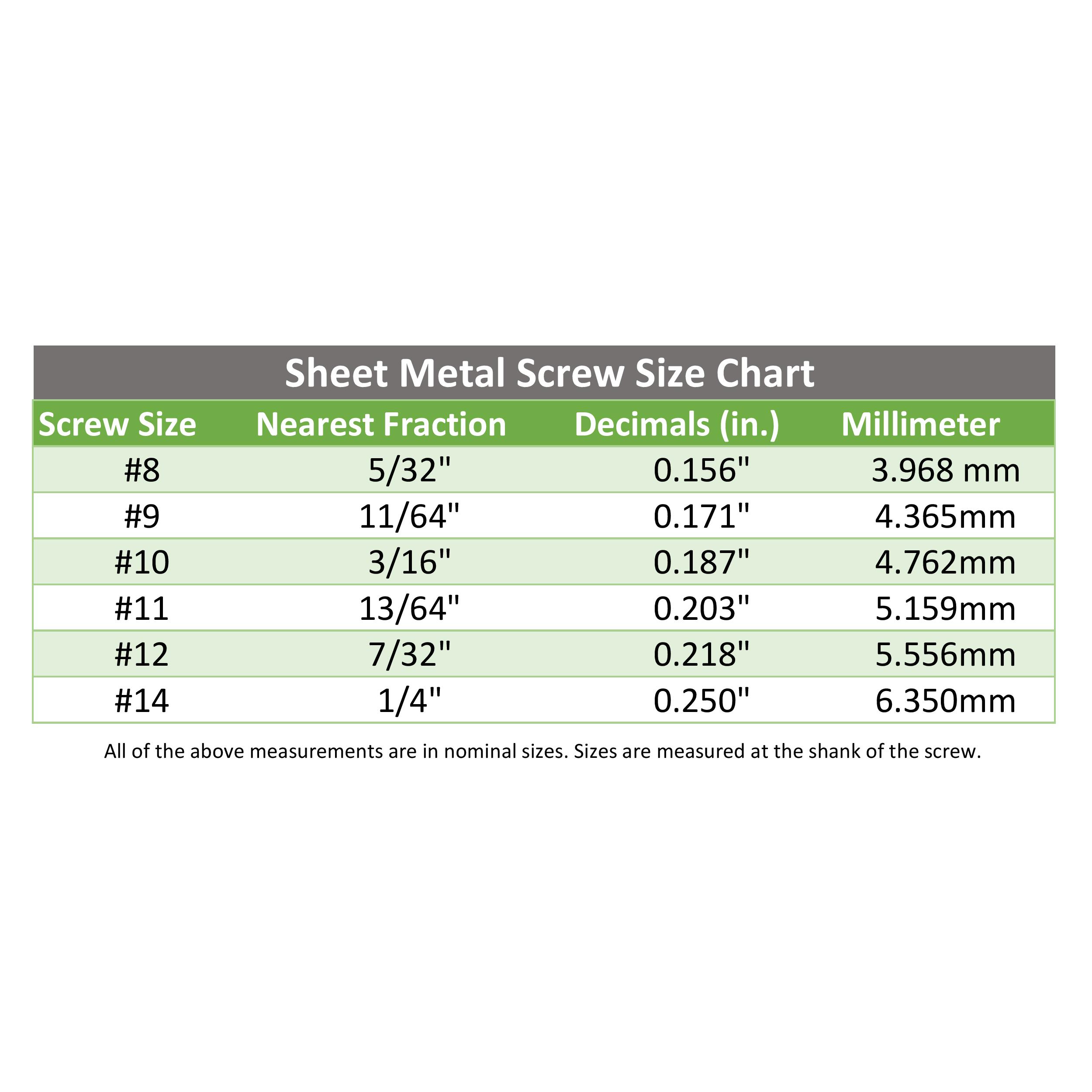
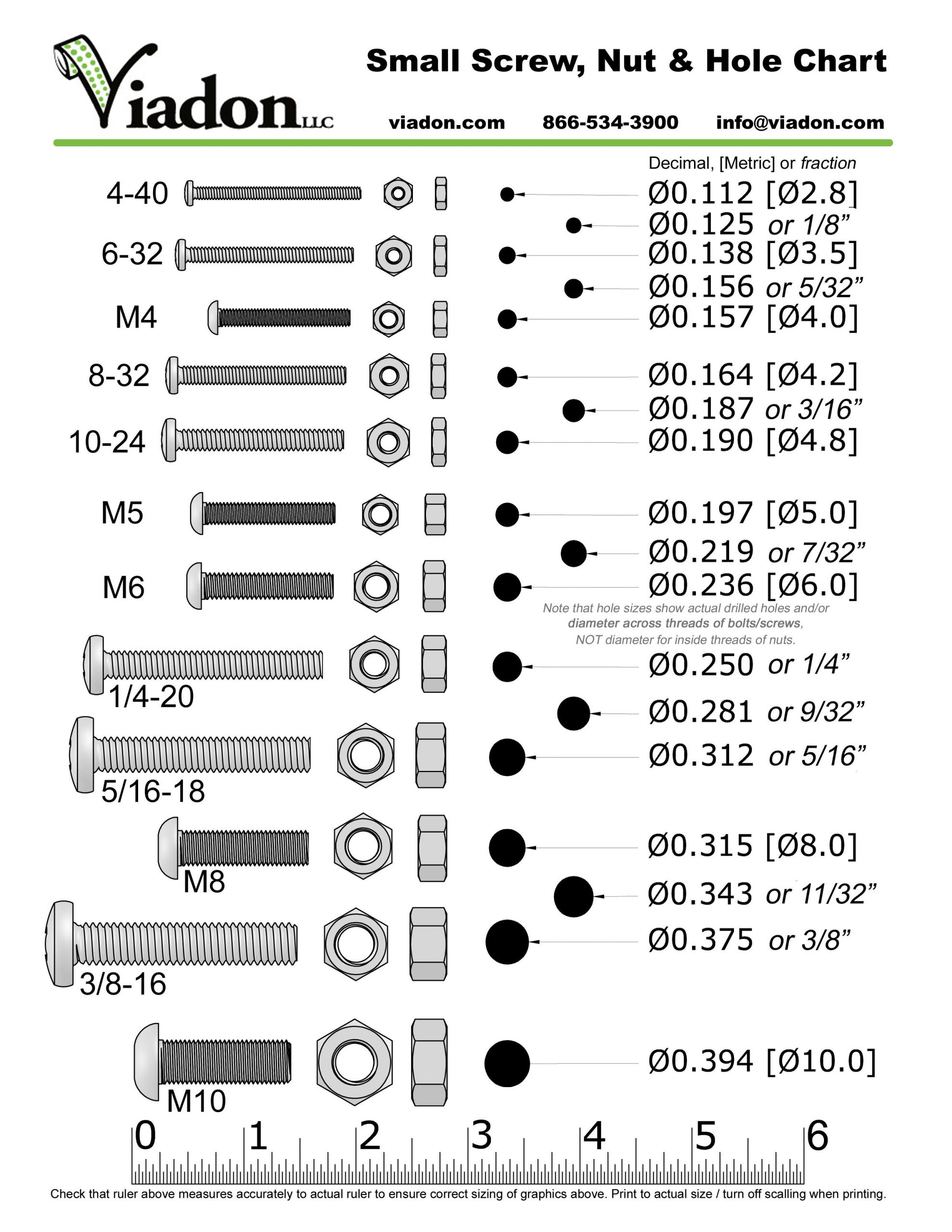
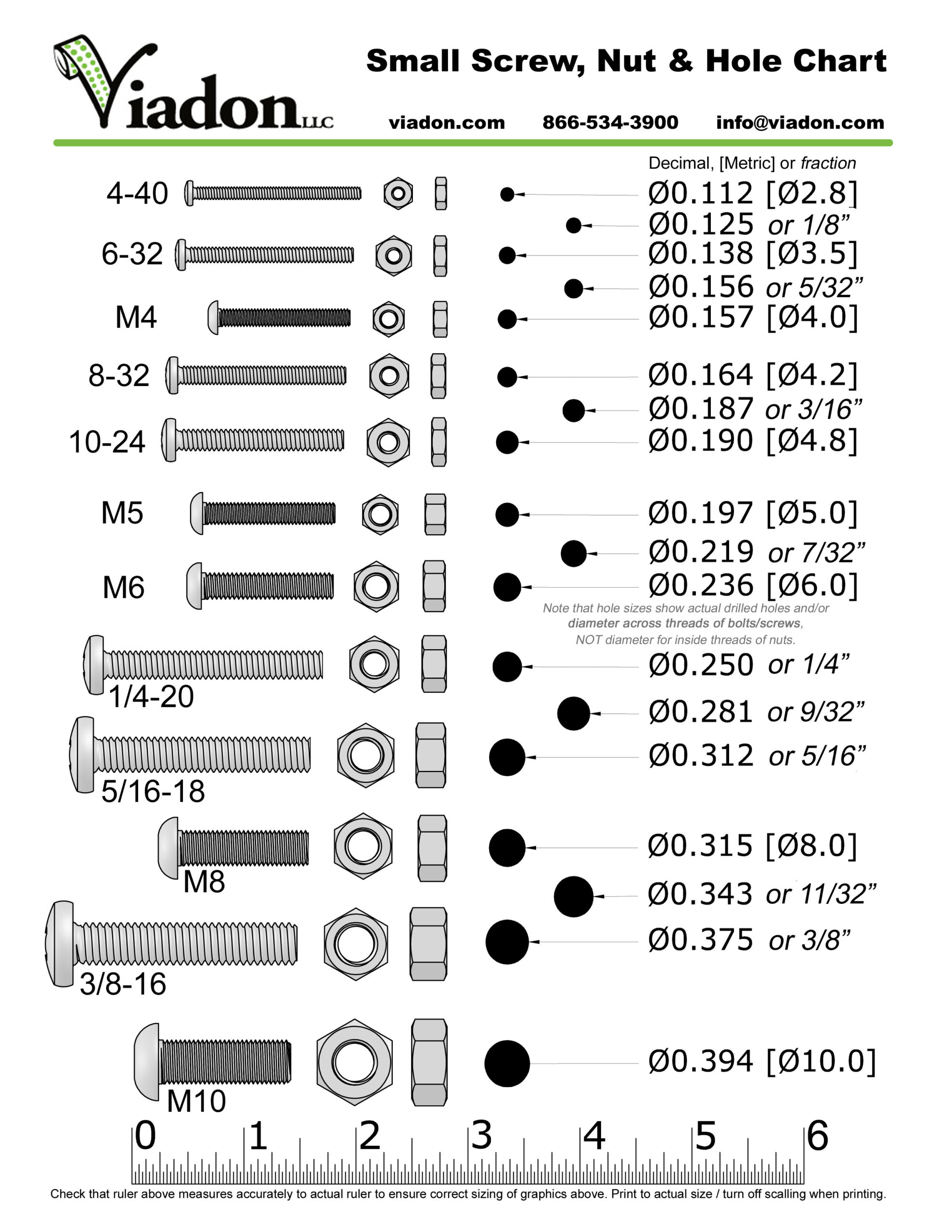
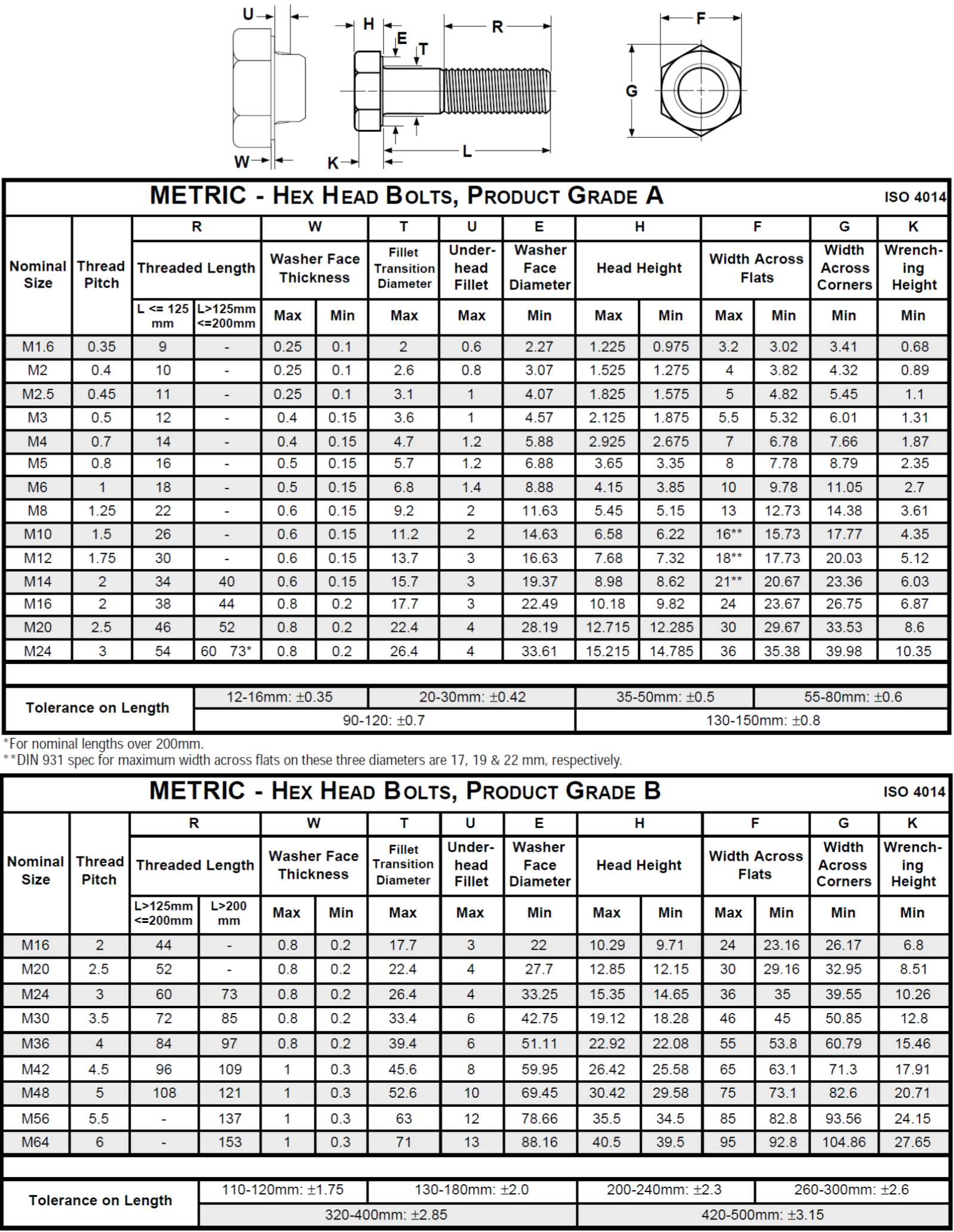
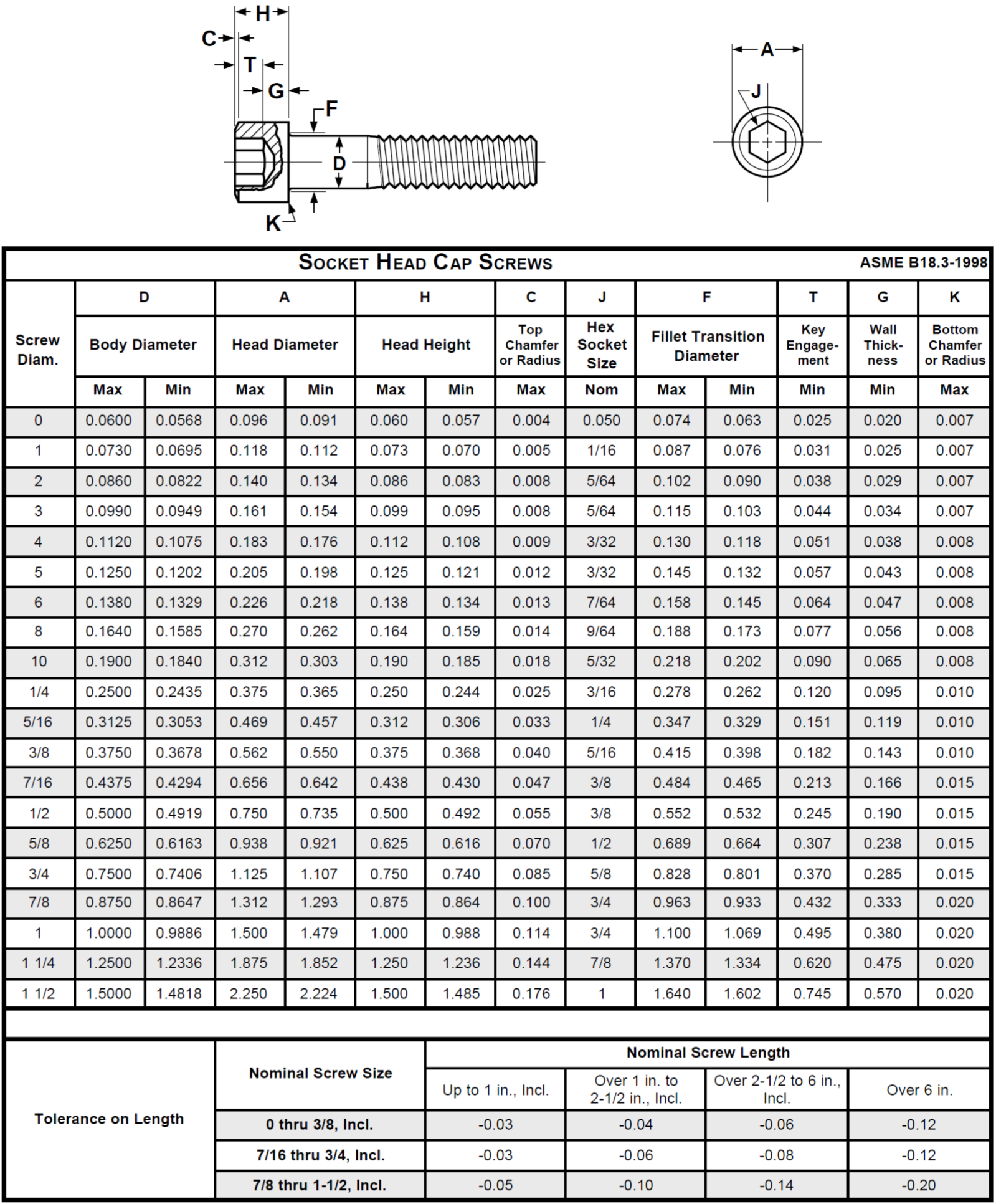
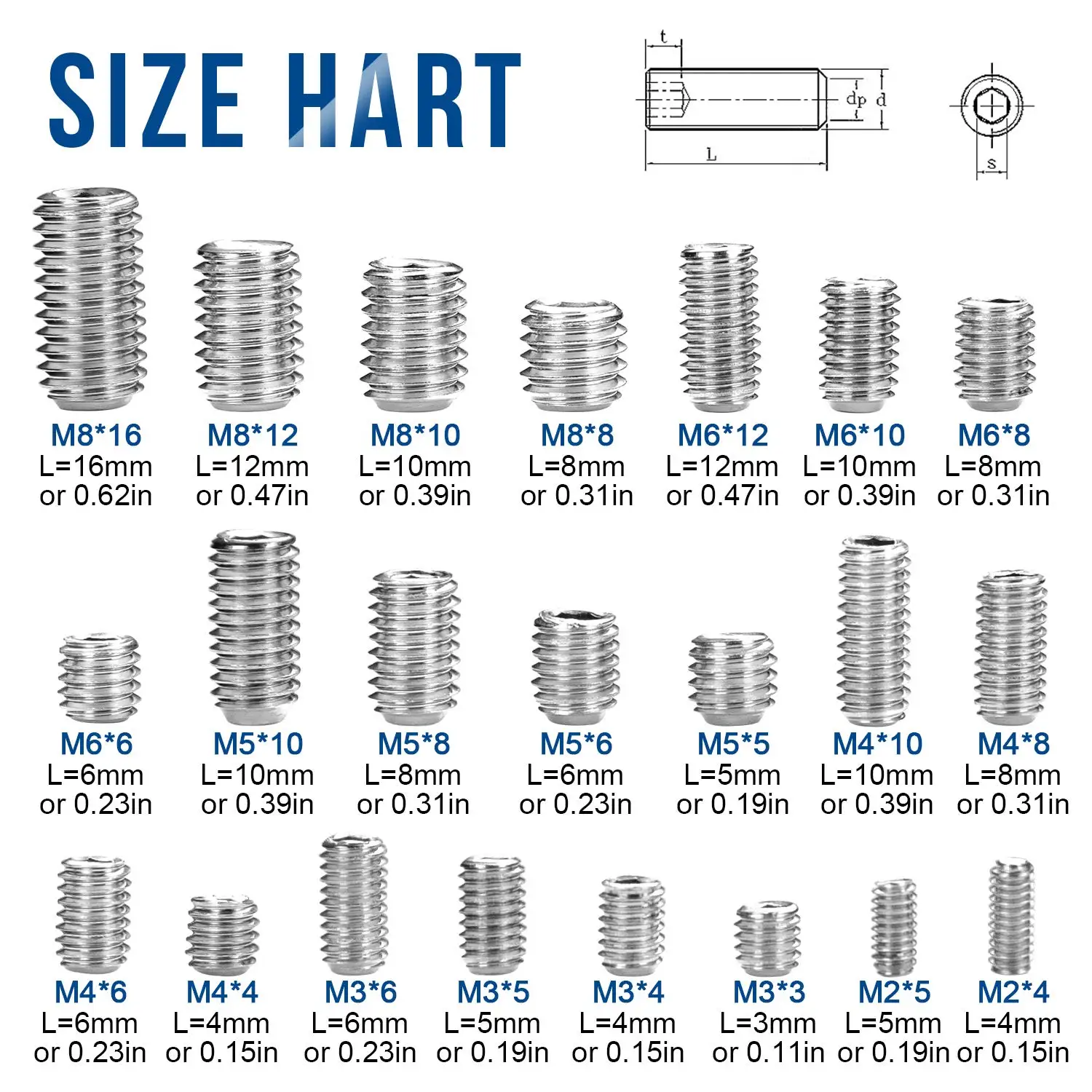
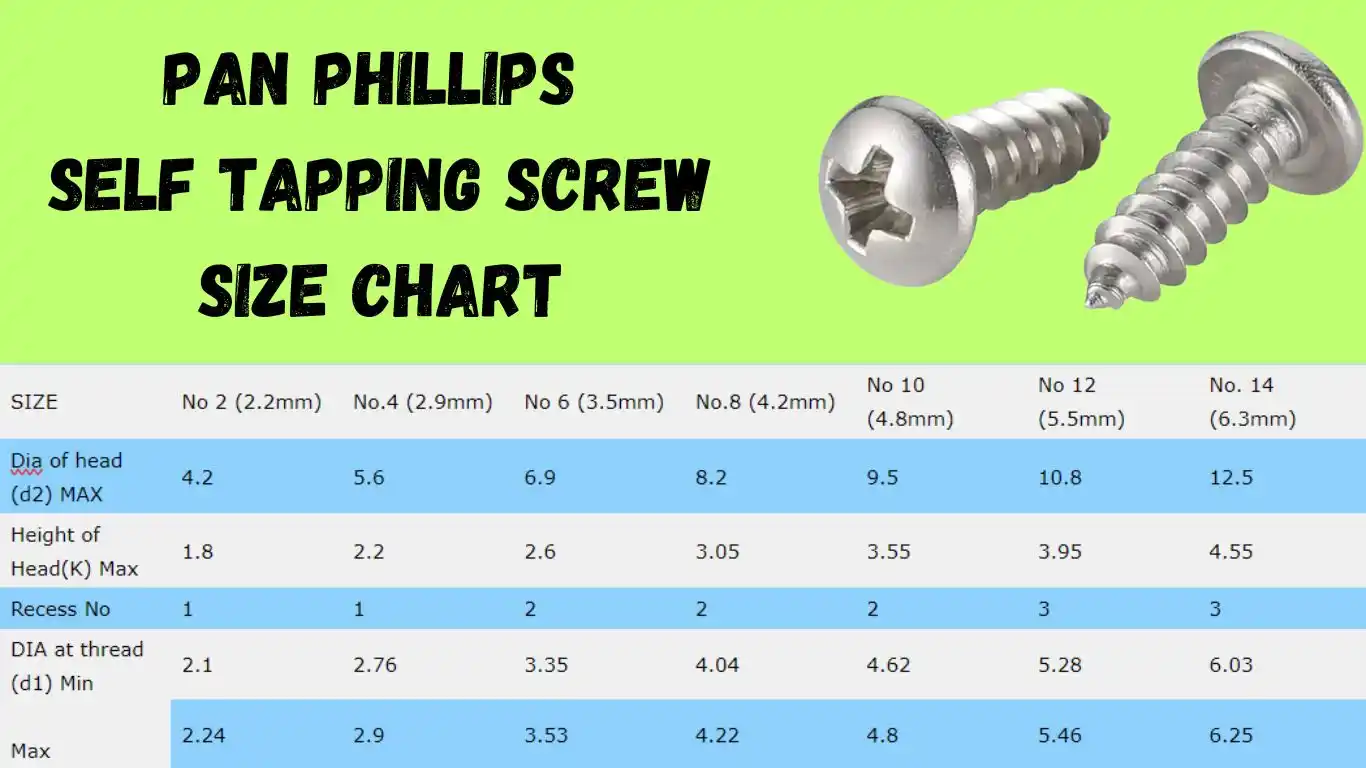
A screw size chart is a handy tool for anyone dealing with screws and fasteners. It's a simple yet effective way to ensure you're using the right size and type for your project. This guide will cover the basics, giving you the knowledge to read and utilize these charts with ease.
The chart provides a quick reference for various screw dimensions, including gauge, thread, and head type. While the values may differ slightly depending on the standard or region, the screw size chart offers a reliable starting point for your fastener needs.
Understanding the Screw Size Chart
A screw size chart is your practical guide to choosing the right screw for any project. It's a reference tool that simplifies the process of selecting screws based on their size, type, and intended use. This chart is a handy resource for anyone working with screws, from DIY enthusiasts to professional contractors.
Comparing Standards and Formats
Screw size charts can vary depending on the standard being followed. The two main standards are the metric system and the imperial system, with each having its own set of measurements and designations. The metric system is widely used internationally and offers a straightforward approach, while the imperial system, common in the US, uses a different set of thread sizes and designations. It's crucial to know which standard your project follows to ensure accurate screw selection.
Practical Screw Selection: A Step-by-Step Guide
Using a screw size chart is straightforward. Here's a simple process:
- Identify the screw's intended use. Different applications require specific screw types and sizes.
- Locate the relevant section on the chart based on the standard you're working with.
- Read across the chart to find the desired screw size. The chart typically displays screw length and diameter measurements.
- Match the measurements to the physical screw you need.
- Check the screw head type and drive style, which are often included in the chart.
- Select the appropriate screw based on your findings.
Avoiding Misreadings and Pitfalls
Misreading a screw size chart can lead to incorrect screw selection. Common mistakes include:
- Confusing metric and imperial measurements. Always double-check the standard being used.
- Misinterpreting screw head types. Pay attention to the symbols or descriptions provided.
- Overlooking drive style variations. Ensure the drive style matches your screwdriver or tool.
- Ignoring the screw's intended use. Different applications require specific screw characteristics.
Key Factors Affecting Accuracy
Several factors can influence the accuracy of your screw selection:
Screw gauge: The gauge refers to the thread pitch, which can vary and impact screw compatibility.
Head types: Different head shapes and sizes serve specific purposes and may affect your choice.
Drive style: The drive style, such as Phillips or flathead, must match your tool for easy installation.
Material: Screws are made from various materials, each with unique strengths and applications.
Finish: The screw's finish, like zinc plating or stainless steel, offers different levels of corrosion resistance.
Key factors:
- Screw gauge (thread pitch)
- Head type and size
- Drive style
- Material
- Finish
Adapting the Chart for Specific Needs
Screw size charts are versatile and can be adapted to suit specific projects. If you're working with unusual materials or have unique requirements, you may need to adjust the chart or seek expert advice. For instance, if you're dealing with soft materials, you might need longer screws to ensure a secure hold. Always consider the specific demands of your project to make the most accurate selection.
Keeping Your Reference Reliable
To ensure the reliability of your screw size chart, it's essential to keep it up-to-date. Regularly check for new standards and updates, especially if you work on diverse projects. Additionally, consider creating a personalized chart by noting down your frequently used screw sizes and their corresponding applications. This customized reference will streamline your selection process and reduce the risk of errors.
So, you've got your screw size chart, a handy tool to keep in your back pocket for any project. It's a simple yet effective reference, and with a few key considerations, you can ensure you're using it accurately.
Remember, these charts provide a great starting point, but your specific project and its unique requirements may vary. Always double-check the exact values and measurements you need, and don't be afraid to adapt and make it work for you. It's a useful guide, but it's not set in stone! Bookmark this page for a quick reminder, and you'll be a screw size expert in no time.