Barbie Colouring In Pages Overview
A tape measure chart is a handy tool, a visual aid that simplifies the process of measuring and converting lengths. This guide will navigate you through the world of tape measure charts, offering a clear understanding of their purpose and usage.
These charts provide a quick reference, allowing you to decipher the various markings on a standard tape measure. They can vary slightly, depending on the type of tape measure and the region, but their core function remains the same: to ensure accurate measurements and easy conversions, be it for metric or imperial units.
Understanding Tape Measure Charts
A tape measure chart is a visual reference tool that displays measurements and their corresponding values, typically in a tabular or diagrammatic format. It serves as a quick guide for understanding and interpreting the markings on a tape measure, ensuring accurate readings.
Key Details and Units
The tape measure chart presents measurements in two primary systems: the metric system and the imperial system. Metric measurements are denoted in centimeters (cm) and millimeters (mm), while imperial measurements use inches (in) as the standard unit. The chart often includes conversions between these systems, aiding in quick metric-to-imperial and imperial-to-metric conversions.
Reading Tape Measure Charts: A Step-by-Step Guide
- Identify the System: Determine whether you are working with metric or imperial measurements. This is crucial as it dictates the scale and units used on the tape measure and in the chart.
- Locate the Markings: On the tape measure, you will find various markings indicating different lengths. These markings correspond to the values shown on the tape measure chart.
- Match the Markings: Align the tape measure's markings with the values on the chart. This allows you to read and interpret the measurements accurately.
- Convert if Needed: If your project requires converting between metric and imperial units, refer to the conversion section of the chart. This ensures consistency and accuracy when working with different measurement systems.
Variations and Differences
Tape measure charts may vary depending on the standard being used. Different regions and industries may have specific measurement standards and tolerances. For instance, the US typically uses imperial measurements, while many other countries follow the metric system. It is essential to refer to the appropriate chart based on your location and the project's requirements. Additionally, some charts may provide specific measurements for specialized fields, such as construction or tailoring, where precise measurements are crucial.
Common Mistakes and How to Avoid Them
- Misreading Markings: Ensure you understand the scale and units of your tape measure. Misinterpreting the markings can lead to significant errors.
- Imperial-Metric Confusion: Be mindful of the measurement system you are using. Converting between systems without referring to the tape measure chart can result in inaccurate readings.
- Neglecting Tolerances: Some projects have specific tolerance requirements. Always check the project's specifications to ensure your measurements meet the necessary standards.
- Relying on Memory: Avoid relying on memory for conversions. Always refer to the tape measure chart for accurate and consistent results.
- Inaccurate Tape Measures: Ensure your tape measure is in good condition and has clear, visible markings. Worn-out or damaged tape measures can lead to imprecise readings.
Hey there! I hope this tape measure chart has been a helpful reference for you. Remember, while the basics remain the same, exact details can indeed vary, so it's always good to double-check your sources and standards.
Feel free to explore our other guides for more practical tips and tricks. And when you need a quick reminder, don't forget to bookmark this page for easy access! It's a simple way to ensure you always have the right measurements at your fingertips.
Related: Read the Nail Shape Chart: A Simple Guide
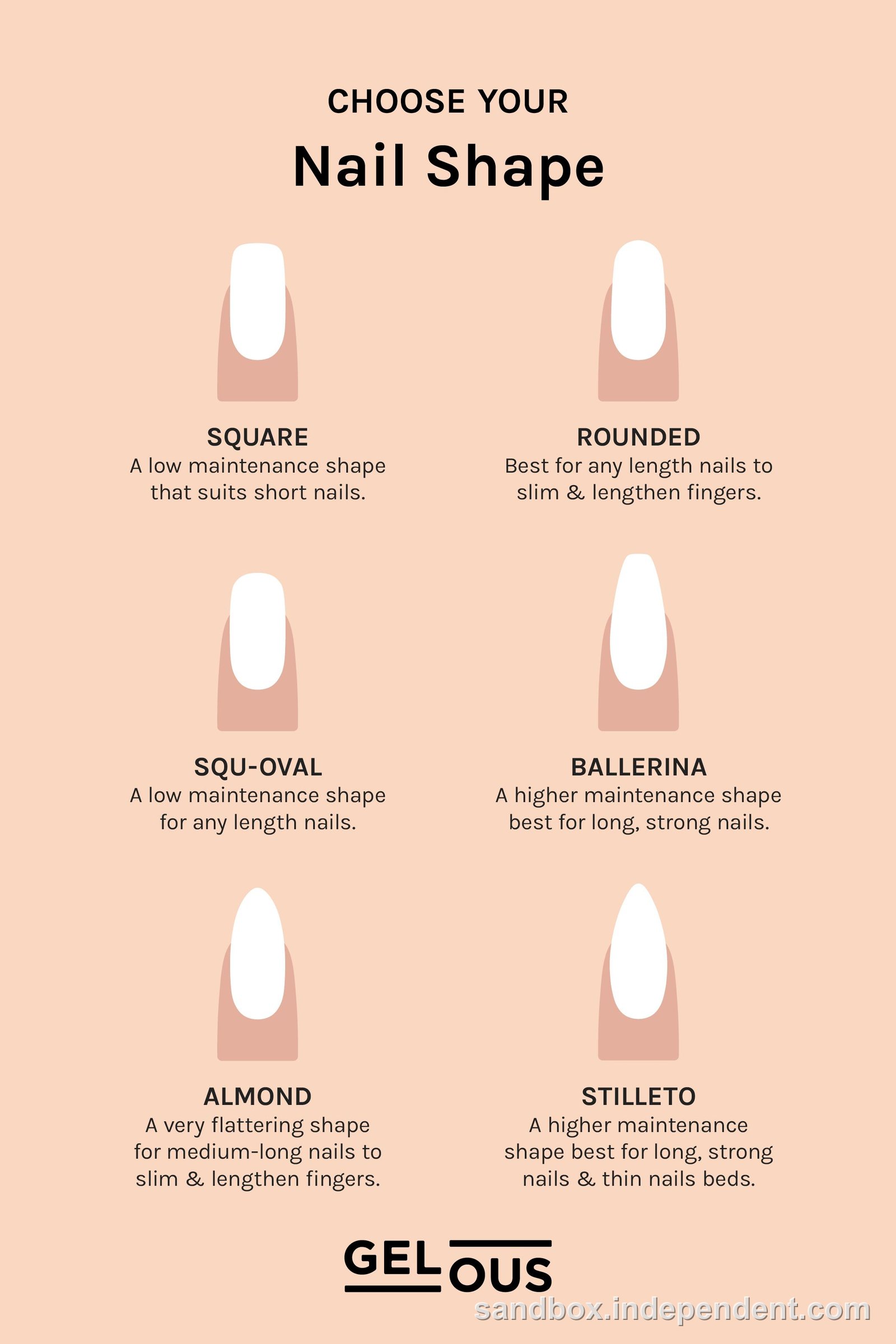
You've probably come across the nail shape chart and are keen to explore its practical uses. This handy reference tool is a great way to discover and understand the different nail shapes and their names. It's a simple yet effective guide, offering a visual representation of various nail shapes, which can be a real asset when you're looking for inspiration or wanting to communicate your nail preferences clearly. While the chart provides a great starting point, it's worth noting that nail shape names and trends can vary, so it's always fun to explore and find your favorite!
Understanding the Nail Shape Chart
The nail shape chart is a handy reference tool for anyone interested in nail care and design. It provides a visual guide to different nail shapes and lengths, offering a simple way to communicate your desired nail look to a nail technician or to achieve consistent results at home. This chart is a great starting point for nail enthusiasts and professionals alike.
Key Details and Categories
The nail shape chart typically features a range of standard nail shapes, including classic options like square, oval, and almond, as well as more unique styles like coffin, stiletto, and mountain peak. Each shape is represented by a visual icon or illustration, making it easy to identify and choose your preferred style. Additionally, the chart often includes a measurement guide, showing common nail lengths and their corresponding sizes. These measurements are usually in millimeters or inches, depending on the standard used.
How to Read and Apply the Chart
Using the nail shape chart is straightforward. First, identify the shape you desire by matching it to the visual icons on the chart. Then, refer to the measurement guide to choose the length that suits your preferences and nail type. You can either communicate these choices to your nail technician or use the chart as a guide when shaping your nails at home. If you're unsure about the best shape for your nails, the chart can also inspire new looks and help you experiment with different styles.
Variations and Differences
It's important to note that while the nail shape chart provides a great starting point, variations can occur due to different standards and personal preferences. For instance, the exact measurements for each shape and length may vary slightly between charts, especially when comparing US and international standards. Additionally, individual nail technicians might have their own unique interpretations and techniques, leading to subtle differences in the final nail shape.
Common Mistakes and How to Avoid Them
One common mistake is relying solely on the chart without considering your nail type and personal comfort. It's essential to choose a shape and length that complements your natural nail bed and overall hand shape. Additionally, be mindful of your daily activities and lifestyle; certain shapes and lengths may be more practical or comfortable for your routine. Always consider these factors to ensure you achieve a look that suits your needs and preferences.
Tips for Accurate Results
To ensure accurate results when using the nail shape chart, it's crucial to measure your nails regularly, especially if you're growing them out or maintaining a specific length. This helps you stay consistent and achieve the desired look. Additionally, invest in good-quality nail files and buffers to shape and smooth your nails effectively. Practice makes perfect, so don't be afraid to experiment and find the techniques that work best for you. Remember, the nail shape chart is a guide, and with practice, you'll develop your own nail shaping skills.
Hey there! I hope this nail shape chart has given you a clear understanding of the different options and how to achieve your desired nail look. Remember, while the basics remain the same, the exact details might vary slightly depending on the context and your personal preference.
It's always a good idea to bookmark this page for future reference, especially when you're trying out new nail shapes or designs. You'll find it's a handy tool to have on hand!
Related: A Quick Guide to Lyon Charter Twp: Reference Values
Frustrated by the endless scrolling and unclear charts? You're not alone. Many people seek a quick, reliable reference when dealing with Lyon Charter Twp and its various charts and diagrams. It's a common challenge, and understanding these visuals is crucial for getting things done efficiently.
Whether you're a resident of Lyon Township or just need to navigate the local government's systems, the charts and references can be a real headache. Rest assured, you're not alone in this, and there are ways to simplify the process.
Understanding Lyon Charter Twp: A Practical Guide
Lyon Charter Twp is a unique form of local government, offering a specific set of services and benefits to its residents. This guide will help you navigate the charter township's structure and operations.
Key Details and Categories
The charter township of Lyon operates under a unique legal status, providing a range of services and powers not typically found in standard townships. It's important to understand the key personnel and their roles, as well as the various departments and their functions. The township's administration is headed by a supervisor, who oversees the daily operations and acts as the chief executive. Other key personnel include the clerk, treasurer, and trustees, each with specific responsibilities.
Reading and Applying the Township Chart
The township chart is a visual representation of the Lyon Charter Twp's organizational structure. It outlines the various departments, their functions, and the reporting hierarchy. To read the chart effectively, start by identifying the supervisor at the top, who has overall authority. Below them, you'll find the clerk, treasurer, and trustees, each with their own areas of responsibility. The chart also shows the various departments and their interconnections, helping you understand the flow of information and decision-making.
Variations and Differences
While the charter township of Lyon follows a standard structure, variations can occur due to specific local needs and preferences. Different townships may have slightly different department names or functions, depending on the community's requirements. Additionally, the size and population of a township can influence its organizational structure. Larger townships may have more specialized departments, while smaller ones might combine certain functions. It's important to be aware of these variations when comparing different townships.
Common Mistakes and How to Avoid Them
One common mistake is assuming that all townships operate identically. While there are standard practices, each township has its own unique characteristics. Another pitfall is overlooking the specific roles and responsibilities of key personnel. It's crucial to understand who does what within the township administration to ensure effective engagement and communication. Finally, failing to consider the township's unique services and benefits can lead to missed opportunities for residents.
Practical Tips for Accurate Understanding
When navigating Lyon Charter Twp, take the time to familiarize yourself with the township's website and official documents. These resources provide valuable insights into the township's structure, services, and contact information. Attend township meetings or events to gain a deeper understanding of local issues and engage with community leaders. Building relationships with township staff and officials can also provide valuable insights and assistance.
Double-Checking and Handling Exceptions
While the township chart provides a useful overview, it's important to double-check specific details and exceptions. Certain services or functions may vary depending on the township's unique circumstances. For example, the availability of certain recreational facilities or specialized programs might differ. It's always a good idea to confirm these details with the relevant department or township office to ensure accurate information.
Hey there, we hope this guide has given you a clear understanding of Lyon Charter Twp and its practical applications. Remember, while we've covered the basics, exact details can vary, so always refer to the most relevant and up-to-date sources for your specific needs.
Feel free to explore our other guides; we've got a whole range of topics to help you navigate various concepts and standards. Happy learning, and stay curious!