




Barbie Drawing To Color Overview
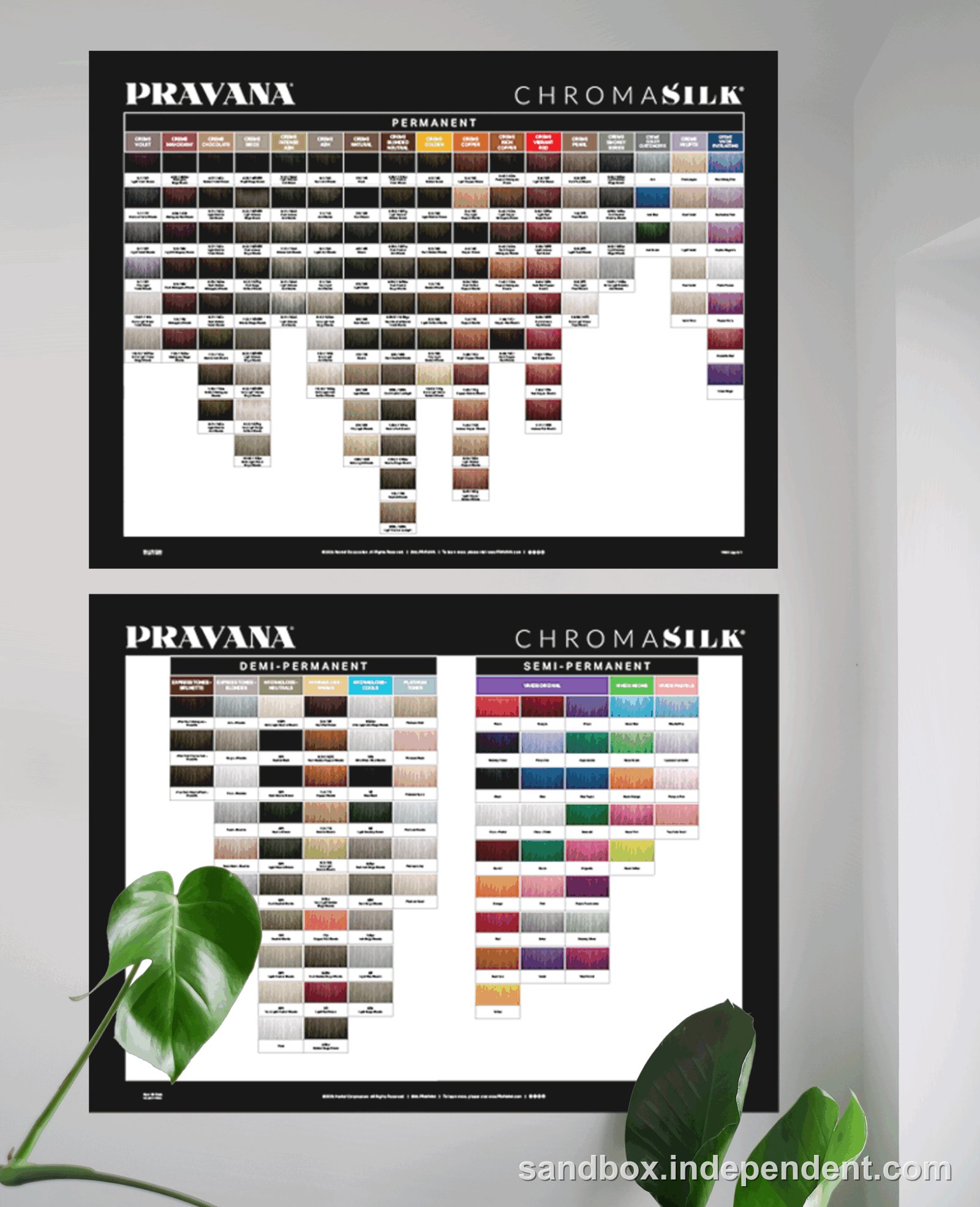
You're likely here because you need a quick reference for the color chart Redken offers, a go-to resource for anyone seeking precise hair color guidance. This chart, a trusted tool, provides a straightforward visual guide, helping you navigate the world of hair coloring with ease. It's a simple yet effective way to ensure you achieve the desired shade and tone, whether you're a professional stylist or a home user. With various formats available, from guides to wheels, Redken's color system ensures accuracy and consistency, making it a popular choice for those seeking reliable hair color results.
The Redken Color Chart: A Guide to Hair Color Mastery
The Redken color chart is an essential tool for hair professionals and enthusiasts alike, offering a systematic approach to understanding and achieving desired hair colors. This chart serves as a visual reference, helping you navigate the vast world of hair coloring with precision and confidence.
Key Details and Categories
The Redken color chart typically features a range of hair color options, organized into different levels and tones. These levels indicate the depth or lightness of the color, often ranging from 1 (darkest) to 10 (lightest). Tones, on the other hand, represent the underlying hue, such as neutral, warm, or cool. Additionally, the chart may include various shades and intensities, allowing for a wide array of color possibilities.
Step-by-Step: Reading and Applying the Chart
To use the Redken color chart effectively, follow these steps:
Identify your desired hair color. Consider the level and tone you wish to achieve. For instance, a level 7 with a cool tone might be a vibrant, icy blonde.
Locate the corresponding color on the chart. Redken's charts often provide a visual representation, making it easy to find the right shade.
Choose the appropriate product. Redken offers a range of color gel systems, like Color Fusion or Shades EQ, each with its own unique properties. Select the one that best suits your needs and the level of color change desired.
Follow the product instructions. Each system has specific application and processing times, so ensure you understand these steps to achieve the best results.
Monitor the color development. During the processing time, keep an eye on the color change to ensure you achieve the desired result.
Variations and Differences
It's important to note that hair color results can vary based on several factors. These include the natural hair color and texture, previous color treatments, and even the porosity of the hair. Additionally, different standards and regions may have slight variations in their color charts and product offerings. Always refer to the specific instructions and charts provided by Redken for your region to ensure accuracy.
Common Mistakes and How to Avoid Them
One common mistake is failing to perform a strand test before a full application. This simple step can prevent unexpected results and ensure the color is as expected. Another pitfall is not considering the underlying tone of the hair. For instance, a warm-toned hair may require a different approach than a cool-toned hair to achieve the desired result. Always consult the Redken color chart guide and seek professional advice if needed.
Practical Tips for Accurate Results
To achieve natural-looking results, consider the following tips:
Understand your hair's undertones. Redken's hair color wheel can be a useful tool to identify these.
Start with a lighter level and gradually build up to your desired shade. This approach helps prevent over-processing and ensures a more natural transition.
Use color mixing techniques to create custom shades. Redken's color gel chart provides a guide for mixing different colors.
Maintain regular touch-ups to keep your color fresh and vibrant.
Double-Checking and Handling Exceptions
Always double-check the product instructions and the Redken color chart for your specific region. Some hair types may require special considerations, such as pre-lightening or toning, to achieve the desired color. Consult a professional colorist if you're unsure or encounter any challenges.
Remember, the Redken color chart is a valuable resource, but it's just one tool in your hair coloring journey. With practice and an understanding of your hair's unique characteristics, you can master the art of hair coloring and achieve stunning results.
Remember, the specifics may differ slightly, so always refer to the most relevant and up-to-date sources for your particular needs.
Feel free to explore our other guides for more practical insights and tips. Consider bookmarking this page for a handy reference guide whenever you need a quick refresher on color charts and their applications.
Related: Understand the Wire Color Chart: A Quick Guide
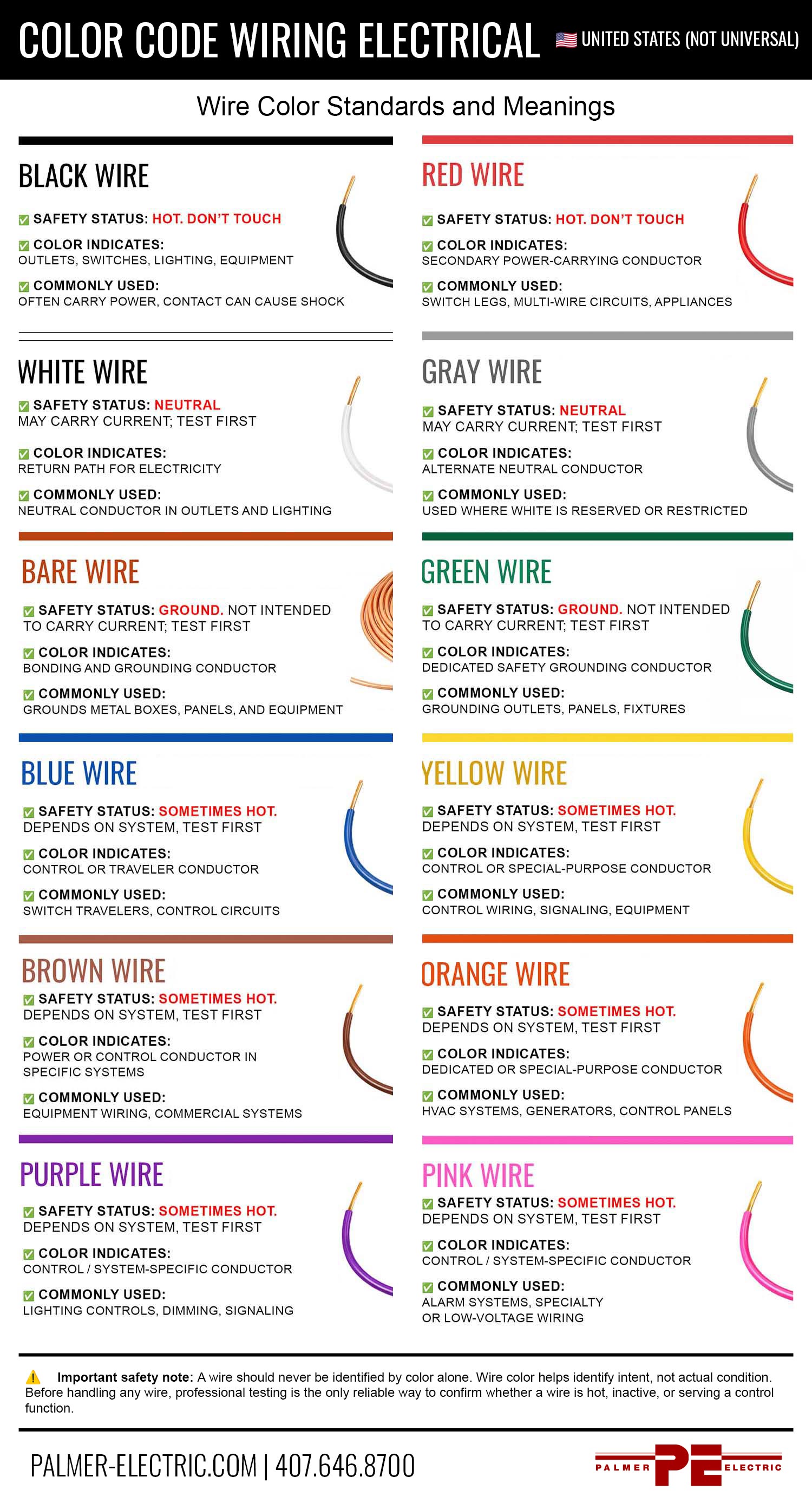
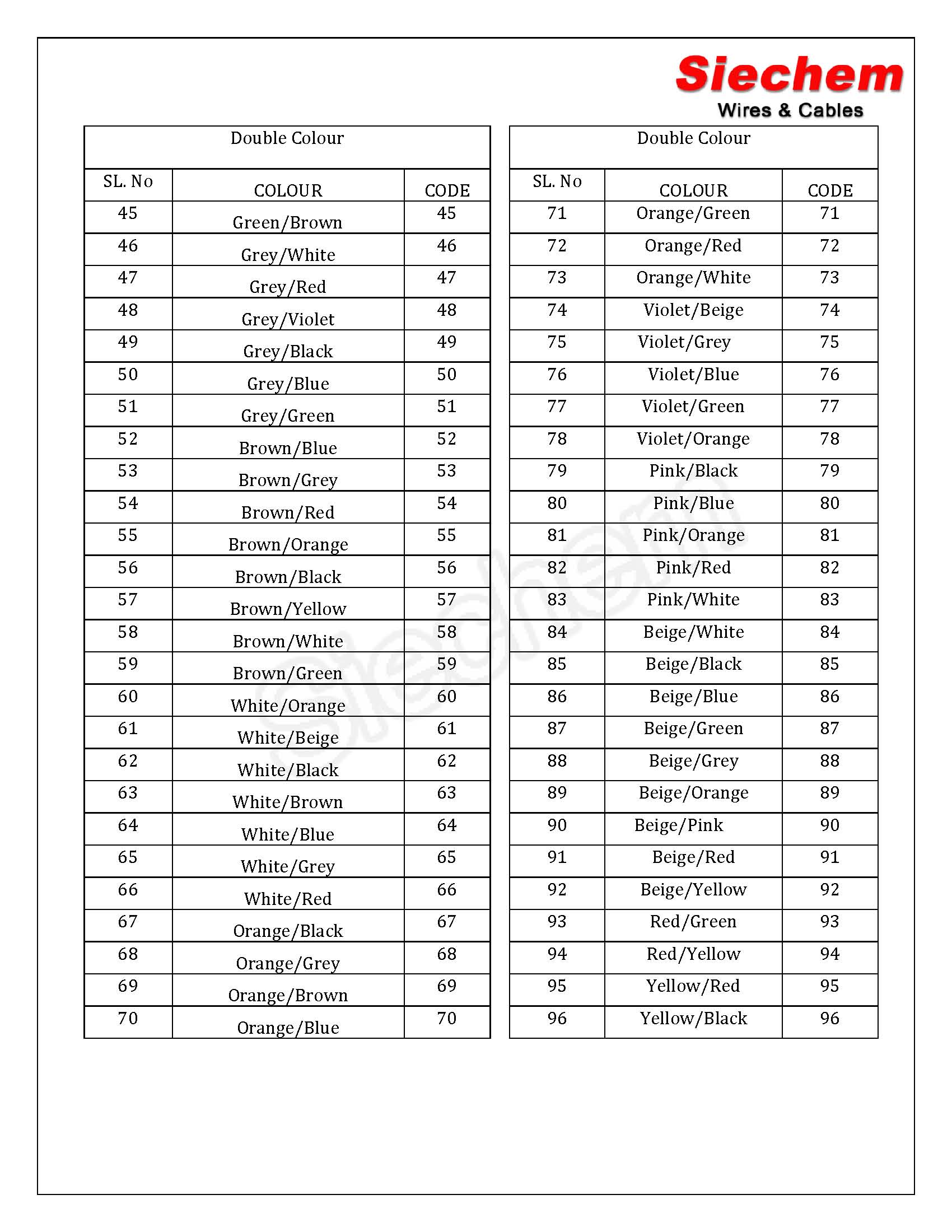
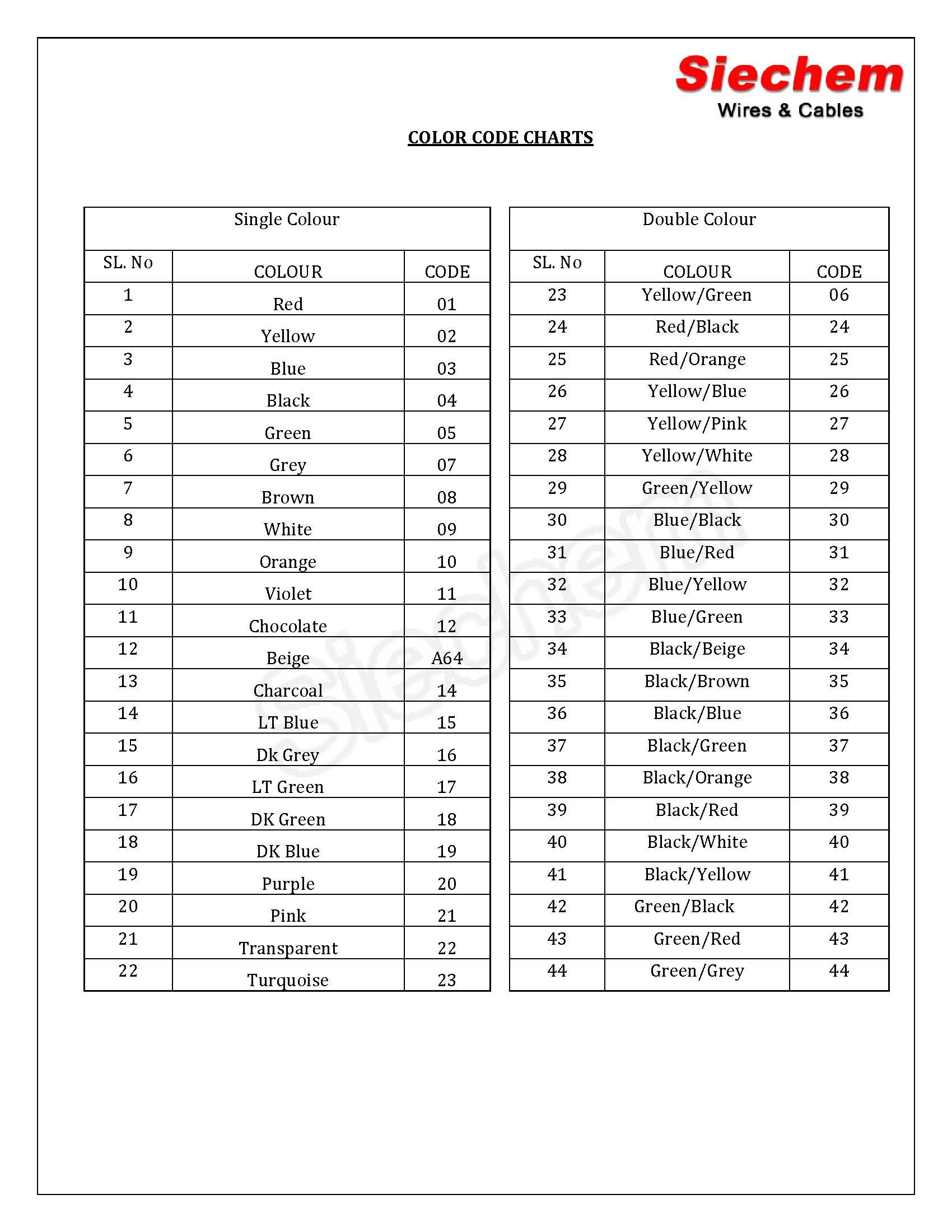
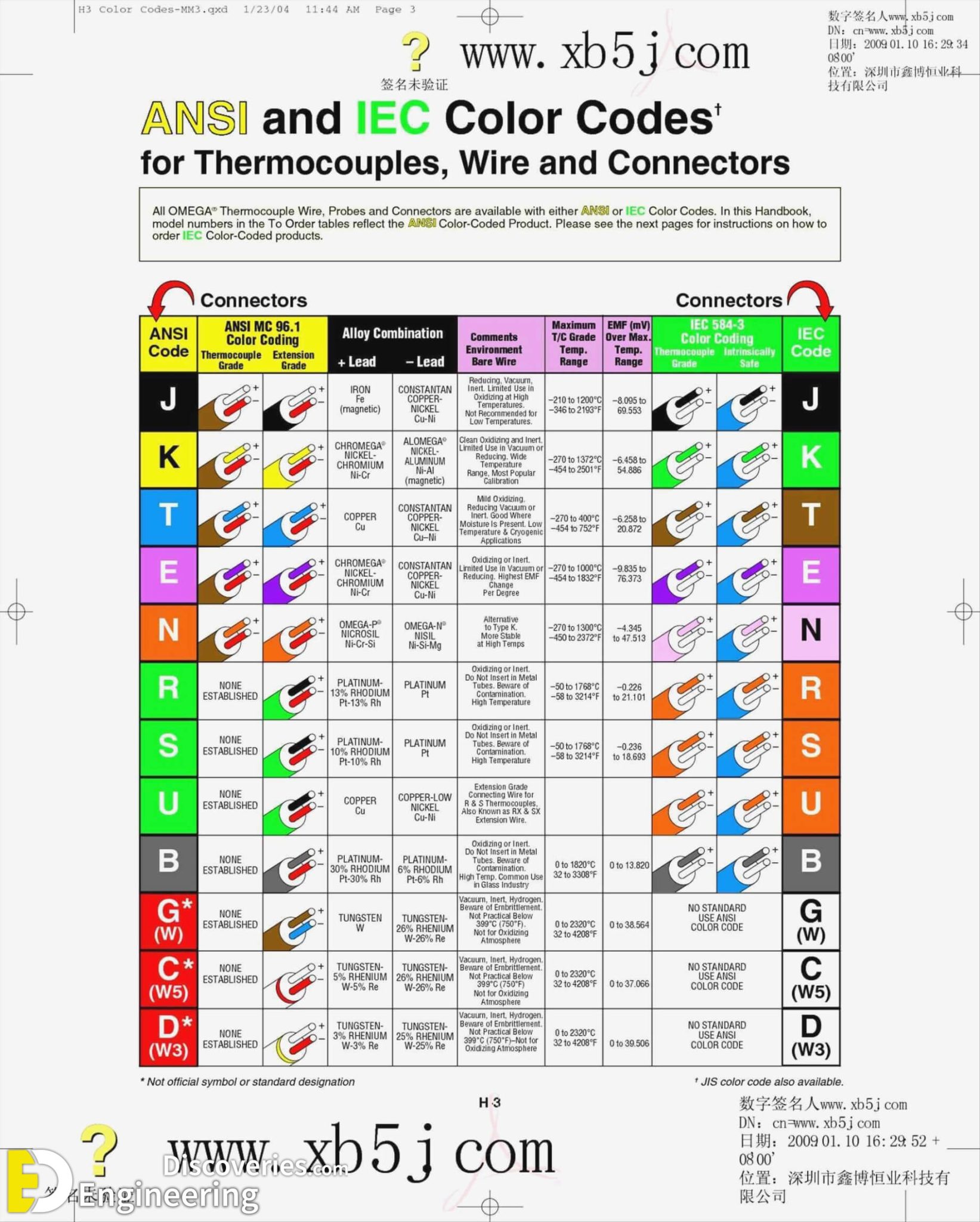
You've likely found yourself here because you're seeking a simple, reliable guide to understanding wire color charts and their applications. Whether you're an electrician, a DIY enthusiast, or simply tackling a home wiring project, these charts are an essential tool for accurate identification and safe electrical work. While the values and formats may vary depending on your region and the specific standards followed, the wire color chart remains a universal reference, offering a clear and consistent way to identify wire functions and characteristics.
Understanding the Wire Color Chart: A Practical Guide
The wire color chart is an essential tool for anyone working with electrical wiring, providing a quick reference to identify and understand the purpose of different wire colors. This chart serves as a visual guide, offering a simple yet effective way to navigate the complex world of electrical systems.
Comparing Color Patterns and Standards
Various color patterns and standards exist, and it's crucial to know which one applies to your specific context. The most common standard is the wire color code, which is widely used in North America. This standard assigns colors to indicate the function of each wire, such as hot, neutral, and ground. Other regions may follow different conventions, so it's important to be aware of these variations.
Step-by-Step Guide to Using the Chart
Here's a simple process to utilize the wire color chart effectively:
- Identify the standard or region-specific chart that applies to your wiring system. This ensures accuracy and safety.
- Locate the specific wire you want to identify on the chart. Look for the color and, if available, any additional markings or stripes.
- Refer to the chart's legend or key to interpret the color's meaning. It will provide information about the wire's function, such as voltage level or conductor type.
- Cross-reference the chart with any additional information or specifications provided by the manufacturer or relevant standards. This step ensures you have a complete understanding of the wire's purpose and any specific requirements.
Troubleshooting Misreadings and Pitfalls
Misinterpreting wire colors can lead to serious safety hazards. Always double-check your readings and consider these common pitfalls:
- Faded or discolored wires: Over time, exposure to elements can cause wires to change color. Ensure you are referring to the current and accurate color of the wire.
- Multiple standards: Be aware of different standards and their variations. For example, the voltage color code may differ between countries or regions.
- Manufacturer-specific codes: Some manufacturers use unique color codes for specific applications. Always refer to the relevant documentation or consult an expert if needed.
Factors Affecting Accuracy and Real-World Use
Several factors can influence the accuracy of the wire color chart and its practical application:
- Age and condition of wiring: Older wiring may have faded or damaged insulation, making color identification challenging.
- Custom installations: In some cases, wires may be custom-colored or marked, especially in specialized industrial applications.
- International variations: As mentioned, different countries and regions have their own standards and color codes. Always verify the applicable standard for your location.
- Safety considerations: Always prioritize safety when working with electrical systems. If in doubt, consult a qualified electrician or refer to official guidelines.
Adapting the Chart for Specific Needs
The wire color chart can be adapted to suit various needs and applications. Here are some considerations:
- Custom charts: If you work with specialized wiring or have unique requirements, creating a custom chart or color-coding system can be beneficial. Ensure it is well-documented and shared with relevant personnel.
- Color-coding consistency: Maintain consistency in your color-coding practices to avoid confusion. This is especially important in large-scale projects or when multiple teams are involved.
- Refer to industry guidelines: For specific industries or applications, there may be established guidelines or best practices for wire color-coding. Follow these recommendations to ensure compliance and safety.
While the wire color chart is a valuable tool, it's important to remember that variations exist. Exact details may differ slightly between different standards or sources, so it's always a good idea to double-check and ensure you're using the right reference for your specific needs.
Feel free to explore our other guides for more practical tips and insights. We've got a range of topics covered, so you can find the information you need to tackle any project with confidence.
Related: Understand Teeth Color Chart: A Quick Guide
A teeth color chart is a handy tool for anyone seeking a quick and accurate way to assess and match tooth shades. This guide will walk you through the basics, covering what these charts are and how to use them effectively.
These charts, often in the form of a simple table or visual guide, provide a reference for tooth shade comparison. While the specific values and formats may vary, the concept remains the same: an easy-to-read resource for dental shade matching.
What is a Teeth Color Chart?
A teeth color chart is a visual guide that helps dental professionals and patients understand and communicate tooth shade accurately. It provides a standardized reference for comparing and matching tooth colors, ensuring consistency in dental procedures and treatments.
Key Details and Categories
The chart typically consists of a range of tooth shades, often organized in a grid or tabulated format. Each shade is represented by a unique code or label, making it easy to identify and communicate. The shades are usually based on a recognized standard, such as the Vitapan Classical Shade Guide, which is widely used in dentistry. This guide categorizes tooth colors into various groups, with each group further divided into sub-shades, providing a comprehensive and precise color reference.
Reading and Applying the Teeth Color Chart
To use the teeth color chart effectively, follow these steps:
- Prepare the teeth for shade matching by cleaning and drying them thoroughly. Natural light or specialized lighting can enhance color accuracy.
- Compare the patient's teeth with the shades on the chart. Hold the chart close to the teeth and observe the color match.
- Identify the closest shade match. Consider the overall color and any subtle variations.
- Confirm the shade with the patient and document it for future reference.
- Repeat the process for multiple teeth if needed, ensuring consistency across the dental arch.
Understanding Shade Variations
Shade variations can occur due to several factors. Natural tooth color can differ based on genetics, age, and lifestyle factors like diet and oral hygiene. External factors like staining from food, drinks, or tobacco can also impact tooth color. Additionally, lighting conditions and the observer's perception can influence shade matching. It's essential to consider these variables when using a teeth color chart to ensure accurate results.
Common Mistakes and How to Avoid Them
When working with a teeth color chart, it's crucial to avoid these common pitfalls:
- Relying solely on memory: Always refer to the chart for an accurate shade match. Avoid guessing or relying on past experiences.
- Inconsistent lighting: Ensure consistent lighting conditions to minimize errors. Natural daylight or specialized dental lighting is recommended.
- Neglecting patient feedback: Involve the patient in the shade selection process. Their perception and feedback are valuable for an accurate match.
- Overlooking oral health: Ensure the teeth are clean and free from debris or stains before shade matching.
- Using outdated charts: Keep your teeth color chart up-to-date to reflect the latest standards and shades. Regularly check for new versions or updates.
Well, there you have it! A teeth color chart is a handy tool, and now you know how to navigate it like a pro. Remember, the exact shades and values might differ slightly depending on the source or standard, so always double-check.
Feel free to explore other guides on our site for more practical tips and tricks. We've got you covered with a range of topics, so take a look and discover something new!