







Basic Contractor Invoice Template Doc Overview
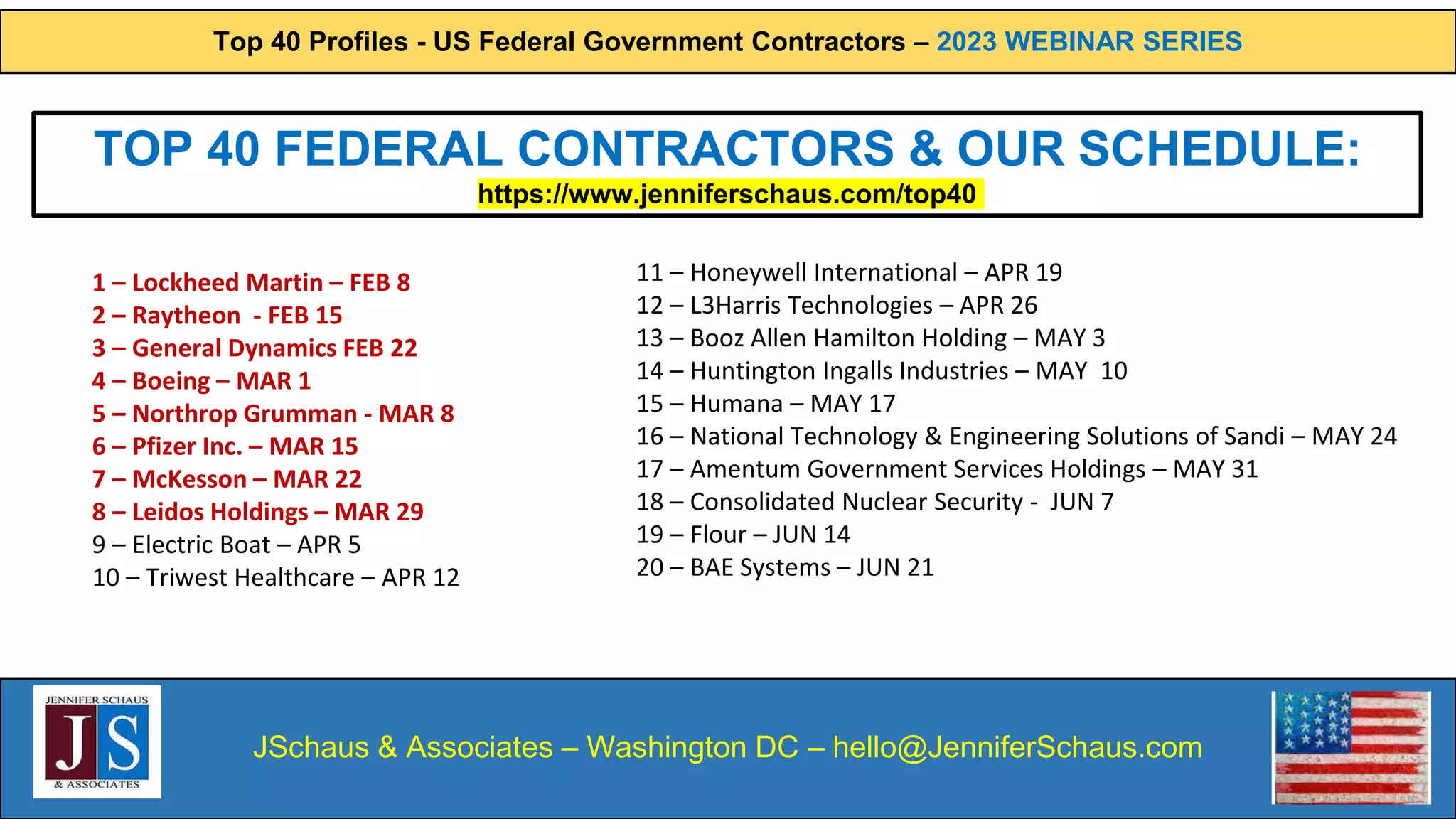
I was chatting with a friend the other day, and the topic of home renovations came up. It got me thinking about top US general contractors and how crucial it is to find the right one for any construction project. So, let's explore what this term means and how it can impact your building or remodeling journey.
Understanding General Contractors
A general contractor is a professional who manages and oversees construction projects, acting as a key point of contact for homeowners and businesses. They handle everything from hiring subcontractors to ensuring the work is completed on time and within budget. These contractors are the backbone of any construction project, big or small.
When you're searching for a top-notch general contractor, it's essential to consider their experience, reputation, and the services they offer. While some specialize in residential projects, others focus on commercial builds or specific trades like plumbing or electrical work. Knowing their expertise is key to finding the right fit for your needs.
Hiring Tips and Considerations
Finding a reputable general contractor is a crucial step in any construction project. Here are some tips to help you make an informed decision:
- Check their licensing and insurance: Ensure they are properly licensed and insured for your state's requirements. This protects you and your investment.
- Ask for references: Speak to past clients to get an idea of the contractor's work quality and professionalism.
- Get multiple quotes: Compare quotes from different contractors to ensure you're getting a fair price and to understand the scope of the project.
- Understand the contract: Read and understand the terms of the contract before signing. It should outline the project details, timeline, and payment schedule.
- Consider their expertise: Look for contractors with experience in your specific project type. Whether it's a home addition or a commercial build, their expertise matters.
Company Names and Branding
Naming your construction business is an important step in building a brand. A good name should be memorable, unique, and reflect your company's values and services. Here are a few creative ideas to inspire you:
- BuildPro: A strong name suggesting professional building services.
- Crafted Spaces: Emphasizes the creation of unique and tailored spaces.
- Renova Construction: Combining renovation and construction, it hints at a full-service offering.
- Skyrise Builders: Evoking a sense of height and ambition, it's perfect for commercial projects.
- Green Build Group: Highlighting eco-friendly practices, this name appeals to environmentally conscious clients.
- Constructive Solutions: Suggesting a problem-solving approach, it's a great choice for a versatile contractor.
Industry Tools and Resources
The construction industry relies on various tools and resources to ensure projects run smoothly and efficiently. One such resource is RSMeans, a comprehensive database providing cost data and estimates for construction projects. It's a valuable tool for contractors and estimators, helping them price projects accurately.
Additionally, the industry uses cost indexes to track and forecast construction costs over time. These indexes consider factors like labor, materials, and market trends, providing valuable insights for budgeting and planning.
Construction Jobs and Opportunities
The construction industry offers a wide range of career paths, from general contractors and estimators to specialized trades like plumbing and electrical work. Job opportunities are abundant, and the industry is known for its skilled workforce.
When searching for construction jobs, online job boards and industry-specific websites are great resources. Additionally, networking and building relationships within the industry can lead to valuable connections and opportunities.
Wrapping Up
Exploring top US general contractors has given us a glimpse into the world of construction and the vital role these professionals play. From hiring tips to industry insights, I hope this guide has provided some valuable knowledge. Remember, when it comes to construction projects, taking the time to find the right general contractor is an essential step towards a successful and stress-free experience.
Related: Home Remodeling Contractors Baltimore Essential
I'm looking to give my Baltimore home a fresh look, and the phrase home remodeling contractors Baltimore keeps popping up. So, what's the deal with these guys? Well, they're the pros who can turn your vision into reality, whether it's a simple kitchen refresh or a whole-house makeover. Let's break it down and see how they can help.
Remodeling Made Easy
Home remodeling contractors Baltimore are your go-to experts for all things renovation. They handle the heavy lifting, from design to construction, ensuring your project runs smoothly. These contractors offer a range of services, from basic repairs to full-scale remodels, so you can find the right fit for your needs. When hiring, look for licensed and insured contractors with a solid track record. Check their portfolio and read reviews to ensure they deliver quality work.
Costs and Quotes
Remodeling costs can vary widely, depending on the scope of the project. Factors like the size of your home, the materials used, and the complexity of the design all play a role. Getting multiple quotes is essential to compare prices and find the best deal. When reviewing quotes, ensure they're detailed and cover all aspects of the work, including labor, materials, and any potential permits required.
Finding the Right Contractor
When searching for a home remodeling contractor Baltimore, consider the company's experience and reputation. A good contractor should be able to provide references and examples of their previous work. Ask about their process, timeline, and how they handle unexpected issues that may arise during the project. It's also worth checking if they offer any warranties or guarantees on their work.
Company Names and Branding
Naming your construction business is an important step. A good name should be memorable, reflect your services, and stand out from the competition. Some unique and catchy name ideas could include:
- Build Baltimore
- Renaissance Renovations
- Harbor Home Makeovers
- Charm City Contractors
- Maryland Modernization
- Eastern Shore Remodeling
Remember to check name availability and secure the relevant registrations and domains to protect your brand.
The Industry and Its Tools
The construction industry has its own set of tools and resources to help professionals stay on top of costs and trends. One such tool is RSMeans, a comprehensive database that provides cost data for various construction projects. It's a valuable resource for contractors and estimators to ensure accurate pricing.
Large vs. Small Firms
The construction industry offers a range of companies, from small, local businesses to large, national firms. Small companies often provide a more personalized service, with a dedicated team for your project. Larger firms may have more resources and can handle complex, large-scale projects. Consider your project's needs and scale to decide which type of firm is best suited.
Taking the Next Step
If you're ready to dive into your home remodeling project, start by researching and comparing quotes from home remodeling contractors Baltimore. Get a feel for their services, costs, and processes. Remember, this is an exciting journey, and with the right contractor, you'll be well on your way to a beautiful, renovated home. Happy remodeling!
Related: Understanding UNC Depth Chart Basics
A common misconception about unc depth charts is that they are complex and intimidating, but in reality, they are a straightforward tool to understand. These charts provide a clear visual representation of a team's lineup and player positions, offering a quick reference for fans and analysts alike. While the format and specific details may vary slightly, the unc depth chart serves as an essential guide, especially for North Carolina basketball enthusiasts, to grasp the team's strategy and player dynamics.
Understanding UNC Depth Chart: A Practical Guide
The UNC depth chart is an essential tool for fans, analysts, and coaches to visualize and understand the player lineup and strategies of the University of North Carolina's basketball team. It provides a clear representation of the team's roster, highlighting the roles and positions of each player. This guide will walk you through the key aspects of the depth chart, ensuring you can interpret and utilize it effectively.
Key Details and Categories
The UNC depth chart typically features a table or diagram format, displaying the team's player positions and their respective roles. Common position abbreviations, such as PG (Point Guard), SG (Shooting Guard), PF (Power Forward), and C (Center), are used to identify the players' roles. The chart also includes the players' names, numbers, and sometimes their heights and other relevant stats. Understanding these categories is crucial for a comprehensive analysis.
Reading the Lineup: A Step-by-Step Guide
- Start by familiarizing yourself with the position abbreviations. These abbreviations are standard across NCAA basketball and will help you quickly identify the players' roles.
- Look for the "Starting Five" section, which showcases the players who are expected to start the game. This is often highlighted or listed first on the depth chart.
- Beneath the starting lineup, you'll find the bench players, arranged in a hierarchical order. These players are typically listed based on their experience, skill level, or the coach's preference.
- Pay attention to the depth of each position. A well-balanced depth chart will have multiple players capable of filling in for starters, ensuring the team has options for substitutions and strategies.
- Note any special notes or comments provided by the coach or analysts. These insights can offer additional context, such as injury updates or specific player strengths.
- When analyzing the depth chart, consider the team's overall strategy. Does the lineup favor a fast-paced, offensive-oriented approach, or is it more defensive-minded? Understanding the team's philosophy can enhance your interpretation.
Variations and Differences
It's important to note that UNC depth charts may vary slightly depending on the source and the specific game or season. Coaches may make adjustments based on opponent strategies, player performance, or injury concerns. Additionally, depth charts can evolve throughout the season as players develop and new recruits join the team. It's essential to refer to the most recent and official depth charts to ensure accuracy.
Common Mistakes and How to Avoid Them
One common mistake is relying solely on the depth chart without considering the dynamic nature of basketball. Players may excel in unexpected ways, and injuries or foul trouble can quickly change the lineup. Always keep an eye on the game's flow and be prepared for substitutions or strategic adjustments. Another pitfall is overanalyzing individual player stats without considering their role within the team's overall strategy. Remember, basketball is a team sport, and the depth chart should be viewed as a collective representation.
Practical Tips for Accurate Analysis
When analyzing the UNC depth chart, consider the following best practices:
- Compare the depth chart with the actual game lineup to identify any last-minute changes or surprises.
- Pay attention to the bench players' minutes and performance. A deep bench can be a valuable asset, especially during long tournaments or when facing tough opponents.
- Stay updated with injury reports and player availability. This information can significantly impact the depth chart's accuracy and your predictions.
- Utilize additional resources, such as player interviews, coach insights, and expert analyses, to gain a more comprehensive understanding of the team's strategies and player roles.
By following these guidelines, you'll be able to navigate and interpret the UNC depth chart with confidence, gaining valuable insights into the Tar Heels' lineup and strategies. Remember, basketball is a dynamic sport, and the depth chart is just one tool in your analytical arsenal.
Hey there, reader! I hope this guide has given you a clear understanding of the UNC depth chart and its practical applications. Remember, while the basics remain consistent, exact details might differ slightly based on your specific context or the standards you follow.
Feel free to explore other guides on our platform to deepen your knowledge. We've got a range of topics covered, so you can continue your learning journey at your own pace. Happy reading and stay organized!