

Basketball Players Coloring Pages Overview
A Utah depth chart is a handy tool for any sports fan or enthusiast, offering a clear snapshot of a team's lineup and player positions. This guide will walk you through the ins and outs of reading and understanding these charts, ensuring you can quickly reference and interpret them accurately. From the Utah football depth chart to any team's roster depth, we'll cover it all, providing a practical understanding of this essential sports reference.
Understanding the Utah Depth Chart
The Utah depth chart is a valuable tool for any sports fan, especially those following American football. It's like a map that shows you the team's lineup and the players' positions, giving you an overview of the team's strength and strategy. This chart is a visual representation of the players' rankings and their roles, helping you understand the team's dynamics and potential.
Key Positions and Categories
The depth chart is divided into different sections, each representing a specific player position. You'll find categories like quarterbacks, running backs, wide receivers, tight ends, offensive linemen, defensive linemen, linebackers, defensive backs, and special teams. Each position has its own unique role and impact on the game. The chart typically lists the players' names, their jersey numbers, and their rank within their position group. It's a quick way to see who's starting and who's on the bench, and it gives you an idea of the team's depth and options.
Reading and Applying the Depth Chart
Here's a step-by-step guide to using the Utah depth chart:
Start by familiarizing yourself with the different positions and their roles. Understand the basic strategies and tactics of American football to get the most out of the chart.
Look at the chart and identify the starting lineup. These are the players who are currently ranked highest and will likely be on the field for the majority of the game. Their names are often highlighted or listed first.
Explore the depth of the team. Scroll down or look for the players listed below the starters. These are the backups, ready to step in if needed. They provide flexibility and can be crucial in case of injuries or strategic substitutions.
Pay attention to the rankings within each position. The chart often uses a simple ranking system, like 1st string, 2nd string, and so on. This indicates the players' current standing and their likelihood of playing time.
Note any special teams or units. These are players with specialized roles, like kickers, punters, or return specialists. They have unique skills and are an important part of the team's overall strategy.
Variations and Differences
It's important to remember that Utah depth charts can vary depending on the coach's strategy and the team's needs. Factors like injuries, player performance, and game plans can influence the chart. For instance, a key player's injury might result in a backup moving up the ranks, or a strategic change could lead to a different starting lineup. These variations are part of the game and can make the depth chart dynamic and exciting to follow.
Common Mistakes and How to Avoid Them
One common mistake is assuming that the depth chart is set in stone. It's a living document, and changes are frequent. Keep an eye on updates, especially before game days, as last-minute adjustments are not uncommon. Another pitfall is overlooking the impact of special teams. These players often have a significant influence on the game, so don't underestimate their importance. Lastly, remember that the depth chart is a guide, not a guarantee. Player performance and game flow can deviate from the expected lineup, so stay flexible and enjoy the surprises that football can bring!
Well, there you have it! You're now equipped with the knowledge to tackle the Utah depth chart like a pro. Remember, these charts are a handy tool, but it's always wise to double-check the specific details relevant to your project or context.
Feel free to explore our other guides; we've got a range of practical resources to help you navigate various topics with ease. Happy learning, and may your projects be successful!
Related: Boys Size Chart: A Simple Guide
Many people assume that a boys size chart is a simple, universal tool, but it's important to understand that these charts can vary and require a bit of know-how to use accurately. While they provide a helpful framework, the values and measurements can differ based on various factors. A boys size chart is a valuable resource, offering a quick reference for standard body measurements, but it's essential to know how to interpret it for your specific needs.
Boys Clothing Size Chart: A Practical Guide
A boys clothing size chart is an essential tool for parents and caregivers to ensure a perfect fit for their little ones. This guide will walk you through the chart, its key details, and how to use it effectively.
Understanding the Chart: Key Details
The boys size chart provides a reference for clothing sizes based on standard body measurements. It typically includes categories such as age, height, and weight, along with the corresponding clothing size. The chart is designed to offer a general guide, and the measurements are in both centimeters (cm) and inches. It is important to note that the chart may vary depending on the standard being used, whether it is a regional or international standard.
Reading and Applying the Chart: Step-by-Step
To use the boys size chart accurately, follow these steps:
Identify the relevant category: Start by determining whether you need to refer to the age, height, or weight category. This will depend on the clothing item and its specific sizing requirements.
Measure accurately: For height and weight, use a reliable measuring tape or scale. Ensure the child is standing straight and relaxed for height measurements. Weigh the child without any heavy clothing or accessories.
Find the corresponding size: Locate the measured value on the chart and identify the associated clothing size. For example, if the height is 110 cm, the chart may indicate a size 6 for tops and a size 7 for bottoms.
Consider the garment type: Different clothing items may have slight variations in sizing. For instance, tops and bottoms may have different size recommendations. Refer to the specific garment's size guide for more precise information.
Allow for growth: Keep in mind that children grow rapidly, so it is wise to choose a size that allows for some growth. Opting for a slightly larger size ensures the clothing will fit for a longer period.
Variations and Differences: Why They Occur
Boys size charts can vary due to several factors:
Regional standards: Different countries and regions may have their own sizing systems, leading to variations in measurements and categories.
International standards: Even within the same region, clothing manufacturers may follow different international sizing guidelines, resulting in slight differences.
Manufacturer preferences: Individual brands or designers may have unique sizing charts, especially for specialized clothing or unique designs.
Garment type: Certain clothing items, like shoes or hats, may have their own specific sizing systems.
Common Mistakes and How to Avoid Them
To ensure accurate sizing, avoid these common mistakes:
Relying solely on age: Age is just one factor; height and weight play crucial roles in determining the right size.
Neglecting to measure: Always measure the child accurately to get the most precise size recommendation.
Ignoring growth: Remember to allow for growth, especially for rapidly growing children.
Assuming consistency: Different brands and styles may have varying fits, so always refer to the specific size chart for each item.
Practical Tips for Accurate Results
Follow these tips for the best results when using a boys size chart:
Measure regularly: Children grow quickly, so update measurements every few months to ensure an accurate fit.
Compare multiple charts: If you are unsure, compare size charts from different brands or standards to get a broader perspective.
Consider the fabric: The stretch and flexibility of the fabric can impact the fit, so take this into account when choosing sizes.
Try before you buy: Whenever possible, try on the clothing to ensure a perfect fit, especially for special occasions or formal wear.
Double-Checking and Handling Exceptions
In certain cases, it is essential to double-check or seek additional information:
Unique body types: If your child has a unique body shape or size, consult a professional or seek advice from experienced parents to ensure the best fit.
Specific garment requirements: Some clothing items, like sports gear or formal wear, may have specific sizing guidelines. Refer to the manufacturer's instructions or seek expert advice.
International travel: When traveling abroad, be aware of different sizing systems and convert sizes accordingly.
By following these guidelines and understanding the variations, you can confidently use the boys size chart to find the perfect fit for your child's clothing.
Remember, when working with size charts, it's essential to consider the specific context and requirements of your project. While the information provided here serves as a general guide, exact values can vary slightly depending on the standard or source you use.
Take a moment to review the key points and ensure you have all the necessary details before moving forward. And feel free to explore our other resources and guides; we have a range of practical tools and tips to offer, so there's always something new to discover!
Related: How do I choose the right ski size?
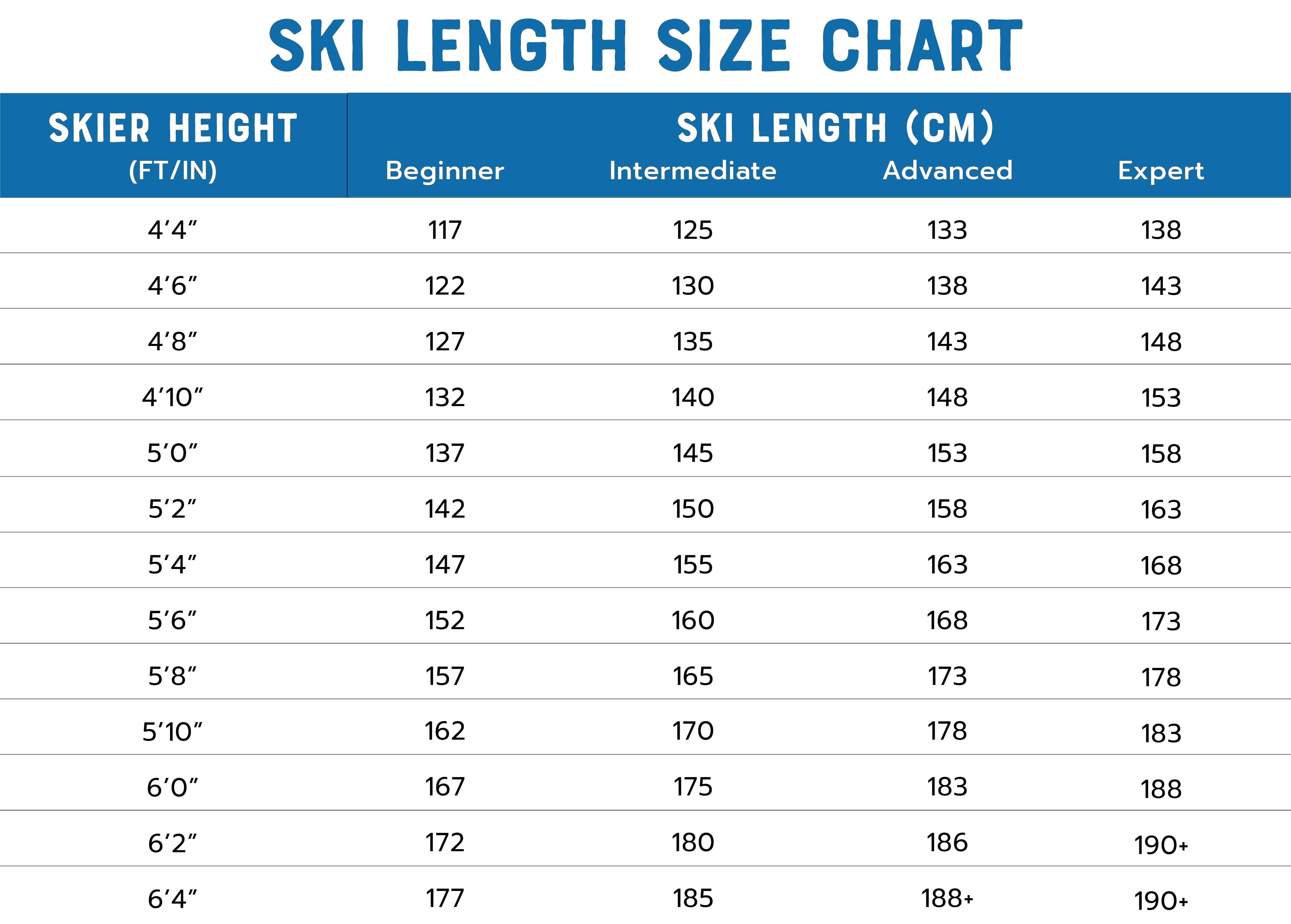
Many skiers, especially beginners, often assume that ski size is a one-size-fits-all affair, but that's not the case! A ski size chart is your go-to tool for finding the perfect ski length for your needs. It's a simple yet effective reference, offering a clear guide to help you choose the right skis.
While it may seem straightforward, there are a few variables to consider. These charts can vary slightly depending on factors like your skill level and the type of skiing you enjoy. So, it's a good idea to explore the different charts and guides available to ensure you get the most accurate recommendation.
Ski Size Chart: Your Practical Guide
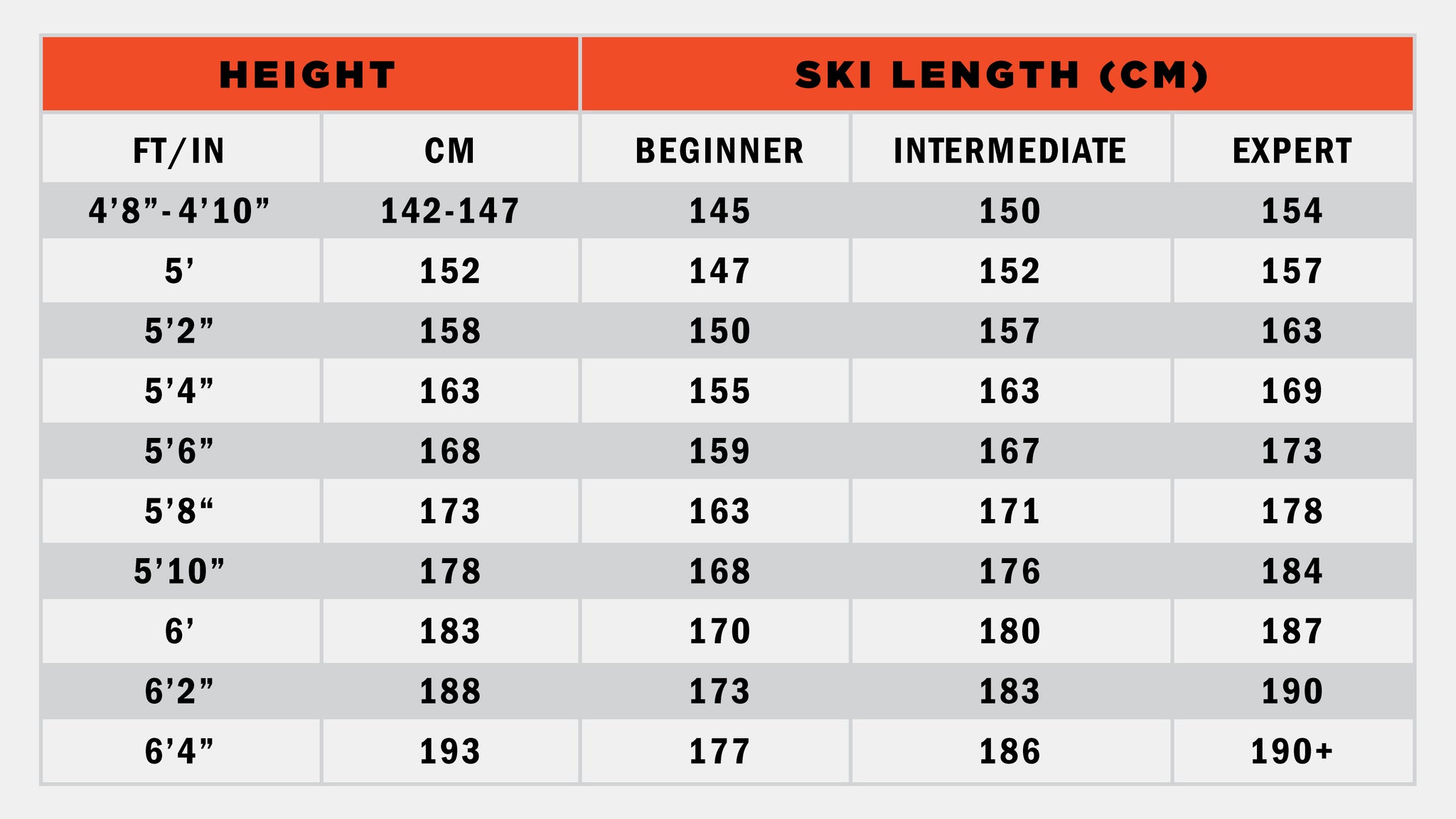
A ski size chart is a handy tool that simplifies the process of choosing the right ski length for your needs. It's a reference guide that considers your height, weight, and skill level to recommend an appropriate ski size. Using a ski size chart is an easy way to ensure you get skis that are comfortable and suitable for your abilities.
Key Details: Understanding the Basics
The chart typically provides recommendations for ski lengths based on your height and weight. It may also consider your skiing experience, with different categories for beginners, intermediates, and advanced skiers. The units used are usually in centimeters (cm) for ski length and metric measurements for height and weight. It's important to note that these charts are general guides and may vary slightly depending on the specific ski brand or model you're interested in.
Reading the Chart: A Step-by-Step Guide
- Start by finding your height on the chart. This is usually the primary factor considered.
- Look for the recommended ski length range corresponding to your height. This range often has a minimum and maximum length, giving you some flexibility.
- Consider your weight and skill level. The chart might have different recommendations for lighter or heavier individuals, and separate guidance for beginners versus more experienced skiers.
- Choose a ski length within the recommended range that aligns with your preferences and the type of skiing you enjoy. If you're a beginner, you might opt for the shorter end of the range for better control. Advanced skiers might lean towards the longer end for more speed and stability.
Variations and Differences: Why They Matter
Ski size charts can vary slightly between different brands and models. This is because skis are designed with specific purposes in mind, such as racing, freestyle, or all-mountain skiing. These variations ensure that the ski's performance matches your intended use. Additionally, some charts might offer more detailed recommendations based on your skiing style or the terrain you typically ski on. It's always a good idea to check the manufacturer's specific guidelines for their ski size recommendations.
Common Mistakes and How to Avoid Them
One of the most common mistakes is relying solely on your height to determine ski length. While height is a key factor, it's not the only one. Your weight and skill level also play a role. Another pitfall is ignoring the recommended ranges and opting for skis that are too long or too short. This can affect your control and overall skiing experience. Always aim for a ski length within the recommended range for your height, weight, and skill level.
Practical Tips for Accurate Results
If you're still unsure about which ski length to choose, consider renting a few different sizes to try them out on the slopes. This hands-on approach can help you understand how different lengths feel and perform. Additionally, consulting with a ski shop expert can provide valuable insights tailored to your needs. They can guide you through the process and offer recommendations based on your preferences and skiing goals.
Double-Checking and Handling Exceptions
While ski size charts are a great starting point, it's important to remember that they are general guidelines. If you have specific requirements or preferences, it's always a good idea to double-check with the manufacturer's specifications or consult an expert. For instance, if you have a unique body type or ski in a very specialized discipline, you might need to adjust the recommended ski length accordingly. Always ensure you're comfortable with your ski choice and that it aligns with your skiing aspirations.
Well, that's all for now on this ski size chart guide. We've covered a lot of ground, and I hope it's given you a clear idea of how to approach this topic. Remember, it's always a good idea to check the specific requirements and standards for your ski gear, as exact values can vary.
Don't forget to double-check the fine print and ensure you're getting the right size for your needs. With that in mind, feel free to explore our other guides and resources. We've got plenty of practical tips and tricks to share, so keep learning and stay tuned!