






Bathroom Remodeling Contractor Sheet Overview
House addition contractors can be a real lifesaver when you need some extra space in your home. Whether you're looking to expand your family or just need a dedicated home office, these pros can help make it happen. But before you dive in, it's good to know what you're getting into and how to find the right people for the job.
What Do House Addition Contractors Do?
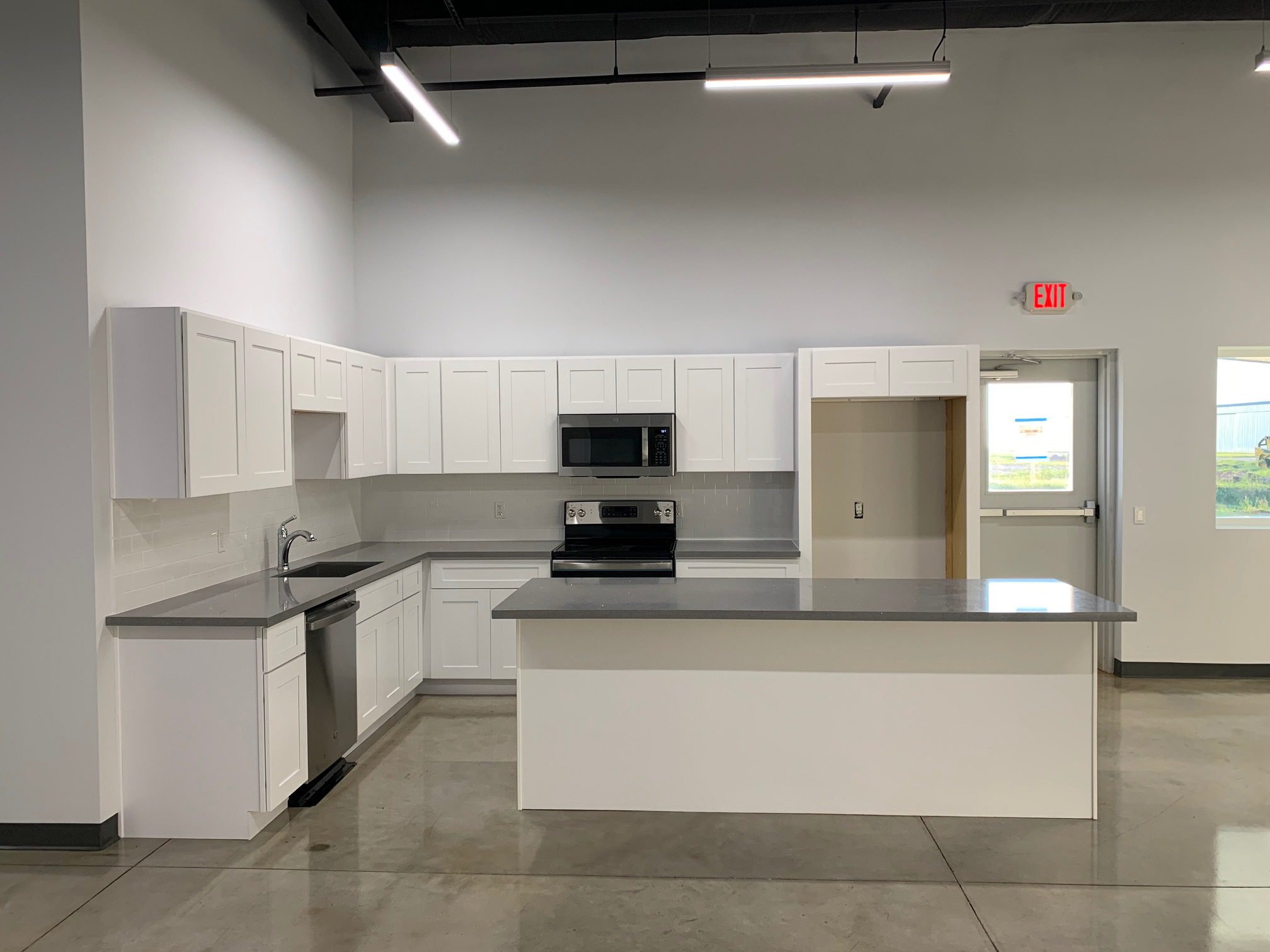
House addition contractors are the experts you call when you want to add a new room, bump out a wall, or even build a whole new floor on your house. They handle the entire process, from planning and permits to construction and finishing. These pros will work with you to design the addition, ensuring it fits your needs and the style of your home. They'll then manage the build, coordinating the various tradespeople and keeping the project on track.
Finding and Hiring the Right Contractor
When it comes to hiring a house addition contractor, it's important to do your research. Check out their past projects and read reviews to get a sense of their work. You'll want to ask about their experience with similar projects and ensure they're licensed and insured. Get quotes from a few contractors to compare prices and services. A good quote will include a detailed breakdown of costs, the timeline, and any potential issues or challenges.
Costs and Pricing
The cost of a house addition can vary widely depending on factors like the size and complexity of the project, the materials used, and local labor rates. It's a good idea to get several written quotes to compare. Remember, the cheapest quote might not always be the best value. Look for a contractor who offers a fair price and has a track record of delivering high-quality work.
Construction and Remodeling Companies
There are many construction and remodeling companies out there, from small, family-run businesses to large, established firms. The size of the company doesn't always determine the quality of their work. It's more about finding a company that suits your needs and budget. Larger companies might offer more services and have more resources, but smaller firms can often provide a more personalized experience.
Company Names and Branding
Naming a construction business can be fun, but it's important to choose a name that's memorable and reflects your company's values and services. It should be unique and easy to recognize. Some examples could be "Build-It-Right Contractors," "Home Expansion Specialists," or "Room for Growth." Before settling on a name, check its availability for local registration and domain names to ensure you can establish an online presence.
Jobs and Salaries in the Industry
The construction industry offers a range of roles, from general contractors and project managers to skilled tradespeople like carpenters, plumbers, and electricians. Salaries can vary depending on experience, qualifications, and the specific role. Many construction jobs are advertised through online job boards and local newspapers, but it's also worth checking with local trade associations and construction companies directly.
Industry Tools and Data
Construction professionals often use tools like RSMeans to estimate costs and plan projects. RSMeans provides cost data and resources to help contractors and estimators accurately price their work. It's a valuable tool for ensuring projects stay on budget. Cost databases like these are essential for the industry, providing up-to-date information on materials, labor, and other costs.
The Outlook for House Addition Contractors
The demand for house addition contractors can vary depending on the housing market and local trends. In areas with a growing population or a shortage of housing, these professionals are in high demand. It's always a good idea to check with local building departments to understand the market and any specific rules or regulations that might impact your project.
So, if you're thinking of adding some space to your home, house addition contractors are the way to go. With the right research and a bit of planning, you can find the perfect team to help bring your vision to life.
Related: General Contractor Houston Essential Guide
I was looking to get some home improvements done, and I kept seeing "general contractor Houston" pop up in my searches. So, I thought I'd share my findings and what I learned about finding the right person for the job.
What's a General Contractor?
A general contractor is a key player in the construction world. They're like the project manager, overseeing the whole show. From start to finish, they coordinate everything: the builders, the materials, the timing, and the budget. It's their job to make sure your project runs smoothly and stays on track.
So, why would you need one? Well, if you're planning a big home renovation or building project, a general contractor can be a real asset. They have the experience and connections to get the job done efficiently and to a high standard. They'll handle the logistics so you don't have to, and they'll make sure everything is up to code and safe.
Finding and Hiring a General Contractor
When it comes to hiring a general contractor Houston, there are a few things to consider. First, check their credentials and experience. Make sure they're licensed and insured, and ask about their past projects. You want someone with a proven track record and the right skills for your job.
Get quotes from a few different contractors. Compare their prices, but also look at what's included. Some might offer better value by including more services or higher-quality materials. Don't just go for the cheapest option; consider the overall package and what's best for your project.
Company Names and the Industry
Naming a construction business is an art. It needs to be memorable, professional, and reflect the company's values. Some great names I've seen are "BuildStrong", "Renovate Right", and "HomeCrafters". These names are catchy and give a clear idea of what the company does.
When choosing a name, make sure it's unique and available. Check local business registries and domain names to avoid any legal issues or confusion. It's also a good idea to keep it simple and easy to remember.
The Construction Industry and Jobs
The construction industry offers a range of roles, from estimators who calculate costs to project managers who oversee the entire process. These jobs can be found through specialist recruitment agencies or by checking job boards. It's a skilled industry, so expect to see requirements for qualifications and experience.
Data and Tools
In the construction world, tools like RSMeans are essential. RSMeans provides cost data and estimates, helping contractors and businesses plan and budget. It's a valuable resource, used by professionals to ensure accurate pricing and stay competitive.
Large vs. Small Firms
The construction industry has a mix of large and small firms. Larger companies often have more resources and can take on bigger projects, but they might not offer the same personal touch. Smaller firms might be more flexible and responsive, but may have limited capacity. It's a balance between scale and service.
Final Thoughts
Finding the right general contractor Houston is about more than just searching online. It's about doing your research, asking the right questions, and finding someone who understands your vision. With the right contractor, your project can be a success, so take the time to find the best fit.
Related: What Is a Specialty Contractor Essential Guide
"What is a specialty contractor?" I asked myself as I started planning my home renovation. It's a term I kept seeing, but I wasn't sure what it meant exactly. So, I did some digging and here's what I found out.
The Basics: Who Are These Specialists?
A specialty contractor is a pro who focuses on one specific trade or skill. Unlike a general contractor who oversees the whole project, these guys are the experts in their field. They might handle plumbing, electrical work, roofing, or even something more niche like pool installation or solar panel setup. It's all about having a deep knowledge of one area.
Why Does It Matter?
Well, if you're planning a project, knowing who to call can save you time and money. For example, let's say you need a new roof. You could hire a general contractor who will then subcontract the roofing work out to a specialist. But why not go straight to the source? A specialty contractor will likely be more efficient and offer better value. They're the masters of their craft and can often complete jobs faster and with fewer surprises.
Finding and Hiring a Specialist
When you're ready to hire, do your research. Get quotes from a few different companies and compare. Look for experience, references, and check their licensing and insurance. It's also a good idea to ask about their process and how they handle unexpected issues. Remember, the cheapest quote might not always be the best value. You want someone who understands your vision and can deliver high-quality work.
Company Names and Branding
If you're in the construction game and thinking of starting your own business, choosing a name is key. It should be memorable, unique, and reflect your specialty. Something like "Atlanta Electrical Experts" or "Helena's Roofing Masters" tells people exactly what you do. But don't forget to check name availability and secure your domain and local registration too.
Jobs and Industry Outlook
Specialty contractors often work for larger construction companies or are self-employed. The work can be varied and rewarding, and there's always demand for skilled tradespeople. If you're looking for a career change, consider training in a specialty trade. It's a stable industry with plenty of opportunities. You'll find jobs listed on construction-focused job boards and local classifieds.
Tools of the Trade
In the construction world, tools like RSMeans can be a big help. It's a cost database and estimating tool used by contractors and estimators to price projects accurately. It takes into account things like materials, labor, and escalation (changes in costs over time). Having access to reliable data like this can make a big difference when quoting for jobs.
Big vs. Small Firms
The construction industry has a mix of large and small firms. Big companies often have more resources and can take on larger projects, but smaller firms might offer more personalized service. It's a balance between scale and specialization. As a customer, it's worth considering what matters most to you and your project.
Final Thoughts
Understanding what is a specialty contractor can really help when planning a project. Knowing who to call and what to expect can make the process smoother. And if you're thinking of a career change, the construction industry offers a world of opportunities. So, whether you're a homeowner, a business owner, or considering a new path, specialty contractors are a key part of the picture.