

Beef Cuts Chart Editable Overview
You're here, searching for a tattoo size chart, probably to get a clear idea of what you want and how to communicate it effectively to your artist. It's a smart move, as these charts are a great way to visualize and understand tattoo sizes, especially when you're planning your next ink adventure. While the exact values may vary depending on the artist or region, the tattoo size chart provides a reliable starting point, offering a simple guide to standard tattoo dimensions.
Understanding the Tattoo Size Chart
The tattoo size chart is your go-to guide for figuring out the dimensions of different tattoo designs. It's like a roadmap, helping you navigate the world of tattoo sizes and understand what each measurement means. This chart is a handy tool, especially when you're planning your next tattoo and need to visualize how big or small it will be on your body.
Comparing Chart Formats and Standards
There are a few different ways to present a tattoo size chart, and the format can vary depending on the source. Some charts use a simple table with columns for size categories and corresponding measurements, while others might display a range of designs with their dimensions noted. The units of measurement can also differ; you'll often find charts using either imperial (inches) or metric (centimeters) systems. It's essential to know which standard is being used to ensure accurate readings.
Practical Size Suggestions and Measuring Tips
Using a tattoo size chart is straightforward, but there are a few steps to ensure you're getting the most accurate information. First, identify the category or design you're interested in. Then, locate the corresponding measurement. If the chart uses a range, you can decide on a specific size within that range based on your preferences. Remember, these charts often provide a general guide, so it's a good idea to discuss your desired size with your tattoo artist, who can offer expert advice and ensure the design fits perfectly on your body.
Common Misreadings and How to Avoid Them
It's easy to misinterpret a tattoo size chart, especially if you're not familiar with the standard being used. Always double-check the units of measurement to ensure you're reading the chart correctly. For instance, if you're used to thinking in inches but the chart uses centimeters, your interpretation of the size could be off. Additionally, some charts might not provide exact measurements but rather a range. In these cases, it's best to consult with a professional to get a precise idea of the tattoo's dimensions.
Hey there, we hope this tattoo size chart guide has given you a clear and simple overview of your options. Remember, the exact details may differ slightly, so always double-check your sources and measurements.
This is a handy reference to keep bookmarked for future ink adventures! Whether you're a tattoo enthusiast or just curious about the process, we've got more guides to explore. So, feel free to dive into our other content and keep learning.
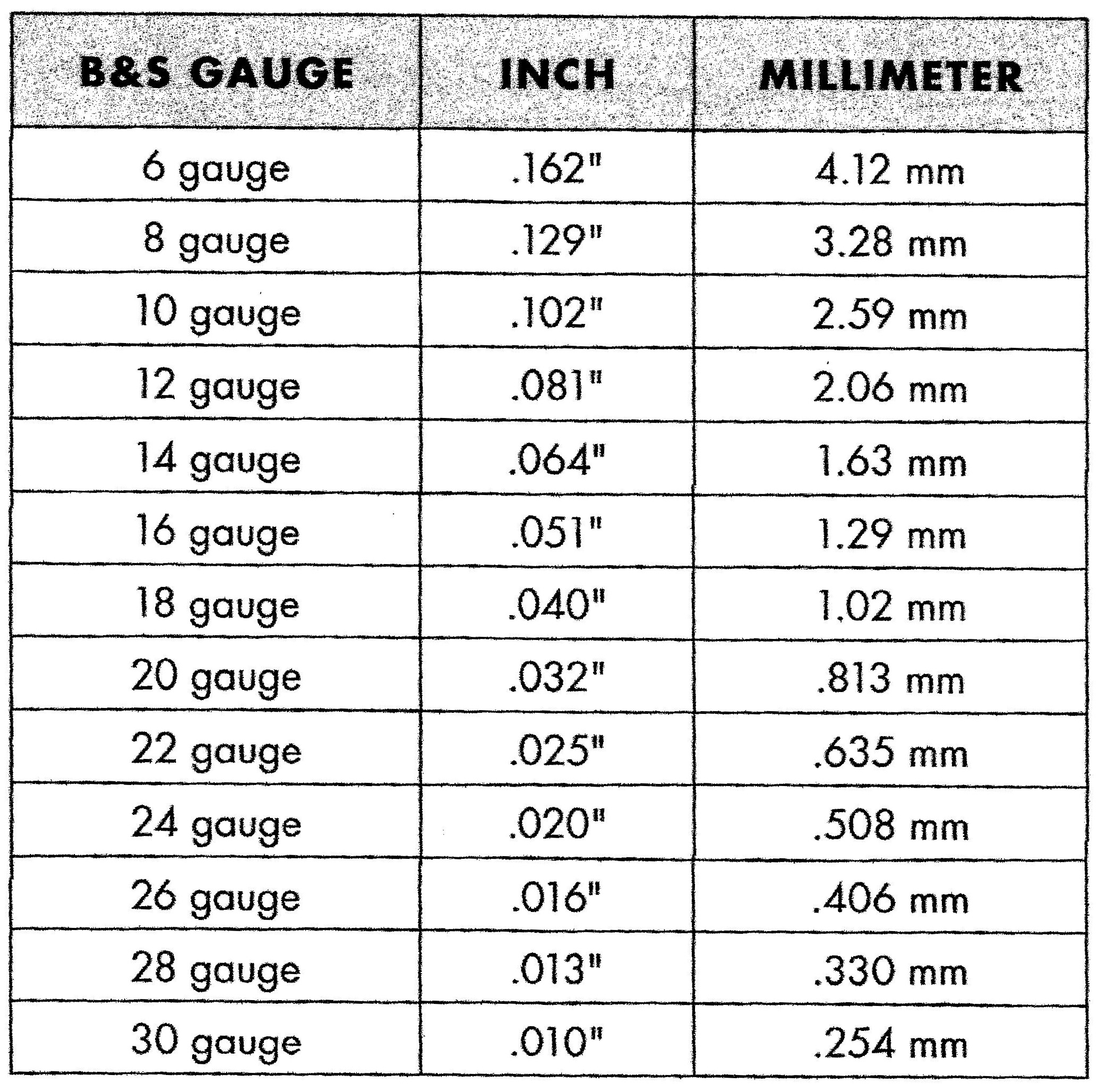
Related: Read Gauge Size Charts: A Simple Guide
A common mistake people make when using a gauge size chart is assuming all charts are the same. But, it's important to remember that these charts can vary depending on the context and the specific system being used.
So, whether you're dealing with needle gauge charts or pipe gauge charts, understanding the variations and reading the right chart accurately is key. While the values and formats may differ, the gauge size chart remains a reliable tool, offering a quick and easy reference for your projects.
Understanding the Gauge Size Chart
The gauge size chart is your practical guide to understanding the different sizes and measurements used for various objects and materials. It's like a roadmap that helps you navigate the world of gauges and ensures you choose the right size for your needs. This chart provides a standardized way to compare and select the appropriate gauge, whether you're dealing with needles, wires, jewelry, or pipes.
Comparing Gauge Standards and Formats
Gauge sizes can vary depending on the standard being used. There are different systems, such as the standard gauge system and metric gauge measurements, which have their own scales and ranges. For example, the needle gauge chart may use a different scale compared to the wire gauge sizes. It's essential to know which standard applies to your specific application to ensure accurate readings.
Reading the Table: A Step-by-Step Guide
When using a gauge size chart, follow these steps:
Identify the Type: Determine what you need the gauge for, such as needles, wires, or pipes. Each type may have a slightly different chart or scale.
Choose the Standard: Select the appropriate standard for your region or industry. Common standards include the US system and international metric measurements.
Locate the Size: Find the size you require on the chart. The chart will typically have a column or row dedicated to the gauge sizes, with corresponding measurements.
Convert if Needed: If your chart uses a different standard than your application, you may need to convert the size. For instance, converting between jewelry gauge sizes and metric gauge measurements might be necessary.
Common Misreadings and How to Avoid Them
Misinterpreting a gauge size chart can lead to mistakes. Here are some tips to avoid common pitfalls:
Always double-check the standard being used. Different industries or regions may have unique specifications.
Pay attention to the units. Gauge charts may use various units, such as inches or millimeters, so ensure you're reading the correct column or row.
Be aware of tolerances. Some gauges have specific tolerances, and the chart might not cover every possible variation. Check the exact specifications if needed.
Avoid assuming. Don't make assumptions about gauge sizes, especially when dealing with specialized applications. Always refer to the chart for accurate information.
Remember, the gauge size chart is a valuable tool, but it's essential to use it correctly to ensure precision and avoid errors.
Hey there! We've covered a lot of ground with this gauge size chart, giving you the lowdown on the different options and how to use them effectively. Remember, the exact details might shift a bit depending on your specific needs and the standards you're working with.
Don't stress, though; we've got you covered with a range of other guides and resources to explore. Why not check out some of our other practical posts and discover more handy tips and tricks? It's a great way to stay informed and ensure you're always using the right tools for the job. Happy reading, and keep those projects on track!
Related: What's the deal with steak cuts chart?
You've got your steak cuts chart at hand, ready to navigate the world of beef cuts with ease. This handy reference tool is a lifesaver for any cooking enthusiast, offering a quick glance at the various cuts and their unique characteristics. The steak cuts chart provides a simple visual guide, ensuring you choose the right cut for your culinary creation. While formats may vary, the essence remains the same: a practical tool to elevate your steak game.
A Practical Guide to Understanding the Steak Cuts Chart
The steak cuts chart is your go-to reference for all things steak-related. It's a visual guide that helps you navigate the world of steak cuts, making it easier to choose the perfect cut for your culinary adventures. This chart is a valuable tool for both beginners and experienced cooks.
Comparing Steak Cuts: Standard Sizes and Popular Variations
The steak cuts chart typically displays different cuts of beef, organized by their names and standard sizes. You'll find classic cuts like ribeye, sirloin, and tenderloin, each with its own unique characteristics. These charts often follow regional or industry standards, so you might see variations in measurements or names depending on where you are. For instance, a ribeye steak can range from 1 to 1.5 inches thick, but some charts may specify a slightly different thickness.
How to Use the Steak Cuts Chart: A Step-by-Step Guide
Start by identifying the type of steak you want to cook. The chart will provide a visual representation of each cut, making it easy to recognize.
Check the thickness or weight of the steak. This information is crucial for cooking times and methods. Most charts will give a standard range, but always double-check the exact specifications on the package or with your butcher.
Consider the fat content and marbling. Some charts will indicate the amount of fat, which can impact the flavor and juiciness of your steak.
Choose the right cut for your cooking method. Different cuts are better suited for grilling, pan-searing, or slow cooking. The chart can guide you on which cuts work best for your preferred cooking style.
Avoiding Missteps: Common Pitfalls and How to Avoid Them
While the steak cuts chart is a fantastic resource, it's essential to be aware of potential variations. Always remember that charts might not cover every single cut or variation. For instance, some specialty butchers may offer unique cuts with different names or sizes. Additionally, cooking times and methods can vary based on personal preference and the specific cut's thickness. It's always a good idea to consult multiple sources or ask your butcher for advice to ensure you're getting the best cut for your needs.
Well, that's a wrap on our steak cuts chart adventure! We've covered a lot of ground, from understanding the different cuts to learning how to use our handy guide. Now you're equipped with the knowledge to make informed choices and impress your steak-loving friends.
Remember, while this chart is a great tool, it's always wise to double-check the specifics for your region or personal preferences. Exact values might vary, so it's good to be aware of any local standards or your own unique requirements. Consider bookmarking this page for future steak adventures—it'll be a lifesaver when you need a quick refresh!