




Bell Curve Chart A4 Overview
A common misconception about pnc seating charts is that they are merely static diagrams, when in fact, these charts are powerful tools that offer a unique perspective and can greatly enhance your event experience. While it may seem straightforward, understanding the nuances of a seating chart is essential to making the most of your time at venues like the PNC Arena or PNC Music Pavilion. These charts provide a bird's-eye view, offering insights into the layout, views, and capacities, ensuring you find your perfect spot.
Understanding the PNC Seating Chart
The PNC seating chart is a visual representation of the seating layout for various venues, including the PNC Arena, PNC Park, and PNC Music Pavilion. It provides a clear and organized view of the seating options, helping attendees choose the best seats for their preferences and needs.
Key Details and Categories
The chart typically displays a bird's-eye view of the venue, with each section labeled and color-coded. Seat numbers are assigned sequentially, and the chart may also indicate the row and seat position within each section. It is essential to note that the specific layout and numbering system can vary depending on the venue and event.
How to Read and Apply the Seating Chart
To navigate the PNC seating chart, follow these steps:
- Identify the venue you are interested in. Different venues may have unique seating arrangements, so ensure you are referring to the correct chart.
- Locate the section you wish to explore. Sections are usually labeled with letters or numbers and may have a corresponding color code.
- Within each section, rows are typically labeled alphabetically or numerically. Find the row you prefer, considering factors like proximity to the stage or field.
- Each row has assigned seat numbers. Choose the seat number that suits your preference, keeping in mind that lower numbers are closer to the aisle.
- Consider any additional information provided, such as obstructed view seats or premium seating areas. These details can help you make an informed decision.
Variations and Differences
It is important to understand that PNC seating charts may vary across different venues and events. Here are some key factors that can cause variations:
- Venue size and shape: Larger venues may have more complex seating arrangements, while smaller venues might offer a more intimate experience.
- Event type: Concerts, sports events, and theatrical performances often have unique seating configurations to accommodate different stages or fields of play.
- Seating capacity: The overall seating capacity of a venue can influence the layout and availability of seats.
- Regional standards: Different regions may have their own seating chart conventions, so it is essential to be aware of any regional variations.
Common Mistakes and How to Avoid Them
When using a PNC seating chart, avoid these common pitfalls:
- Assuming all venues are identical: Each venue has its own unique layout, so always double-check the specific chart for the event you are attending.
- Ignoring seat numbers: Seat numbers are crucial for finding your assigned seat. Pay attention to the row and seat number to avoid confusion.
- Overlooking obstructed view seats: Some seats may have limited or obstructed views due to pillars, sound equipment, or other obstacles. Check the chart for any indications of these seats to avoid disappointment.
Practical Tips for Accurate Results
To ensure a smooth experience, consider these best practices:
- Research the venue: Familiarize yourself with the venue's layout and any unique features, such as balconies or standing-room-only sections.
- Check for recent updates: Seating charts may be updated periodically, especially for major renovations or changes. Ensure you are using the most recent version.
- Consider your preferences: Think about your personal preferences, such as proximity to the stage, sound quality, or comfort. Choose seats that align with your priorities.
- Seek recommendations: If you are unsure, seek advice from friends or online communities who have attended similar events at the venue. Their experiences can provide valuable insights.
Double-Checking and Handling Exceptions
While the PNC seating chart is a valuable tool, it is essential to be aware of potential exceptions and edge cases:
- Venue-specific variations: Some venues may have unique seating configurations or seating categories not typically found in other venues. Always refer to the specific chart for accurate information.
- Seat availability: Seat availability can change rapidly, especially for popular events. Check the availability of your preferred seats regularly to avoid missing out.
- Accessibility needs: If you have specific accessibility requirements, contact the venue or event organizers to ensure they can accommodate your needs. They may have designated accessible seating areas or provide alternative arrangements.
Hey there, reader! I hope this PNC seating chart guide has been a helpful resource for you. Remember, while the basics remain consistent, exact details can indeed vary slightly based on the specific context and the source you're referring to. So, keep an eye out for those nuances!
Feel free to explore our other guides and resources on the site. We've got a range of practical, no-nonsense content to help you navigate various topics. Happy reading, and here's to finding the perfect seat for your next event!
Related: Dansko Size Chart: A Quick Reference Guide
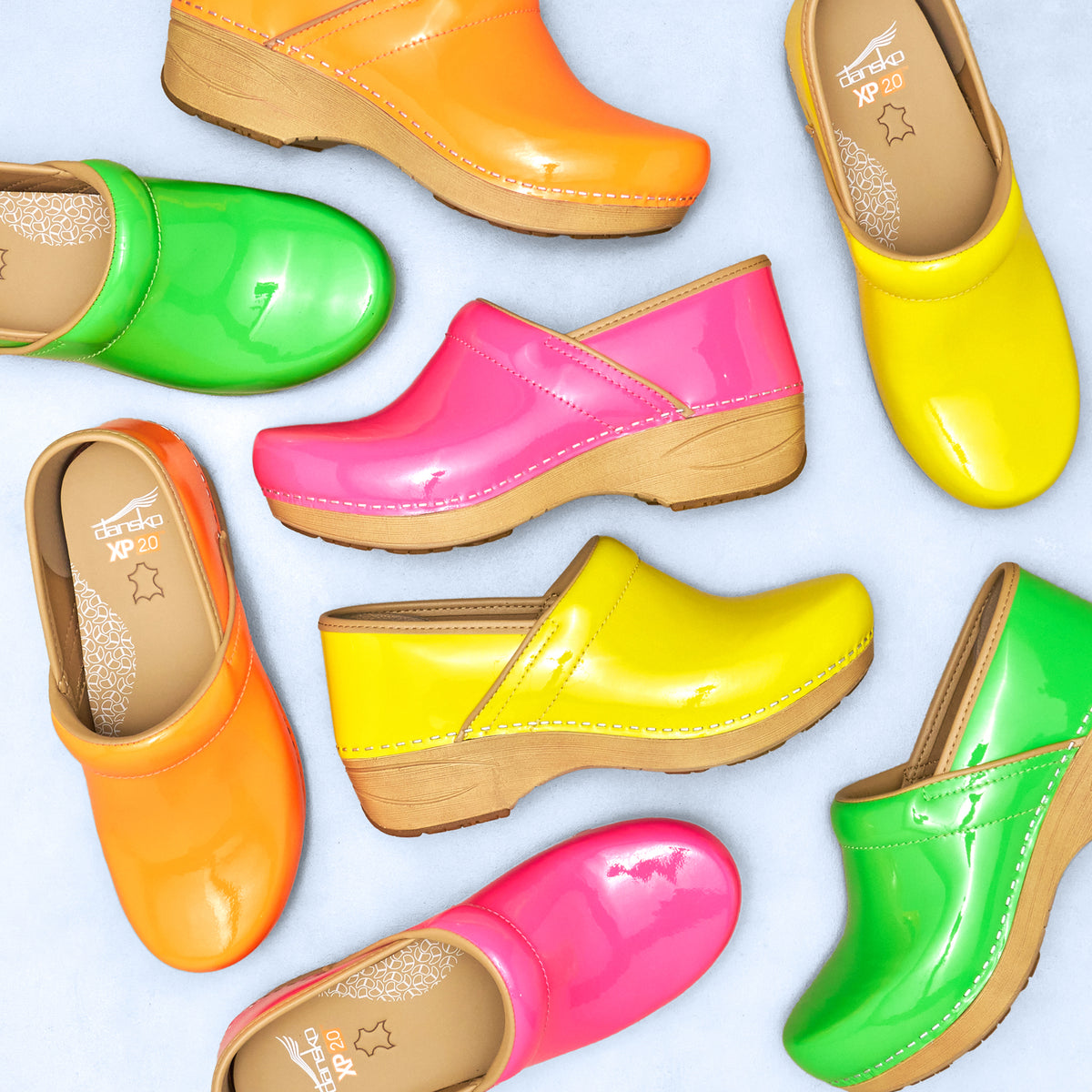
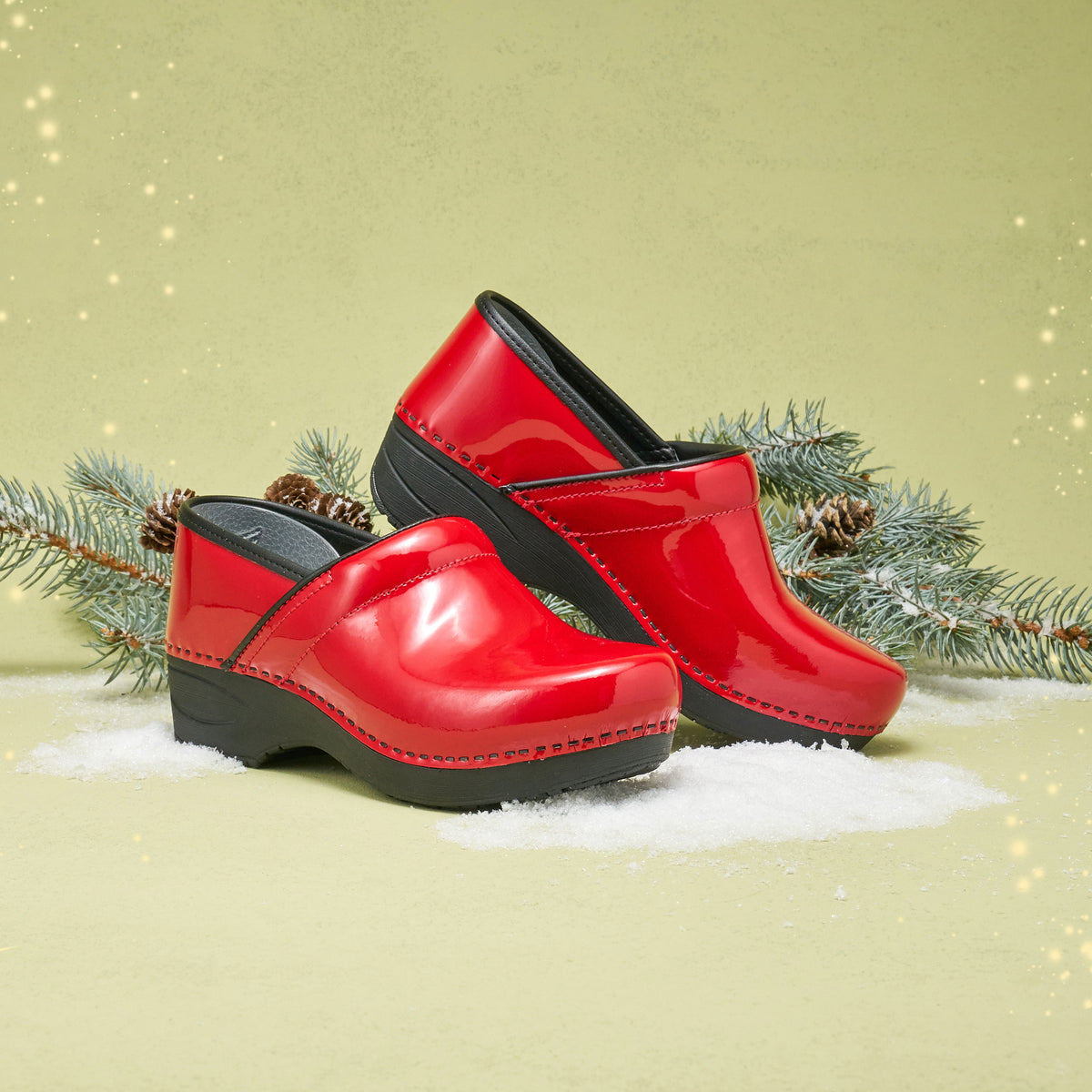
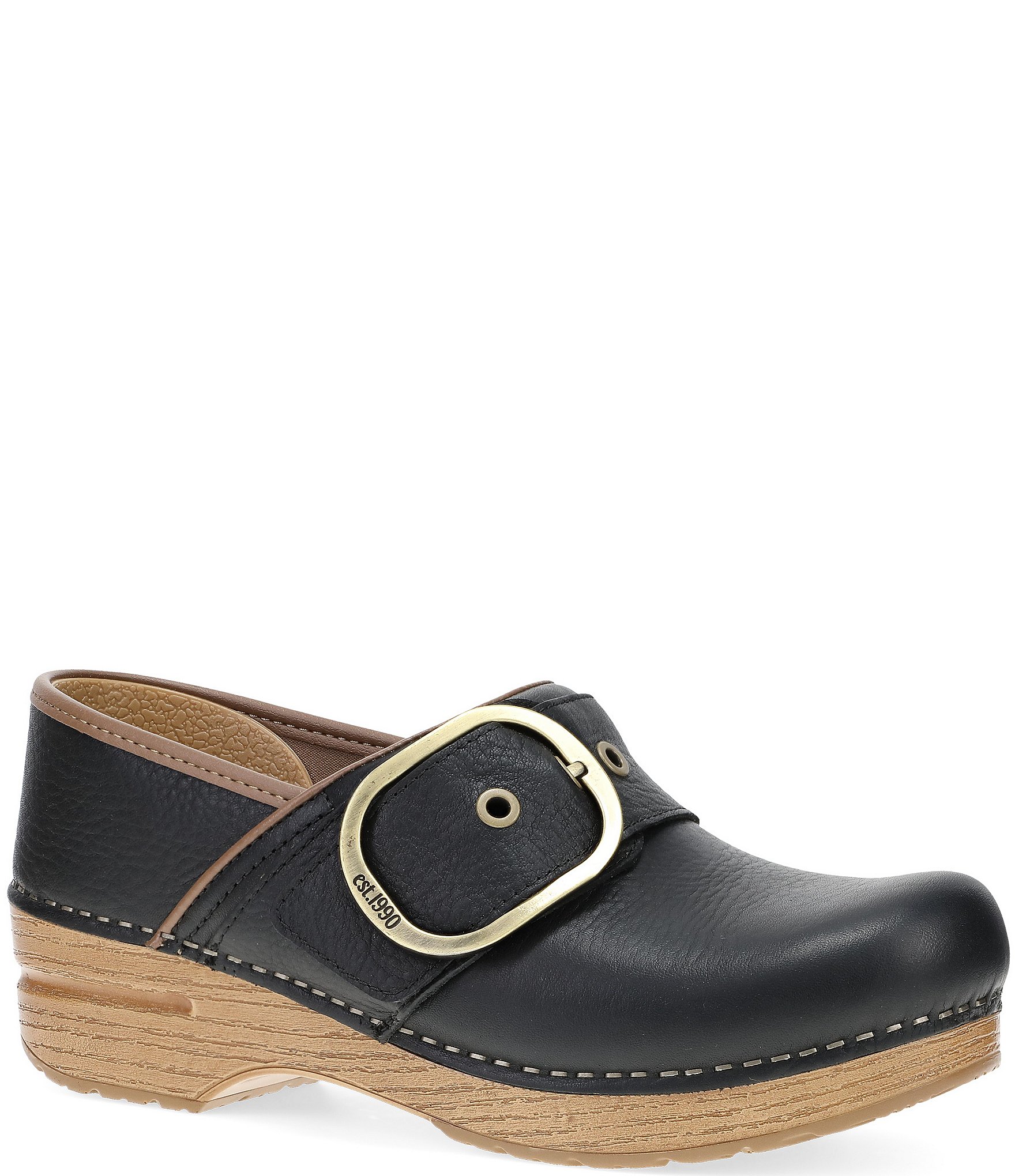
Many people struggle with the initial step of understanding shoe size charts, often assuming they are a universal guide. However, it's important to note that Dansko's size chart, like many others, is specific to their brand and may differ from other shoe brands. This chart serves as a crucial tool to ensure a perfect fit, so let's clarify how to navigate it effectively. Size charts can vary, and Dansko's is no exception, offering a range of measurements and conversions to cater to different needs.
Dansko Shoe Size Chart: A Practical Guide
The Dansko size chart is an essential tool for anyone looking to purchase their perfect pair of Dansko shoes. It provides a clear and concise reference to help you find your ideal size, ensuring a comfortable and well-fitted shoe. This guide will walk you through the chart, its key details, and how to use it effectively.
Key Details and Categories
The Dansko size chart is designed to cater to both men and women, offering a comprehensive range of sizes. It typically displays shoe sizes in US measurements, with a clear indication of the corresponding European sizes for easy conversion. The chart provides length measurements in centimeters and inches, allowing for precise comparisons. Additionally, it may include width categories, such as narrow, medium, and wide, to ensure an accurate fit for different foot shapes.
Understanding and Reading the Chart
Using the Dansko size chart is straightforward. Here's a step-by-step guide:
Measure your foot length: Use a ruler or a measuring tape to determine the length of your foot in centimeters or inches. Ensure you measure from the heel to the longest toe for an accurate reading.
Locate your size: Find your foot length on the chart and identify the corresponding Dansko shoe size. The chart will typically have a clear indication of the size range it covers, making it easy to locate your ideal size.
Consider width: If the chart includes width categories, take note of your foot's width. This step is crucial for a comfortable fit, especially if you have wider or narrower feet.
Convert if needed: If you are more familiar with European sizes, the chart will provide a clear conversion guide, ensuring you choose the correct size.
Variations and Differences
It's important to note that shoe size charts can vary slightly between brands and manufacturers. Dansko size charts are designed to provide a consistent fit, but individual foot shapes and preferences may require some adjustments. Additionally, regional differences in sizing standards can impact the chart's accuracy. Always refer to the specific Dansko size chart for the most accurate information.
Common Mistakes and How to Avoid Them
One common mistake is assuming that all shoe brands have the same sizing standards. While Dansko size charts are reliable, it's essential to double-check the brand's specific size guide. Another pitfall is neglecting to measure both feet, as slight differences can occur. Always measure both feet and choose the size that corresponds to the larger foot.
Tips for a Perfect Fit
To ensure an accurate and comfortable fit, consider these practical tips:
Take your time and measure your feet accurately. A slight miscalculation can lead to an ill-fitting shoe.
If you are between sizes, it's generally recommended to size up for a more comfortable fit, especially if you plan to wear thick socks.
Pay attention to the width category, as a narrow or wide foot may require a specific fit.
Consider the type of shoe and its intended use. Some Dansko styles may have slightly different fits, so choosing the right style for your activities is crucial.
Double-Checking and Edge Cases
While the Dansko size chart is a reliable guide, it's always a good idea to double-check your measurements and the specific shoe style's sizing details. If you have unique foot characteristics, such as a high arch or wide toes, you may need to consult a specialist or try the shoes on in-store to ensure a perfect fit.
The Dansko size chart is a valuable tool, offering a straightforward and accurate way to find your ideal shoe size. By following this guide and considering individual foot characteristics, you can ensure a comfortable and well-fitted Dansko shoe experience.
Well, there you have it! A comprehensive guide to understanding the Dansko size chart and its applications. Remember, when it comes to sizing, it's always a good idea to refer back to your specific needs and preferences. Dansko's size chart provides a great starting point, but exact values can vary, so it's wise to double-check and ensure a perfect fit.
Feel free to explore our other resources and guides; we have a range of practical tips and insights to offer, all designed to make your shopping experience smoother and more informed. Happy browsing!
Related: Need a T-Shirt Size Chart? Find Your Perfect Fit!
You're probably here because you need a quick answer, right? Maybe you're trying on a new T-shirt and it's a bit of a mystery whether it fits or not. Well, fear not! A T-shirt size chart is your handy guide to cracking this code. It's a simple tool that helps you find your perfect fit, and it's especially useful when shopping online or trying out a new brand. These charts can vary slightly, but they usually give you a clear idea of measurements and sizes, often with a T-shirt sizing guide and a clothing size chart to refer to.
Understanding the Chart: A Quick Overview
The t-shirt size chart is your practical guide to finding the perfect fit. It's a reference tool that simplifies the process of choosing the right size, ensuring comfort and style. This chart provides a standardized way to measure and categorize t-shirts, making online shopping or in-store browsing a breeze.
Comparing Standards and Formats
T-shirt size charts can vary depending on the region and manufacturer. The most common standards are the US sizing system and the international metric system. US sizes often use alphabetical letters (e.g., S, M, L) with numerical values for specific measurements. International sizes, on the other hand, typically use numerical values for height and weight ranges. It's essential to know which standard you're dealing with to ensure accurate sizing.
Measuring for Accuracy: A Step-by-Step Guide
To use a t-shirt size chart accurately, follow these simple steps:
- Gather your measuring tools: a flexible tape measure and a notepad.
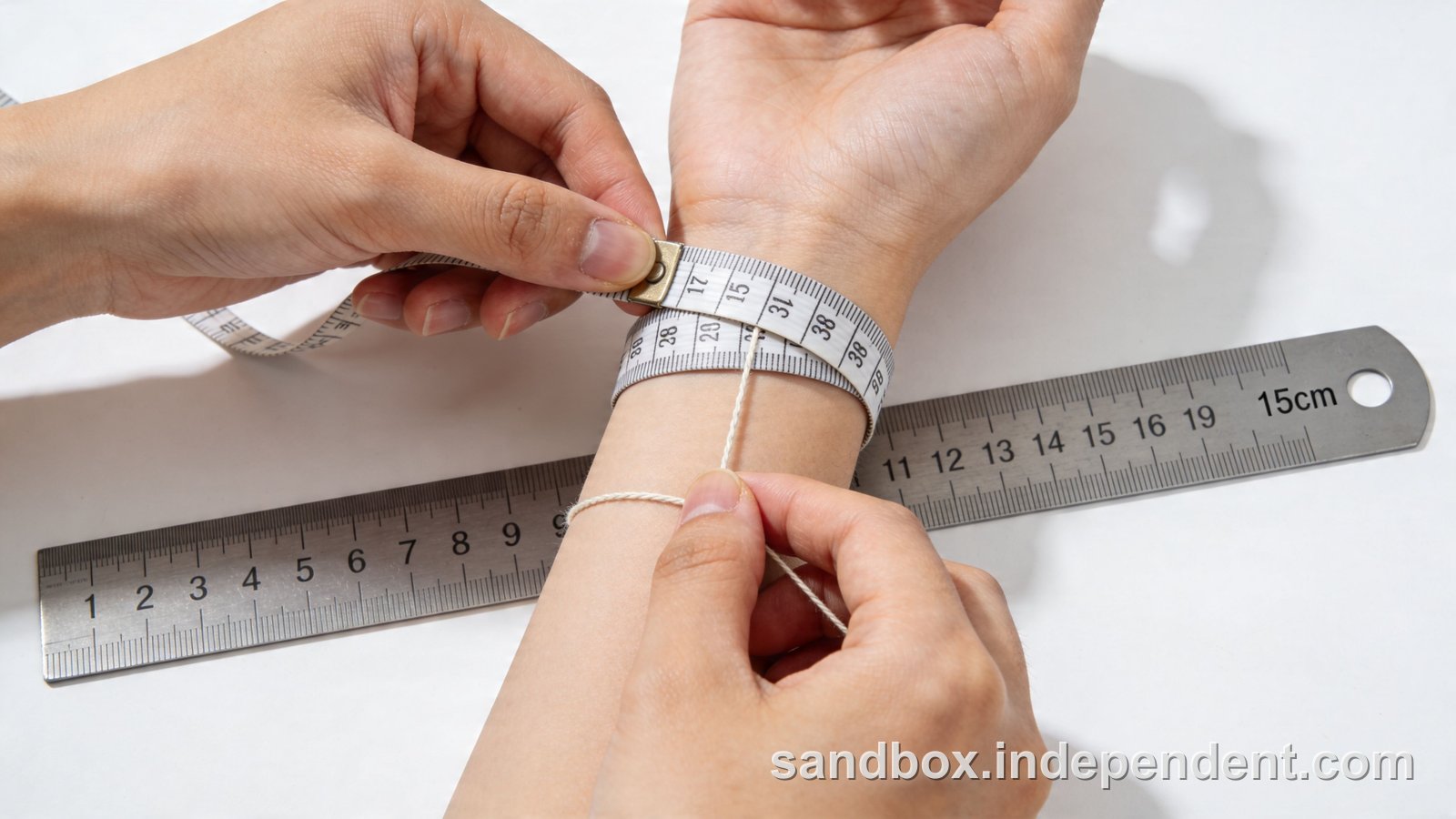
- Measure your body: Take accurate measurements of your chest, waist, and height. For chest and waist, wrap the tape measure around the fullest part of your body. For height, stand straight and measure from the top of your head to the floor.
- Refer to the chart: Locate your measurements on the chart. Match your chest and waist measurements to the corresponding size categories. If your measurements fall between sizes, consider the fit you prefer: a looser or tighter look.
- Consider fabric and fit: Different fabrics and styles can affect the fit. Stretchier fabrics may require a smaller size, while structured fabrics might need a larger size. Always check the product description for any specific fitting notes.
- Double-check: If you're unsure, try comparing your measurements with a well-fitting t-shirt you already own. Place it flat and measure the width and length to get an idea of the ideal size.
Common Misreadings and How to Avoid Them
Misinterpreting a t-shirt size chart is easy, especially with varying standards. Here's how to avoid common mistakes:
- Don't assume: Always double-check the sizing standard. US and international sizes can differ significantly.
- Consider the fabric: The stretch and drape of the fabric can impact the fit. If the t-shirt is made of a stretchy material, it might fit differently than a structured fabric.
- Know your brand: Some brands have unique sizing systems. Check the brand's size guide or customer reviews for any specific sizing notes.
- Don't rely on vanity sizing: Some brands use vanity sizing, which means their sizes may not align with standard measurements. Always trust the measurements provided rather than the size label.
Key Factors Affecting Accuracy
Several factors can influence the accuracy of your t-shirt size chart readings:
Fabric type: As mentioned, different fabrics have varying levels of stretch and drape, which can affect the fit.
Brand variations: Each brand may have slight variations in their sizing, so always check their specific size guide.
Personal preference: Your desired fit can impact the size you choose. Do you prefer a loose, relaxed fit or a more tailored look?
International differences: Sizing can vary between countries and regions. Always check if the chart follows the US or international standard.
Body shape: Different body types may require adjustments. For example, a muscular build might need a different size than indicated by height and weight alone.
Adapting the Chart for Specific Needs
While t-shirt size charts provide a general guide, you may need to adapt them for specific situations:
- Layering: If you plan to wear the t-shirt as a base layer, consider going for a size up to accommodate additional clothing.
- Style variations: Different t-shirt styles, like slim-fit or oversized, may require adjustments. Check the product description for any fitting recommendations.
- Custom sizing: Some brands offer custom sizing options, allowing you to input your exact measurements for a perfect fit.
- Pregnancy or weight fluctuations: During these periods, your body shape may change, requiring temporary adjustments to your usual size.
Remember, the t-shirt size chart is a helpful tool, but it's not an exact science. Always consider your personal preferences and the specific characteristics of the t-shirt you're buying. With these tips, you'll be a pro at finding the perfect fit!
Hey there! I hope this guide has been helpful in navigating the world of T-shirt size charts. Remember, while the basics remain the same, there can be slight variations in measurements and standards. It's always a good idea to double-check and ensure you're referring to the right chart for your needs.
Feel free to bookmark this page for future reference, and don't hesitate to explore other guides on related topics. We've got you covered!