

Bell Curve Chart Black And White Overview
The Azazie size chart is a handy tool for anyone navigating the world of online clothing purchases, especially when it comes to formalwear. This guide aims to demystify the process, ensuring you understand how to use this chart effectively. Whether you're shopping for an Azazie dress or any other formal attire, having a clear grasp of size charts is essential. While size charts can vary slightly depending on the brand and region, the Azazie size chart is a reliable reference, offering a standardized approach to finding your perfect fit.
Understanding the Azazie Size Chart: A Quick Overview
The Azazie size chart is a valuable tool for anyone looking to order clothing, particularly dresses, from the Azazie brand. This chart provides a standardized guide to help you find your perfect fit, ensuring a comfortable and flattering silhouette. It is designed to simplify the sizing process and make online shopping a breeze.
Comparing Size Chart Standards and Formats
Size charts can vary depending on the brand and region. Azazie, being a popular bridal and formal wear brand, follows a specific sizing system. Their chart typically includes measurements for bust, waist, and hips, as well as dress length and sleeve options. It is essential to note that Azazie's size chart is based on standard US sizing, so if you are used to international sizing, you may need to refer to a size conversion chart to find your equivalent Azazie size.
Step-by-Step Guide to Using the Azazie Size Chart
Measuring yourself accurately is crucial when using any size chart. Here's a simple process to follow:
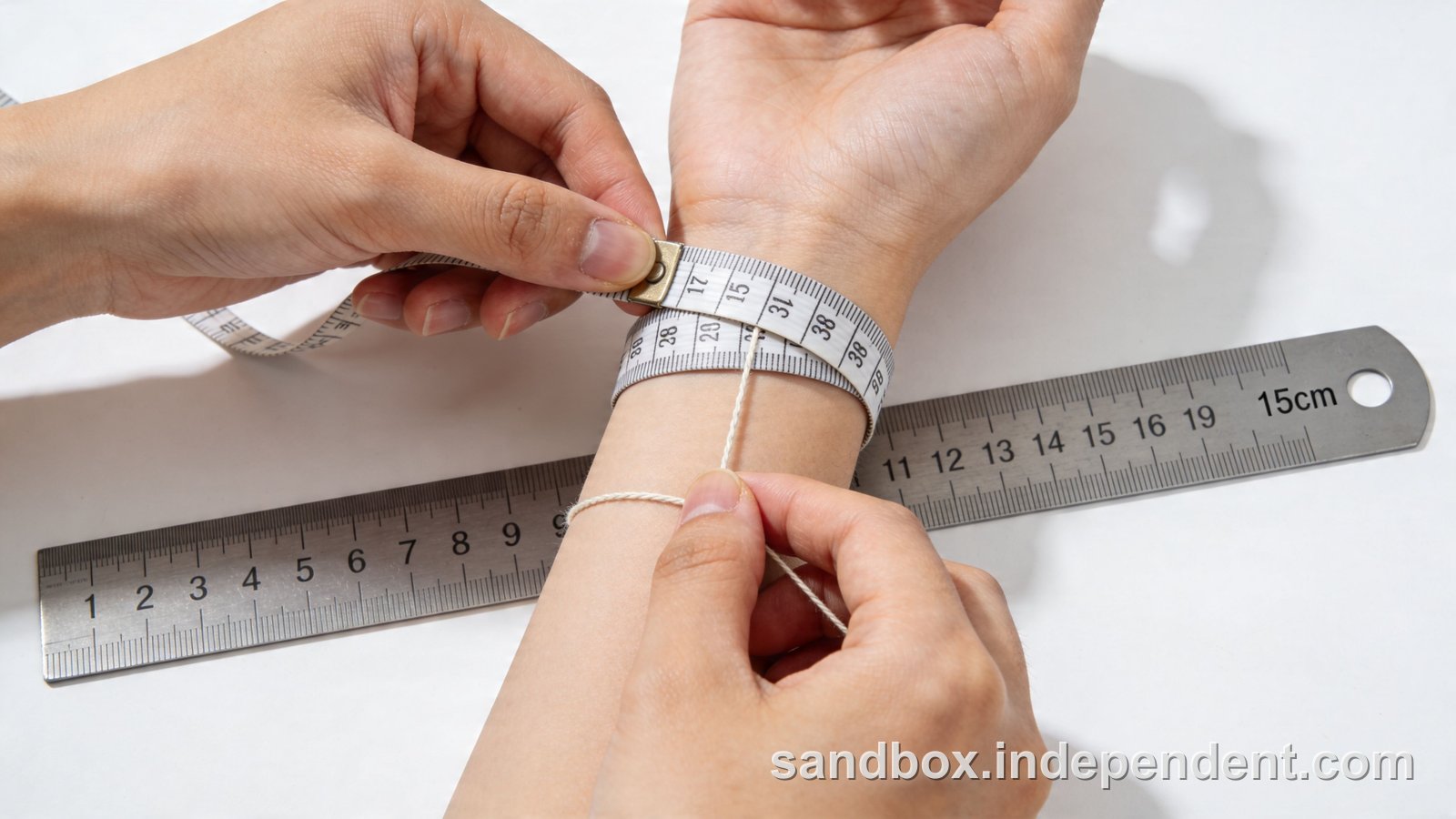
- Gather a flexible measuring tape and ensure it is calibrated to inches or centimeters, depending on the chart's units.
- Take your measurements: bust, waist, and hips. Stand upright and breathe normally while measuring.
- Compare your measurements to the Azazie size chart. Look for the size that aligns closest to your bust, waist, and hip measurements.
- Consider the dress style and any specific fit preferences you have. Azazie offers various silhouettes, so choose the size that best suits the style you desire.
- If your measurements fall between sizes, it's recommended to size up for a more comfortable fit, especially for formal wear.
- Take note of any additional measurements, such as dress length or sleeve length, and ensure they match your preferences.
Avoiding Common Misreadings and Pitfalls
It is easy to misinterpret size charts, especially if you are new to online shopping. Here are some tips to avoid common mistakes:
- Always double-check the units of measurement. Azazie's size chart may use inches, so ensure your tape measure is set to the correct unit.
- Be precise with your measurements. Take your time and measure multiple times to ensure accuracy.
- Understand that size charts provide a general guide. Your body shape and preferences may require some adjustments.
- If you are between sizes, opt for the larger size to avoid discomfort. You can always have alterations made to achieve the perfect fit.
- Don't forget to consider the fabric and stretchability of the garment. Some materials offer more give, so account for this when choosing your size.
Factors Affecting Accuracy and Real-World Use
Several factors can influence the accuracy of your size chart reading:
- Body shape: The size chart is a general guide, and everyone's body is unique. Consider your body shape and any areas you want to emphasize or accommodate.
- Fit preference: Do you prefer a snug fit or a more relaxed look? Adjust your size choice accordingly.
- Fabric and style: Different fabrics and dress styles can affect the fit. For instance, a structured dress may require a more precise size choice compared to a flowy, flexible fabric.
- Alterations: Keep in mind that most formal wear can be altered to achieve a perfect fit. Don't be afraid to choose a size that aligns with your measurements and make any necessary adjustments.
Choosing the Right Size Chart Format for Your Needs
Azazie offers various size charts to cater to different needs:
- Standard size chart: This is the primary chart, covering a range of sizes and providing measurements for bust, waist, hips, and dress length.
- Plus size chart: A dedicated chart for extended sizes, ensuring a comfortable fit for all body types.
- Bridal size chart: A specialized chart for bridal wear, taking into account the unique fit requirements of wedding dresses.
- Women's size guide: A comprehensive guide offering additional tips and advice for finding the perfect fit.
Keeping Your Reference Reliable for Future Use
To ensure a consistent and reliable sizing experience:
- Save your measurements in a safe place. This way, you can quickly refer to them when ordering from Azazie again.
- Take note of any adjustments or alterations you made to your previous purchases. This information will be valuable for future orders.
- Stay updated with Azazie's sizing guidelines. Brands may update their charts over time, so it's beneficial to check for any changes before placing an order.
- If you are unsure, reach out to Azazie's customer support. They can provide further guidance and ensure you make an informed choice.
Well, there you have it! We've covered a lot of ground on Azazie's size chart, and I hope this guide has provided you with the clarity and confidence to navigate it effectively.
Remember, while this chart is a fantastic tool, every individual is unique, and your specific measurements and preferences may vary. So, take a moment to ensure you've considered all the factors that apply to your situation before making any decisions. Bookmark this page for future reference, and you'll always have a handy reminder of the key steps and considerations. Happy measuring, and until next time!
Related: Flute Notes Chart: A Simple Guide
You're here, perhaps with your flute in hand, seeking a simple, reliable guide to navigate the world of flute notes. A flute notes chart is your trusted companion, offering a clear and concise visual representation of the notes you can produce. This chart, a valuable tool for musicians, presents the standard flute note range and beyond, with details that can vary depending on your instrument and playing style. It's a quick reference, ensuring you stay on track and play with precision.
The Flute Notes Chart: A Visual Guide
The flute notes chart is a valuable tool for flute players, offering a visual representation of the notes produced by the instrument. It provides a quick reference for understanding the relationship between finger positions and the corresponding musical notes. This chart is an essential guide for beginners and experienced flutists alike.
Key Details and Prerequisites
Before delving into the chart, it's important to understand some basic concepts. The flute notes chart typically displays the standard flute note range, which covers the notes from the lowest to the highest pitch achievable on a flute. It uses a combination of finger positions, or flute fingering, to represent different notes. The chart often includes common flute scales and note names, providing a comprehensive overview.
Understanding and Reading the Chart: A Step-by-Step Guide
The flute notes chart usually features a grid-like structure, with finger positions represented horizontally and note names or pitches vertically. Each intersection represents a specific note.
Locate the starting point, which is often marked as "C" or "Do." This is the reference point for all other notes. From there, you can identify the finger positions required to play each note.
Pay attention to the alternate fingerings indicated on the chart. These are alternative ways to produce the same note, offering options for players to adjust their technique or achieve a desired sound.
Practice reading the chart by identifying a specific note and finding its corresponding finger position. Then, try playing that note on your flute to reinforce the connection between the visual representation and the actual sound.
As you become more familiar with the chart, you can use it to explore different scales and musical phrases. The chart serves as a roadmap, guiding you through the finger positions needed to play various melodies.
Variations and Differences: Factors to Consider
While the flute notes chart provides a standardized reference, variations can occur due to several factors:
Standard flute note range can differ slightly between different flute models or types. Always check the specific range for your flute.
The chart may not account for all possible fingerings or techniques. Some advanced players might discover unique fingerings not commonly used.
Pitch chart accuracy can be influenced by factors like flute quality, player technique, and environmental conditions.
Different regions or manufacturers might use slightly different standards for note frequencies or labels.
The chart is a guide, but practical exercises and experience are essential for mastering the flute.
Remember, the flute notes chart is a valuable tool, but it's important to verify specific details and tolerances for your flute and playing style. With practice and familiarity, it becomes an indispensable reference for your musical journey.
Flute notes are a fascinating subject, and this chart is a great tool to have in your musical arsenal. Remember, while the fundamentals remain consistent, the exact details can vary slightly depending on the standard or context. So, if you're keen to explore more, our site offers a range of guides and resources to satisfy your curiosity. Dive into the world of music theory and discover the endless possibilities!
Related: Unraveling the DVC Points Chart: A Simple Guide
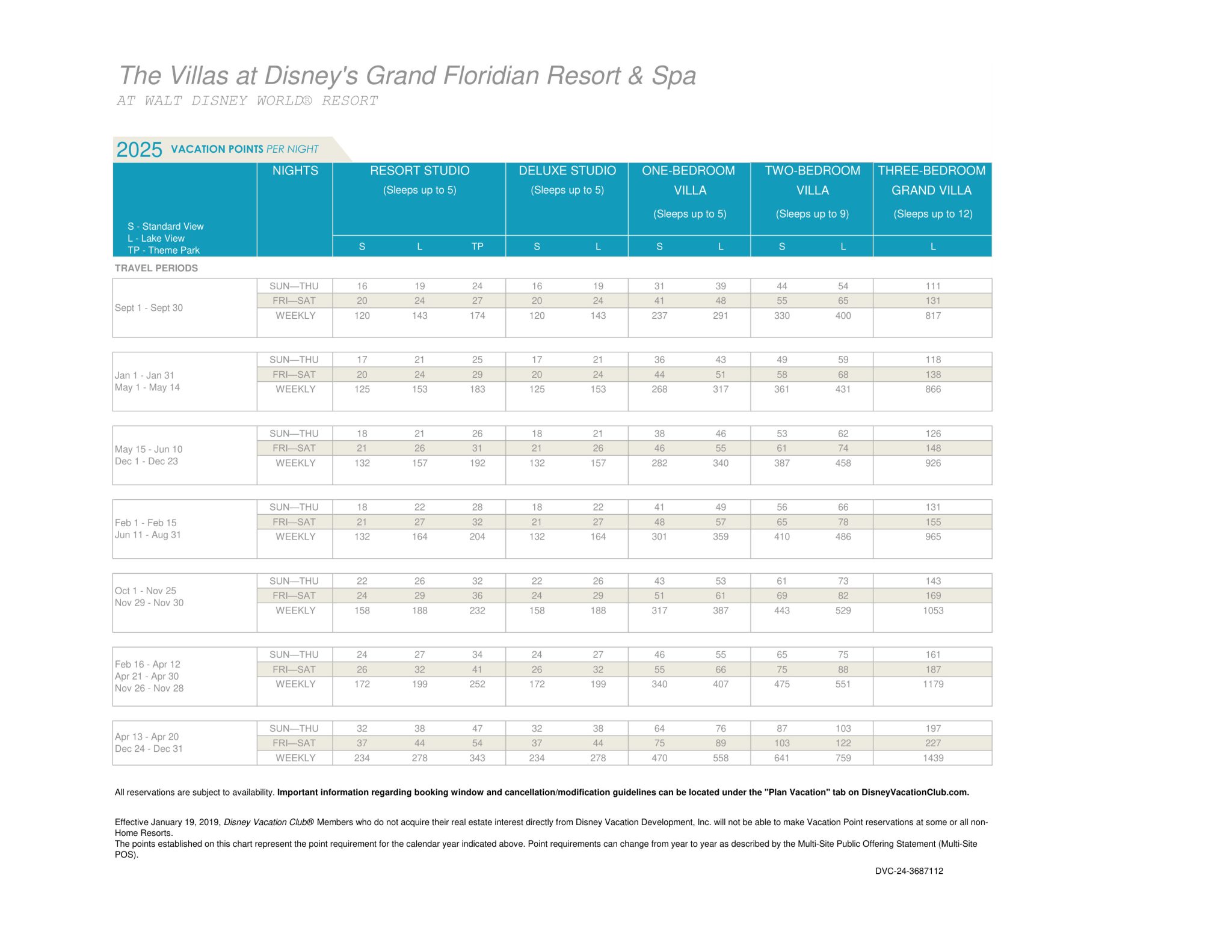
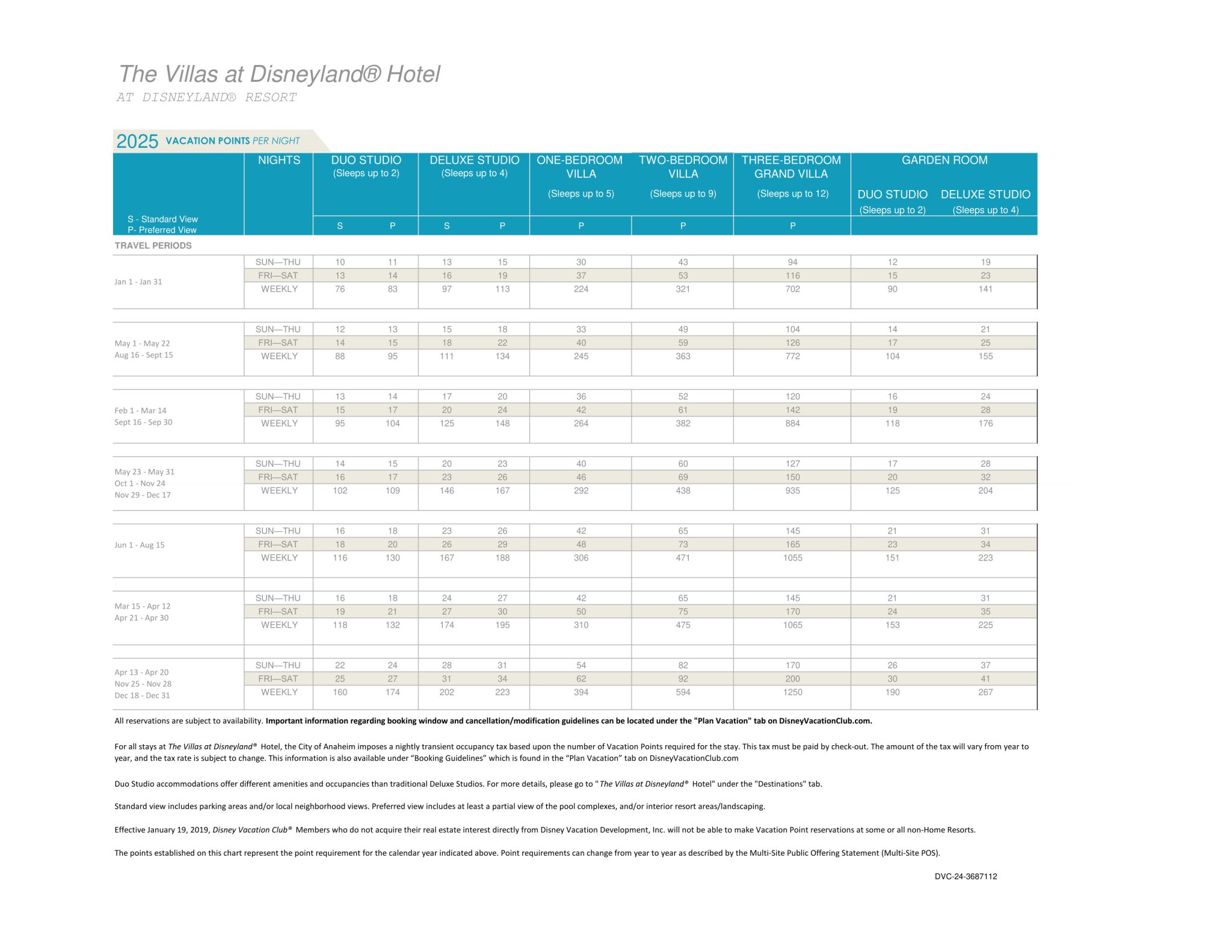
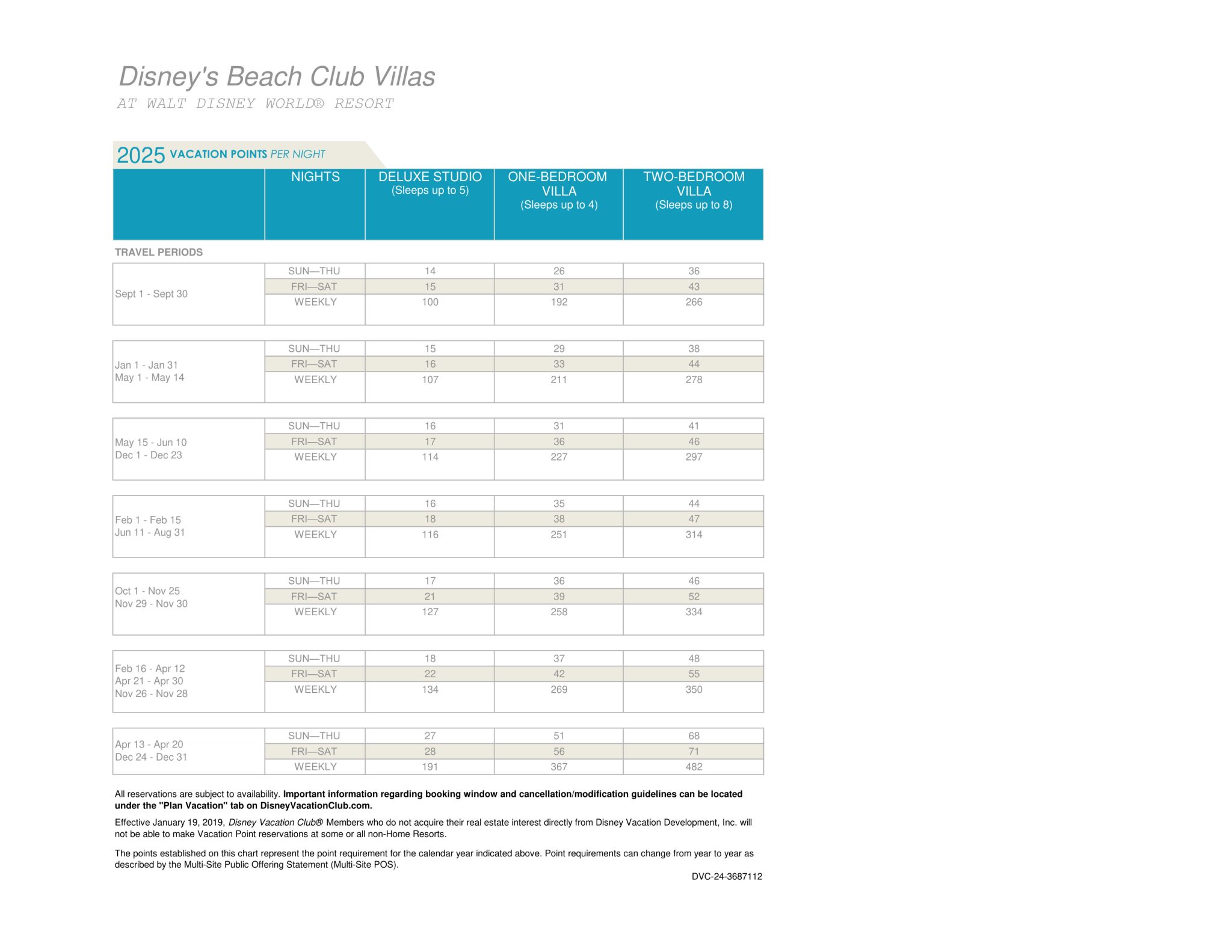
A DVC points chart is a handy tool for Disney Vacation Club members, offering a clear and concise way to visualize and understand their points system. This guide will take you through the essentials, covering what you need to know to navigate and utilize the DVC points chart effectively.
It's a simple yet powerful resource, providing an at-a-glance overview of your points and their potential, with variations depending on your region and membership type.
Understanding the DVC Points Chart
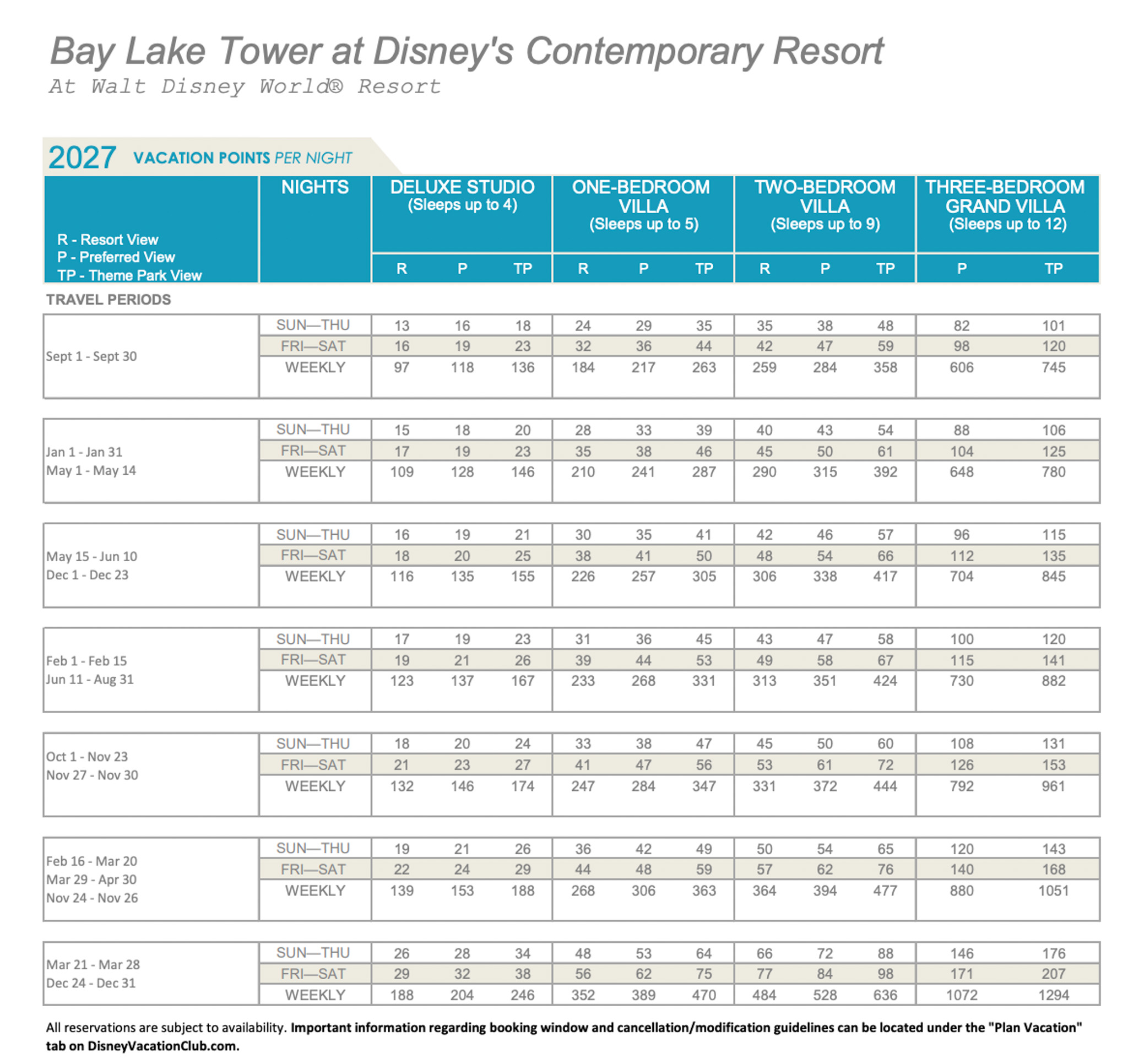
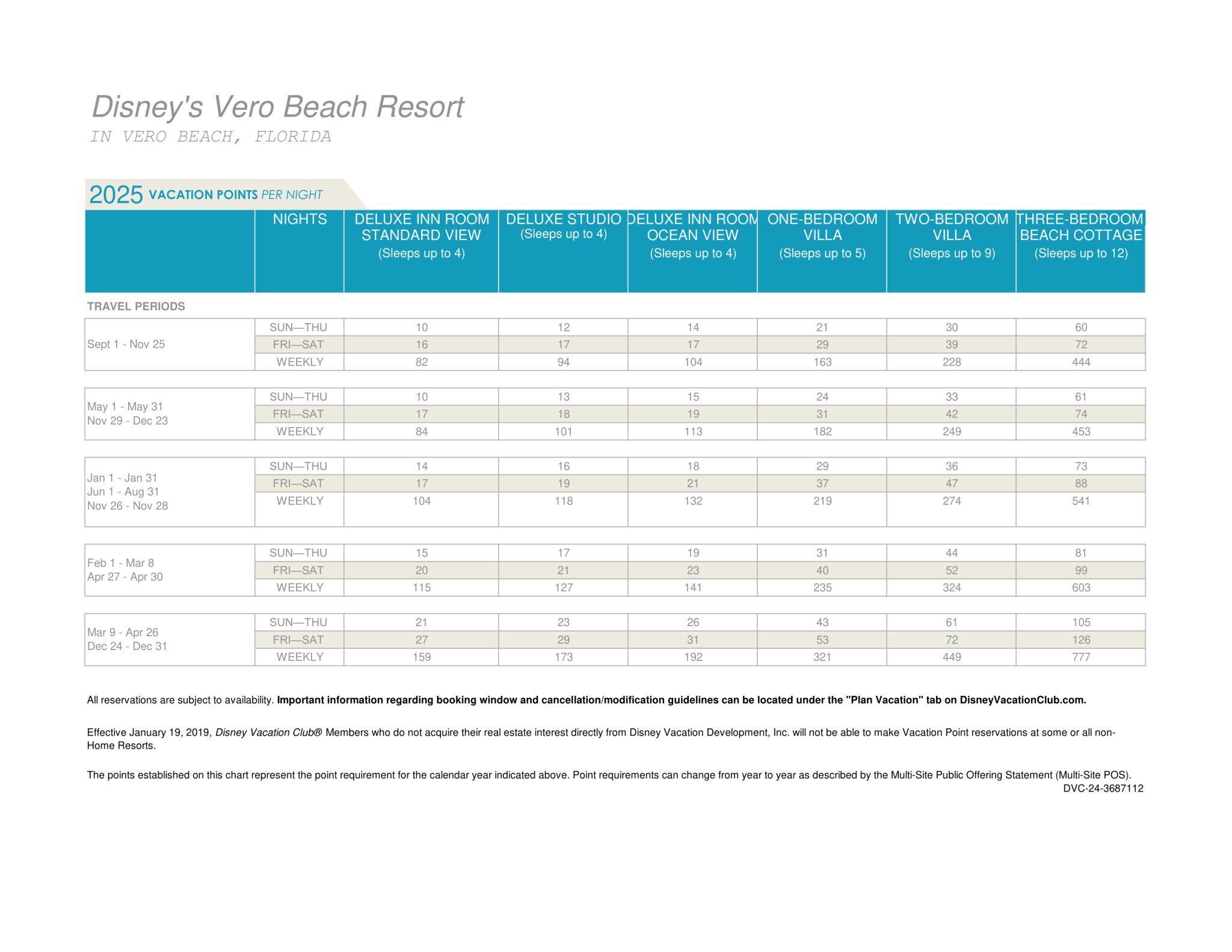
The DVC points chart is your guide to navigating the Disney Vacation Club (DVC) points system. It's a handy tool that helps you understand the value of your DVC points and how they can be used across different Disney resorts and accommodations. This chart is a reference for members to plan their vacations and make the most of their points.
Comparing Point Values and Categories
The DVC points chart typically displays point values for various Disney properties, categorized by resort and room type. You'll find columns for different resorts, with rows indicating the point cost for each room category. These categories might include standard rooms, preferred rooms, or even villas, each with its own point value. It's important to note that point values can vary based on the resort's location, amenities, and demand.
Reading the Points Chart: A Step-by-Step Guide
Start by identifying the resort you're interested in. Each resort will have its own column on the chart. Next, locate the specific room category you prefer. The corresponding point value will be displayed in that cell. For example, if you want a standard room at Resort A, find "Resort A" on the chart, then look for the "Standard Room" category. The point value in that cell is what you'll need for your stay. Remember, these points are flexible and can be used across different resorts, so you have options!
Avoiding Common Misreadings
One common pitfall is assuming that all resorts and room types have the same point values. This is not the case; each resort's point values are unique. Another mistake is not considering the time of year. Point values can fluctuate based on seasonality and demand, so always check the chart for the specific dates you're planning to travel. It's also important to note that the DVC points chart may not cover every single resort or room type. Some specialty accommodations or unique experiences might have their own point values, so it's wise to double-check with Disney or a DVC guide for these exceptions.
Factors Affecting Point Variations
Point values on the DVC points chart can vary due to several factors. Here are some key influences:
- Resort Location: Resorts in high-demand areas, like popular theme park locations, often have higher point values.
- Seasonality: Point costs can increase during peak travel seasons, such as school holidays or summer months.
- Room Amenities: Rooms with special features, like a balcony or a better view, may require more points.
- Resort Facilities: Resorts with extensive amenities, like water parks or multiple dining options, might have higher point values.
- Room Size and Capacity: Larger rooms or those accommodating more guests usually require more points.
Adapting the Chart for Your Needs
While the standard DVC points chart is a great starting point, you might need to adapt it for your specific vacation plans. Here are some tips:
- If you're planning a large family vacation, consider the room's capacity and ensure it aligns with your needs.
- For a more luxurious stay, look for resorts with higher-end amenities and check their point values.
- If you're flexible with dates, you can save points by choosing off-peak travel periods.
- Use a DVC points calculator or consult a Disney points conversion guide to estimate the points needed for your desired resort and room type.
- Keep an eye on vacation club points charts for any updates or changes, especially if you're planning far in advance.
Well, there you have it! A comprehensive guide to navigating the world of DVC points. We've covered the basics, compared the options, and provided a step-by-step process to ensure you're on the right track.
Remember, every situation is unique, so be sure to tailor these insights to your specific needs. Double-check the factors that impact your context, and you'll be well on your way to making informed decisions. This chart is a handy reference, so bookmark this page for future use. It's always good to have a quick reminder when you need it!