


Best Druid Build Bg3 Overview
You're here because you need a straightforward answer, and the Cubs seating chart is a handy tool to have at your disposal. It's a simple yet effective visual guide, offering a clear layout of the stadium and its seats. This chart, whether it's for Wrigley Field or any other Cubs stadium, provides an essential reference for fans, offering a quick way to locate and understand their seats and the overall layout.
Understanding the Cubs Seating Chart
The Cubs seating chart is a visual guide that provides an overview of the seating arrangement at Wrigley Field, the home of the Chicago Cubs. This chart is an essential tool for fans and visitors, offering a clear and organized representation of the stadium's seating sections, rows, and seat numbers. By understanding the chart, you can easily navigate and choose your preferred seating location for an enjoyable game experience.
Comparing Seating Options and Standards
The Cubs seating chart typically follows a standardized format, ensuring consistency and ease of use. It categorizes seats into different sections, with each section further divided into rows and individual seats. The chart provides a visual representation of these categories, making it simple to identify and select your desired seats. The standard dimensions of each seat are usually included, ensuring a comfortable and uniform experience across the stadium.
Step-by-Step Guide to Using the Seating Chart
Using the Cubs seating chart is straightforward and can be done in a few simple steps:
- Familiarize yourself with the chart's layout. Identify the different sections, rows, and seat numbers.
- Determine your preferred seating area based on your budget, viewing preferences, and any specific requirements you may have.
- Check the seat dimensions and ensure they align with your comfort expectations.
- Choose your desired section and row, considering factors like proximity to the field, shade, or any other personal preferences.
- Confirm the seat numbers within your chosen row to ensure an uninterrupted view and a comfortable experience.
Avoiding Common Misreadings and Pitfalls
While the Cubs seating chart is designed for clarity, some common misreadings can occur. To avoid these pitfalls, keep the following in mind:
- Ensure you are referring to the correct chart for the specific game or event. Charts may vary slightly depending on the setup and seating arrangements for different occasions.
- Pay attention to the scale and dimensions provided. Misinterpreting these can lead to an inaccurate understanding of the seating layout.
- Be aware of any seat variations or exceptions, especially in premium or unique seating areas. These may have different configurations or seat numbers, so double-check the exact specifications.
Factors Affecting Accuracy and Real-World Use
Several factors can influence the accuracy and practicality of the Cubs seating chart:
- Weather conditions and natural elements can impact the viewing experience. Consider the sun's position and potential shade areas when choosing your seats.
- The stadium's design and architecture may create unique viewing angles or obstructions. Refer to detailed section views or row numbers to ensure an unobstructed view.
- Crowd size and the location of other fans can affect your overall experience. Opt for seats with a good balance of proximity to the action and personal space.
- Special events or promotions may alter the standard seating arrangements, so always check the latest chart for any updates.
Choosing the Right Seating Chart Format
The Cubs seating chart is available in various formats to cater to different needs and preferences:
- Standard printouts: These provide a clear and detailed view of the seating layout, suitable for most fans.
- Digital versions: Online charts offer interactive features, allowing you to zoom in and explore specific sections.
- Mobile-friendly charts: Designed for easy access on smartphones, these charts provide a convenient option for on-the-go planning.
- Section-specific charts: For a more detailed view, consider charts focused on individual sections, offering precise seat views and dimensions.
Keeping Your Reference Reliable for Future Use
To ensure the reliability and accuracy of your Cubs seating chart for future games or events:
- Regularly check for updates and new versions, especially if there are significant changes to the stadium layout or seating arrangements.
- Save or bookmark the latest digital charts for easy access and reference.
- If using a physical chart, consider laminating it to protect it from wear and tear, ensuring it remains legible and usable for multiple games.
- Share your feedback and experiences with the chart's providers, helping them improve and refine the seating chart for future seasons.
Well, that's a wrap on our exploration of the Cubs seating chart and its many practical applications. We've covered a lot of ground, from understanding the different options to ensuring accuracy and adapting the chart to your unique needs.
Remember, while this guide provides a solid foundation, it's always wise to double-check the specifics for your particular situation. Exact values and standards may vary, so a quick review ensures you're on the right track. Consider bookmarking this page for future reference; it's a handy tool to have at your fingertips when you need a quick reminder or a refresh on the process. Happy organizing!
Related: RSMeans Construction Essential Guide For Builders
"rs means construction" is a phrase that might pop up when you're planning a home renovation or building project. It's a mouthful, but it's a useful tool for anyone wanting to understand construction costs. So, let's break it down and see what it's all about!
Understanding RSMeans and Construction Costs
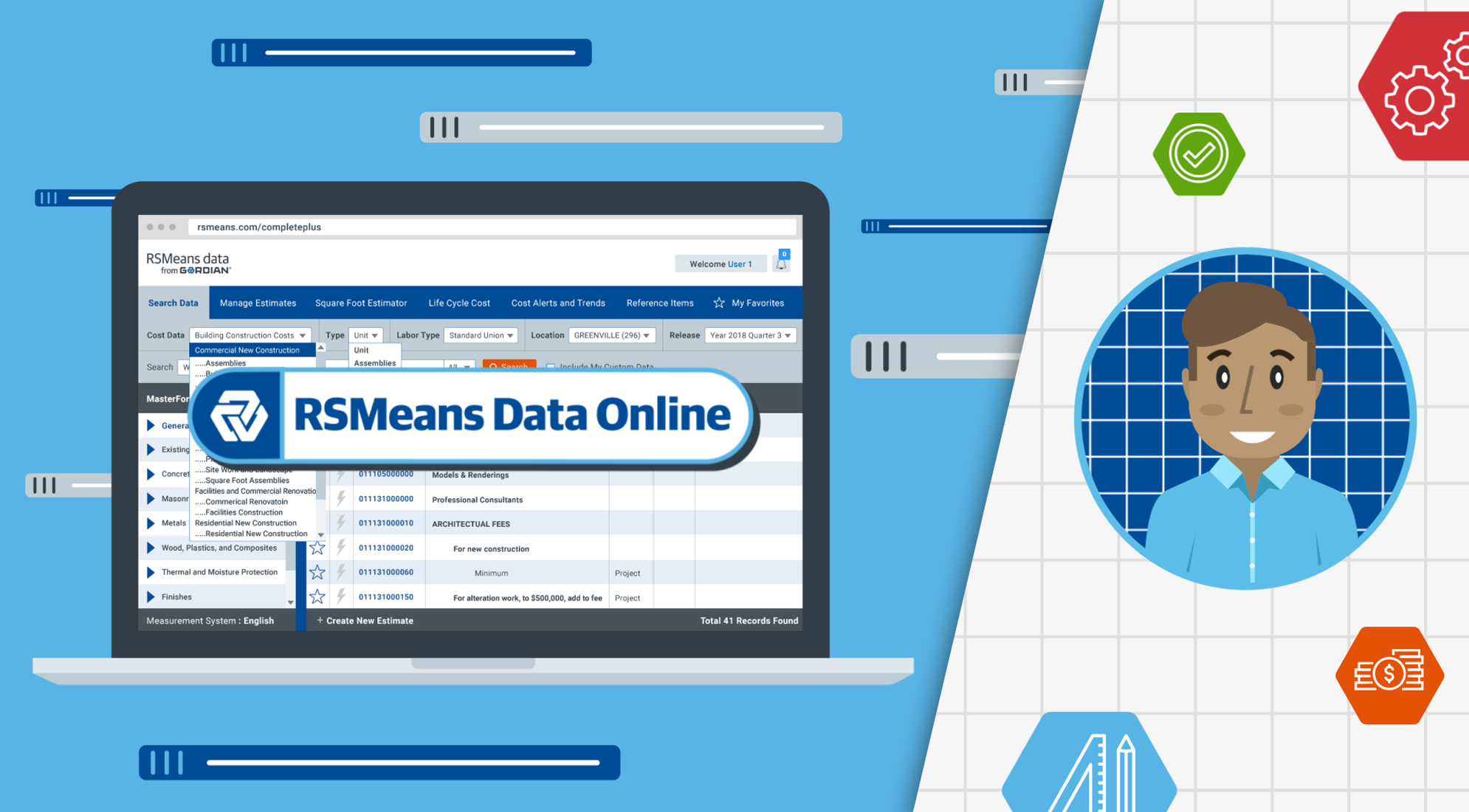
RSMeans is a database and resource for construction professionals and homeowners alike. It provides detailed information on construction costs, helping you estimate and plan your project's budget. This tool is a go-to for many in the industry, offering insights into labor, materials, and other expenses. It's especially handy for comparing quotes and ensuring you get a fair deal.
When using RSMeans, you can get a good idea of what your project might cost. It considers various factors like the size of the project, the materials you choose, and the local labor rates. This data helps you set a realistic budget and understand the costs involved. It's a great way to ensure you're not overspending or underestimating the expenses.
Hiring a Contractor: What to Look For
When it comes to hiring a contractor, RSMeans can be a valuable ally. It can help you understand the typical costs for your project, so you know if a quote is reasonable. Before hiring, always check the contractor's references and licenses. Ask for a detailed breakdown of the costs and what's included in the quote. A good contractor will be transparent and provide this information.
You should also consider the scope of the project and whether the contractor has experience with similar work. Don't be afraid to ask questions and get a clear picture of what you're paying for. It's your project, and you want to ensure it's done right!
Construction Company Names and Branding
Naming a construction company is an important step. It's the first impression you give to potential clients and should reflect your business's values and services. A good name is memorable, unique, and gives a hint at what you do. For example, "BuildStrong", "Renovate Right", or "HomeCrafters" are catchy and descriptive.
When choosing a name, consider registering it and checking domain availability. You want to ensure your online presence is secure and that your name isn't already taken locally. It's a small but crucial step in building your brand and standing out in a competitive industry.
Jobs and Opportunities in Construction
The construction industry offers a range of roles, from estimators who use tools like RSMeans to project managers and skilled laborers. These jobs are in demand, and you'll often find opportunities advertised online or through local trade associations. It's a varied industry, and you can specialize in different areas, whether it's residential construction, commercial projects, or specific trades like plumbing or electrical work.
Data and Tools for the Industry
RSMeans is just one of the many tools and resources available to construction professionals. These tools help manage projects, estimate costs, and keep track of industry trends. For example, cost indexes provide an overview of construction costs over time, helping businesses and homeowners plan and budget effectively. Escalation, another term for cost increases, is also an important factor to consider when planning long-term projects.
Big Companies and the Industry
In the construction world, you'll find a mix of small, local businesses and large, national firms. The size of the company often reflects the scale of projects it takes on. Big companies may have the resources to tackle large-scale developments, while smaller businesses might focus on local renovations and additions. It's a diverse industry, and both types of companies play a crucial role in building our communities.
So, there you have it! RSMeans construction is a useful tool for anyone involved in construction, whether you're a homeowner, a contractor, or a business owner. It's a great way to stay informed and ensure your projects are on track and within budget.
Related: What's the best way to use a slacks size chart?
A slacks size chart is your handy tool for ensuring a perfect fit every time. This guide will walk you through the ins and outs, offering a simple approach to understanding those charts and ensuring you get the right size.
You'll find these charts are a great reference, offering waist size charts, pant guides, and even international size standards. While the values may vary slightly depending on the brand and region, they provide a reliable starting point for your measurements.
Understanding Slack's Size Chart
A waist size chart is a handy tool to help you find your perfect fit when shopping for slacks. It's a reference guide that translates your body measurements into the right size label, making it easier to choose the correct pair of pants.
Comparing Size Chart Standards
Size charts can vary depending on the brand and region. For example, a pant size guide from a US brand might use different measurements or labels compared to an international brand. It's important to check which standard the chart follows to ensure an accurate fit.
Step-by-Step Guide to Using the Size Chart
Using a slacks size chart is simple. Here's a quick guide:
Measure your waist: Use a tape measure to find your natural waist, which is usually the smallest part of your waist. Make sure the tape is snug but not too tight.
Find your waist size: Look for the waist measurement column on the chart. It will typically list a range of sizes, often in inches or centimeters. Find the number that matches or is closest to your waist measurement.
Check the hip measurement: Some charts also include hip measurements. If your hips are wider than your waist, ensure the hip measurement on the chart accommodates your body shape.
Consider the inseam: The inseam length determines how long your pants will be. Choose the length that suits your preference and height.
Avoiding Common Misreadings
It's easy to misinterpret a size chart if you're not familiar with it. Here are some tips to avoid common mistakes:
Always double-check the units of measurement. Some charts use inches, while others use centimeters.
Pay attention to the size labels. Brands might use different terminology, so ensure you understand their specific size categories.
If you're between sizes, it's often better to size up for comfort. Most charts provide a range, so choose the larger size if you're unsure.
Factors Affecting Accuracy
Several factors can influence the accuracy of a slacks size chart:
Body shape: The chart provides a general guide, but everyone's body is unique. Factors like muscle mass, bone structure, and body fat distribution can affect how clothes fit.
Fabric and design: The material and cut of the pants can impact the fit. Stretch fabrics might offer more flexibility, while structured fabrics may require a more precise fit.
Personal preference: Comfort and style are subjective. Some people prefer a looser fit, while others like their pants more tailored. Consider your personal style and comfort level when choosing a size.
Adapting the Chart for Your Needs
The beauty of a slacks size chart is its adaptability. You can use it as a starting point and make adjustments based on your preferences:
If you prefer a more relaxed fit, choose a size larger than your measured waist size.
For a more tailored look, opt for a size that matches your waist measurement precisely.
Consider the rise of the pants (high, medium, or low) and choose a size that aligns with your preference.
Keeping Your Reference Reliable
To ensure a consistent and reliable experience, it's beneficial to keep your slacks size chart updated:
Measure yourself regularly, especially if you've gained or lost weight. Body measurements can change over time, so it's essential to have an accurate reference.
Take note of the brand and style of pants you usually wear. This information can help you quickly identify your size when shopping online or in-store.
Share your measurements with trusted friends or family members. This way, they can assist you in finding the right size when shopping together.
Well, there you have it! A comprehensive guide to slacks size charts, covering all the bases. We've explored the different options, learned the steps to get an accurate fit, and even discussed some common pitfalls to avoid.
Remember, when it comes to size charts, there can be slight variations, so always double-check the specific requirements for your chosen brand or style. It's a good idea to keep this page bookmarked for future reference, so you can quickly refer back to it when needed. Stay stylish, and happy sizing!