






Best Weekly Planner For Work Overview
A chore weekly chart is a handy tool to keep your household tasks organized and ensure a smooth daily routine. This guide will show you how to make the most of your chart, offering a simple and effective way to manage chores.
The beauty of a chore chart is its adaptability; you can customize it to fit your family's needs. Whether you prefer a simple task list or a more visual weekly planner, the key is finding a format that works for you and helps keep everyone on track with their household duties.
What is a Chore Weekly Chart?
A chore weekly chart is a practical tool to help you organize and manage household tasks efficiently. It's a visual representation of your weekly chores, making it easier to stay on top of your responsibilities and ensure a clean and well-maintained home.
Understanding the Key Details
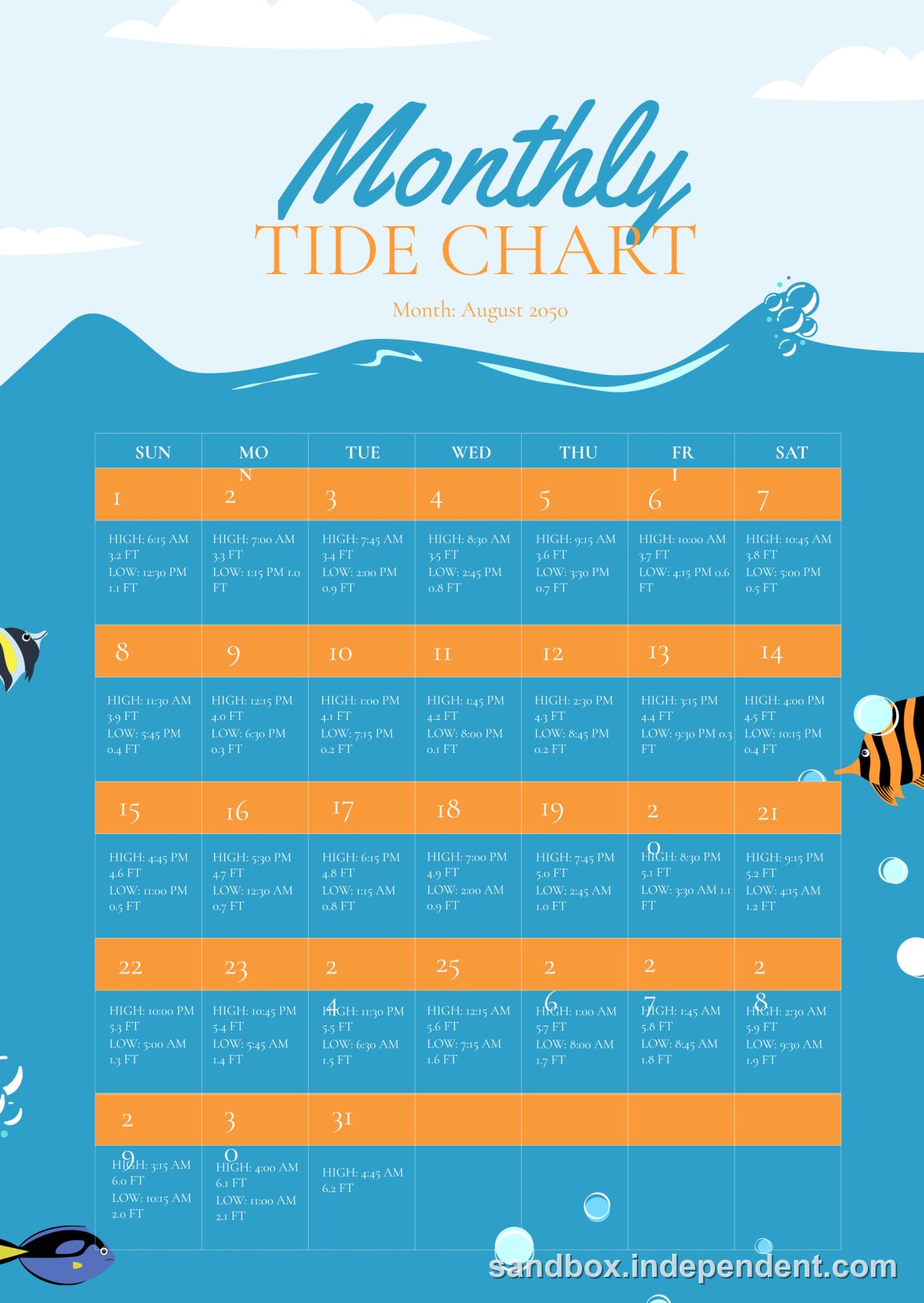
The chart typically consists of a grid with days of the week across the top and chore categories down the side. Each cell represents a specific chore for a particular day. Common categories include cleaning tasks like vacuuming, laundry, dishes, and grocery shopping. The chart provides a clear overview of what needs to be done and when.
Reading and Applying the Chart
Here's a step-by-step guide to using your chore weekly chart:
- Start by identifying the tasks you want to include. Consider daily, weekly, and monthly chores, as well as any specific tasks that need to be done regularly, like taking out the trash or changing bed linens.
- Assign tasks to each day of the week. Distribute the chores evenly to avoid an overwhelming workload on any single day.
- Use symbols or colors to indicate the status of each chore. For example, a checkmark can signify completion, while a red X might mean the task is overdue.
- Review and update your chart regularly. As you complete tasks, mark them off. If something comes up and a chore needs to be rescheduled, adjust the chart accordingly.
- Involve your family or housemates. If you're sharing the workload, ensure everyone understands their responsibilities and can refer to the chart for guidance.
Variations and Differences
While the basic concept of a chore weekly chart remains consistent, there can be variations based on personal preferences and household needs. Here are some factors that may cause differences:
- Household size: A larger family may require more complex chore rotations to ensure fairness.
- Individual preferences: Some people prefer a simple list format, while others like the visual appeal and organization of a chart.
- Task frequency: Certain chores may need to be done daily or monthly, influencing how you structure your chart.
Common Mistakes and How to Avoid Them
It's easy to make mistakes when creating a chore weekly chart, but these tips can help you avoid them:
- Overloading: Avoid assigning too many tasks to one day. Spread the workload evenly to prevent burnout.
- Forgetting regular tasks: Include all recurring chores, even if they seem obvious. It's easy to overlook something like taking out the recycling or wiping down kitchen counters.
- Not updating: Regularly review and update your chart to reflect changes in your routine or household needs.
Tips for Success
To make the most of your chore weekly chart and ensure it works effectively for your household, consider these best practices:
- Personalize your chart: Tailor it to your specific needs and preferences. Add notes or symbols that make sense to you and your family.
- Keep it visible: Display your chart in a central location, like the kitchen or family room, so everyone can refer to it easily.
- Review and adjust: Regularly assess how well your chart is working and make adjustments as needed. Flexibility is key to a successful chore management system.
- Involve everyone: Encourage participation and ownership of chores by involving all family members or housemates in creating and maintaining the chart.
A chore weekly chart is a great way to stay organized and ensure everyone pitches in. With the right approach, you can create a simple and effective system for your household. Remember, it's all about finding a balance and making it work for your unique situation.
When adapting any guide, it's important to consider your specific needs and context. While these charts offer a solid framework, they can be tailored to suit your family's routines and preferences. So, take the time to customize and make it your own! And don't forget to explore our other resources for even more practical tips and tricks.
Related: Best Construction Name Guide
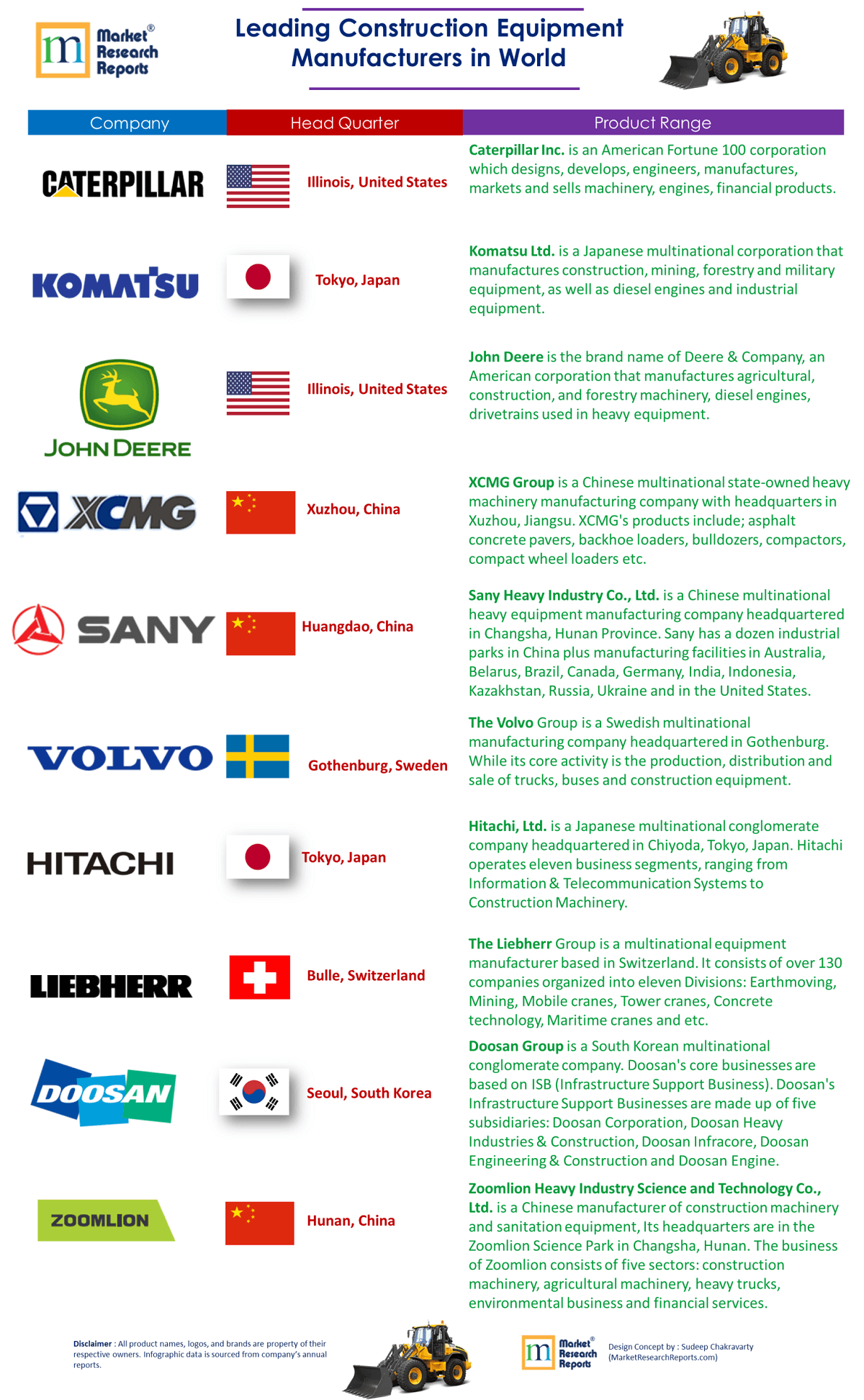
"What's in a name?" I often wonder when it comes to best construction name. It's an important consideration for any business, especially in the construction industry. So, let's dive into this topic and uncover some insights!
The Significance of a Construction Business Name
Choosing the best construction name for your business is crucial. It's the first impression you make on potential clients and can leave a lasting impact. A well-chosen name can set the tone for your brand and reflect the values and services you offer. It's like a calling card, so you want it to be memorable and professional.
When selecting a name, consider the following:
- Simplicity: Keep it simple and easy to remember. Avoid complicated or lengthy names that might confuse customers.
- Relevance: Choose a name that hints at your construction expertise. It could incorporate words like "build," "construct," or "renovate" to give an immediate idea of your services.
- Uniqueness: Stand out from the crowd! Opt for a name that's distinctive and not easily confused with other businesses.
- Availability: Before finalizing, check if the name is available for registration. You don't want legal issues or confusion down the line.
Practical Tips for Choosing a Name
Here are some practical steps to help you find the perfect name:
- Brainstorm: Write down ideas and keywords related to your business. Think about your specialty, target audience, and unique selling points.
- Combine and Play: Experiment with different word combinations and see what resonates. You might find inspiration in unexpected places!
- Get Feedback: Share your top choices with friends, family, or colleagues. Their fresh perspectives can offer valuable insights.
- Research: Ensure the name isn't already trademarked or copyrighted. A quick online search can save you from potential legal headaches.
A Few Name Ideas to Inspire You
If you're stuck for ideas, here's a short list to spark your creativity:
- Build-Pro
- Construct-Rite
- HomeCrafters
- Renova Solutions
- BuildTech
- Crafted Spaces
Remember, these are just suggestions! Feel free to tweak, combine, or come up with your own unique twist.
Construction Jobs and Salaries
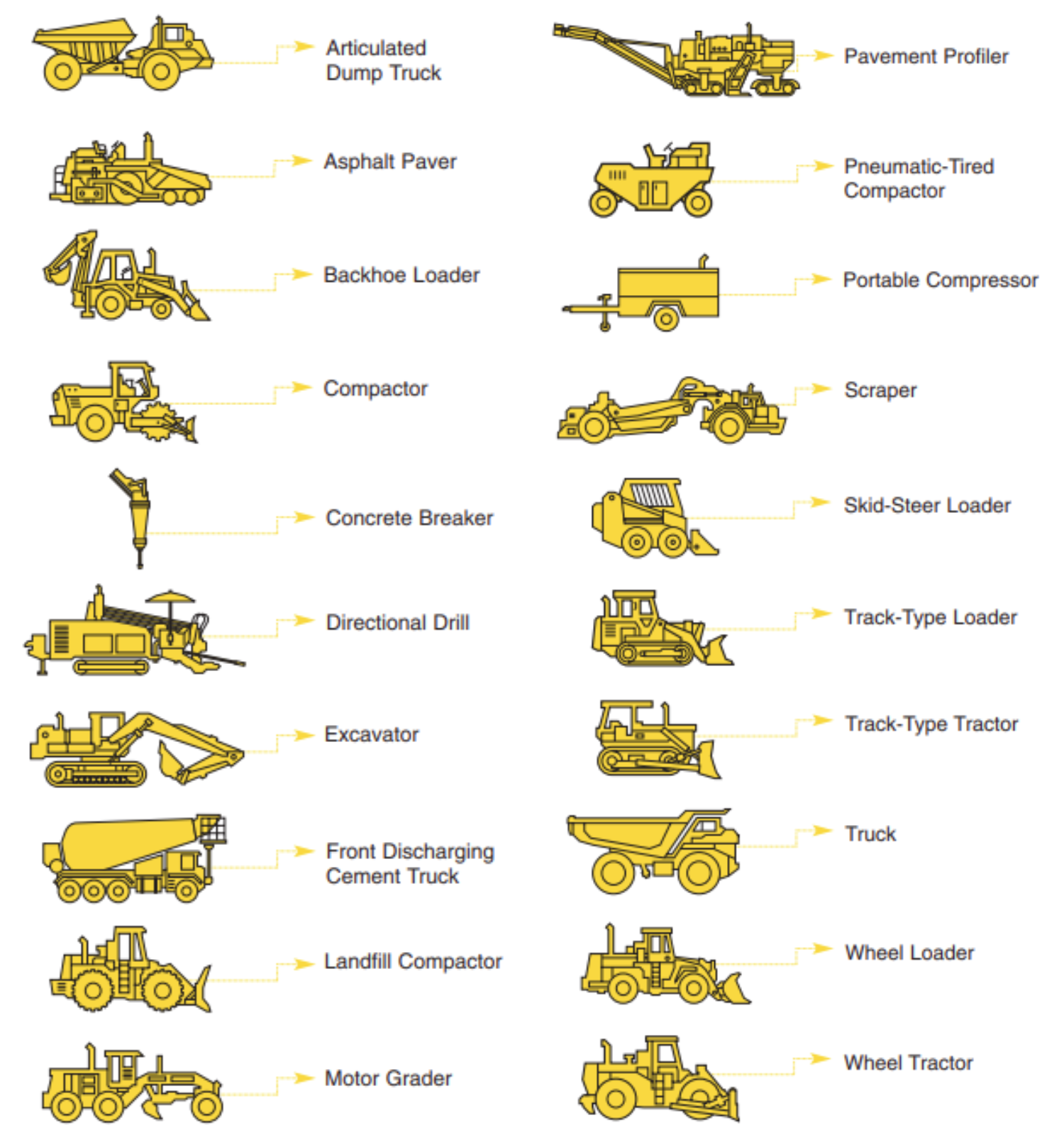
The construction industry offers a wide range of roles, from general contractors to specialized tradespeople. Salaries can vary depending on experience, location, and the specific job. When searching for construction jobs, consider the following:
- Experience: More experience often leads to higher pay. Highlight your skills and past projects to negotiate a competitive salary.
- Specialization: Specialized roles, like estimators or project managers, may command higher salaries due to their unique expertise.
- Location: Construction jobs in urban areas or regions with high demand may offer better compensation. Research local markets to understand the going rates.
Industry Tools and Data
Tools like RSMeans provide valuable data for construction professionals. It offers cost estimating services, helping contractors and businesses plan and budget accurately. By using such tools, you can stay informed about industry trends and make more informed decisions.
Wrapping Up
Choosing the best construction name is an important step in establishing your brand. It's a fun process, but it requires some thought and creativity. Remember, the right name can set the foundation for a successful business. So, take your time, consider your options, and don't be afraid to get creative!
Related: What's the best way to use a slacks size chart?
A slacks size chart is your handy tool for ensuring a perfect fit every time. This guide will walk you through the ins and outs, offering a simple approach to understanding those charts and ensuring you get the right size.
You'll find these charts are a great reference, offering waist size charts, pant guides, and even international size standards. While the values may vary slightly depending on the brand and region, they provide a reliable starting point for your measurements.
Understanding Slack's Size Chart
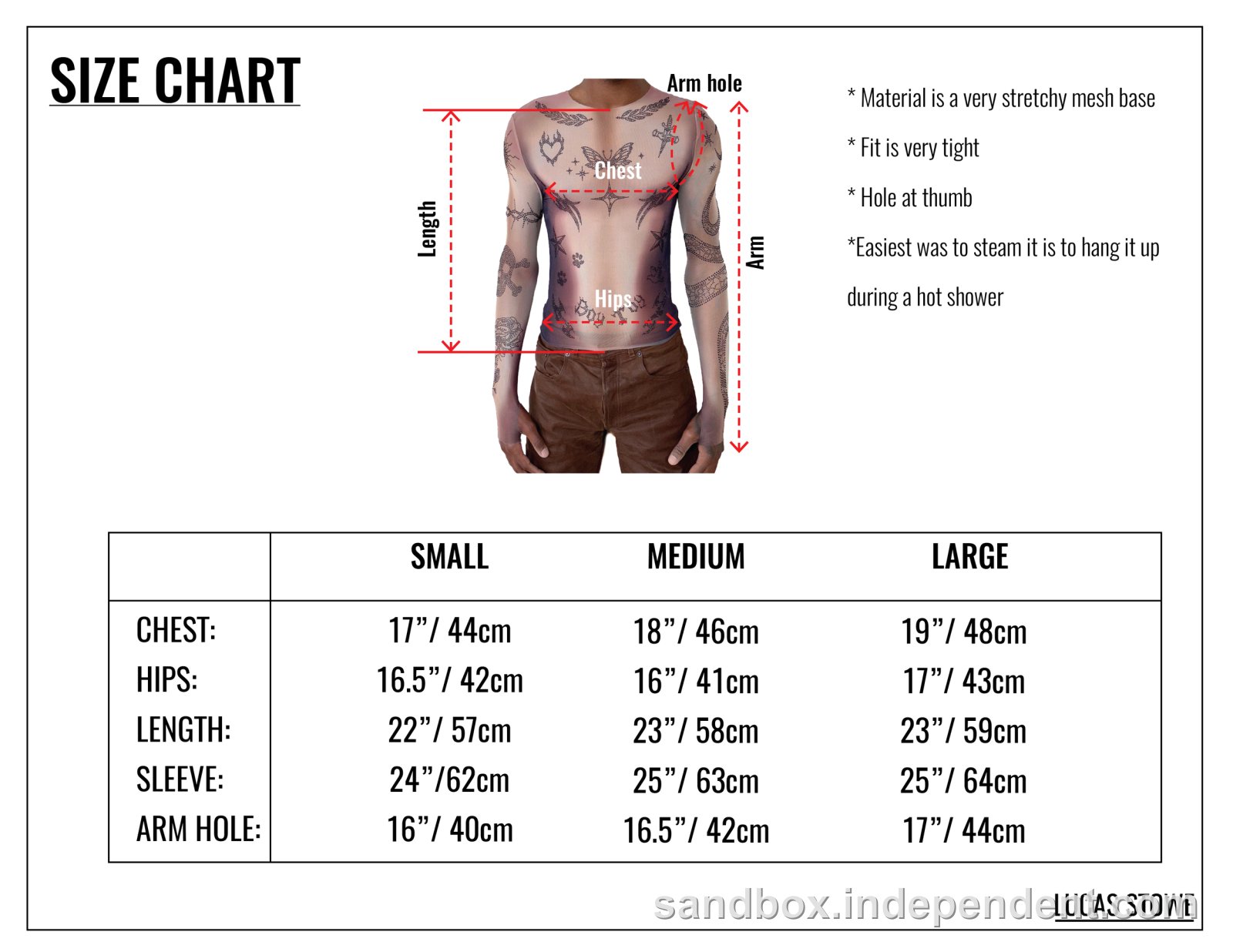
A waist size chart is a handy tool to help you find your perfect fit when shopping for slacks. It's a reference guide that translates your body measurements into the right size label, making it easier to choose the correct pair of pants.
Comparing Size Chart Standards
Size charts can vary depending on the brand and region. For example, a pant size guide from a US brand might use different measurements or labels compared to an international brand. It's important to check which standard the chart follows to ensure an accurate fit.
Step-by-Step Guide to Using the Size Chart
Using a slacks size chart is simple. Here's a quick guide:
Measure your waist: Use a tape measure to find your natural waist, which is usually the smallest part of your waist. Make sure the tape is snug but not too tight.
Find your waist size: Look for the waist measurement column on the chart. It will typically list a range of sizes, often in inches or centimeters. Find the number that matches or is closest to your waist measurement.
Check the hip measurement: Some charts also include hip measurements. If your hips are wider than your waist, ensure the hip measurement on the chart accommodates your body shape.
Consider the inseam: The inseam length determines how long your pants will be. Choose the length that suits your preference and height.
Avoiding Common Misreadings
It's easy to misinterpret a size chart if you're not familiar with it. Here are some tips to avoid common mistakes:
Always double-check the units of measurement. Some charts use inches, while others use centimeters.
Pay attention to the size labels. Brands might use different terminology, so ensure you understand their specific size categories.
If you're between sizes, it's often better to size up for comfort. Most charts provide a range, so choose the larger size if you're unsure.
Factors Affecting Accuracy
Several factors can influence the accuracy of a slacks size chart:
Body shape: The chart provides a general guide, but everyone's body is unique. Factors like muscle mass, bone structure, and body fat distribution can affect how clothes fit.
Fabric and design: The material and cut of the pants can impact the fit. Stretch fabrics might offer more flexibility, while structured fabrics may require a more precise fit.
Personal preference: Comfort and style are subjective. Some people prefer a looser fit, while others like their pants more tailored. Consider your personal style and comfort level when choosing a size.
Adapting the Chart for Your Needs
The beauty of a slacks size chart is its adaptability. You can use it as a starting point and make adjustments based on your preferences:
If you prefer a more relaxed fit, choose a size larger than your measured waist size.
For a more tailored look, opt for a size that matches your waist measurement precisely.
Consider the rise of the pants (high, medium, or low) and choose a size that aligns with your preference.
Keeping Your Reference Reliable
To ensure a consistent and reliable experience, it's beneficial to keep your slacks size chart updated:
Measure yourself regularly, especially if you've gained or lost weight. Body measurements can change over time, so it's essential to have an accurate reference.
Take note of the brand and style of pants you usually wear. This information can help you quickly identify your size when shopping online or in-store.
Share your measurements with trusted friends or family members. This way, they can assist you in finding the right size when shopping together.
Well, there you have it! A comprehensive guide to slacks size charts, covering all the bases. We've explored the different options, learned the steps to get an accurate fit, and even discussed some common pitfalls to avoid.
Remember, when it comes to size charts, there can be slight variations, so always double-check the specific requirements for your chosen brand or style. It's a good idea to keep this page bookmarked for future reference, so you can quickly refer back to it when needed. Stay stylish, and happy sizing!