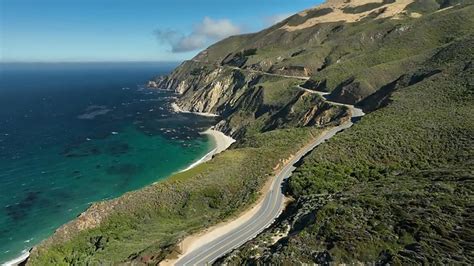
The rugged and picturesque stretch of California’s coastline known as Big Sur has, on occasion, been closed due to various natural and human-induced factors. One of the primary reasons for such closures is the region’s propensity for wildfires, landslides, and floods, which can make the roads impassable and pose significant risks to both visitors and residents. When Big Sur is closed, it not only affects the local economy, which is heavily reliant on tourism, but also impacts the experience of travelers who come to marvel at its breathtaking landscapes, hiking trails, and diverse wildlife.
For those who have never had the chance to visit Big Sur, it’s a place of untamed beauty, with towering redwoods, isolated beaches, and vistas that stretch out over the Pacific Ocean. The area is dotted with state parks, including Pfeiffer Big Sur State Park, Andrew Molera State Park, and Julia Pfeiffer Burns State Park, each offering unique landscapes and hiking opportunities. The closure of Big Sur, therefore, is not just a local issue but one that resonates with outdoor enthusiasts and nature lovers from around the world.
The Role of Natural Disasters
Natural disasters, particularly wildfires and landslides, are among the most common reasons for Big Sur closures. The region’s dry summers and dense forests create a volatile environment where wildfires can quickly spread, fueled by strong winds and dry underbrush. In recent years, California has experienced some of its most devastating wildfires, with Big Sur being no exception. These fires not only damage the natural environment but also threaten the infrastructure, including the famous Highway 1, which runs along the coast and is a lifeline for the local community.
Landslides and rockfalls are another significant concern. The geography of Big Sur, with its steep cliffs and unstable soil, makes it prone to landslides, especially during periods of heavy rainfall. These events can block roads, damage buildings, and affect the overall accessibility of the area. The impact of climate change, with its unpredictable weather patterns, exacerbates these issues, making the management and maintenance of Big Sur’s natural and man-made environments increasingly challenging.
Human Factors and Management
While natural disasters are beyond human control, there are human factors that contribute to the need for closures in Big Sur. Over-tourism, for instance, has become a significant issue, with thousands of visitors flocking to the area, especially during peak season. This surge in visitor numbers puts a strain on local resources, including parking, accommodations, and the natural environment itself. Overuse can lead to erosion, litter, and disturbance of wildlife habitats, necessitating the closure of certain areas to allow for recovery and conservation efforts.
Furthermore, the maintenance of infrastructure within Big Sur is an ongoing challenge. Highway 1, which is both a critical transportation route and a tourist attraction, requires constant upkeep due to the region’s geomorphology. Repairs and construction work often necessitate temporary closures, which, while inconvenient, are essential for ensuring the safety of the road and mitigating the risk of accidents.
Preparing for and Responding to Closures
For travelers and locals alike, understanding the reasons behind Big Sur closures and being prepared for such events is crucial. The California Department of Transportation (Caltrans) and local authorities provide regular updates on road conditions and any planned or unplanned closures through their websites and social media channels. Visitors are advised to check these sources before embarking on their journey to Big Sur.
In response to closures, the local community and government agencies work together to manage the situation, ensure public safety, and minimize the economic impact on local businesses. This includes providing alternative routes where possible, supporting affected businesses through promotional campaigns, and emphasizing the importance of responsible and sustainable tourism practices to reduce the strain on the environment and infrastructure.
Looking to the Future
As Big Sur faces the challenges of the future, including the impacts of climate change, over-tourism, and infrastructure resilience, there is a growing recognition of the need for sustainable management practices. This involves not just the physical environment but also the social and economic systems that support the local community. Efforts to promote eco-tourism, invest in renewable energy, and develop sustainable infrastructure are underway, aiming to preserve the natural beauty of Big Sur for future generations while supporting the livelihoods of those who call it home.
In conclusion, the closures of Big Sur, while unfortunate, serve as a reminder of the delicate balance between human activity and the natural world. As we look to the future, it’s clear that managing this balance will require concerted efforts from all stakeholders, including visitors, residents, and government agencies. By working together and embracing sustainable practices, we can ensure that Big Sur remains a vibrant and thriving destination, cherished for its unparalleled beauty and ecological significance.
What are the primary reasons for Big Sur closures?
+The primary reasons for Big Sur closures include natural disasters such as wildfires and landslides, which can make roads impassable and pose risks to visitors and residents. Human factors, including over-tourism and the need for infrastructure maintenance, also contribute to closures.
How can I find out if Big Sur is closed before planning my trip?
+Before planning your trip to Big Sur, you can check the official websites of the California Department of Transportation (Caltrans) and local authorities for updates on road conditions and any planned or unplanned closures. Following their social media channels is also a good way to stay informed.
What efforts are being made to preserve Big Sur for the future?
+Efforts to preserve Big Sur for the future include promoting eco-tourism, investing in renewable energy, and developing sustainable infrastructure. There is also a focus on managing over-tourism and promoting responsible and sustainable tourism practices to reduce the strain on the environment and support the local community.