



Billie Eilish Coloring Pages Overview
Many skiers assume that a ski length chart is a one-size-fits-all guide, but it's actually a flexible tool with some room for personal preference. While these charts provide a great starting point, they're not set in stone.
So, when you see a ski length chart, don't be afraid to experiment a little. Values can vary, and it's worth considering your skill level and the type of skiing you prefer. You might find a slightly longer or shorter ski suits your style better. It's all about finding the right fit for you!
Ski Length Chart: A Quick Guide
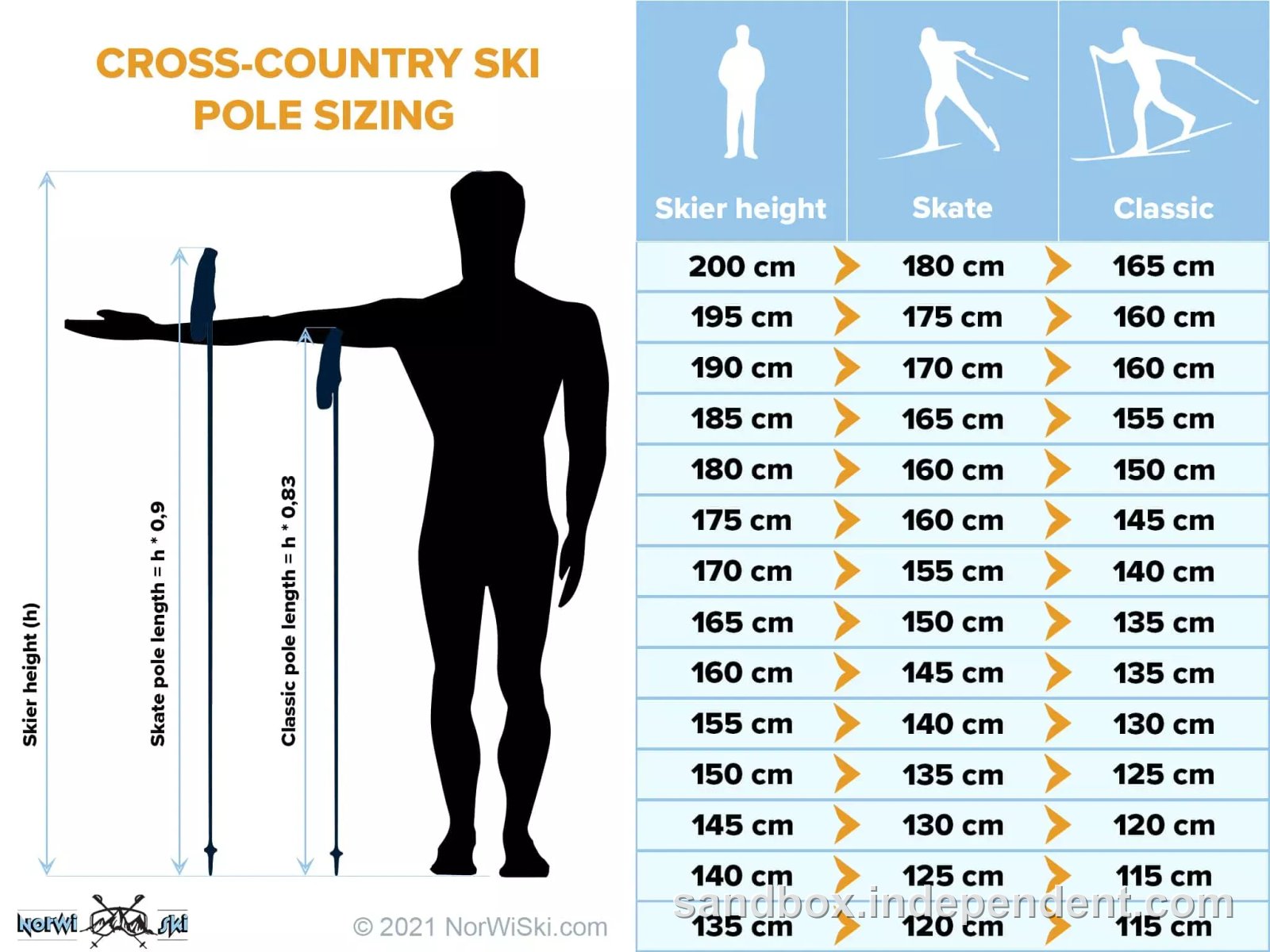
A ski length chart is a simple tool to help you choose the right skis for your height and skill level. It's a handy reference to ensure you get the optimal ski length for your needs, whether you're a beginner or an experienced skier.
Key Details and Categories
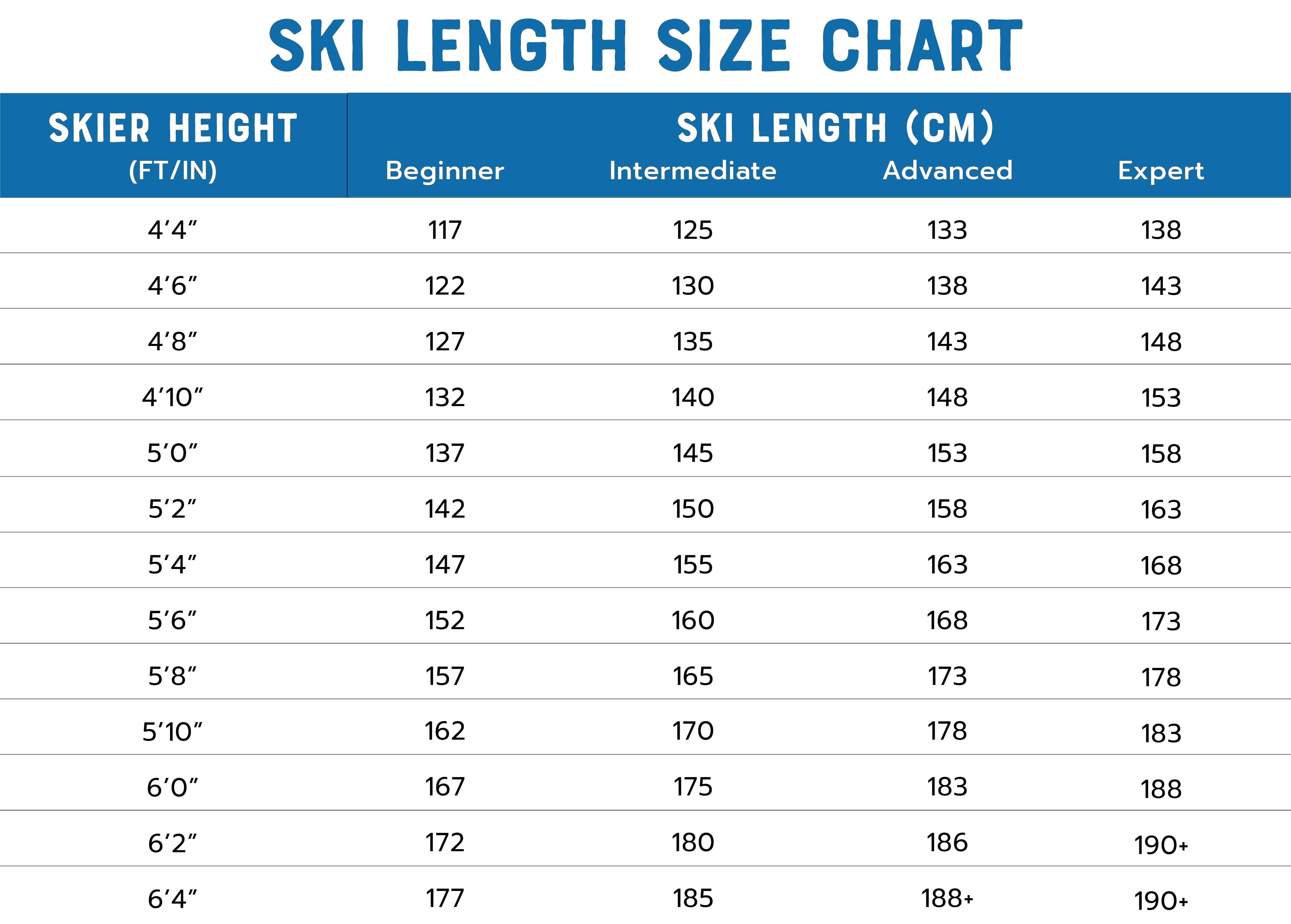
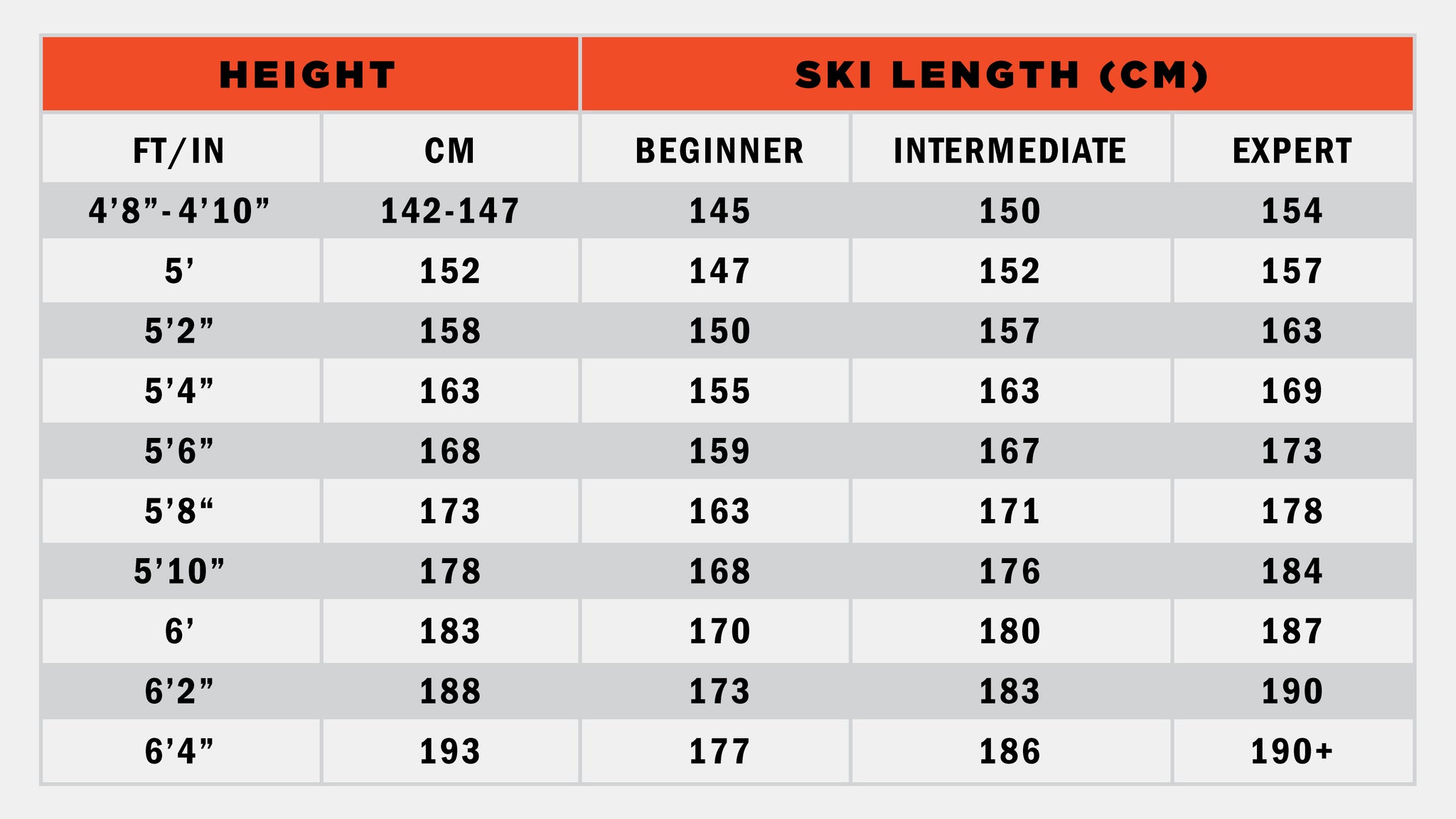
The chart typically displays a range of heights, usually in inches or centimeters, along with the corresponding recommended ski lengths. These lengths are often given in centimeters and are categorized by skill level: beginner, intermediate, and advanced. Some charts may also include additional factors like weight or specific ski types.
How to Read and Apply the Chart
Reading a ski length chart is straightforward. First, identify your height on the chart. Then, find the recommended ski length for your skill level. Here's a step-by-step guide:
- Locate your height: Look for the column or row that matches your height. If your height falls between two values, you can estimate or choose the closest length.
- Determine your skill level: Identify whether you're a beginner, intermediate, or advanced skier. Most charts will provide recommendations based on these skill levels.
- Choose your ski length: Find the intersection of your height and skill level. This will give you the recommended ski length. For example, if you're 5'8" tall and an intermediate skier, the chart might suggest a ski length of 165 cm.
Variations and Differences
It's important to note that ski length charts can vary depending on the standard used. Different regions and manufacturers may have slightly different recommendations. Additionally, some charts may offer more detailed suggestions, considering factors like weight and ski type. These variations ensure a more personalized ski length recommendation.
Common Mistakes and How to Avoid Them
One common mistake is relying solely on height without considering skill level. Remember, the chart takes both into account. Another pitfall is ignoring specific ski types. If you're using a particular type of ski, like powder skis or racing skis, ensure the chart accounts for this or seek a specialized chart.
Practical Tips for Accurate Results
To ensure you get the best fit, consider these tips:
- If you're between two sizes, err on the side of shorter skis. Longer skis can be more challenging to control, especially for beginners.
- Don't be afraid to seek advice from ski shop experts. They can provide personalized recommendations and ensure a perfect fit.
- If you're an advanced skier, you may prefer a longer ski for more speed and stability. However, ensure you have the skills to handle them.
Double-Checking and Handling Exceptions
While ski length charts are a great starting point, it's always wise to double-check with a professional. They can assess your skiing style and preferences and ensure the recommended length suits your needs. Additionally, if you have specific requirements, like adaptive skiing equipment, consult a specialist to ensure the best fit.
Well, there you have it! A ski length chart is a handy tool, but remember, it's a guide, and exact values can differ. Always consider your personal preferences and the specific conditions you'll be skiing in.
Don't forget to take a moment and ensure you've covered all your bases before hitting the slopes. And hey, if you're keen to learn more, we've got a bunch of other guides on similar topics that might interest you. Happy reading and skiing!
Related: Yarn Weight Chart: A Quick Reference Guide
You're likely here because you need a reliable guide to understand and utilize a yarn weight chart effectively. These charts are essential tools for any yarn enthusiast, offering a quick reference to navigate the world of yarn weights and their various applications. Whether you're a seasoned crafter or just starting, having a clear understanding of yarn weights is key to achieving your desired results.
Understanding Yarn Weights: A Practical Guide
The yarn weight chart is a valuable tool for knitters, crocheters, and yarn enthusiasts. It provides a standardized way to categorize and understand the thickness or weight of different yarns, allowing crafters to choose the right yarn for their projects with ease. This guide will help you navigate the chart and make informed decisions.
Key Details and Categories
The yarn weight chart typically uses a numerical system to categorize yarns, with lower numbers indicating finer yarns and higher numbers representing thicker ones. This system is widely adopted and followed by yarn manufacturers and crafters. The chart often includes categories such as lace, fingering, sport, DK (double knitting), worsted, aran, bulky, and super bulky. Each category has a specific range of thickness and is denoted by a corresponding number.
Reading the Chart: A Step-by-Step Guide
To read the yarn weight chart, follow these steps:
Identify the category: Look for the category that best describes the yarn you are working with. Common categories include lace, fingering, and worsted weight.
Check the numerical range: Each category has a numerical range associated with it. For example, lace weight yarn typically falls within the range of 0-1, while worsted weight yarn is usually categorized as 4-5.
Compare and select: Compare the thickness of your yarn to the ranges provided. If your yarn's thickness falls within the range of a specific category, it belongs to that category.
Variations and Differences
It's important to note that while the yarn weight chart provides a standardized system, variations can occur due to different standards and regional practices. For instance, the US and UK have slightly different interpretations of some categories. Additionally, yarn manufacturers may use their own unique labeling systems, which can deviate from the standard chart.
- Key factors that can cause variations include:
- Regional differences in standards
- Manufacturer-specific labeling
- Yarn composition and fiber type
- Intended use and project requirements
Common Mistakes and How to Avoid Them
To ensure accurate yarn selection, be mindful of these common mistakes:
Relying solely on the yarn label: While yarn labels provide valuable information, they may not always align perfectly with the yarn weight chart. Always double-check the thickness by comparing it to the chart's ranges.
Ignoring fiber content: Different fibers have unique characteristics, and their weight can vary. Consider the fiber content when selecting yarn, as it may affect the overall weight and behavior of the yarn.
Neglecting project requirements: Different projects have specific yarn weight recommendations. Ensure you choose a yarn that aligns with the pattern's recommendations to achieve the desired outcome.
By understanding the yarn weight chart, its categories, and potential variations, you can confidently select the right yarn for your projects. This guide provides a practical framework to navigate the world of yarn weights and ensure successful crafting experiences.
Remember that while this guide provides a solid foundation, exact details can vary slightly depending on the standard or the specific yarn you're working with. It's always a good idea to double-check the weight and gauge with your chosen yarn's label to ensure accuracy.
Feel free to bookmark this page for future reference; it's a handy tool to have at your fingertips when you need a quick yarn weight reminder. And don't forget to explore our other practical guides for more crafting tips and tricks!
Related: Understand Chicos Size Charts Easily
Many folks assume that chicos size charts are a one-size-fits-all deal, but that's a common misconception. These charts are actually tailored to the brand's unique sizing system, which can vary from other standard measurements.
So, while it's a simple reference tool, understanding how to read and interpret chicos size charts accurately is key to getting the perfect fit. It's all about knowing your measurements and finding the right correlation on the chart.
Understanding the Chicos Size Chart
The chicos size chart is a handy tool to help you find your perfect fit when shopping for clothing. It provides a clear guide to the standard measurements used by Chicos, ensuring you can easily navigate their sizing system. This chart is a great reference, especially when shopping online, as it gives you an accurate idea of the sizes available and how they correspond to your own measurements.
Comparing Size Chart Standards
Chicos' size chart follows a standard format, typically based on US sizing, which is widely used in North America. This chart provides measurements for various body parts, including bust, waist, hips, and inseam, to ensure a precise fit. It's important to note that while US sizing is common, other regions may use different standards, such as metric or European sizing. So, if you're used to a different system, it's a good idea to double-check the specific measurements and conversions.
Measuring Yourself for Accurate Sizing
To use the chicos size chart effectively, you'll need to take some key measurements. Here's a step-by-step guide:
- Bust: Measure around the fullest part of your bust, keeping the tape measure parallel to the floor.
- Waist: Measure your natural waistline, usually just above the belly button.
- Hips: Find the widest part of your hips and measure around, ensuring the tape is level with the floor.
- Inseam: For pants and jeans, measure from your crotch to the desired pant length.
Once you have these measurements, you can refer to the size chart and find the closest match. The chart will provide a range of measurements for each size, so you can choose the one that best fits your body.
Common Misreadings and How to Avoid Them
One common mistake is assuming that all clothing brands use the same size standards. While Chicos' size chart is a great guide, it's always a good idea to check the specific brand's size guide, especially if you're a regular customer. Another pitfall is measuring yourself incorrectly. Ensure you're measuring the right body parts and following the guidelines accurately. Finally, don't forget that sizing can vary slightly between different styles and fabrics, so always check the product details for any specific size notes.
Hey there, we hope you found this guide helpful and that it's now easier to navigate the world of Chicos size charts. Remember, while we've covered the basics, exact details might differ slightly, so always double-check with the brand's guidelines or consult our other guides for more specific info.
Consider bookmarking this page for future reference; it's a handy tool to have at your fingertips when you need to quickly look up those size charts!