




Billing Invoice Format Overview
Many people often overlook the importance of a wells tide chart, assuming it's just a simple diagram. However, it's a powerful tool with a specific purpose. The tide chart provides essential information for anyone near the Port of Wells, offering a quick glimpse at tide times, heights, and water levels. It's a handy reference, ensuring you're prepared and aware of the tidal range.
Understanding the Wells Tide Chart
The wells tide chart is your go-to guide for predicting water levels at the Port of Wells. It's a simple yet powerful tool that provides essential information for various activities, from boating to fishing and even beach walks. This chart displays the predicted tide heights and times for a specific location, helping you plan your day accordingly.
Key Details and Categories
Before diving into the chart, it's important to know a few basics. The wells tide chart typically shows two main categories: tide heights and times. Heights are represented in feet and indicate how high or low the water level will be at a given time. Times are shown in a 24-hour clock format, so you can easily plan your activities. The chart also includes a legend or key, which explains any symbols or colors used to differentiate between high and low tides.
Reading the Graph: A Step-by-Step Guide
Here's a simple guide on how to read and interpret the wells tide chart:
- Locate the date and time you're interested in. This is usually shown along the bottom or side of the chart.
- Find the corresponding tide height for that time. The height is typically indicated by a line or bar, with the value shown next to it.
- Understand the tide type. High tides are often represented by a solid line or bar, while low tides may be dashed or have a different color.
- Plan your activities accordingly. If you're boating, consider the tide height and its impact on water depth. For beach activities, knowing the tide times can ensure you have enough space to enjoy the shore.
Common Fluctuations and Variations
While the wells tide chart provides accurate predictions, it's important to note that tide heights and times can vary due to several factors:
- Weather conditions: Storms or strong winds can influence water levels and cause unexpected fluctuations.
- Moon phases: The gravitational pull of the moon affects tides, so full or new moon phases may result in higher or lower tides than predicted.
- Seasonal changes: Tides can vary slightly throughout the year due to seasonal patterns.
- Local geography: The shape of the coastline and nearby landforms can impact how tides behave in a specific area.
Remember, while the wells tide chart is a valuable tool, it's always a good idea to keep an eye on real-time conditions and be prepared for any unexpected changes.
Hey there! I hope this guide has given you a clear understanding of wells tide charts and how to use them effectively. Remember, while the basics remain the same, the exact details might differ slightly depending on your location and the source you're using.
So, the next time you need a quick reference, feel free to bookmark this page for easy access. It's always good to have these practical guides handy, and I'm sure you'll find them useful in various situations. Happy charting!
Related: RSMeans Construction Data Essential Guide
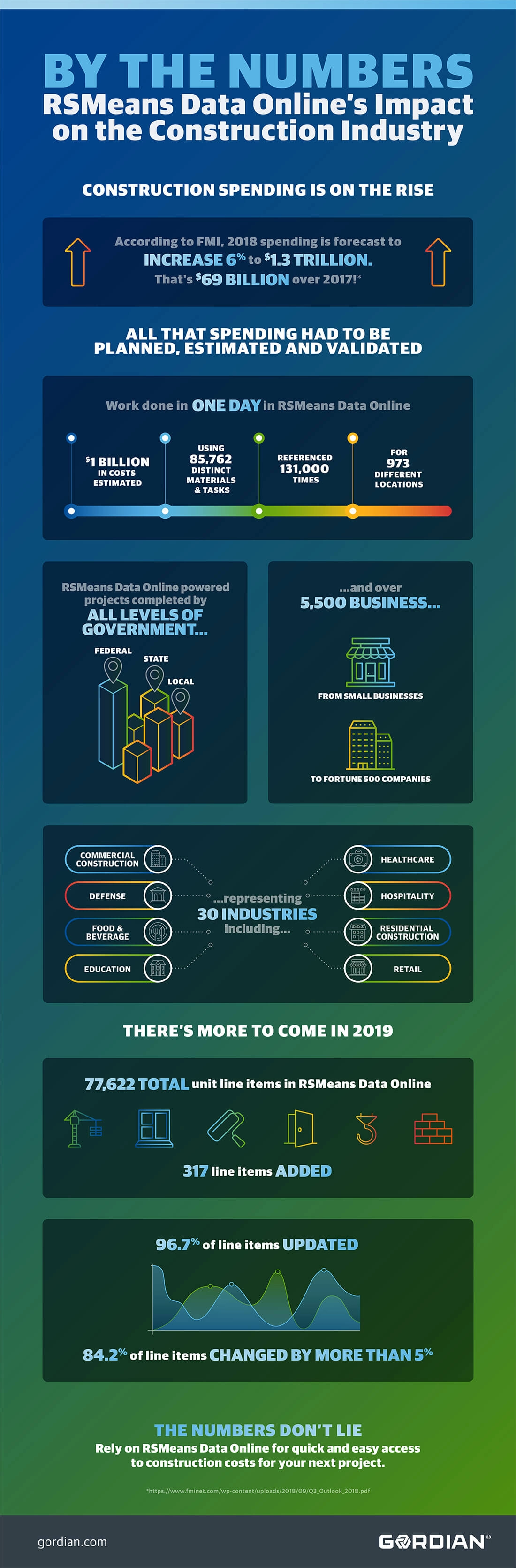
RS Means construction data is something I recently stumbled across while planning a home renovation project. It's a term that might not be familiar to everyone, but it's an essential tool for anyone in the construction industry or considering a building project. So, let's break it down and see why it's worth knowing about.
Unraveling the Mystery: What's RS Means All About?
RS Means construction data is a comprehensive resource for anyone involved in construction, from contractors to builders and even homeowners. It's like a secret weapon for those in the know, providing valuable insights and accurate information. This data covers a wide range of topics, including material and labor costs, project timelines, and industry trends. It's a go-to source for anyone wanting to stay informed and make smart decisions.
One of the key benefits of RS Means construction data is its ability to provide accurate cost estimates. Whether you're planning a small renovation or a large-scale construction project, having access to reliable cost data is crucial. It helps you budget effectively and compare quotes from different contractors. You'll know if a price seems fair or if there might be hidden costs.
Hiring the Right Team: A Contractor's Guide
When it comes to hiring contractors, RS Means construction data can be a game-changer. It empowers you to ask the right questions and make informed decisions. Before hiring, check their experience and ask for references. A good contractor should be able to provide a detailed quote, breaking down costs and explaining their process.
Naming Your Construction Business: A Creative Venture
If you're starting a construction business, choosing a name is an exciting step. A unique and memorable name can set you apart. Consider something that reflects your services or location. For example, "Build-It-Right Construction" or "Skyline Builders". It's important to check name availability and secure your domain and local business registration.
Exploring Construction Careers: More Than Meets the Eye
The construction industry offers a variety of roles beyond contractors. From estimators to project managers, there are diverse career paths. Estimators, for instance, use tools like RS Means to provide accurate cost estimates. They research and analyze data, ensuring projects stay on budget. These roles are in demand and offer great opportunities for growth.
A Bird's Eye View: The Industry's Big Picture
On a larger scale, RS Means construction data provides valuable insights into the industry as a whole. It helps track trends, understand market shifts, and forecast future costs. This data is essential for big construction firms planning large-scale projects. It allows them to make strategic decisions and stay competitive.
Keeping Up with the Times: Cost Indexes and Escalation
RS Means also offers cost indexes, which track and predict cost changes over time. These indexes are crucial for long-term projects, helping to account for inflation and other economic factors. The concept of escalation is key here, ensuring that budgets and estimates remain relevant as projects progress.
A Word of Advice: Check Local Rules
When it comes to construction, local rules and regulations can vary. It's always a good idea to check with your local building department for specific requirements. They can provide guidance on permits, zoning, and any unique considerations for your area.
In conclusion, RS Means construction data is a powerful tool for anyone involved in construction. It provides valuable insights, helps make informed decisions, and ensures projects stay on track. Whether you're a homeowner, contractor, or industry professional, it's worth exploring the benefits of this comprehensive resource.
Related: How to Read the Charter Oak Winery's Chart?
If you're seeking a quick reference on a specific winery, you've come to the right place. Charter Oak Winery is a name that might ring a bell for wine enthusiasts, and it's no surprise, given their reputation for quality. This winery, known for its attention to detail, offers an extensive wine list, providing an array of choices for any occasion. From the classic oak barrel aging to modern wine production processes, their wines are a true reflection of their dedicated craft.
Charter Oak Winery: A Guide to Understanding the Chart
Charter Oak Winery provides a comprehensive chart that offers valuable insights into their wine production process and the unique characteristics of their wines. This guide will help you decipher the information presented on the chart, ensuring an enjoyable and informed wine-tasting experience.
Key Details and Categories
The chart from Charter Oak Winery covers essential information about their wine offerings. It typically includes details such as the wine region, oak barrel aging duration, and wine production process techniques. Additionally, you'll find notes on the wine's aroma, taste, and texture, providing a sensory guide. Each wine is categorized by its varietal and vintage, offering a snapshot of its unique qualities.
Reading the Chart: A Step-by-Step Guide
To navigate the chart effectively, follow these steps:
Begin by locating the wine you wish to explore. The chart is typically organized by wine name or varietal, making it easy to find your preferred choice.
Once you've identified the wine, pay attention to the wine region it originates from. This provides context for the wine's unique characteristics, influenced by the region's climate and soil.
Take note of the oak barrel aging duration. This process imparts a range of flavors and textures, so understanding the aging time can offer insights into the wine's complexity.
Explore the wine tasting notes section. Here, you'll find detailed descriptions of the wine's aroma, taste, and texture. These notes guide you in appreciating the wine's unique sensory experience.
Finally, consider the wine production process techniques mentioned. Different methods, such as traditional or modern approaches, can influence the wine's overall profile.
Variations and Differences
It's important to note that wine production is an art, and variations can occur due to various factors. Here are some key considerations:
Wine region: Different regions have unique climates and soil compositions, leading to distinct grape characteristics and, consequently, variations in the resulting wine.
Oak barrel aging: The duration and type of oak barrels used can significantly impact the wine's flavor and texture. Longer aging periods often result in more complex and robust flavors.
Wine production process: Winemakers may employ different techniques, such as traditional or innovative methods, which can influence the wine's style and character.
Vintage: Each vintage year brings its own set of weather conditions and grape qualities, leading to unique wines within the same varietal.
Common Mistakes and How to Avoid Them
To ensure an accurate understanding of the chart and wine characteristics:
Avoid assuming that all wines from a specific region taste identical. Each wine region has diverse sub-regions, each with its own unique attributes.
Don't neglect the importance of oak barrel aging. The duration and type of oak used can significantly impact the wine's flavor profile, so pay attention to these details.
Be mindful of the wine production process techniques. Understanding the winemaker's approach provides context for the wine's style and character.
Remember that vintage variations are natural and can lead to unique wine experiences, even within the same winery and varietal.
Well, there you have it! A comprehensive guide to Charter Oak Winery and its unique offerings. Remember, when it comes to wine, context is key. So, be sure to consider your specific needs and preferences before making any decisions.
Feel free to explore our other guides and resources; we've got a wealth of information to help you navigate the world of wine with ease and confidence. Happy browsing, and cheers to your next wine adventure!