

Billing Invoice In Converge Overview
You're probably familiar with the door swing chart; it's a handy reference tool that quickly clarifies door swing direction and related details. This chart is your go-to guide, offering a simple visual representation to ensure you get the door swing direction and hand right. While the values and formats may vary depending on your region and specific context, the door swing chart provides a reliable framework to work from.
Understanding Door Swing: A Practical Overview
The door swing chart is an essential reference tool for anyone involved in construction, interior design, or even DIY projects. It provides a clear visual representation of standard door measurements and their swing directions. This chart is your guide to ensuring proper door installation and functionality.
Comparing Door Swing Directions and Standards
Door swing charts typically categorize doors based on their swing direction, which is determined by the door's hand and hinge direction. The chart presents options for left-swing and right-swing doors, with further specifications for inward or outward openings. These categories are crucial for ensuring doors open and close smoothly and safely.
The standards used in the chart may vary depending on the region and specific building codes. For instance, the door swing direction chart might use different measurements and labels for the US market compared to international standards. It's important to refer to the correct chart for your location to avoid any installation errors.
Step-by-Step Guide to Using the Door Swing Chart
To utilize the door swing chart effectively, follow these simple steps:
- Identify the required door opening direction: inward or outward.
- Determine the door's hand, which indicates the side of the door with the hinges.
- Locate the corresponding category on the chart, considering the door's swing direction and hand.
- Measure and note the standard door dimensions, including the width, height, and thickness, as specified on the chart.
- Ensure you have the correct hardware, such as hinges and handles, suitable for the chosen door swing direction.
Common Misreadings and How to Avoid Them
While the door swing chart is straightforward, there are a few potential pitfalls to be aware of:
- Door swing direction is not always intuitive. Ensure you understand whether the chart refers to the door's swing when viewed from inside or outside the room.
- Variations in standards: Be mindful of the chart's specific standard and region. If you're working with a unique or custom door, double-check the exact specifications to avoid errors.
- Door hand and hinge direction can be easily confused. Take a moment to clarify which side of the door is considered the hand and ensure it aligns with the chart's categories.
Remember, while the door swing chart provides a valuable reference, it's always beneficial to consult with professionals or refer to detailed installation guides for complex projects.
Door swing charts are a handy tool, offering a quick reference guide to help you navigate the world of door specifications. While the exact details may differ slightly, the core principles remain the same, ensuring a consistent and reliable resource.
Feel free to bookmark this page for future use; it's a great way to keep this practical information at your fingertips. And don't forget to explore other guides too; there's always something new to discover and learn!
Related: Nursery Renovation Cost Essential Guide
I'm just about to start planning my nursery renovation cost and I've been doing some research. It's a big project, and I want to make sure I'm prepared and get the best value for my money. I know it can be a bit overwhelming, so I thought I'd share my findings and hopefully help others out there who are in a similar situation.
Understanding the Costs
When it comes to nursery renovation cost, there are a few key factors that will influence the final price. The size of the nursery, the materials you choose, and the complexity of the design will all play a part. It's a good idea to get a few quotes from different contractors to compare prices and ensure you're getting a fair deal. Don't be afraid to ask questions and understand the breakdown of costs.
The labor costs can vary, and it's worth considering the skill level and experience of the contractors. You may find that more specialized work, like custom carpentry or electrical work, will cost more. It's a balance between finding skilled professionals and staying within your budget.
Finding the Right Contractor
Hiring a reputable contractor is crucial for a successful nursery renovation. Look for local companies with a good track record and positive reviews. Check their licensing and insurance, and don't be shy to ask for references. A good contractor will be happy to provide this information and will guide you through the process.
When getting quotes, make sure they are detailed and itemized. This will help you compare apples with apples and ensure you're not paying for unnecessary extras. Ask about their experience with similar projects and how they handle unexpected issues that may arise during the renovation.
Construction Company Names
If you're thinking of starting a construction business, choosing a name is an important step. It should be catchy, memorable, and reflect the nature of your work. Some ideas could be:
- Build-It-Better
- Renovate & Revive
- Constructive Solutions
- Home Transformation Co.
- Fix-It-Right
- The Build Crew
Remember to check the availability of the name and secure the relevant domains and local registrations.
Jobs and Salaries
The construction industry offers a range of roles, from general contractors to specialized tradespeople. Estimators, for example, play a crucial role in calculating nursery renovation cost and other construction projects. They assess the materials, labor, and time needed for a job, and their skills are in high demand.
You'll find job openings advertised online, through recruitment agencies, and sometimes even through word of mouth. Salaries can vary depending on experience, location, and the size of the company.
Industry Tools and Data
RSMeans is a well-known resource in the construction industry. It provides cost data and estimating tools to help contractors and businesses plan and manage projects effectively. This kind of tool is essential for accurate nursery renovation cost estimates and ensures that businesses can provide competitive quotes.
Big Companies and the Industry
The construction industry is diverse, with a range of small, medium, and large companies. Larger firms often have the resources to take on bigger projects and may have more specialized teams. They can offer a wider range of services and have the capacity to manage multiple projects simultaneously.
However, smaller companies can also bring unique advantages, like a more personalized service and the ability to offer more flexibility and creativity in their work. It's a matter of finding the right fit for your project.
Next Steps
So, there you have it! I hope this has given you some insight into nursery renovation cost and the factors that influence it. Remember, it's important to do your research, get multiple quotes, and find a contractor you trust. Good luck with your renovation project, and I wish you a beautiful and functional nursery space!
Related: easy paper craft for kindergarten fun creative ideas
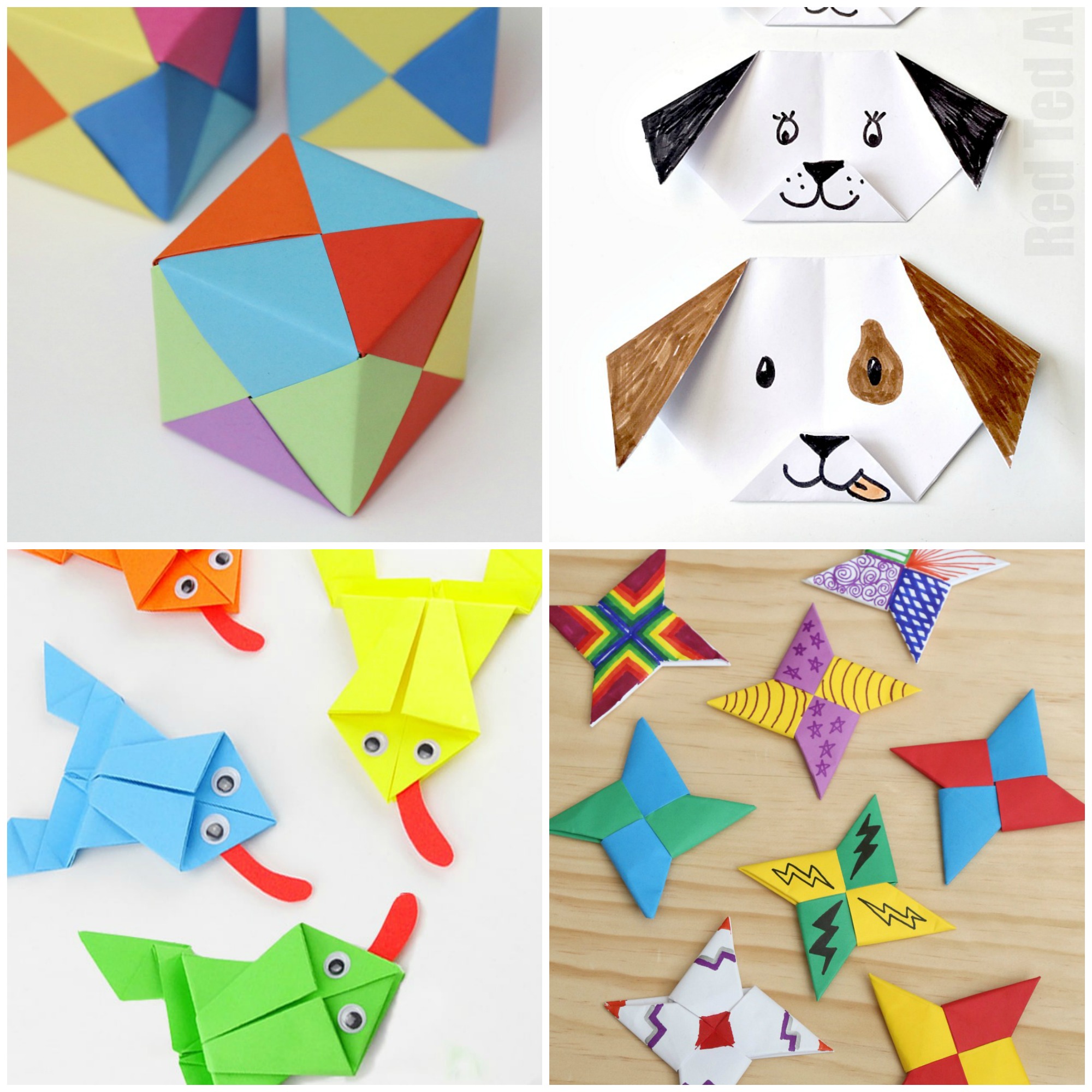
Easy paper craft for kindergarten is a fun and simple way to get creative with your little ones, and it's something I've really enjoyed doing with my kids. It's a great activity to keep them entertained and engaged, and it's so satisfying to see their little faces light up with pride when they've made something cool.
So, what is this all about? Well, it's basically a collection of craft ideas that use paper as the main material. These crafts are designed to be accessible and fun for kids, with simple steps and minimal supervision needed. It's a brilliant way to encourage their creativity and fine motor skills, and it's an affordable activity too!
You can find a whole range of ideas online, from the classic paper chain to more intricate pop-up cards. Some ideas are seasonal, like making paper snowflakes for Christmas, while others are more general and can be done anytime. The best part is that these crafts often require very few materials - paper, scissors, glue, and maybe some crayons or markers.
Getting Started
If you're new to this, I'd recommend starting with some basic folding and cutting activities. You can teach them how to make simple shapes like squares and triangles, and then use those to create fun designs. For example, folding a piece of paper into a fan shape is a great way to introduce the concept of symmetry and pattern-making.
Step It Up
Once they've got the hang of the basics, you can introduce more complex crafts. One of my favorites is making paper boats. It's a classic for a reason - it's easy, and kids love seeing their creations float in water! You can also try making paper hats, which is a fun way to encourage imagination and role-play.
The beauty of easy paper craft for kindergarten is that it's so adaptable. You can tailor the difficulty level to your child's age and abilities, and you can often use these crafts as a springboard for other activities. For instance, making a paper doll might lead to a fun dress-up game, or creating a paper city could inspire some imaginative play.
So, why not give it a go? It's a brilliant way to spend some quality time with your kids, and you might just discover a new hobby together!