









Billing Invoice Template Overview
You're here because you want a quick insight into that HRV chart by age you've been looking at. It's a handy tool, right? A simple chart can offer a lot of insight, and when it comes to HRV, these visual references are key.
The age-based chart is a great starting point, but did you know there are also charts for gender, fitness level, and activity? These charts can vary slightly, so it's good to keep an eye out for any specific details that might be relevant to you.
Understanding HRV Charts: An Overview
An HRV chart by age is a valuable tool to assess your heart rate variability, which is a measure of the time interval between heartbeats. This chart provides insights into your overall health and fitness level. It's like having a personal guide to understand your body's response to various factors.
Comparing HRV Chart Standards and Categories
When you look at an HRV chart by age, you'll notice different categories or color-coded sections. These represent various age groups, typically in 10-year intervals, such as 20-29, 30-39, and so on. Each category has specific ranges or values associated with it. For instance, the chart might show optimal HRV values for different ages, helping you understand where you stand.
Step-by-Step Guide to Reading an HRV Chart Accurately
Identify your age group: Start by finding the category or color that matches your age range. This is your reference point.
Check the values: Within your age group, you'll see a range of numbers. These represent the typical HRV values for people of your age. Compare your own HRV measurement to this range.
Interpret the results: If your HRV value falls within the optimal range for your age group, it's a good sign! It indicates your heart is functioning efficiently and your overall health is on track. If your value is lower, it might suggest room for improvement, and you can take steps to enhance your cardiovascular health.
Common Misreadings and How to Avoid Them
It's important to remember that HRV charts by age are general guidelines. Individual variations exist, so don't panic if your HRV value is slightly outside the optimal range. Factors like gender, fitness level, and activity can also influence HRV. For instance, highly active individuals might have different HRV patterns. Always consider these factors when interpreting your HRV chart.
Factors Affecting HRV Chart Accuracy and Real-World Use
Several factors can impact the accuracy of your HRV chart reading. First, ensure you're using the correct chart for your region or standard. Some charts might use different units or ranges, so double-check the specifications. Additionally, your lifestyle choices, such as diet, exercise, and stress levels, can significantly affect your HRV. For instance, regular exercise tends to improve HRV. Lastly, remember that HRV charts provide a snapshot of your health. Consistent monitoring over time is key to understanding your body's trends and making informed decisions about your well-being.
Hey there! I hope this guide has been helpful and given you a clear understanding of HRV charts and their use. Remember, while we've covered the basics, there are always some nuances to consider. Exact details might vary slightly, so it's good to keep an open mind and adapt as needed.
Feel free to explore our other guides for more practical tips and insights. And don't forget to bookmark this page for future reference—it's a handy tool to have at your fingertips!
Related: Construction Companies That Build Schools Simple Guide
Construction companies that build schools are an essential part of our communities, and yet, they often go unnoticed. Every time I walk past a new school building or see an old one getting a much-needed upgrade, I'm reminded of the hard work and expertise that goes into these projects. So, let's explore what these companies do, why they matter, and how they impact our lives.
Building Knowledge: An Inside Look
Construction companies that build schools specialize in creating educational spaces. They take on the task of designing, constructing, and often remodeling these facilities to provide the best learning environments for students. From kindergarten classrooms to university lecture halls, these companies play a vital role in shaping our educational infrastructure.
The process involves a lot more than just bricks and mortar. It requires careful planning, skilled labor, and an understanding of educational needs. These companies work closely with architects, engineers, and educational experts to ensure the final product meets all the necessary standards and regulations. They consider factors like safety, accessibility, and the unique requirements of different age groups and subjects.
What Makes a Good School Construction Company?
When it comes to choosing a company for your school project, there are several key factors to consider. First and foremost, you want a company with a proven track record in educational construction. Look for experience and a portfolio that showcases a variety of school projects. This ensures they understand the specific needs and challenges of building for education.
Another crucial aspect is communication. A good construction company will keep you informed throughout the process, providing regular updates and addressing any concerns promptly. They should also be transparent about their pricing and provide detailed, itemized quotes. Remember, it's not just about the initial cost but also the long-term value and durability of the construction.
Naming the Game: Construction Company Names
Naming a construction company is an art in itself. A good name should be memorable, professional, and reflect the company's expertise and values. It might include a reference to education, learning, or the specific services they offer. Here are a few original ideas:
- Educonstruct
- Build-Ed
- Schoolhouse Builders
- Learning Legacy Construction
- Scholar's Choice
- Smart Build
Before settling on a name, it's essential to check its availability for domains and local business registration. A unique and available name will help your construction company stand out and be easily found.
The People Behind the Projects
Construction companies that build schools employ a range of skilled professionals. From project managers and estimators to architects and engineers, each role is crucial to the success of a school construction project. These individuals bring their expertise and passion to create functional, inspiring spaces for learning.
Project managers, for instance, oversee the entire process, ensuring everything stays on track and within budget. Estimators provide cost analyses and help with financial planning. Architects and engineers design and plan the building, considering structural integrity and functionality. Each role is vital, and these professionals often work together seamlessly to bring a school project to life.
Final Thoughts
Construction companies that build schools are more than just builders; they're creators of learning environments. Their work impacts the education and future of our communities. By understanding the process, the people involved, and the factors that influence construction, we can appreciate the value and complexity of these projects. So, the next time you pass a school, take a moment to think about the hard work and dedication that went into its creation.
Related: Read the Nail Shape Chart: A Simple Guide
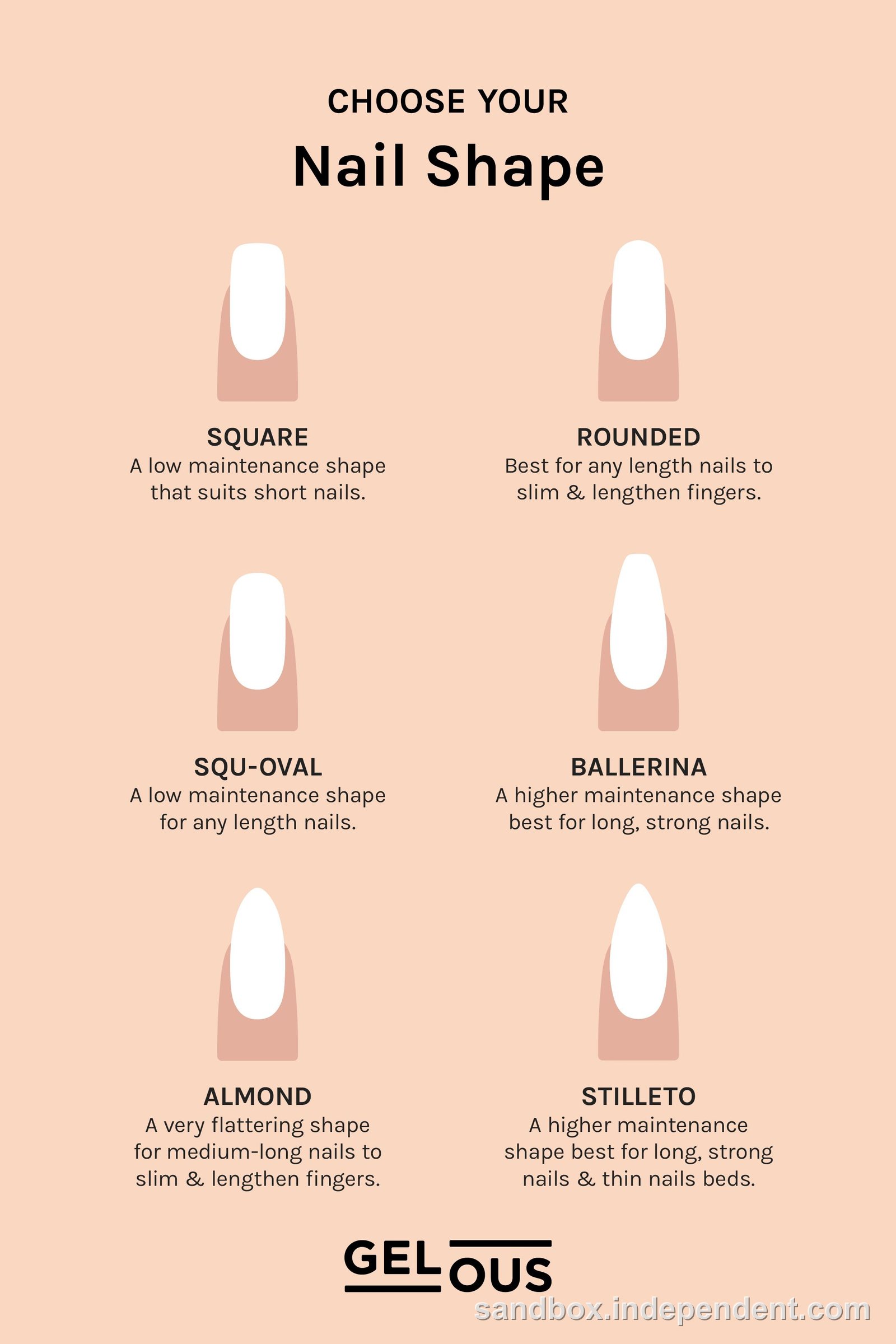
You've probably come across the nail shape chart and are keen to explore its practical uses. This handy reference tool is a great way to discover and understand the different nail shapes and their names. It's a simple yet effective guide, offering a visual representation of various nail shapes, which can be a real asset when you're looking for inspiration or wanting to communicate your nail preferences clearly. While the chart provides a great starting point, it's worth noting that nail shape names and trends can vary, so it's always fun to explore and find your favorite!
Understanding the Nail Shape Chart
The nail shape chart is a handy reference tool for anyone interested in nail care and design. It provides a visual guide to different nail shapes and lengths, offering a simple way to communicate your desired nail look to a nail technician or to achieve consistent results at home. This chart is a great starting point for nail enthusiasts and professionals alike.
Key Details and Categories
The nail shape chart typically features a range of standard nail shapes, including classic options like square, oval, and almond, as well as more unique styles like coffin, stiletto, and mountain peak. Each shape is represented by a visual icon or illustration, making it easy to identify and choose your preferred style. Additionally, the chart often includes a measurement guide, showing common nail lengths and their corresponding sizes. These measurements are usually in millimeters or inches, depending on the standard used.
How to Read and Apply the Chart
Using the nail shape chart is straightforward. First, identify the shape you desire by matching it to the visual icons on the chart. Then, refer to the measurement guide to choose the length that suits your preferences and nail type. You can either communicate these choices to your nail technician or use the chart as a guide when shaping your nails at home. If you're unsure about the best shape for your nails, the chart can also inspire new looks and help you experiment with different styles.
Variations and Differences
It's important to note that while the nail shape chart provides a great starting point, variations can occur due to different standards and personal preferences. For instance, the exact measurements for each shape and length may vary slightly between charts, especially when comparing US and international standards. Additionally, individual nail technicians might have their own unique interpretations and techniques, leading to subtle differences in the final nail shape.
Common Mistakes and How to Avoid Them
One common mistake is relying solely on the chart without considering your nail type and personal comfort. It's essential to choose a shape and length that complements your natural nail bed and overall hand shape. Additionally, be mindful of your daily activities and lifestyle; certain shapes and lengths may be more practical or comfortable for your routine. Always consider these factors to ensure you achieve a look that suits your needs and preferences.
Tips for Accurate Results
To ensure accurate results when using the nail shape chart, it's crucial to measure your nails regularly, especially if you're growing them out or maintaining a specific length. This helps you stay consistent and achieve the desired look. Additionally, invest in good-quality nail files and buffers to shape and smooth your nails effectively. Practice makes perfect, so don't be afraid to experiment and find the techniques that work best for you. Remember, the nail shape chart is a guide, and with practice, you'll develop your own nail shaping skills.
Hey there! I hope this nail shape chart has given you a clear understanding of the different options and how to achieve your desired nail look. Remember, while the basics remain the same, the exact details might vary slightly depending on the context and your personal preference.
It's always a good idea to bookmark this page for future reference, especially when you're trying out new nail shapes or designs. You'll find it's a handy tool to have on hand!