

Billing Invoice Template Google Docs Overview
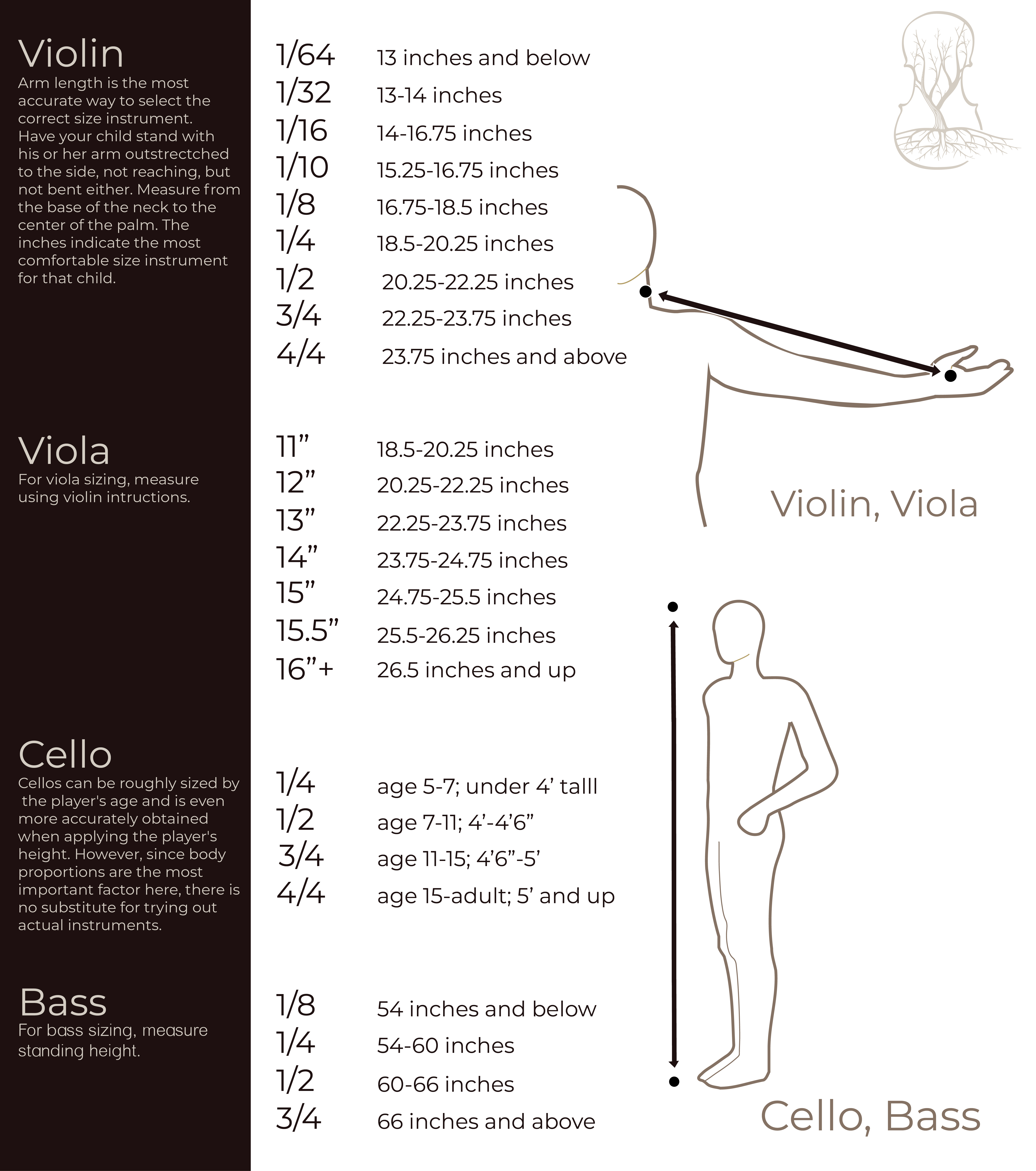
You're likely here because you need a quick solution, and that's exactly what the violin size chart offers. It's a simple yet effective tool, providing an at-a-glance guide to violin sizing. Whether you're a parent seeking the right violin for your child or a musician looking for a new instrument, this chart is your reliable companion.
While it may seem straightforward, there are a few things to note. Sizing can vary slightly depending on the brand and region, so it's always good to cross-reference. The chart includes standard violin dimensions, but it's always wise to check specific violin measurements too.
Understanding Violin Size Charts
Violin size charts are your guide to choosing the perfect-sized violin, especially for beginners and kids. These charts provide a clear, visual reference to help you match your body size to the ideal violin dimensions. It's an essential tool to ensure comfort, playability, and a positive learning experience.
Key Details and Categories
A violin size chart typically includes two main categories: body length and violin size. Body length refers to the measurement from your neck to the palm of your hand when your arm is extended. This measurement helps determine the appropriate violin size. Violin sizes are usually given as fractions, such as 1/8, 1/4, 1/2, and so on, indicating the instrument's overall length. These fractional sizes are especially useful for children, as they grow and progress in their violin journey.
How to Read and Apply the Chart
Using a violin size chart is straightforward. First, measure your body length as described earlier. Then, locate your measurement on the chart's body length scale. The chart will guide you to the corresponding violin size, ensuring a comfortable fit. For example, if your body length measurement falls within the range for a 1/4 violin, that's the size you should choose. It's as simple as that!
- Measure your body length.
- Find your measurement on the chart.
- Follow the chart's guidance to the recommended violin size.
- Select the violin with the indicated size.
Variations and Differences
While violin size charts provide a great starting point, it's important to note that individual preferences and playing styles can influence the ideal violin size. Some players may prefer a slightly larger or smaller violin for comfort or sound reasons. Additionally, the type of music played and the player's physical attributes can also impact the choice. It's always a good idea to consult with a violin teacher or specialist to fine-tune your selection.
Common Mistakes and How to Avoid Them
One common mistake is relying solely on age to determine violin size. While age can be a rough guide, it's not an accurate indicator of body size or playing ability. Always measure your body length and use the violin size chart as the primary reference. Another mistake is assuming all charts are the same. Different charts may use varying units or have slight differences in recommendations. Always double-check the chart's units and compare it to a trusted source or expert advice. Lastly, don't rush the process. Taking the time to choose the right violin size will ensure a comfortable and enjoyable playing experience.
Hey there! I hope this violin size chart has been helpful and easy to understand. Remember, while we've covered the basics, exact details can differ slightly, so always double-check your sources.
This guide is a handy reference, but we've got plenty more where that came from! Feel free to explore our other practical guides; we've got something for everyone. And when you need a quick reminder, just bookmark this page for future use. Happy violin adventures!
Related: Understand Sanibel Tide Chart: A Quick Guide
You're probably here because you need a quick answer, a reliable reference, or a simple guide to understanding the Sanibel tide chart. It's a handy tool, a visual aid, and a practical way to stay informed about the tides in your area. Whether you're planning a beach day, a fishing trip, or just need to know the tide levels, Sanibel Island tide times can be a helpful resource. These charts provide an easy way to visualize and predict the tide's behavior, and with various formats and standards, you'll find one that suits your needs.
Understanding Sanibel Tide Charts
A sanibel tide chart is your go-to guide for predicting tide levels and times on Sanibel Island. It's a handy tool for beachgoers, fishermen, and anyone who wants to plan their water-based activities. These charts provide a visual representation of the tides, making it easy to understand when the water will be at its highest or lowest points.
Reading Tide Data: Standard Formats
The sanibel tide chart typically displays two key pieces of information: tide height and time. You'll see the height represented in feet or meters, depending on the chart's standard. For instance, a common format might show "3.5 ft" or "1.05 m" to indicate the tide's height. The time is usually in a 24-hour clock format, so "15:00" represents 3 PM.
Step-by-Step Guide to Using a Sanibel Tide Chart
- First, identify the date and time you're interested in. This is crucial for accurate planning.
- Locate the corresponding time on the chart. It's often presented in a table format, with times listed horizontally across the top.
- Read the tide height for that time. If it's a table, the height will be in the relevant column.
- Remember, these are predictions, so actual conditions may vary slightly. Always check the current conditions before heading out.
- For a more detailed plan, you can also note the tide's direction (incoming or outgoing) and speed, which might be indicated on the chart.
Common Misreadings and How to Avoid Them
It's easy to misinterpret a sanibel tide chart, especially if you're new to reading them. One common mistake is assuming the tide will be at its highest or lowest exactly on the hour. In reality, tides transition gradually, so the extreme points often occur a few minutes before or after the hour. Another pitfall is not considering the chart's specific location. Remember, tides can vary slightly across different areas of Sanibel Island. Always double-check the location the chart refers to.
Factors Affecting Accuracy and Real-World Use
Several factors can influence the accuracy of a sanibel tide chart. Weather conditions, particularly strong winds or storms, can cause significant variations in tide levels. Additionally, the moon's phase and its proximity to Earth can impact tidal patterns. While the chart provides a reliable prediction, it's always a good idea to keep an eye on the actual conditions, especially during extreme weather events. Furthermore, the chart's accuracy relies on the data it's based on, which is usually collected over a long period. So, while it offers a great guide, it's not foolproof for every situation.
Well, there you have it! A comprehensive guide to understanding and utilizing the Sanibel tide chart. We've covered the basics, compared different formats, and walked through the process of reading and interpreting the data.
Remember, while this guide provides a solid foundation, it's always a good idea to consider your unique circumstances. Factors like your specific location, the time of year, and any local variations can impact the accuracy of your readings. So, take a moment to ensure you've got the right context before you set sail!
Feel free to explore our other guides and resources for more practical tips and insights. We've got you covered for all your coastal adventures!
Related: What is a screw sizes chart?
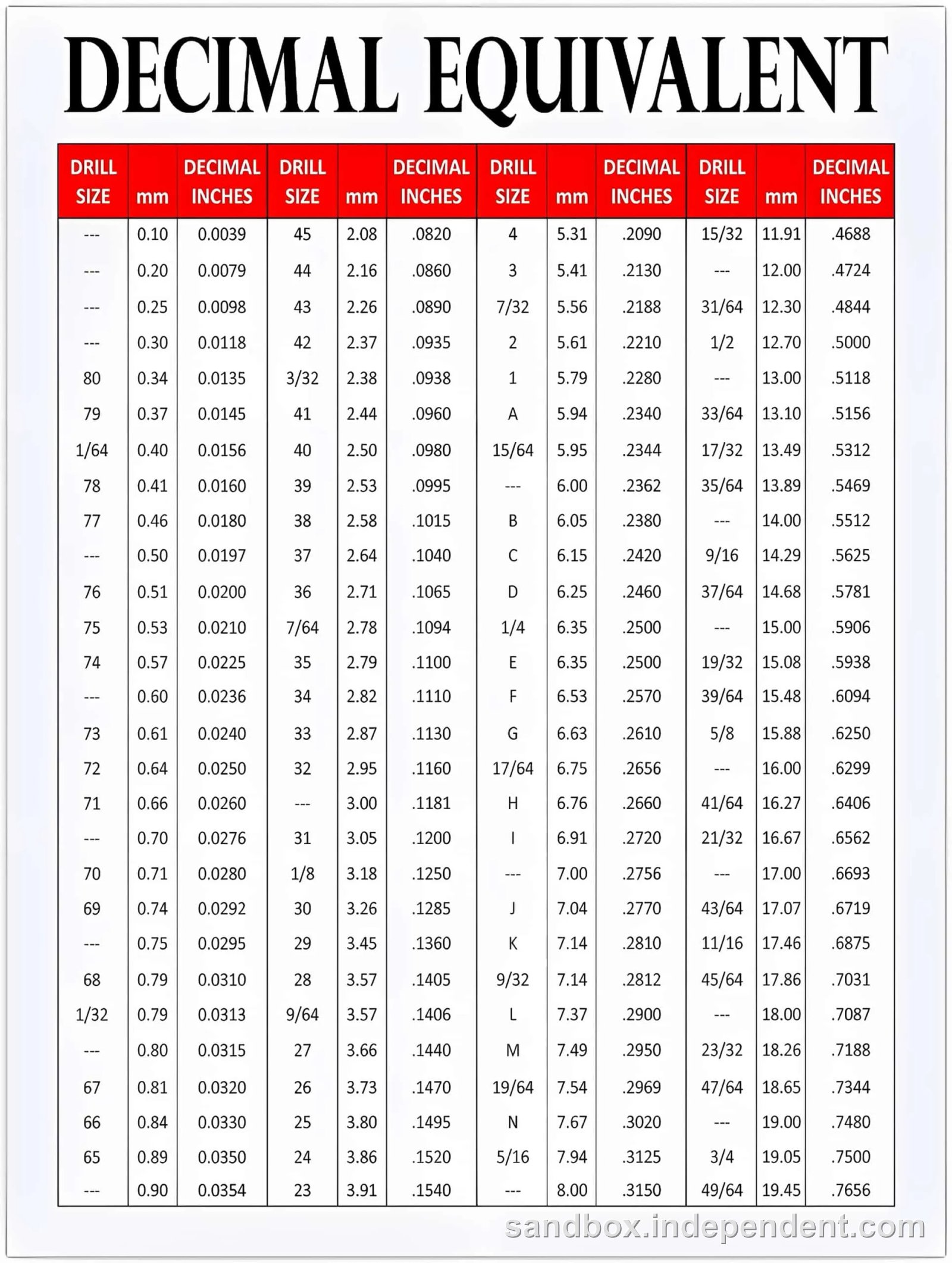
A screw sizes chart is a handy tool for anyone working with screws and fasteners. It's a simple yet effective way to ensure you're using the right screw for the job. This guide will show you how to navigate and utilize these charts, covering the basics and offering some practical tips.
You'll find these charts provide valuable information, from screw gauge measurements to thread pitch details. They can vary slightly depending on the standard or region, but the key is to understand the format and you'll be able to apply this knowledge to any project.
Understanding Screw Sizes Chart
The screw sizes chart is your practical guide to choosing the right screw for any project. It's a handy reference tool that simplifies the process of selecting screws based on their size and other key characteristics. This chart is a visual representation of screw dimensions, making it easy to identify and compare different screw types.
Key Details and Units
Before diving into the chart, let's understand the basics. Screw sizes are typically described using two main measurements: the diameter and the length. The diameter refers to the width of the screw's thread, while the length is the overall height of the screw from the head to the tip. These measurements are crucial for ensuring a proper fit and function.
Additionally, screws have different thread types, such as coarse or fine threads, which affect their strength and suitability for various materials. The chart will also indicate the thread pitch, which is the distance between threads.
Reading and Applying the Chart
Using the screw sizes chart is straightforward. First, identify the screw's intended use and the material it will be securing. Then, locate the relevant section on the chart that corresponds to your needs.
The chart typically organizes screws by diameter, with each row representing a specific diameter size. Within each row, you'll find columns indicating the length and other relevant details. Simply match the required diameter and length to find the perfect screw for your project.
For example, if you need a screw with a diameter of 6mm and a length of 25mm, locate the 6mm diameter row and scan across to find the 25mm length column. Here, you'll find the recommended screw size, along with any additional information, such as thread type and pitch.
Variations and Differences
It's important to note that screw sizes charts can vary depending on the standard being used. There are different measurement systems, like the metric system and imperial system, which use different units and ranges. Additionally, specific industries or applications may have their own unique standards and tolerances.
For instance, the metric system uses millimeters for screw sizes, while the imperial system uses inches. So, when referring to a screw sizes chart, ensure you are using the correct standard for your region or industry.
Common Mistakes and How to Avoid Them
One common mistake is assuming that all screw charts follow the same format and units. Always double-check the standard being used to avoid confusion and ensure accuracy.
Another pitfall is not considering the thread type and pitch. These factors are crucial for ensuring the screw's compatibility and performance. Always refer to the chart's key for an explanation of thread types and their meanings.
Lastly, remember that screw sizes can vary slightly between manufacturers. While the chart provides a general guide, it's always a good idea to verify the exact specifications with the manufacturer's documentation or consult with a professional for precise recommendations.
Well, there you have it! A handy guide to screw sizes and their charts. Remember, while these charts provide a solid foundation, exact values can differ slightly, so it's always good to double-check.
Don't stop here! Our site offers a range of practical guides to help you tackle various DIY and home improvement projects. Why not explore some more and discover new tips and tricks?