


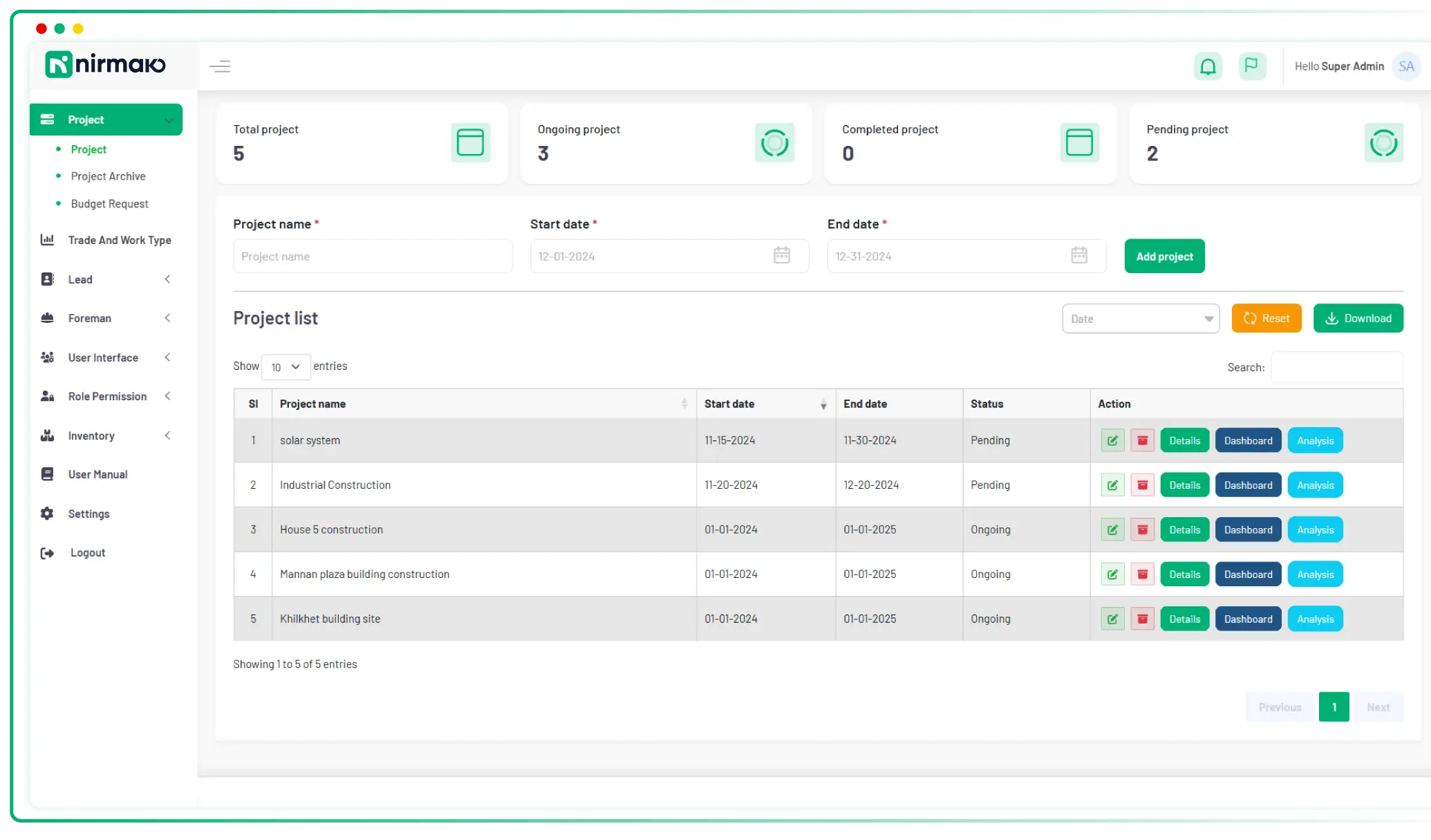
Billing Invoice Website Overview
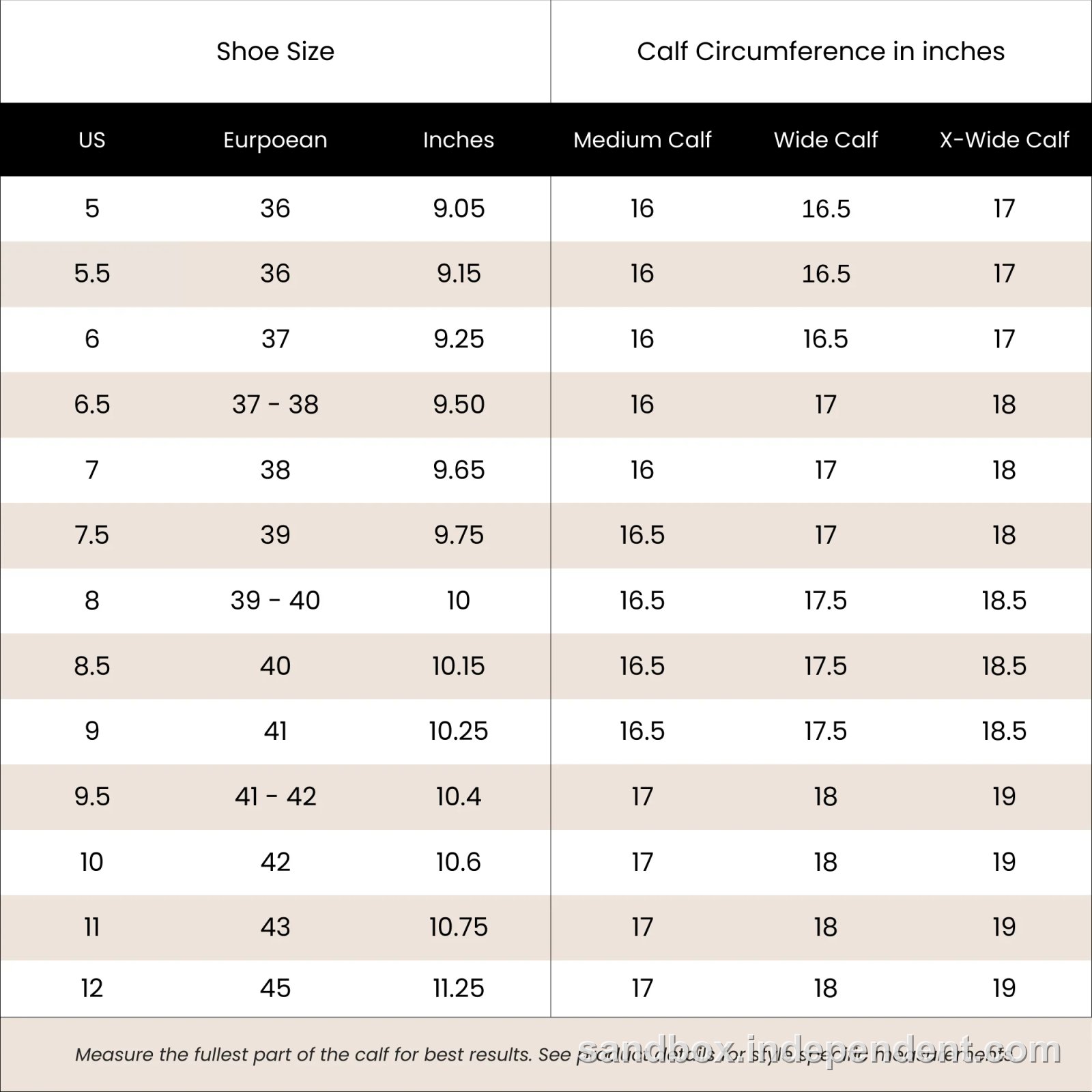
A bike length chart is often misunderstood as a complex and confusing tool, but it's actually a simple and handy reference for any cyclist. Many riders assume it's an exact science, but the truth is, these charts are versatile and offer a range of options.
While it's a great starting point, the measurements can vary depending on your riding style and preferences. The chart provides a guide, but you can adjust and personalize your bike setup with a few simple checks, like seat height and reach.
Understanding the Bike Length Chart
The bike length chart is a handy tool for cyclists, offering a simple guide to choosing the right bike size. It's a reference point, helping you find the ideal fit for your height and riding style. This chart is a great starting point, but it's important to remember that it's not an exact science; there are other factors to consider too.
Comparing Bike Size Options
Bike size charts typically list bike frame sizes, often in inches or centimeters, and match them to rider height. You'll find charts for different bike types, like road, mountain, or hybrid bikes, each with its own size standards. These charts may also include other measurements like wheel diameter and seat height, offering a more comprehensive guide.
Choosing the Right Size: A Step-by-Step Guide
Start by identifying your primary use for the bike. Different riding styles require different fits. For example, a road bike might need a more aggressive position, while a leisure rider might prefer a more upright, comfortable position.
Check your height and compare it to the chart. Most charts will have a range of heights for each frame size, so find the one that best fits your height.
Consider your comfort and riding style. If you're between sizes, choose the larger frame for a more relaxed position, or the smaller for a more aggressive, performance-oriented fit.
Don't forget about other measurements. Check the wheel diameter and seat height to ensure they align with your preferences and riding needs.
Common Misreadings and How to Avoid Them
It's easy to misinterpret a bike length chart. One common mistake is assuming the chart is an exact science. While it's a great guide, it's not a guarantee of a perfect fit. Another pitfall is forgetting to consider other measurements, like reach and standover height, which can impact comfort and safety.
Factors Affecting Accuracy
Several factors can influence the accuracy of your bike size choice. These include your riding style, personal preferences, and the specific brand and model of the bike. It's always a good idea to double-check the exact specifications and tolerances of the bike you're interested in. Some brands may have slightly different standards, so it's worth checking their size guides too.
Well, there you have it! A handy bike length chart is a great tool to have in your cycling toolkit. It offers a quick and easy reference, but remember, it's always good to double-check the specific details for your bike's make and model.
Exact values can vary slightly, so it's best to confirm with your bike's manufacturer or a trusted bike shop. This chart is a brilliant starting point, but your bike's unique features might require a little extra attention. So, keep this page bookmarked for future reference, and you'll always have a quick and handy guide to refer to when needed!
Related: RSMeans Cost Estimating Essential Guide
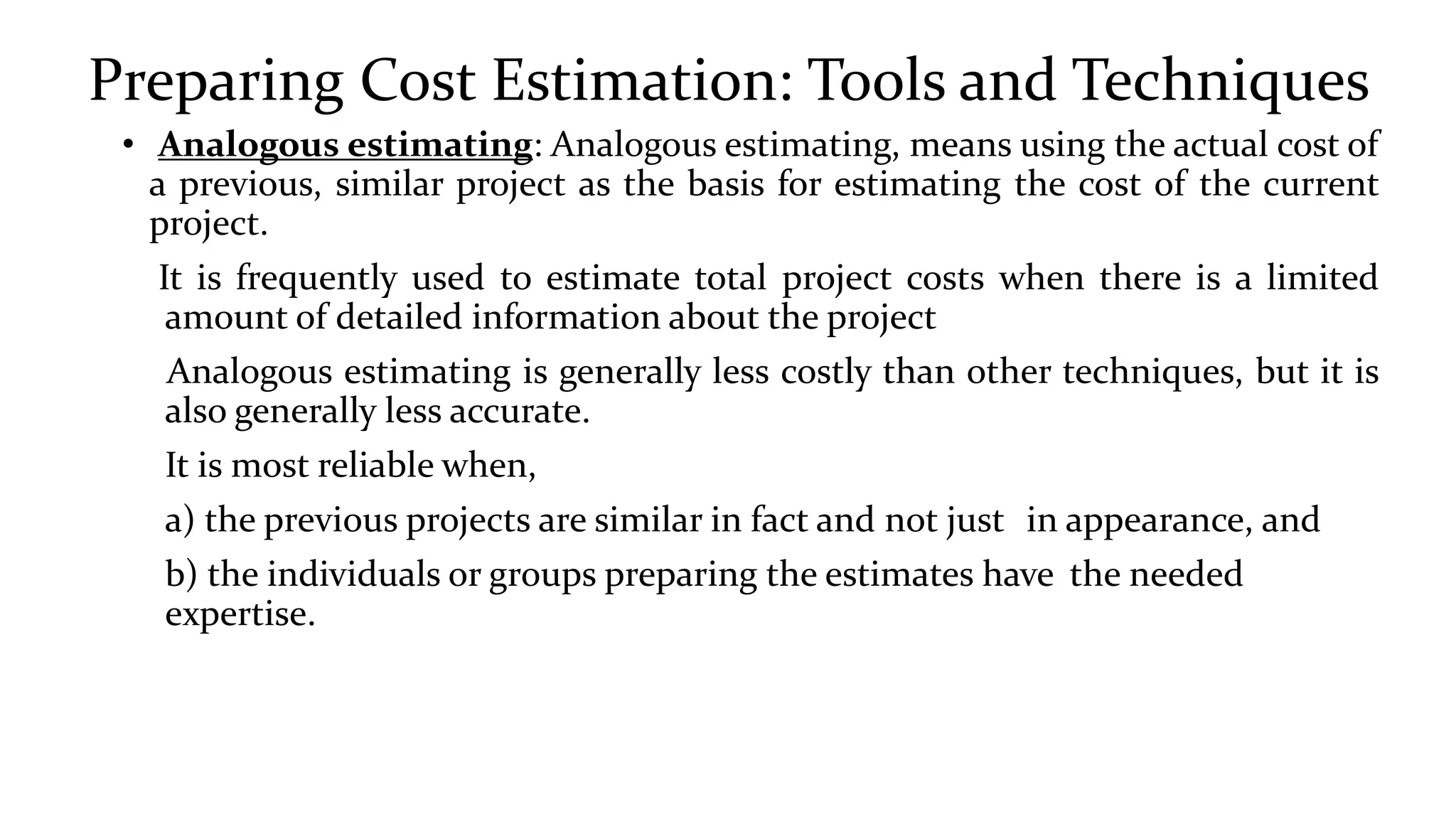
I was chatting with a friend the other day, and they mentioned how they wanted to do some home renovations but were overwhelmed by the costs. That got me thinking about means cost estimating and how it can help us navigate these projects. So, let's break it down and see what it's all about!
Understanding Means Cost Estimating
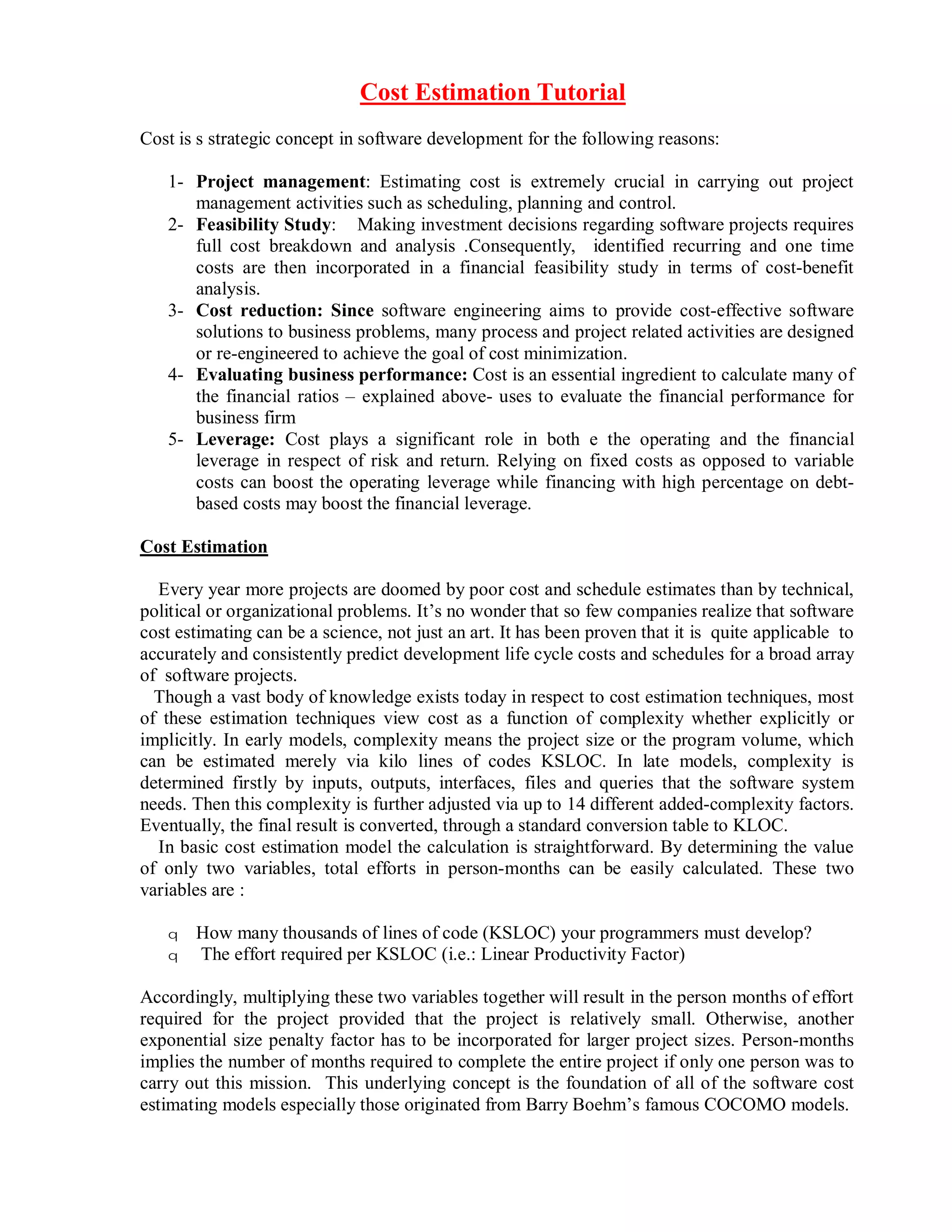
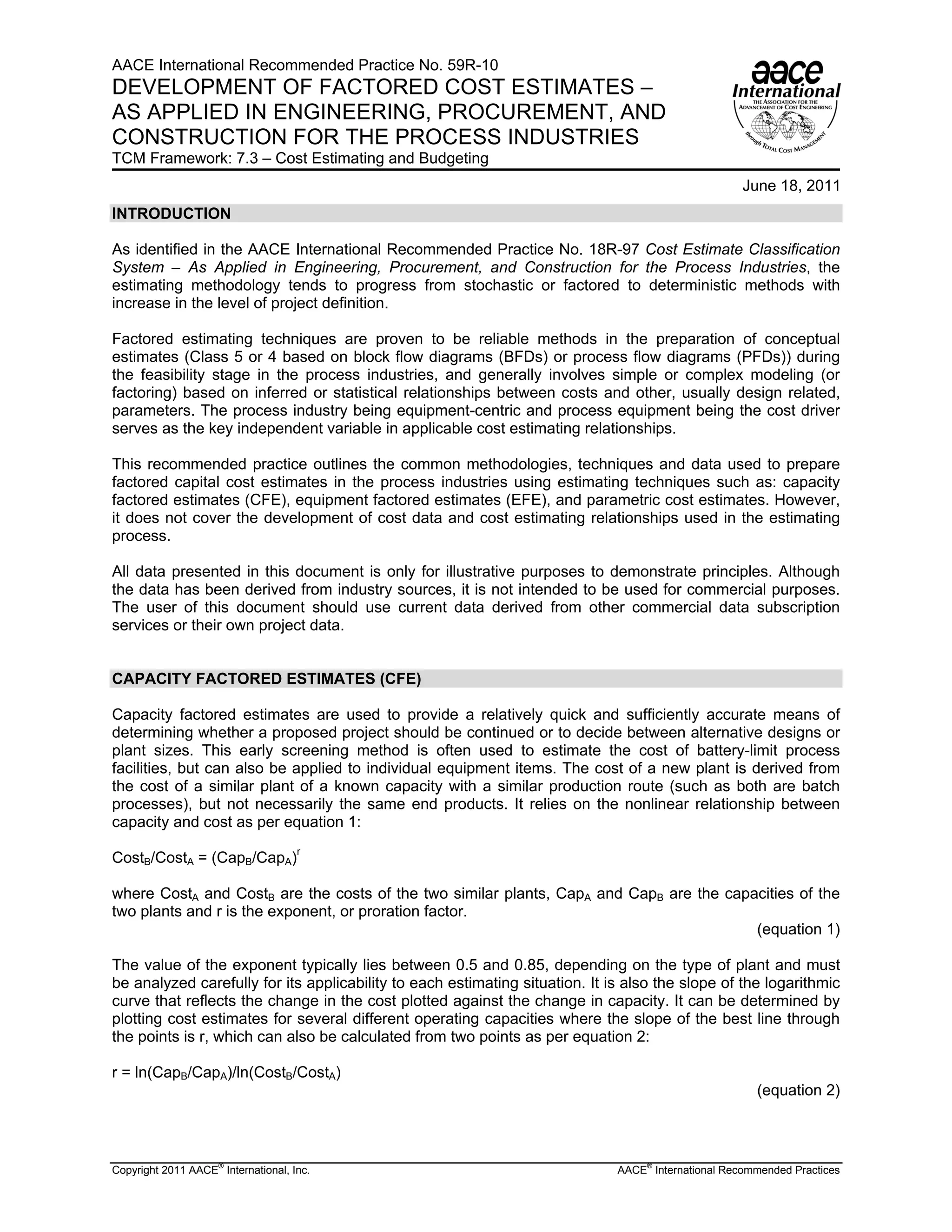
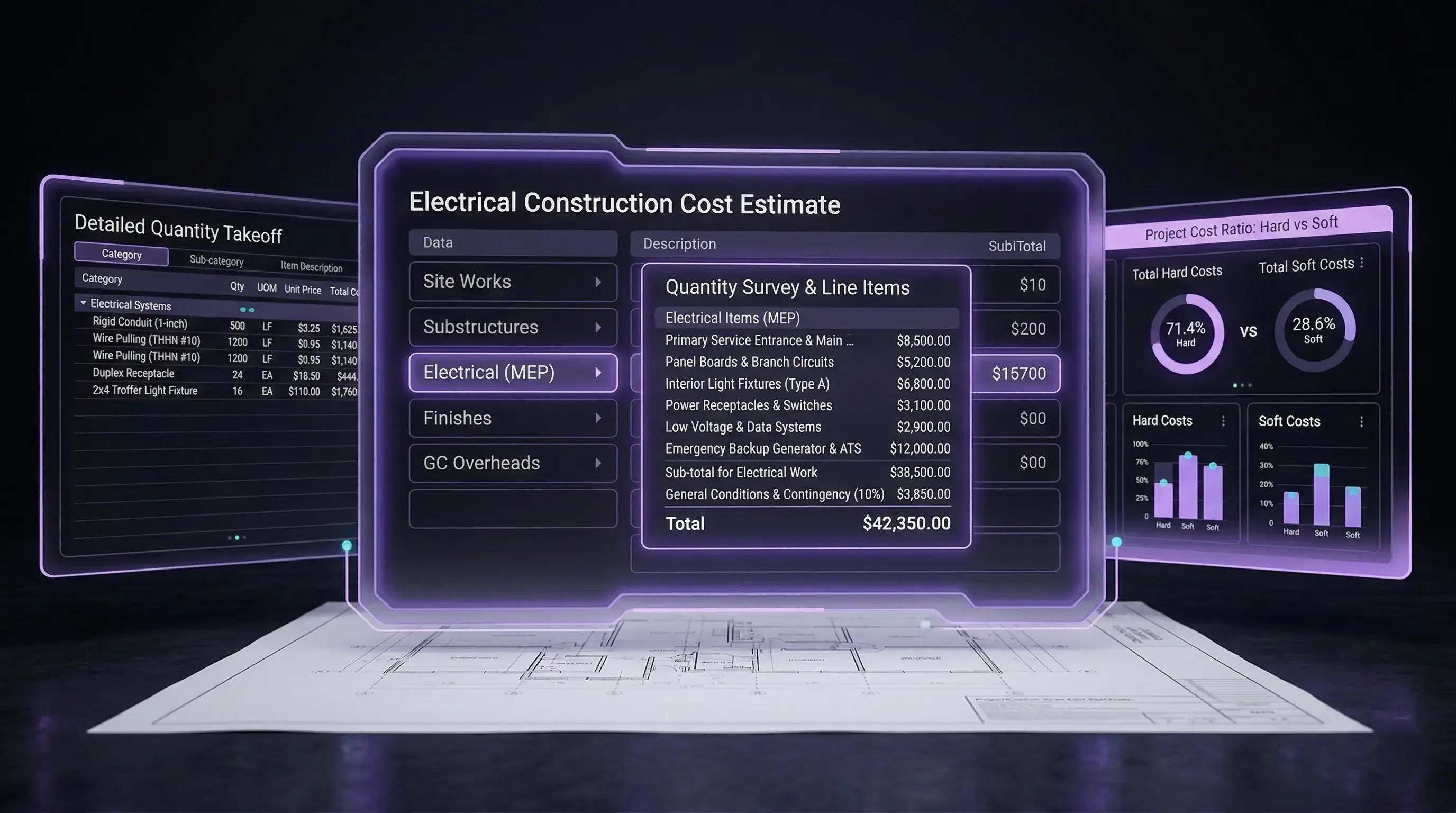
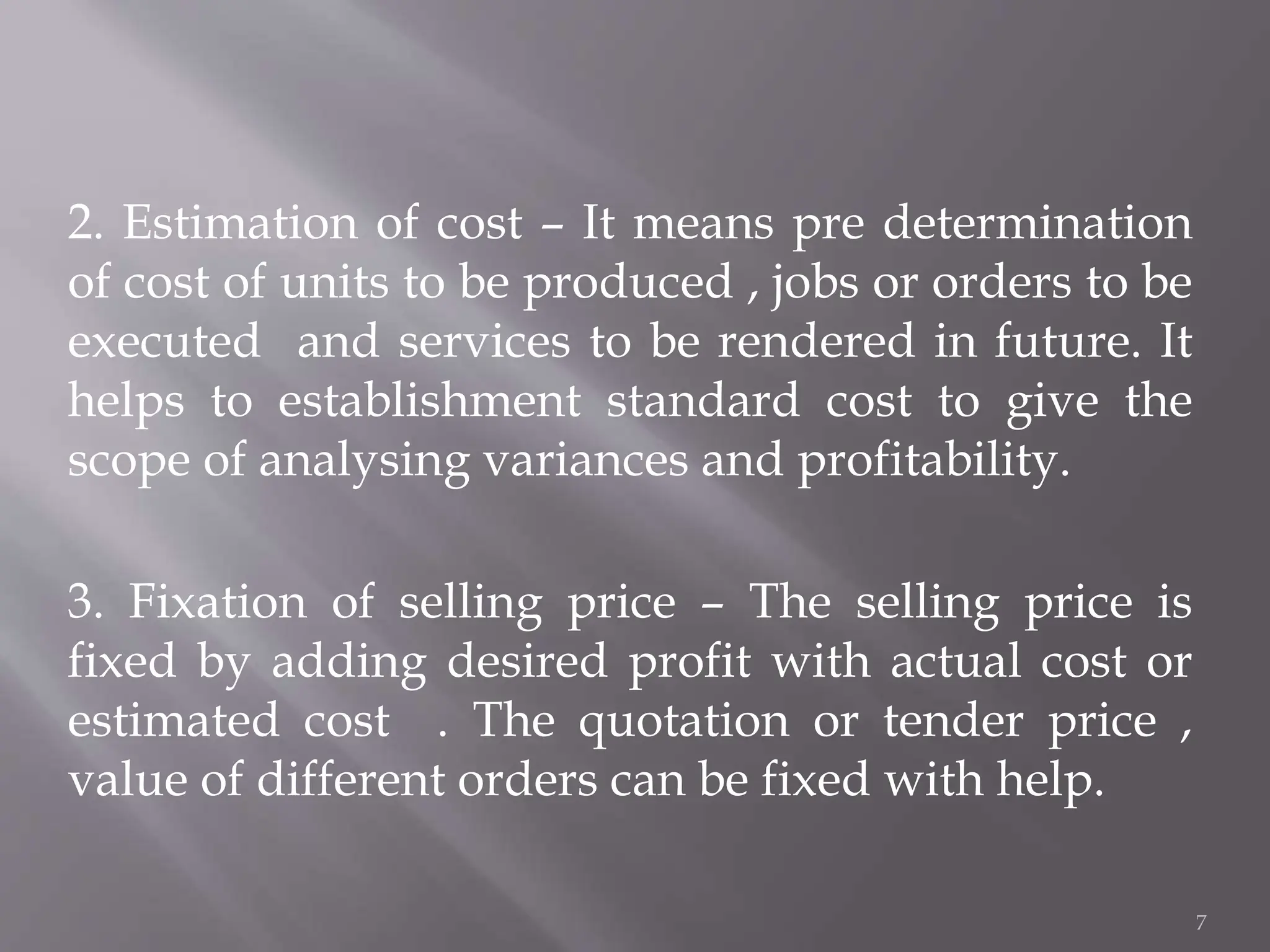
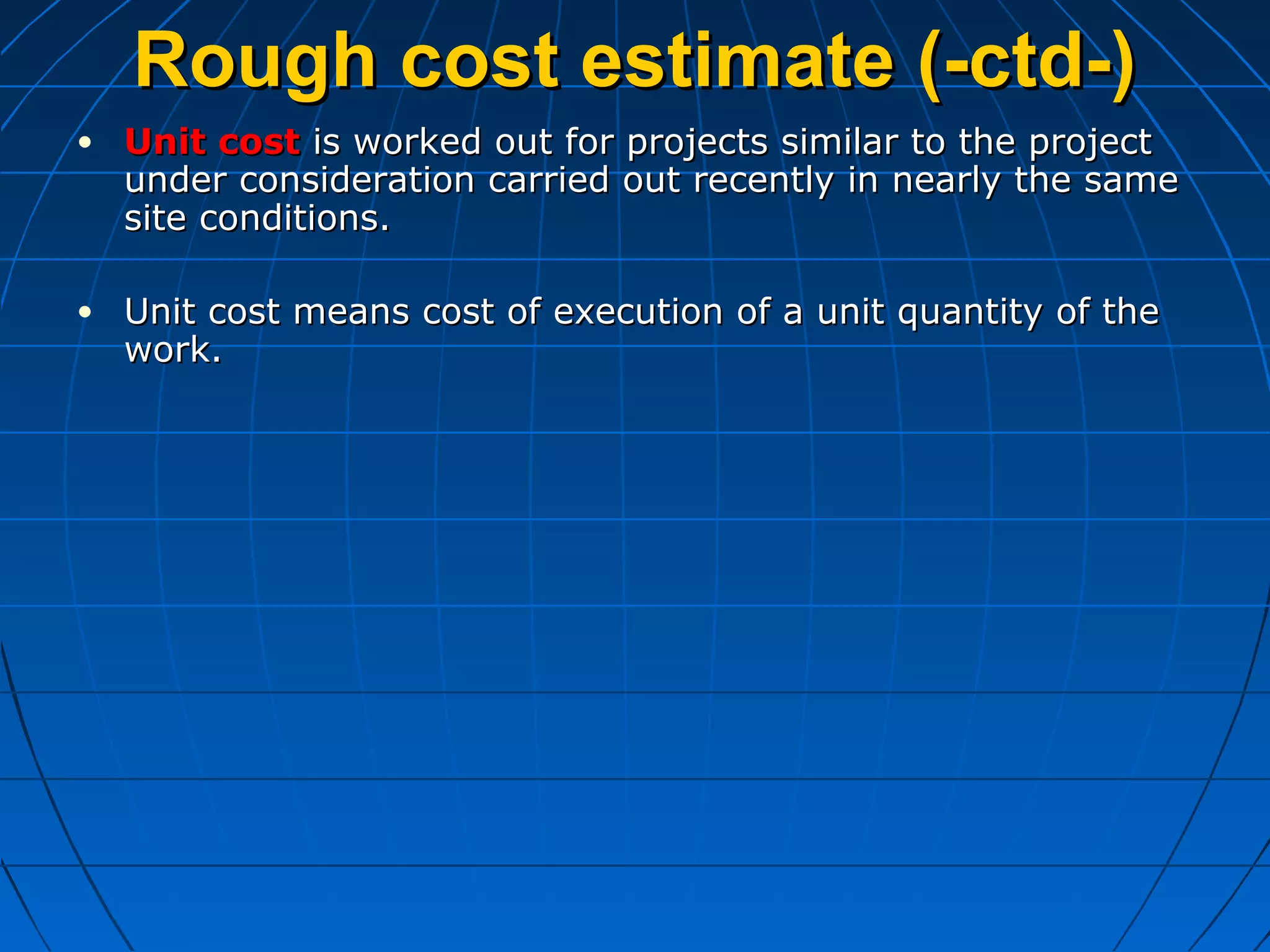
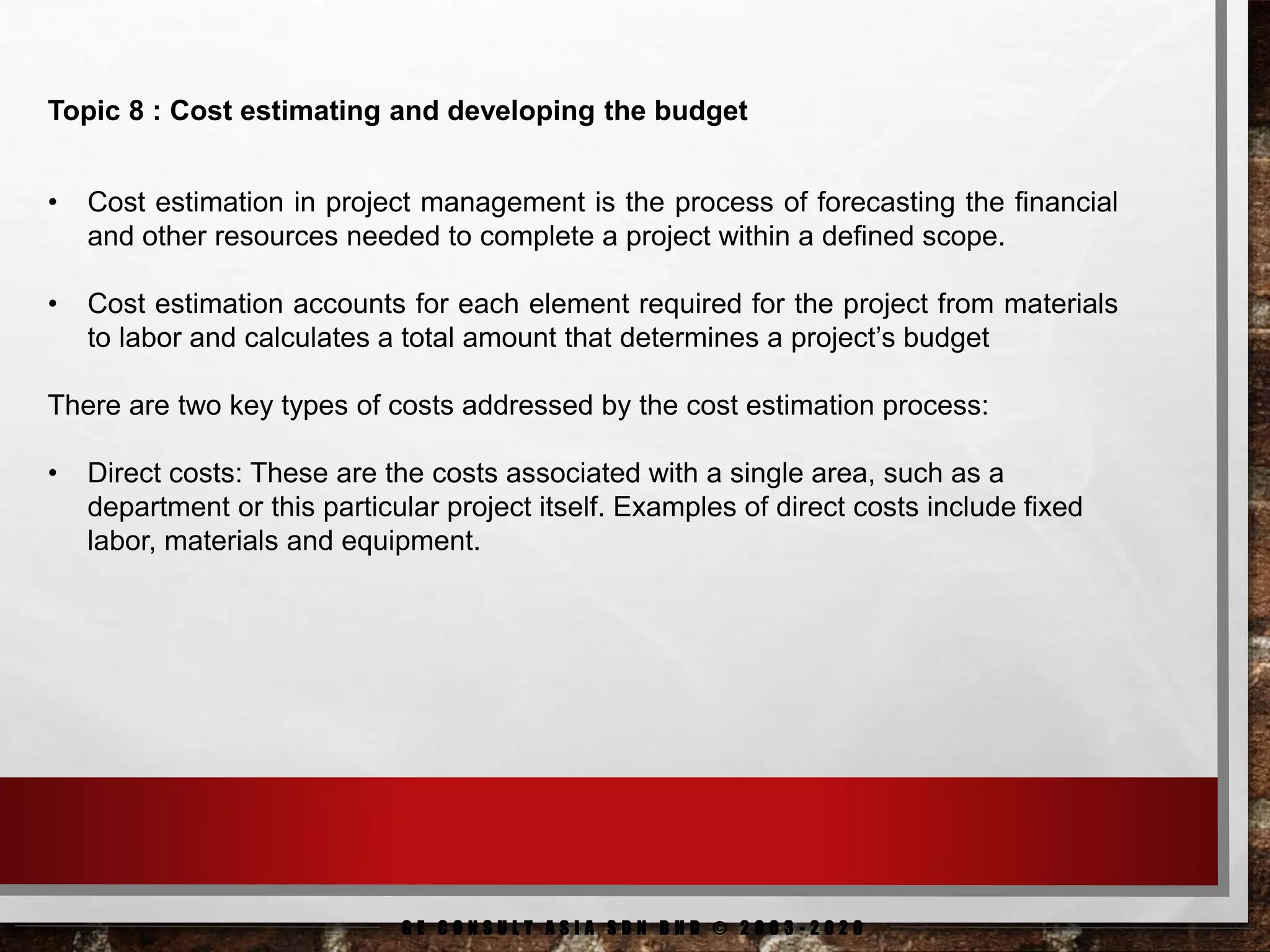
Means cost estimating is a method used in the construction industry to calculate and predict the expenses of a project. It's like a roadmap for builders, helping them plan and budget effectively. This process considers various factors, such as materials, labor, equipment, and even unexpected costs, to provide an accurate estimate. It's a crucial step for any construction project, big or small, and it ensures that you, as a homeowner or business owner, have a clear idea of what you're getting into financially.
What Affects the Cost?
The cost of a construction project can vary greatly depending on several factors. For instance, the size and complexity of the project play a significant role. A simple bathroom renovation will differ greatly from a full-scale house addition. The materials chosen also impact the budget; high-end finishes will cost more than basic ones. Additionally, labor costs can vary by region and the availability of skilled workers. It's essential to get multiple quotes to compare and understand these variations.
Hiring a Contractor
When it comes to hiring a contractor, there are a few things to consider. First, check their credentials and experience. Ask for references and examples of their previous work. A good contractor will provide a detailed estimate, outlining the costs and scope of the project. Ensure they have the necessary licenses and insurance. It's also beneficial to ask about their process and how they handle unexpected issues. A transparent and communicative contractor is often a good sign.
Construction Company Names
Naming a construction company is an important step. It should be memorable, reflect your business values, and stand out. Some construction company names I've come across that I quite like are:
- Build-It-Right
- HomeCrafters
- SkyHigh Construction
- Earthbound Builders
- Structure Solutions
- Renova Renovations
Remember to check the availability of these names and secure the relevant domains and local registrations.
Jobs and Opportunities
The construction industry offers a range of jobs, and means cost estimating is just one aspect. There are roles for estimators, project managers, site supervisors, and more. These jobs often involve working with clients, understanding their needs, and providing solutions. Many construction companies post job openings on their websites or local job boards. It's a great industry to be in, offering a variety of career paths and the satisfaction of seeing your work come to life.
Industry Tools and Resources
Means cost estimating often utilizes tools like RSMeans, a comprehensive database that provides cost data for various construction projects. It's a valuable resource for estimators and contractors, offering accurate information on material and labor costs. Additionally, the industry uses cost indexes to track and predict price fluctuations, ensuring estimates remain relevant. These tools help keep the construction industry efficient and competitive.
Large vs. Small Firms
The construction industry has a range of companies, from small, local businesses to large, national firms. Small firms often provide a more personalized service and may be more flexible with pricing. They tend to focus on local projects and have a deep understanding of the community. Large firms, on the other hand, have the resources to take on bigger projects and often have a wider reach. They may offer more specialized services and have a broader network of connections.
Wrapping Up
So, there you have it! Means cost estimating is a vital process in the construction world, helping us understand and manage costs effectively. Whether you're a homeowner planning renovations or a business owner looking to expand, it's a tool that can provide valuable insights. Remember, when it comes to construction, knowledge is power, and a well-informed decision is always the best one.
Related: Understand Deer Age Charts: A Simple Guide
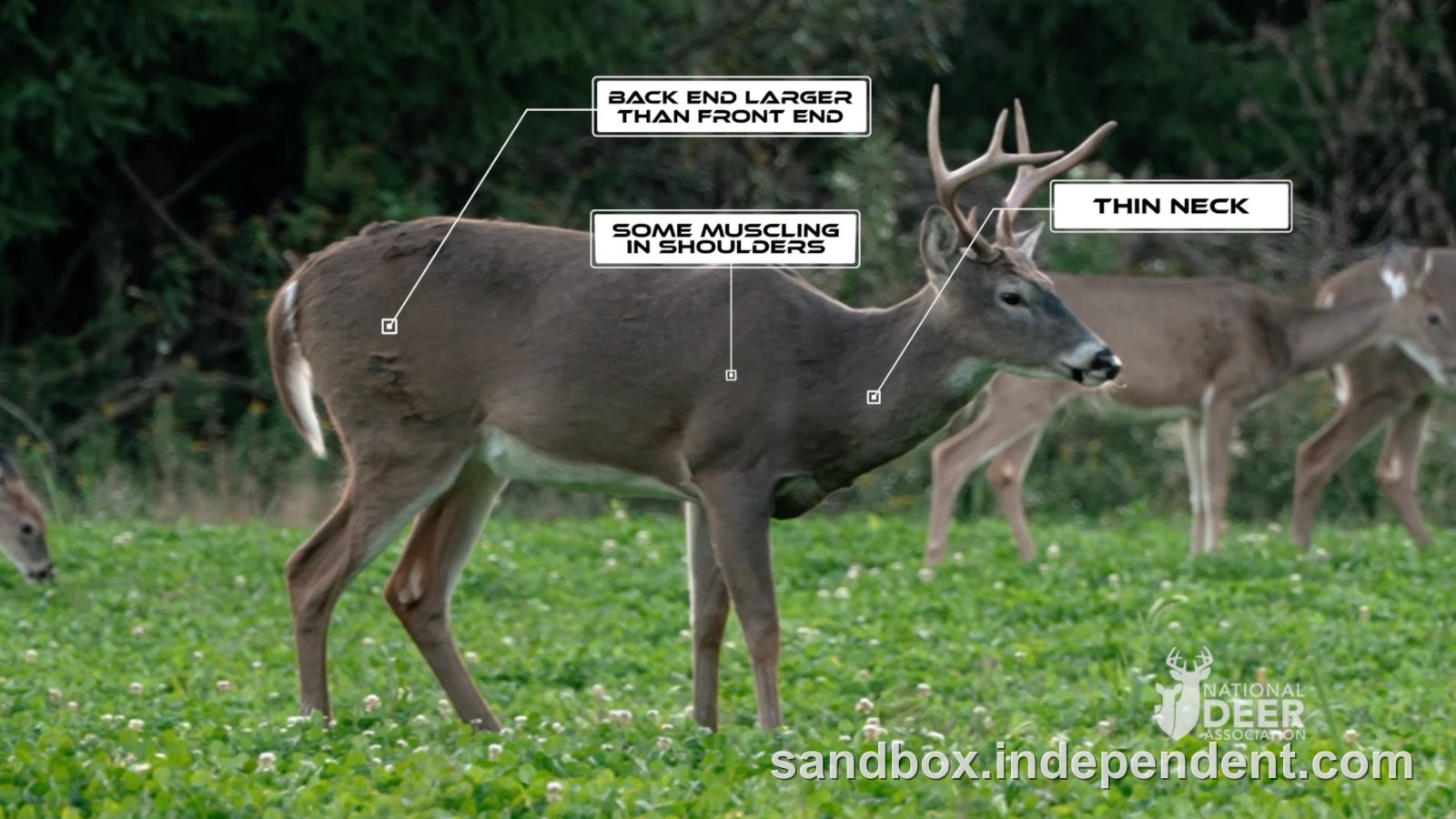
Many outdoor enthusiasts and hunters may assume that estimating a deer's age is an innate skill, but it's actually a precise art that requires a deer age chart as your trusted companion. While it may seem simple, misreading these charts can lead to inaccurate assessments.
The deer age chart, a vital tool for whitetail deer aging, relies on tooth wear and other visual cues. These charts provide a standardized way to estimate a deer's age, but it's important to note that variations exist, often depending on the region and specific deer species.
A Comprehensive Guide to the Deer Age Chart
The deer age chart is an invaluable tool for hunters, wildlife enthusiasts, and researchers, providing an accurate estimate of a deer's age. This chart, often referred to as a tooth wear chart, is a visual representation of the relationship between a deer's teeth and its age. It serves as a practical guide to help determine the age of a deer based on the condition of its teeth.
Comparing Chart Formats and Standards
There are several versions of the deer age chart available, and they can vary slightly depending on the region and the specific deer species being considered. Some charts are designed for whitetail deer aging, while others cater to different deer varieties. It's essential to use the appropriate chart for your region and the deer species you encounter. These charts typically provide a clear and easy-to-read visual representation, often with color-coded categories or a simple diagram.
Step-by-Step Guide to Accurate Deer Age Estimation
Using the deer age chart is a straightforward process, but accuracy is key. Here's a simple guide:
Examine the Deer's Teeth: Focus on the lower jaw, specifically the incisor teeth. These teeth are a reliable indicator of age.
Assess Tooth Wear: Look for signs of wear and erosion. The more worn the teeth, the older the deer.
Consult the Chart: Refer to the deer age chart and match the tooth wear pattern with the corresponding age category. The chart will often provide a range of ages, so select the most appropriate age based on your observation.
Consider Other Factors: While tooth wear is a primary indicator, other factors can influence the accuracy. These include the deer's overall health, diet, and environmental conditions. For instance, a deer with a poor diet may exhibit faster tooth wear.
Practice and Experience: Like any skill, estimating deer age improves with practice. Study various deer teeth patterns and compare them to the chart to refine your skills.
Common Misreadings and How to Avoid Them
While the deer age chart is a reliable tool, there are a few potential pitfalls to avoid:
Deer Aging by Teeth Variations: Different deer species and even individual deer can exhibit variations in tooth wear patterns. Always double-check the specific chart for your region and species.
Environmental Factors: Extreme environmental conditions, such as a harsh winter, can affect tooth wear. Consider these factors when estimating age.
Antler Size Chart: While antler size can indicate a deer's maturity, it's not a reliable indicator of age. Focus on the teeth for accurate age estimation.
Individual Differences: Deer, like all animals, are unique. Some may exhibit faster or slower tooth wear, so always refer to the chart as a guide, but trust your observations and experience.
By following these steps and being mindful of potential variations, you can accurately estimate a deer's age using the deer age chart, contributing to your understanding of deer populations and their behavior.
Remember, while this guide provides a solid framework, the specifics might shift a bit based on your unique circumstances. Every deer and every situation is a little different, so it's important to adapt and stay curious.
We've got a whole library of practical guides and resources here, so feel free to explore and discover more. You might just find the perfect tool to enhance your outdoor adventures and make the most of your time in nature. Happy trails!