

Bit Size Chart Free Printable Overview
A hair color chart is a valuable tool for anyone seeking to explore the world of hair coloring, offering a visual guide to an array of shades and tones. This simple yet effective reference, often presented as a table or diagram, provides an easy way to navigate and understand the vast options available. In this guide, we'll uncover the key elements of the hair color chart, ensuring you can confidently interpret and utilize it for your hair coloring needs. Whether you're a professional stylist or a home enthusiast, a basic understanding of this chart is essential, as it can vary slightly between brands and regions.
Hair Color Chart: A Visual Guide to Hair Dye
Hair color charts are essential tools for anyone looking to achieve a specific hair color. These charts provide a visual representation of various hair shades, helping individuals choose and understand the desired color outcome.
Key Details and Categories
The hair color chart typically consists of a range of colors, often organized in a grid or palette format. Each color is assigned a unique code or number, indicating its position on the chart. These codes are essential for accurate communication when selecting and purchasing hair dye. The chart may also include additional information, such as tone, level, and intensity, to further describe the color.
Reading and Applying the Chart
To use the hair color chart effectively, follow these steps:
Identify the desired hair color by referring to the chart. Compare the existing hair color to the chart to determine the best match or desired change.
Note the color code or number associated with the chosen shade. This code is crucial for selecting the correct hair dye product.
When purchasing hair dye, check the product label for the color code. Ensure it matches the desired shade to avoid any surprises.
Follow the instructions provided with the hair dye for application. Pay attention to the recommended development time and any specific mixing instructions.
Test the color on a small strand of hair before full application. This step helps ensure the desired result and prevents any unwanted surprises.
Variations and Differences
It's important to note that hair color charts can vary depending on the standard or brand being used. Different manufacturers may have their own unique charts and color codes. Additionally, factors like lighting, hair porosity, and previous hair treatments can influence the final color outcome.
Lighting conditions can affect how the color appears, so consider testing the dye in natural light to get an accurate preview.
Hair porosity, which refers to the hair's ability to absorb moisture, can impact color absorption and intensity.
Previous hair treatments, such as bleaching or using certain shampoos, can also alter the way hair absorbs and displays color.
Common Mistakes and How to Avoid Them
One common mistake is relying solely on the hair color chart without considering individual hair characteristics. Always take into account your hair's natural color, texture, and any previous treatments. Another pitfall is neglecting to test the dye on a small section of hair before full application. This simple step can prevent unwanted color results.
Practical Tips for Accurate Results
To achieve accurate results, consider the following best practices:
Consult with a professional hairdresser or colorist, especially if you're new to hair dye or seeking a dramatic change. They can provide expert advice and ensure a safe, satisfactory outcome.
Understand the hair color levels and their impact on the final result. Levels refer to the lightness or darkness of a hair color, and choosing the right level is crucial for achieving the desired shade.
Be aware of the color wheel and how colors interact. Complementary colors can enhance each other, while contrasting colors may create a unique effect.
When mixing colors, start with a small amount and gradually add more to avoid over-saturation or unwanted results.
Remember, hair color charts are valuable guides, but they are not infallible. Always consider individual hair characteristics and consult professionals when needed.
Remember, while this guide provides a solid foundation, the specifics may differ slightly depending on the context and reference you're working with. It's always a good idea to double-check and adapt to your particular situation.
Feel free to explore our other guides for more practical tips and insights. We've got a range of topics covered, so you can find the information you need to navigate any project with confidence. Happy learning and experimenting!
Related: Get the Right Rug Size: A Clear Chart Guide
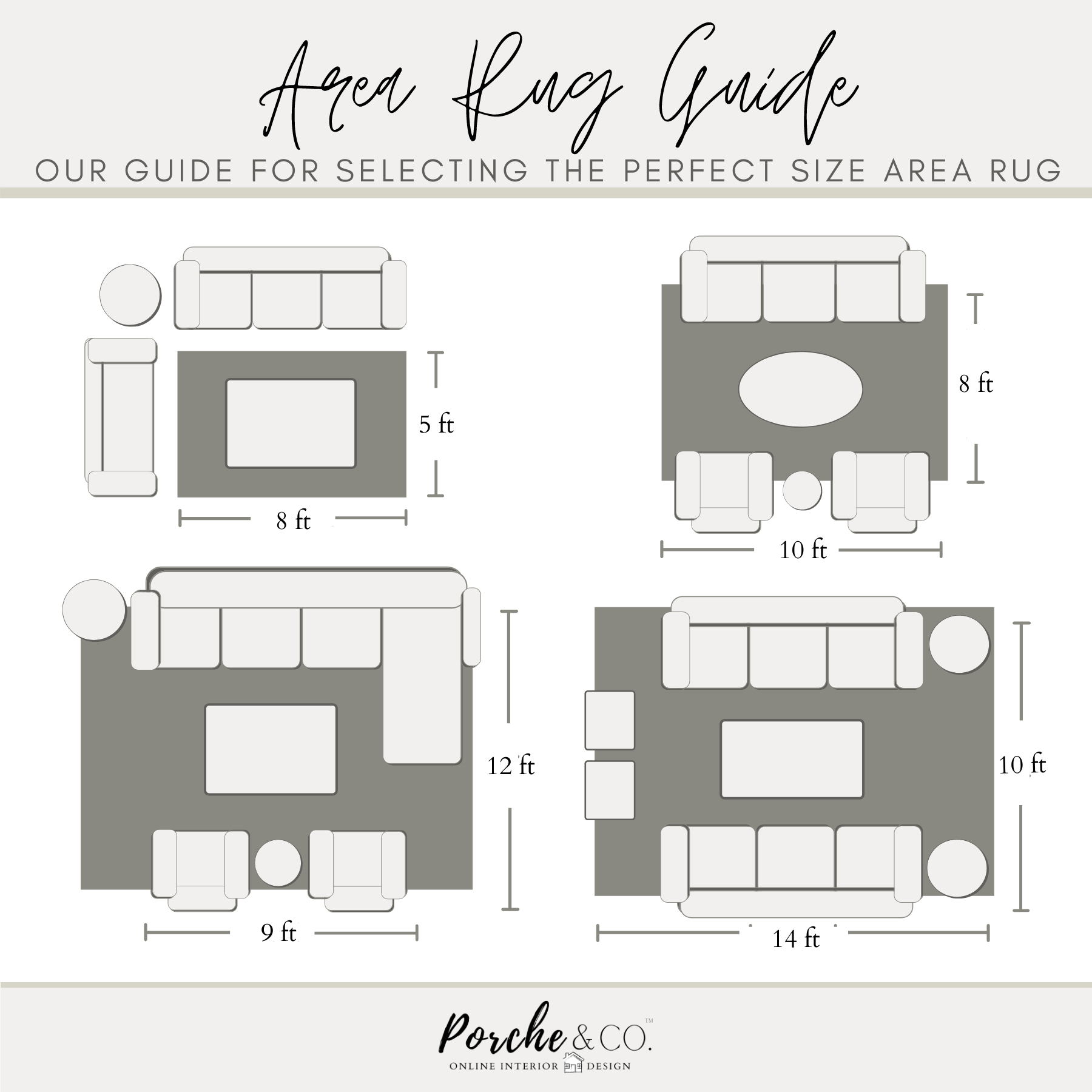
Many folks assume that a rug size chart is an exact science, with one standard size fitting all rooms. However, it's actually a flexible tool, offering a range of options to suit your space. A quick glance at this chart will show you the variety of rug sizes available, and it's an easy way to visualize how different dimensions can work in your home. Whether you're after a rug size guide, carpet dimensions, or floor covering measurements, this chart is a simple, effective starting point.
Understanding the Chart: A Quick Overview
A rug size chart is a handy tool to help you choose the right rug for your space. It provides a visual representation of standard rug sizes, making it easy to visualize and compare different dimensions. This chart is a practical guide for anyone looking to add a rug to their home, offering a simple way to ensure the rug fits the intended area perfectly.
Standard vs. Non-Standard Sizes: A Comparison
While most rugs come in standard sizes, there are also non-standard or custom-made options. The rug size chart typically covers a range of common sizes, such as 5x8, 8x10, and 9x12 feet, which are popular choices for various rooms. Non-standard sizes offer more flexibility but may require a bit more effort to find the perfect fit.
Step-by-Step Guide: Using the Chart Effectively
To use the rug size chart accurately, follow these simple steps:
- Identify the area you want to cover with the rug. Measure the length and width of this space to get an idea of the rug size you need.
- Refer to the chart and locate the closest standard size that fits your measurements. For example, if your space is 6x9 feet, a 5x8 or 8x10 rug might be suitable.
- Consider the layout and furniture arrangement. The chart provides a guide, but you may need to adjust based on your specific room setup.
- Take note of the rug's shape. Some charts also indicate whether the rug is rectangular, square, or runner-shaped, helping you choose the right fit for your space.
Common Misreadings and How to Avoid Them
One common mistake is assuming that the chart provides exact measurements for every rug. While it offers a great starting point, it's important to remember that rug sizes can vary slightly. Always double-check the exact dimensions of the rug you're interested in to ensure a perfect fit. Another potential pitfall is ignoring the scale of the room. A large rug in a small room can make the space feel cramped, so always consider the overall balance and proportion.
Key Factors Affecting Accuracy and Real-World Use
- Room Size: The size of the room plays a crucial role in choosing the right rug. A larger room can accommodate bigger rugs, while smaller spaces may require more careful consideration to avoid overcrowding.
- Furniture Arrangement: The placement of furniture can impact the rug size and shape needed. Consider leaving a border of floor space around the rug to create a balanced look.
- Rug Shape: Different shapes, like runners or round rugs, serve specific purposes and fit different spaces. The rug size chart often includes these variations to guide your selection.
- Tolerances: Rug sizes can have slight variations, so it's essential to check the manufacturer's specifications to ensure the rug meets your expectations.
Adapting the Chart: Choosing the Right Format
The rug size chart can be adapted to suit your needs. If you're looking for a specific size, some charts offer a search function or filters to narrow down options. Additionally, metric and imperial measurements are often available, catering to different regions and preferences. For unique spaces, consider using a custom rug size chart or consulting an expert to ensure a perfect fit.
Well, there you have it! A comprehensive guide to rug size charts and their practical uses. We've covered a lot of ground, from understanding the different options to avoiding common pitfalls.
Remember, when it comes to choosing the right rug size, it's essential to consider your unique space and needs. So, take a moment to double-check your measurements and specific requirements before making any final decisions. This guide should be a handy reference, but it's always good to ensure you've got the right fit for your room.
Consider bookmarking this page for future rug adventures; you never know when you might need a quick refresh on finding the perfect rug size!
Related: Understand Your Dog's Dental Health with a Teeth Chart
Many dog owners might assume that a dog teeth chart is a complex and intimidating tool, but it's actually a simple and incredibly useful resource. While it may seem like a foreign concept at first, this chart is a straightforward visual guide to understanding your dog's teeth. It's not as scary as it sounds! A dog teeth chart is a handy reference, offering a clear layout of your pup's dental structure, and it can vary slightly depending on the source.
Understanding the Dog Teeth Chart: A Practical Overview
The dog teeth chart is a handy reference tool for dog owners and veterinary professionals. It provides a visual representation of a dog's dental anatomy, offering insights into tooth positions, types, and development. This chart is an essential guide for anyone looking to maintain their furry friend's oral health.
Comparing Chart Formats and Standards
Dog teeth charts come in various formats, but the most common ones follow either the international or US standard. These standards dictate the tooth numbering system, ensuring consistency across veterinary practices. The international standard uses a three-digit system, while the US standard employs a simpler two-digit approach. Both systems have their merits, and it's crucial to know which standard your chart follows to interpret it accurately.
Step-by-Step Guide to Reading the Chart
Reading a dog teeth chart is straightforward once you know the basics. Here's a simple guide:
- Identify the tooth type: The chart typically categorizes teeth into incisors, canines, premolars, and molars. Each tooth type has a unique shape and function.
- Locate the tooth position: The chart displays teeth in their correct positions within the dog's mouth. Understand the left and right sides and the upper and lower jaws.
- Read the tooth notation: Each tooth has a specific notation, following the chosen standard. For instance, the international standard might label an upper right incisor as "101," while the US standard would use "UR1."
- Interpret the tooth's development: The chart often includes information on tooth eruption, showing when permanent teeth replace milk teeth. This is vital for monitoring a dog's dental development.
Avoiding Common Misreadings
Misinterpreting a dog teeth chart can lead to incorrect dental care. Here are some common pitfalls:
- Mixing up left and right sides: Always double-check the chart's orientation to ensure you're treating the correct side.
- Confusing tooth types: Incisors, canines, and premolars can look similar. Pay attention to their unique characteristics and positions.
- Ignoring the standard: Different standards use different notations. Ensure you're familiar with the one your chart follows.
- Assuming universal applicability: While charts provide a general guide, some breeds may have unique dental characteristics. Always consult a veterinarian for breed-specific advice.
Factors Affecting Accuracy
Several factors can influence the accuracy of a dog teeth chart:
- Breed variations: Different dog breeds have distinct dental anatomies. For instance, a Chihuahua's teeth may be smaller and more delicate than a German Shepherd's.
- Age: A dog's dental development changes over time. Puppies have milk teeth, which are replaced by permanent ones as they grow.
- Dental anomalies: Some dogs may have extra or missing teeth, impacted teeth, or other dental abnormalities. These cases require specialized attention.
- Standard variations: As mentioned, different standards exist. Always confirm the standard your chart follows to avoid confusion.
Choosing the Right Chart for Your Needs
When selecting a dog teeth chart, consider your specific requirements:
- Breed-specific charts: If you own a unique breed, opt for a chart tailored to that breed's dental characteristics.
- Age-appropriate charts: For puppies or senior dogs, choose charts designed for their specific dental stages.
- Specialized charts: Some charts focus on specific dental issues, like tooth extraction or orthodontic treatment. Select one relevant to your dog's needs.
- Digital vs. physical charts: Digital charts offer convenience, while physical charts provide a tangible reference. Choose based on your preference and accessibility.
Maintaining Reliable References
To ensure the accuracy and reliability of your dog teeth chart setup:
- Regularly update your chart: Dental science evolves, and new research may impact tooth identification and care. Stay informed and update your chart as needed.
- Consult professionals: Veterinarians and dental specialists are valuable resources. Seek their advice to ensure you're using the most appropriate and up-to-date charts.
- Double-check measurements: When in doubt, verify tooth measurements and positions with a trusted source. Accuracy is crucial for effective dental care.
- Keep a record: Maintain a log of your dog's dental history, including any anomalies or treatments. This record will help you track progress and identify potential issues.
Hey there, dog lovers! We hope this guide has given you a clear understanding of dog teeth charts and how to use them effectively. Remember, while we've covered the basics, the specifics can differ slightly, so always double-check your sources.
Feel free to bookmark this page for future reference; it's always handy to have a quick reminder when you need it. And don't forget to explore our other guides for more practical tips and tricks! We've got you covered.