
Black Cat R34 Overview
A common misconception about the cat chonk chart is that it's solely about judging a cat's appearance; however, this visual tool serves a much more practical purpose. The cat chonk chart, or feline weight chart, is an essential reference for cat owners, providing a clear guide to assess a cat's body condition and overall health. It offers a simple yet effective way to understand and monitor your cat's weight, ensuring they maintain an ideal and healthy size.
Understanding the Cat Chonk Chart
The cat chonk chart is a valuable tool for cat owners and veterinary professionals to assess a cat's body condition and determine if they are at a healthy weight. It provides a visual representation of different body types and helps identify if a cat falls within the ideal weight range. This chart is a simple yet effective way to monitor a cat's health and make informed decisions about their diet and lifestyle.
Key Details and Categories
The cat chonk chart typically consists of a reference grid or a series of images depicting cats with varying body conditions. It often includes categories such as "Underweight," "Ideal Weight," "Overweight," and "Obese." These categories are further divided into sub-ranges, providing a more detailed assessment. The chart may also feature additional information, such as breed-specific considerations and guidelines for different life stages. It is essential to note that the chart's accuracy depends on the standard used; some charts follow international guidelines, while others may be region-specific.
Interpreting Results: A Step-by-Step Guide
To use the cat chonk chart accurately, follow these steps:
- Familiarize yourself with the chart's layout and categories. Understand the visual representations and their corresponding weight ranges.
- Assess your cat's body condition by feeling their ribcage, spine, and hips. These areas should have a slight covering of fat but not be overly padded.
- Compare your cat's body condition to the images or descriptions on the chart. Look for similarities in terms of body shape, muscle definition, and overall appearance.
- Determine which category your cat falls into. If your cat's body condition aligns with the "Ideal Weight" category, they are likely at a healthy weight. If they are on the border or slightly above, it may indicate a need for weight management.
- Consult with a veterinarian if you have concerns or need further guidance. They can provide personalized advice and help you create a plan to maintain or improve your cat's health.
Variations and Differences Across Standards
It is important to note that cat body condition score charts may vary depending on the standard or region. Different organizations and veterinary associations may have slightly different criteria and weight ranges. Additionally, breed-specific considerations and individual factors can influence the interpretation of the chart. For instance, certain breeds may have naturally larger or smaller frames, affecting their ideal weight range. Always refer to reputable sources and consult professionals to ensure you are using the most appropriate chart for your cat's needs. While the cat chonk chart provides a helpful framework, it is essential to consider each cat's unique characteristics and consult experts for accurate weight management.
While the chart provides a clear and concise guide, it's important to remember that the specifics may differ slightly based on individual circumstances. Each cat is unique, and their health and weight journey is a personal one. So, keep an eye on your furry friend's progress and adjust as needed.
If you're keen to explore more practical guides like this, feel free to browse our other resources. We've got a range of topics covered, so you're sure to find something useful. Happy reading and here's to healthy, happy cats!
Related: remove duplicates excel Easy guide for clean data
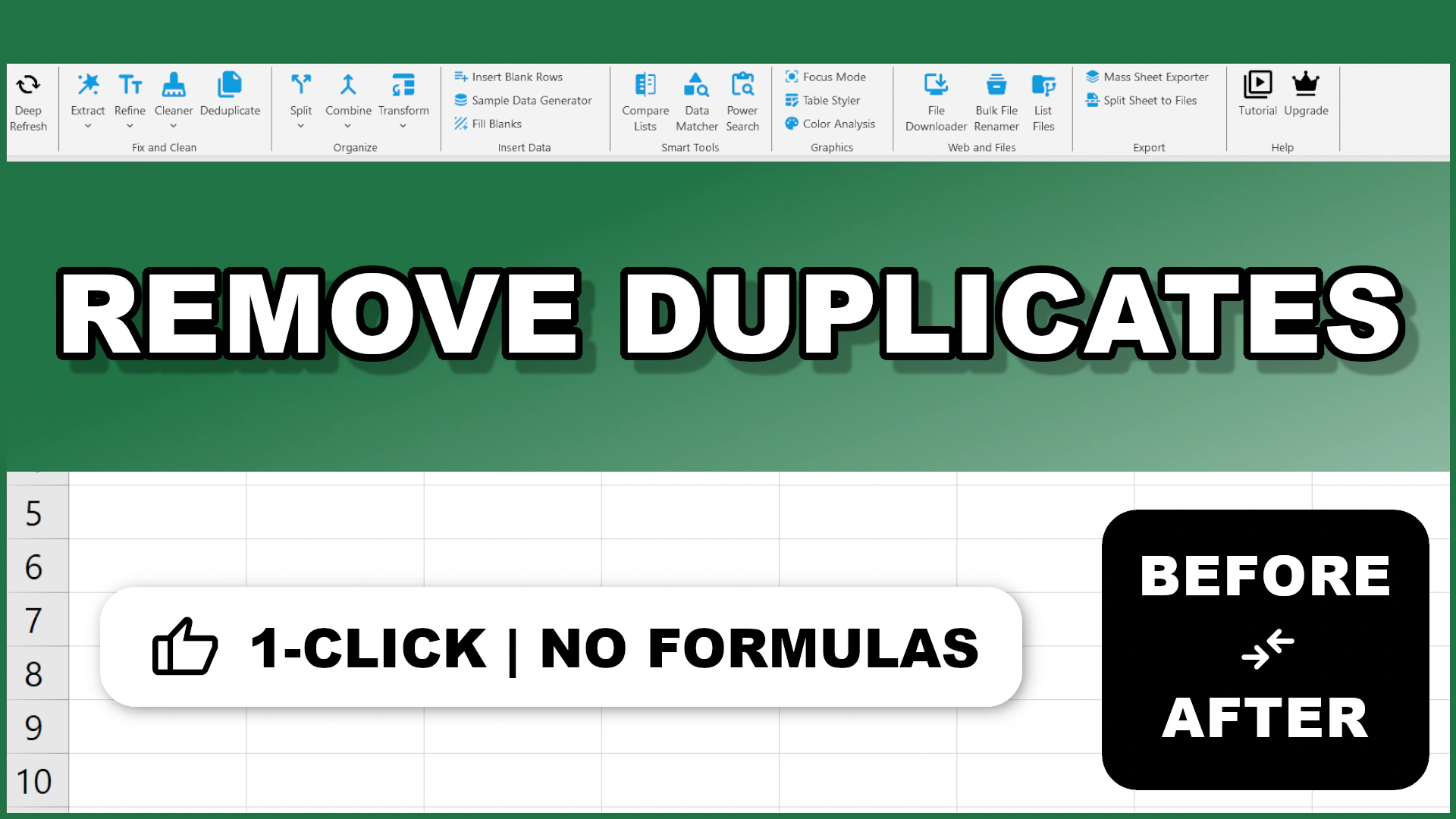
Ugh, duplicates in Excel. We've all been there, staring at a massive spreadsheet with rows and rows of data, only to realize there are multiple entries for the same thing. Remove duplicates Excel to the rescue! Let's get into how this handy feature works and why it's a lifesaver for anyone dealing with data.
So, you've got your Excel sheet open, and it's a mess of similar entries. Maybe it's a list of contacts, products, or sales data, and you need to clean it up. The "Remove Duplicates" feature is like a magic wand, but it's not as simple as clicking a button. You've got to set it up right to get the results you need.
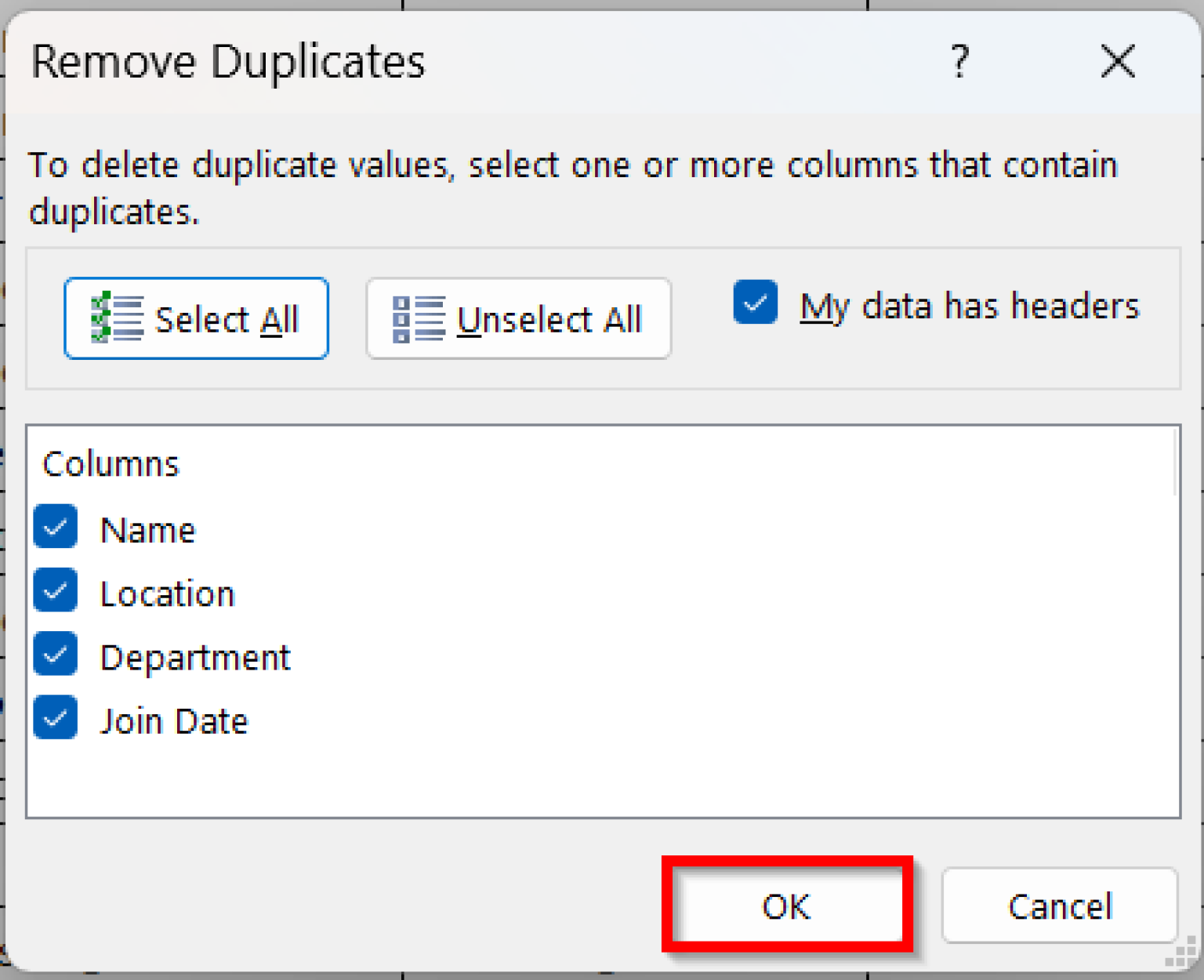
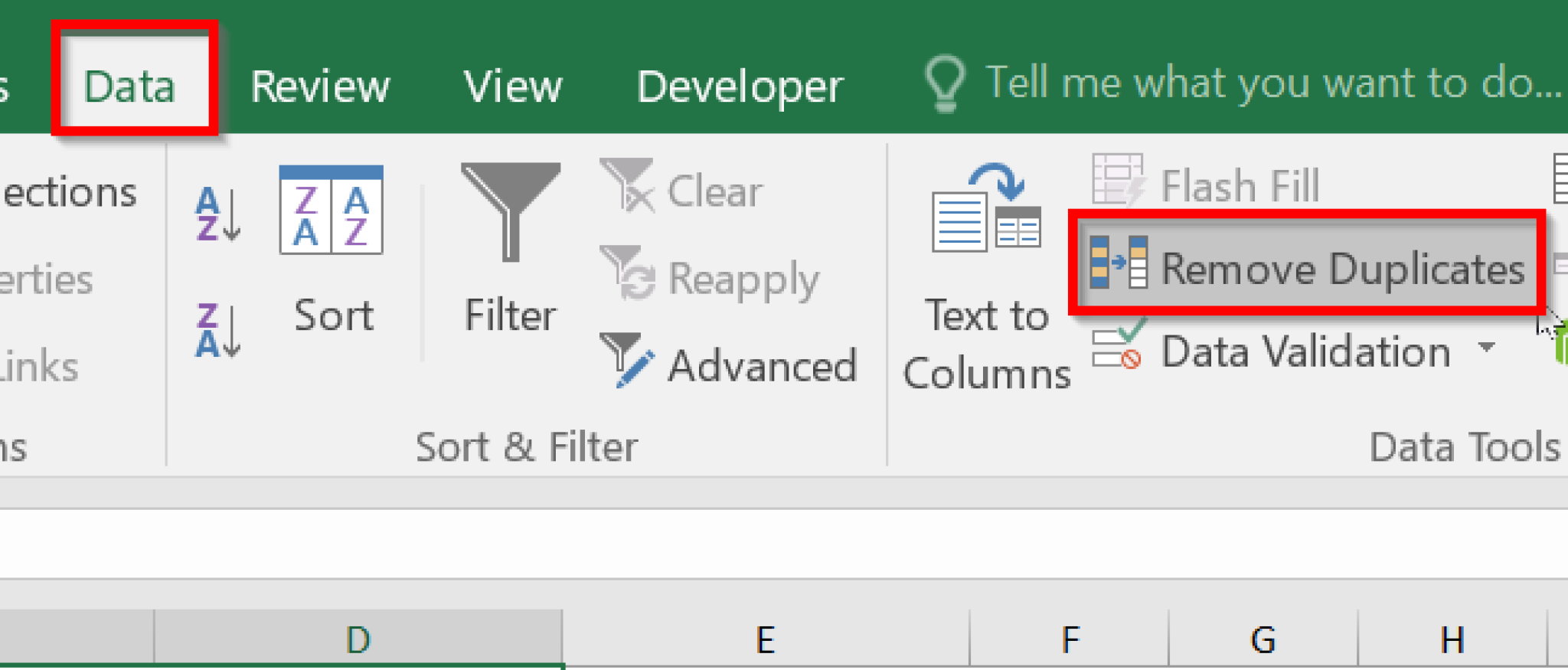
First, let's talk about how Excel identifies duplicates. It looks at the values in the cells and compares them. But here's the catch: by default, it only checks the active column. So, if you have duplicate entries across multiple columns, you need to tell Excel which columns to consider. You do this by selecting the range of cells you want to check, then heading to the "Data" tab and clicking "Remove Duplicates." A pop-up will appear, showing you the columns Excel will check. Make sure to select all the relevant columns, and voila! You're on your way to a cleaner sheet.
Setting it Up: A Step-by-Step Guide
Now, let's get into the nitty-gritty. After selecting your range, click "Remove Duplicates," and that pop-up will appear. Here, you can choose which columns to check. But be careful! If you have multiple columns with similar data, Excel might remove entries you want to keep. For example, if you have a contact list with names and email addresses, and someone has the same name but a different email, Excel might see it as a duplicate and remove one entry. To avoid this, you can use a formula like =IF(ISERROR(MATCH(B2,$B$2:$B$100,0)),"","Duplicate") in a helper column. This formula checks if the email address in column B is a duplicate within the range B2 to B100. If it is, it returns "Duplicate"; otherwise, it leaves the cell blank. This way, you can easily identify and keep the entries you need.
Another tip: before removing duplicates, consider using conditional formatting to highlight potential duplicates. This way, you can visually inspect the data and make sure you're not losing important entries. Excel's "Conditional Formatting" feature lets you format cells based on their values, so you can quickly spot and address any issues.
Keeping Your Data Clean
Maintaining a tidy spreadsheet is crucial, and remove duplicates Excel is just one tool in your belt. Regularly review and clean your data to avoid messy formatting and broken cells. Use Excel's built-in tools like SUMIFS for quick calculations and XLOOKUP for finding specific values. These formulas, along with drop-down lists and other features, can keep your sheet organized and efficient.
In a nutshell, remove duplicates Excel is a powerful feature, but it's just one part of the Excel toolkit. With a bit of practice and these tips, you'll be a pro at managing your data and keeping your spreadsheets shipshape. So, next time you open that massive contact list, remember these tricks and tackle those duplicates like a boss!
Related: Cat Dental Chart: A Comprehensive Guide
Many cat owners overlook the importance of understanding their pet's dental health, but a cat dental chart is a valuable tool to have in your kitty care arsenal. It's not as scary as it sounds; this chart is a simple, visual guide to help you navigate your cat's teeth and their unique numbering system. While it may seem like a foreign concept, it's an easy-to-use reference, and once you get the hang of it, you'll wonder why you didn't explore it sooner! The chart, often featuring a cat teeth diagram, provides a clear overview of your cat's dental anatomy, and it's worth taking the time to familiarize yourself with it.
Understanding the Cat Dental Chart
The cat dental chart is a handy reference tool for cat owners and veterinary professionals. It provides a visual representation of a cat's teeth, helping you identify and locate specific teeth easily. This chart is like a map, guiding you through your cat's dental anatomy.
Standard Tooth Notation and Formats
The cat dental chart typically follows a consistent format, using a standardized tooth notation system. This system assigns unique codes or numbers to each type of tooth, indicating its position in the cat's mouth. For example, the notation may use a combination of letters and numbers, such as 'I1' for the first incisor or 'PM4' for the fourth premolar. These notations are universal and help ensure consistency across different charts and references.
Step-by-Step Guide to Using the Cat Dental Chart
- Familiarize yourself with the chart's layout. Identify the different sections representing the upper and lower jaws, and note the tooth types and their positions.
- Locate the specific tooth you want to examine or treat. Use the standardized notation to find the correct tooth on the chart.
- Refer to the chart to understand the tooth's characteristics, such as its size, shape, and typical appearance. This can aid in identifying any abnormalities or issues.
- When treating or examining your cat's teeth, refer to the chart to ensure you are working on the correct tooth and following the appropriate procedures.
Avoiding Misreadings and Pitfalls
While the cat dental chart is a valuable tool, it's essential to be aware of potential variations. Different cat breeds may have slight differences in their dental anatomy, so always double-check the specific breed's dental formula if needed. Additionally, ensure you are using the correct chart for your region or standard. For instance, some charts may use different notation systems or measurements, so always refer to the chart's key or legend for clarity. Misreading these details can lead to incorrect assumptions about your cat's dental health.
Hey there, cat lovers! We hope this guide has given you a purr-fect understanding of the cat dental chart and its uses. Remember, while the basics remain the same, there might be slight variations in the details, so always double-check the specific standards or sources you're working with.
Don't forget to bookmark this page for future reference; it'll be a life-saver the next time you need a quick reminder! We've got plenty more practical guides like this one, so feel free to explore and find the purr-fect resources for all your cat-related needs. Meow for now!