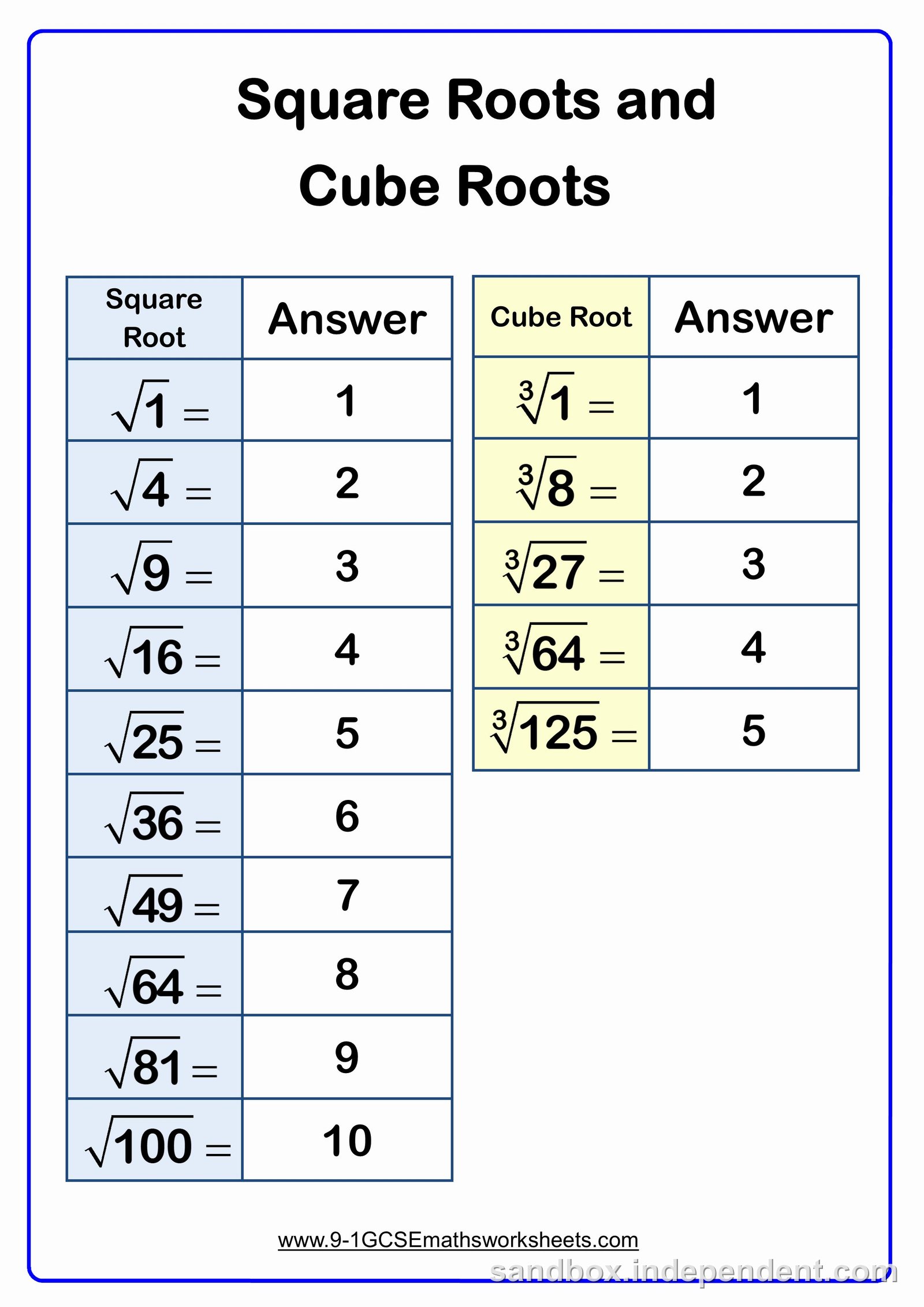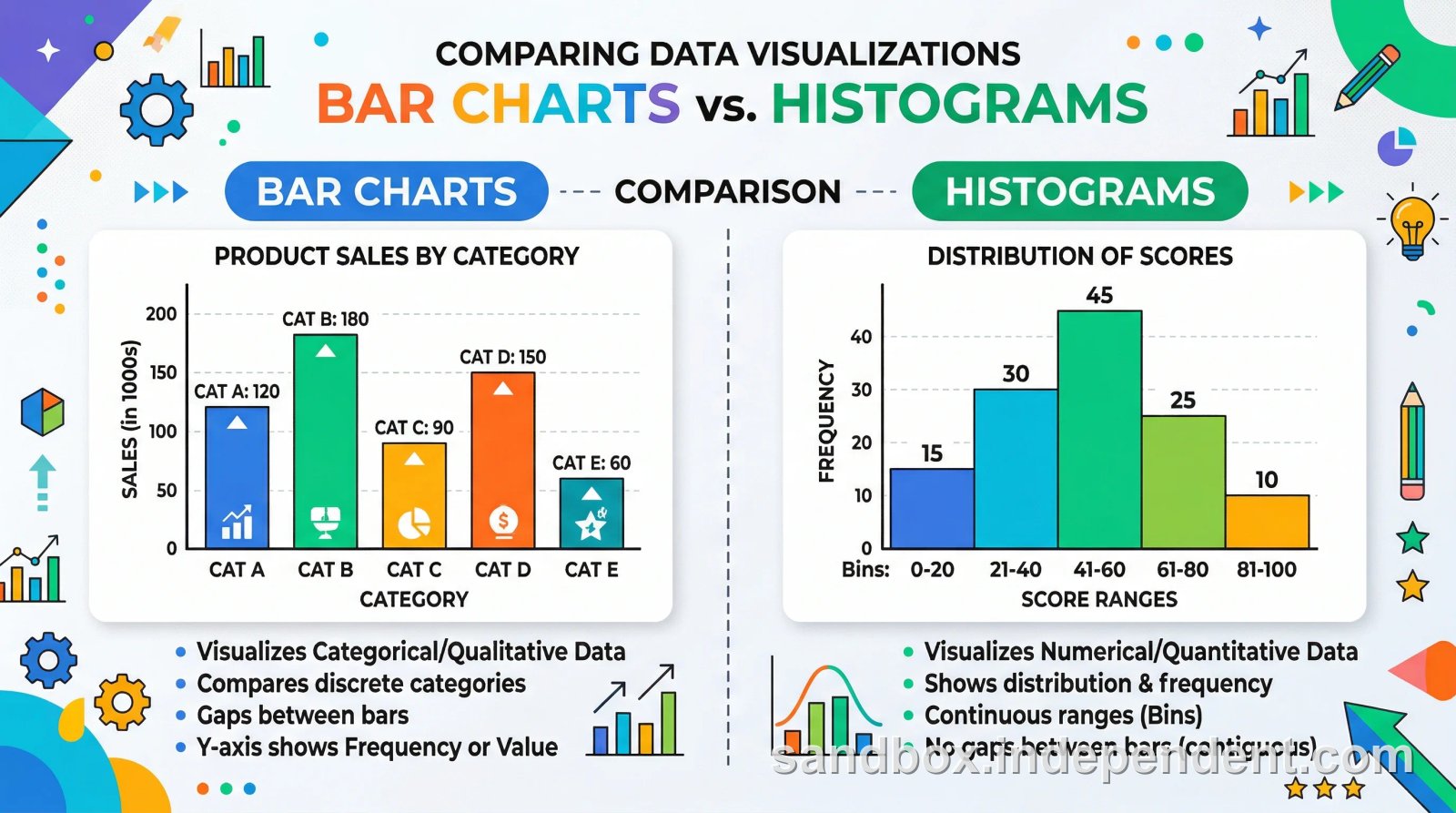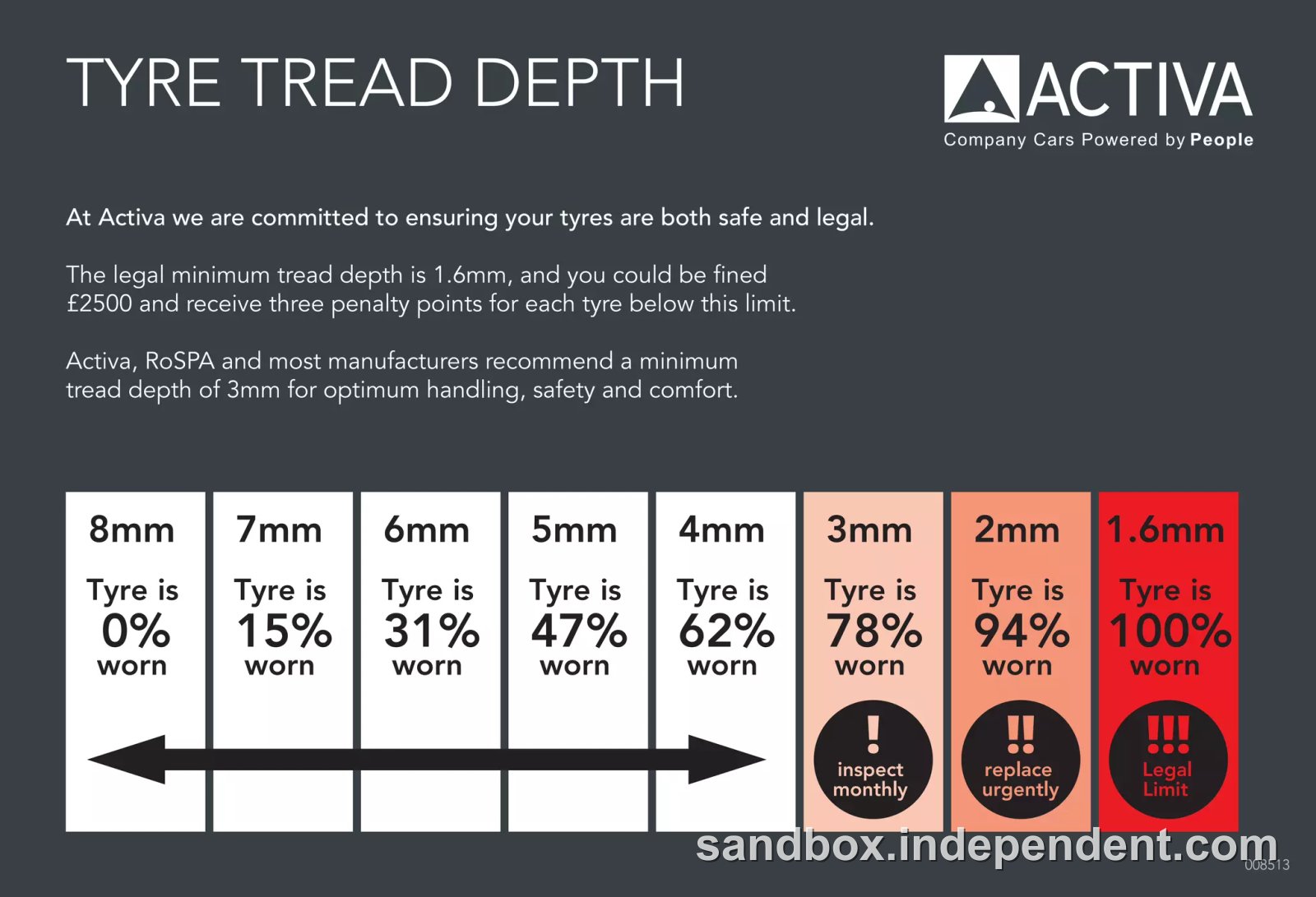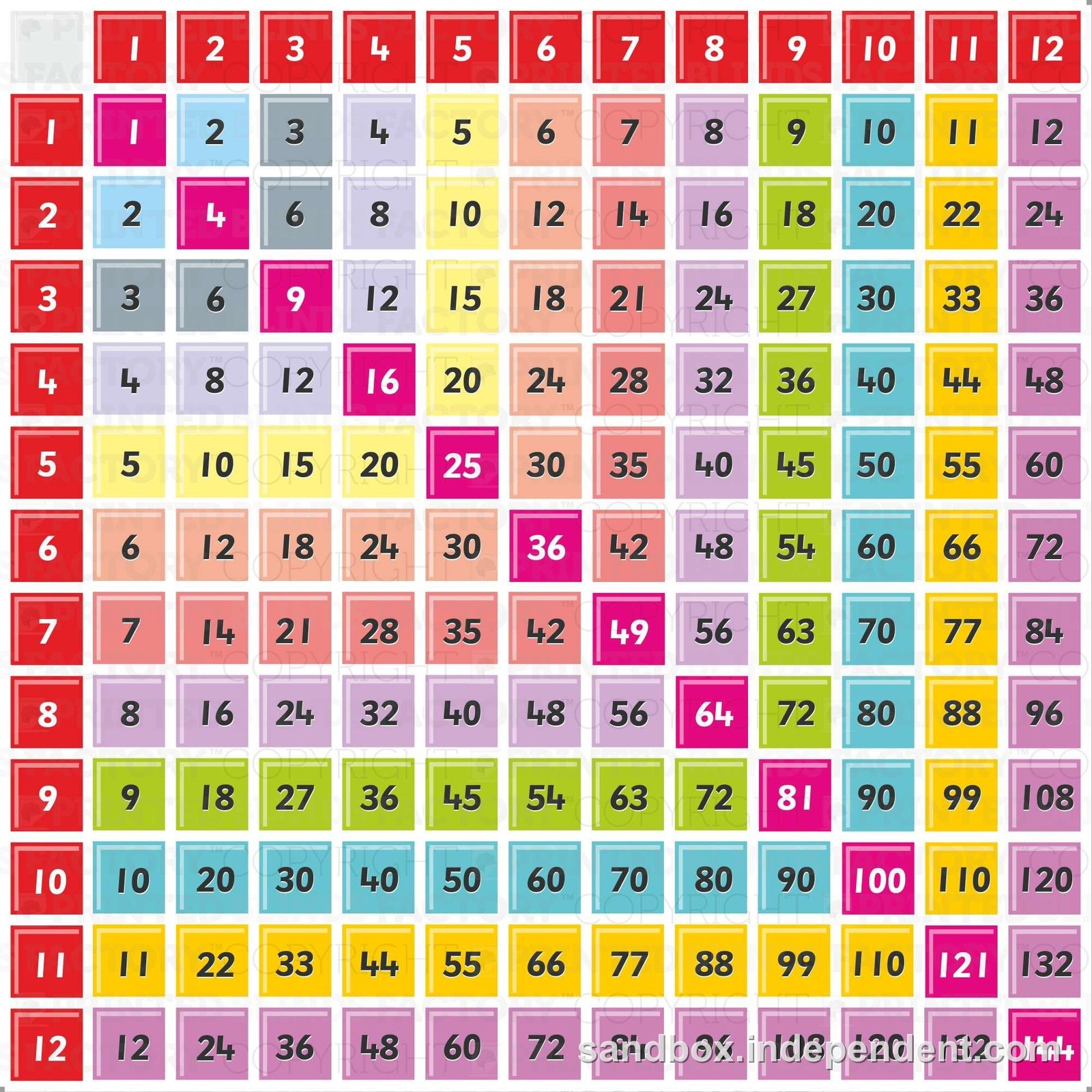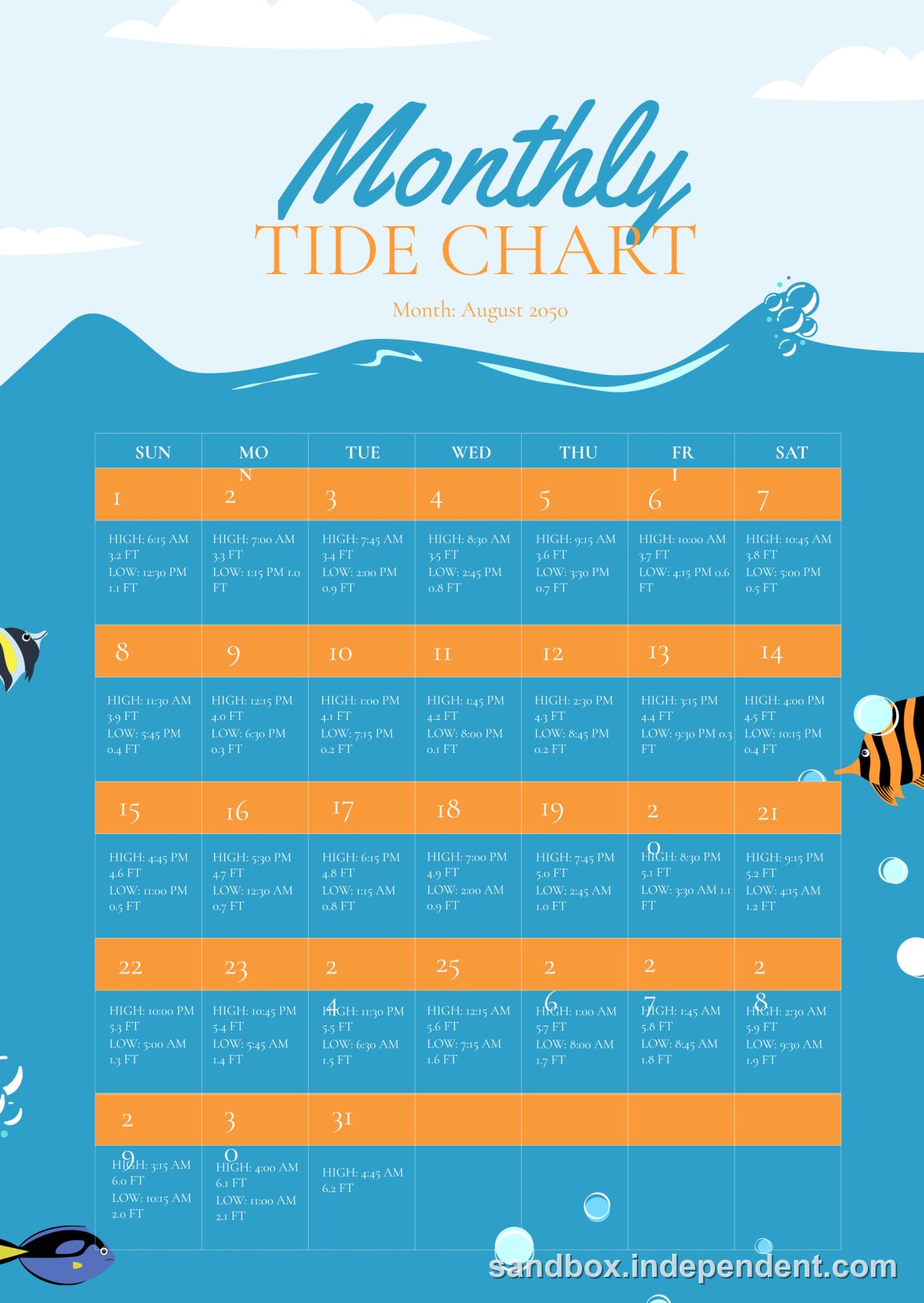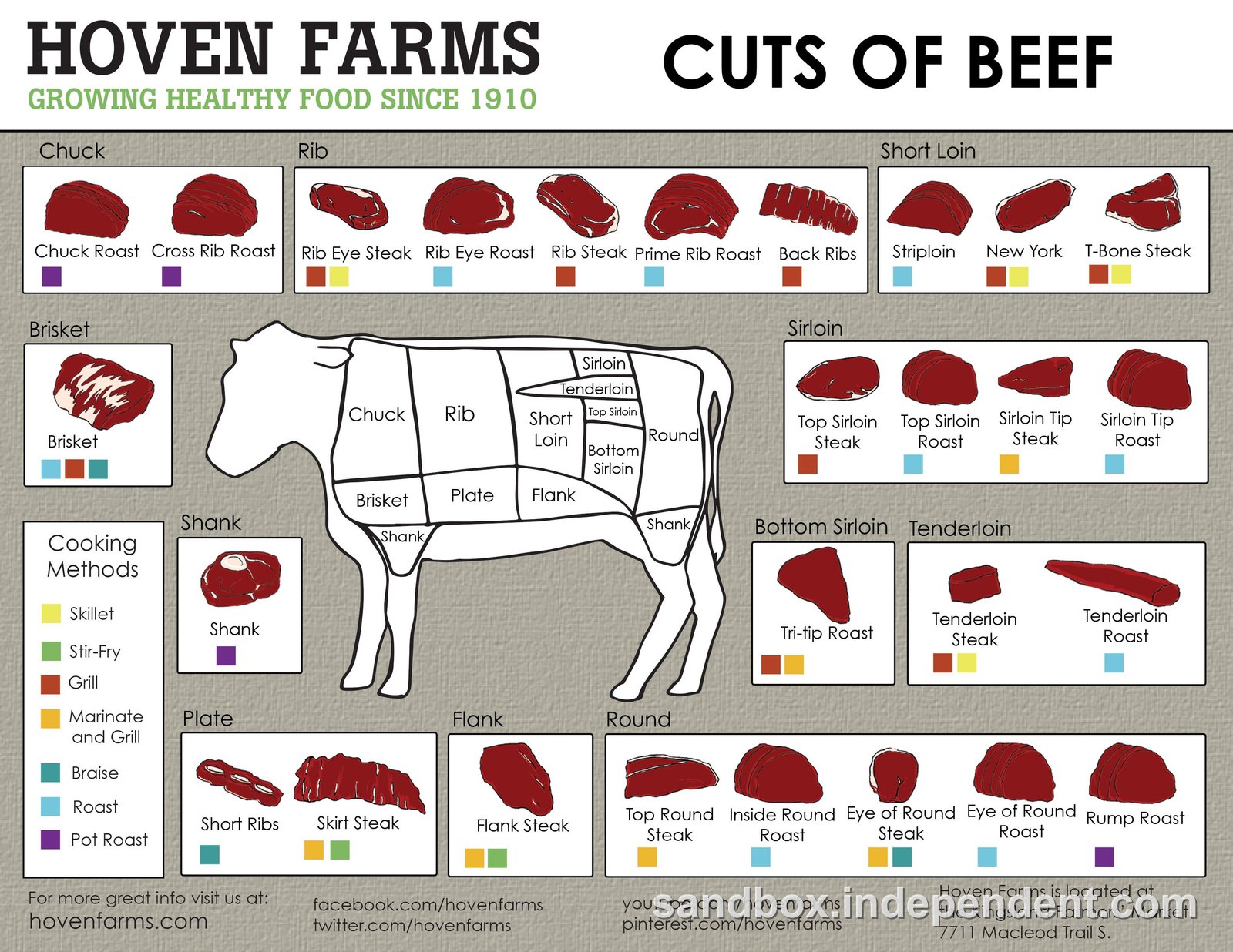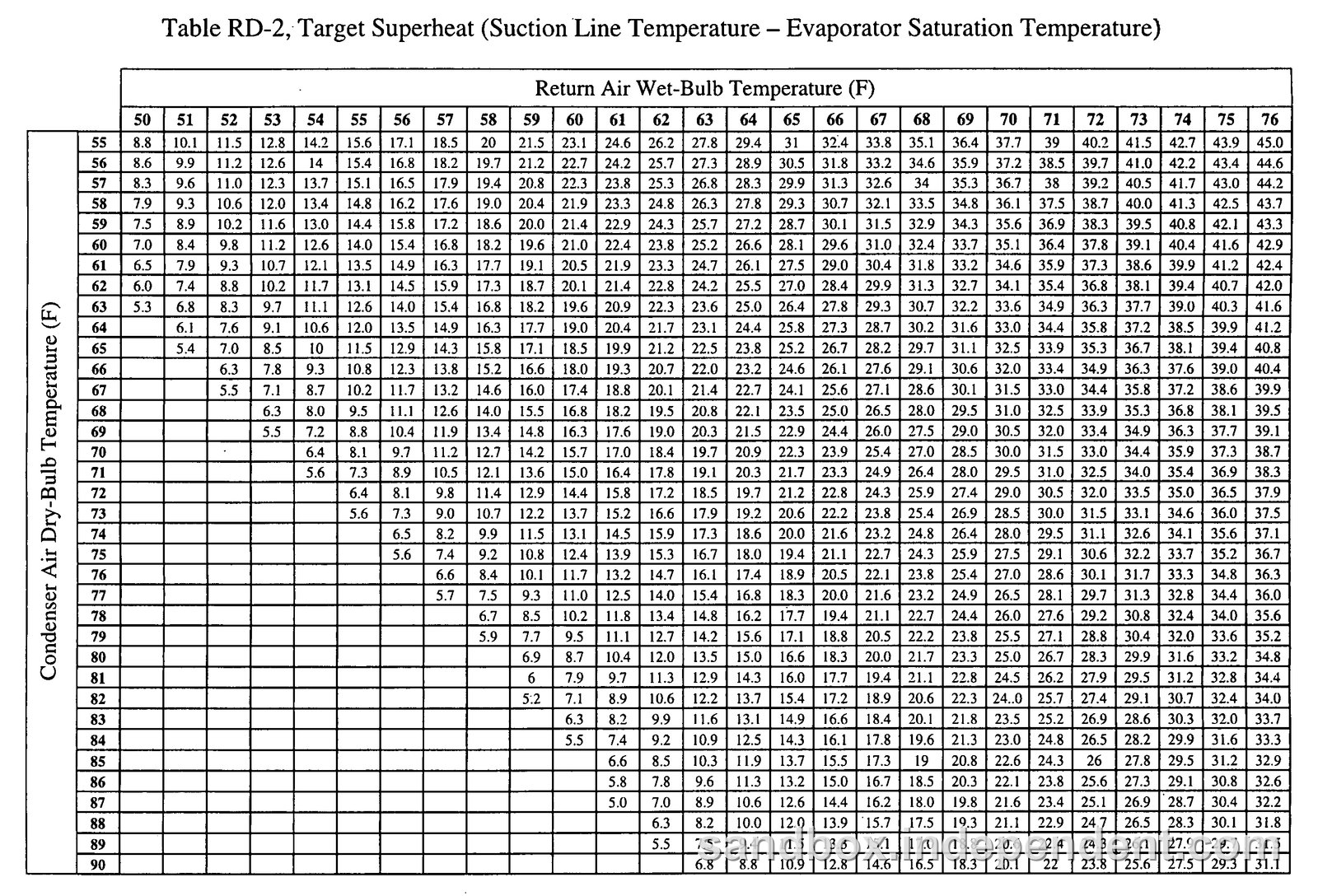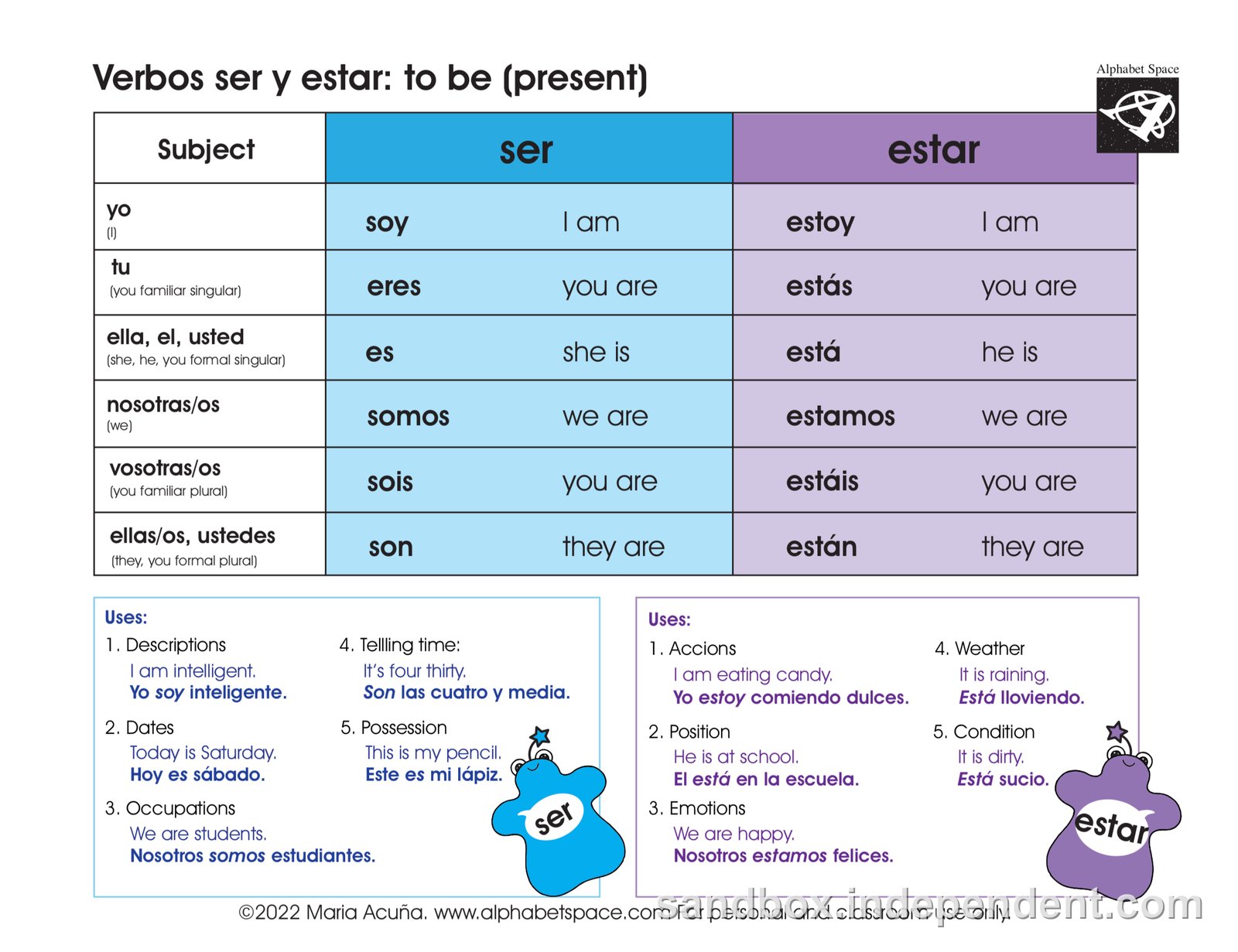




Blank 100 Chart Editable Overview
You're likely here because you're seeking clarity on the Redken color chart, a valuable resource for anyone wanting to navigate hair color options effectively. This chart is your go-to guide, offering a simple yet comprehensive overview of Redken's color range. It provides an easy-to-understand visual representation, ensuring you can make informed choices about your hair color journey.
Understanding the Redken Color Chart
The Redken color chart is a comprehensive guide to their hair color range, offering a visual representation of the various shades and tones available. It provides a standardized way to choose and mix colors, ensuring consistent results. This chart is an essential tool for professionals and enthusiasts alike, offering a clear reference for achieving desired hair colors.
Standard Color Notation: Comparing Options
The Redken color chart follows a simple and intuitive system. Each color is represented by a unique code, typically a combination of letters and numbers. For example, the code "GG" represents a specific shade of golden blonde. This notation allows for easy identification and mixing of colors. The chart also displays the intensity and tone of each color, helping users choose the right shade for their desired look.
Practical Application Tips: Step-by-Step Guide
To use the Redken color chart effectively, follow these steps:
- Identify your desired color family. The chart is organized into sections, making it easy to navigate.
- Choose the specific shade within that family. Consider the natural hair color and the desired level of lift or deposit.
- Note the color code and intensity. This information is crucial for accurate mixing.
- Follow the recommended mixing ratios and application techniques provided by Redken.
- Test a small strand to ensure the desired result before full application.
Common Misreadings and Pitfalls
While the Redken color chart is straightforward, there are a few potential pitfalls to avoid:
- Ensure you are using the correct chart for your region or standard. Redken may offer different charts for various markets.
- Pay attention to the color intensity and tone. A slight variation in these can lead to significantly different results.
- Be aware of the natural hair color and its impact on the final result. Pre-lightening or pre-pigmentation may be necessary for certain shades.
- Always refer to the Redken color wheel or swatches for a more visual representation of the final color.
- Remember, practice and experience are key to mastering color application.
Remember, while this guide offers a comprehensive overview, it's always beneficial to cross-reference with your specific needs. The Redken color chart is a versatile tool, but its application may vary depending on your unique circumstances.
Feel free to explore our other guides for a deeper understanding of hair care and styling. We've got plenty of resources to help you navigate the world of hair coloring and beyond!
Related: Understand the DVC Point Chart: A Simple Guide
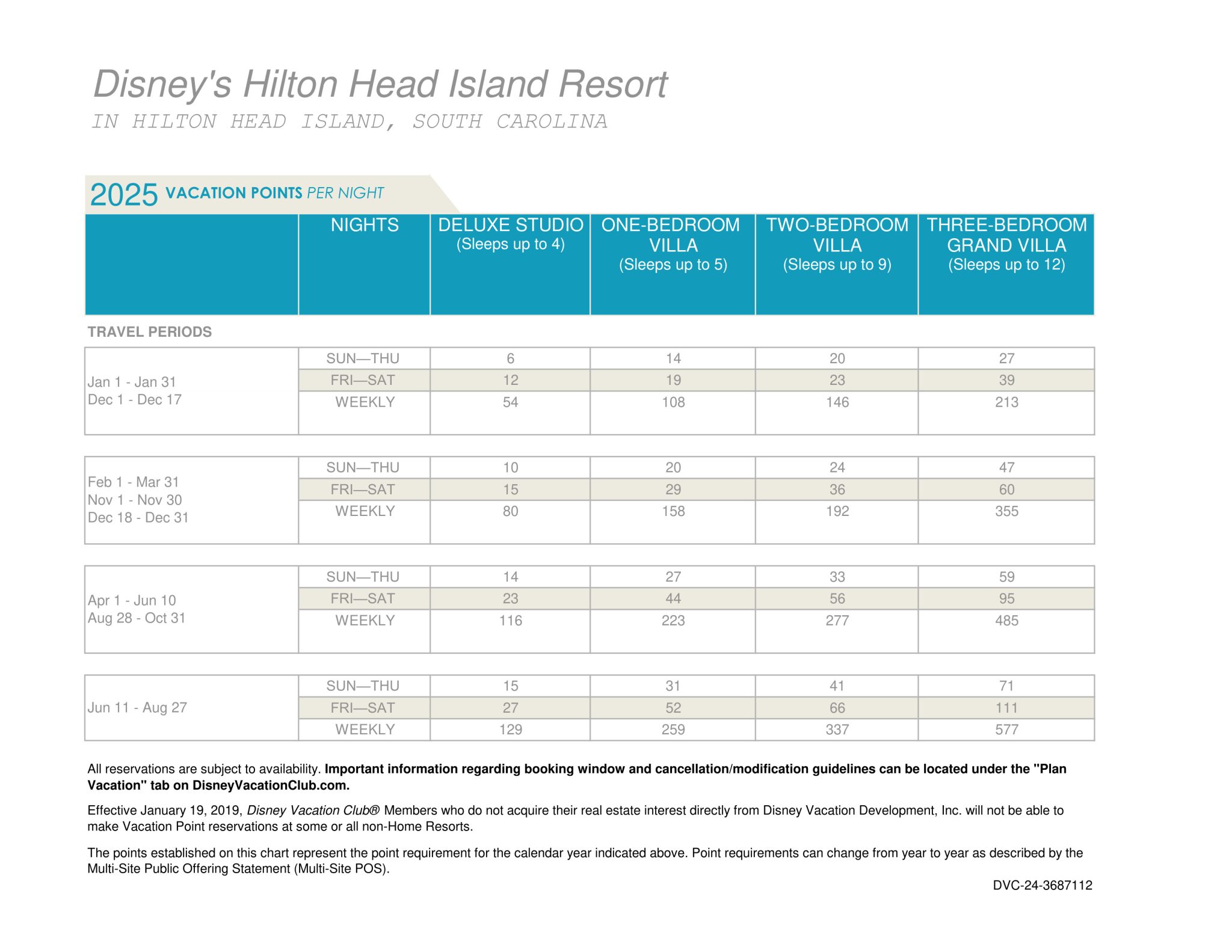
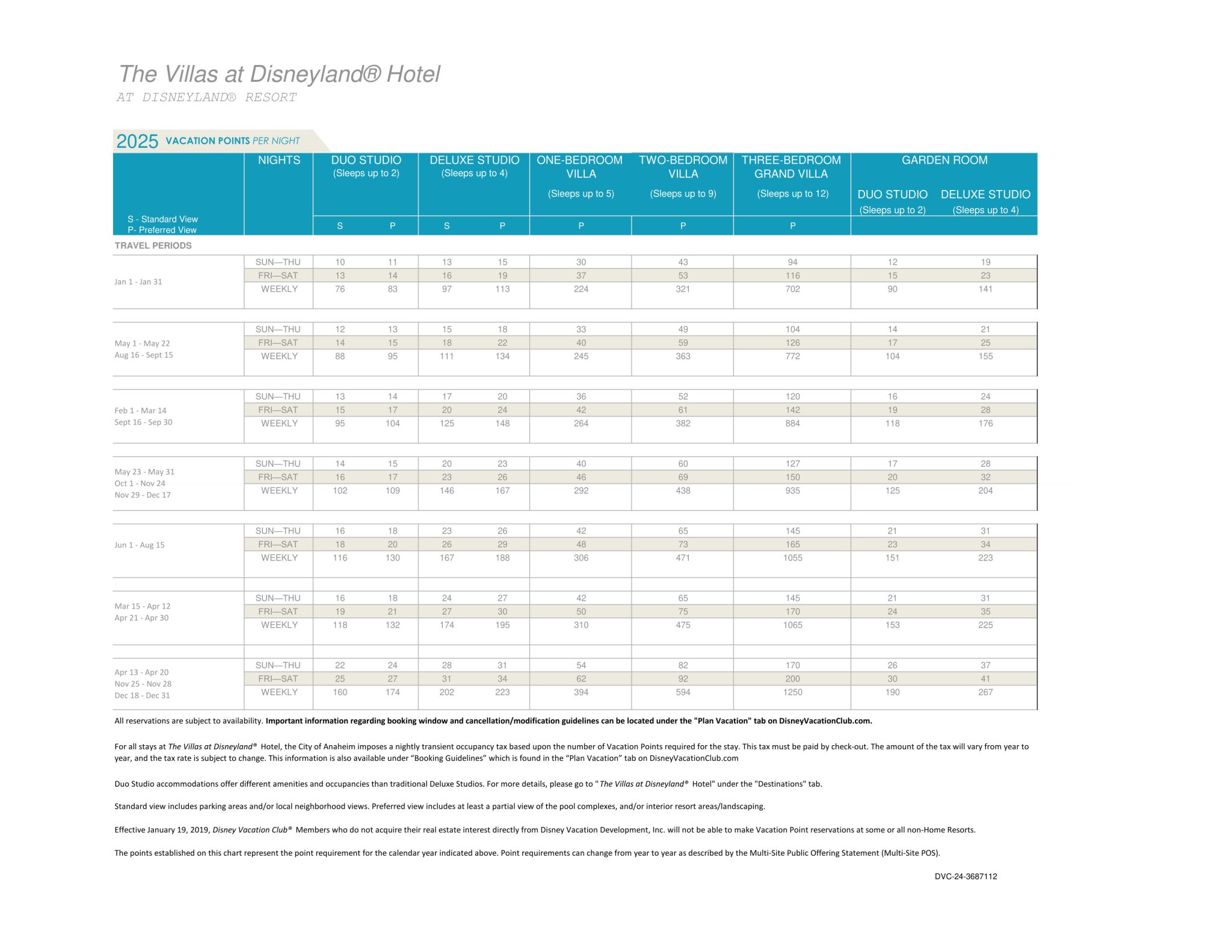
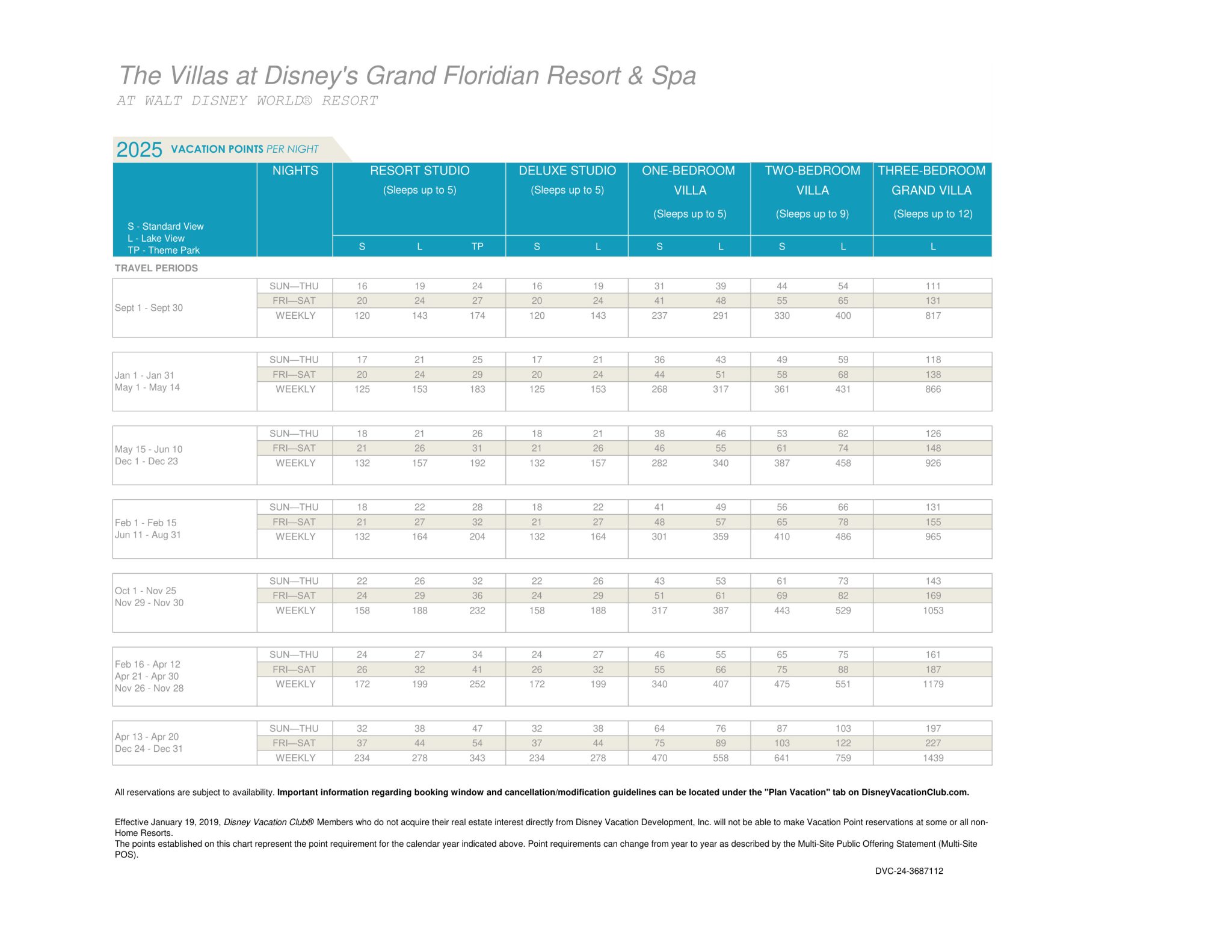
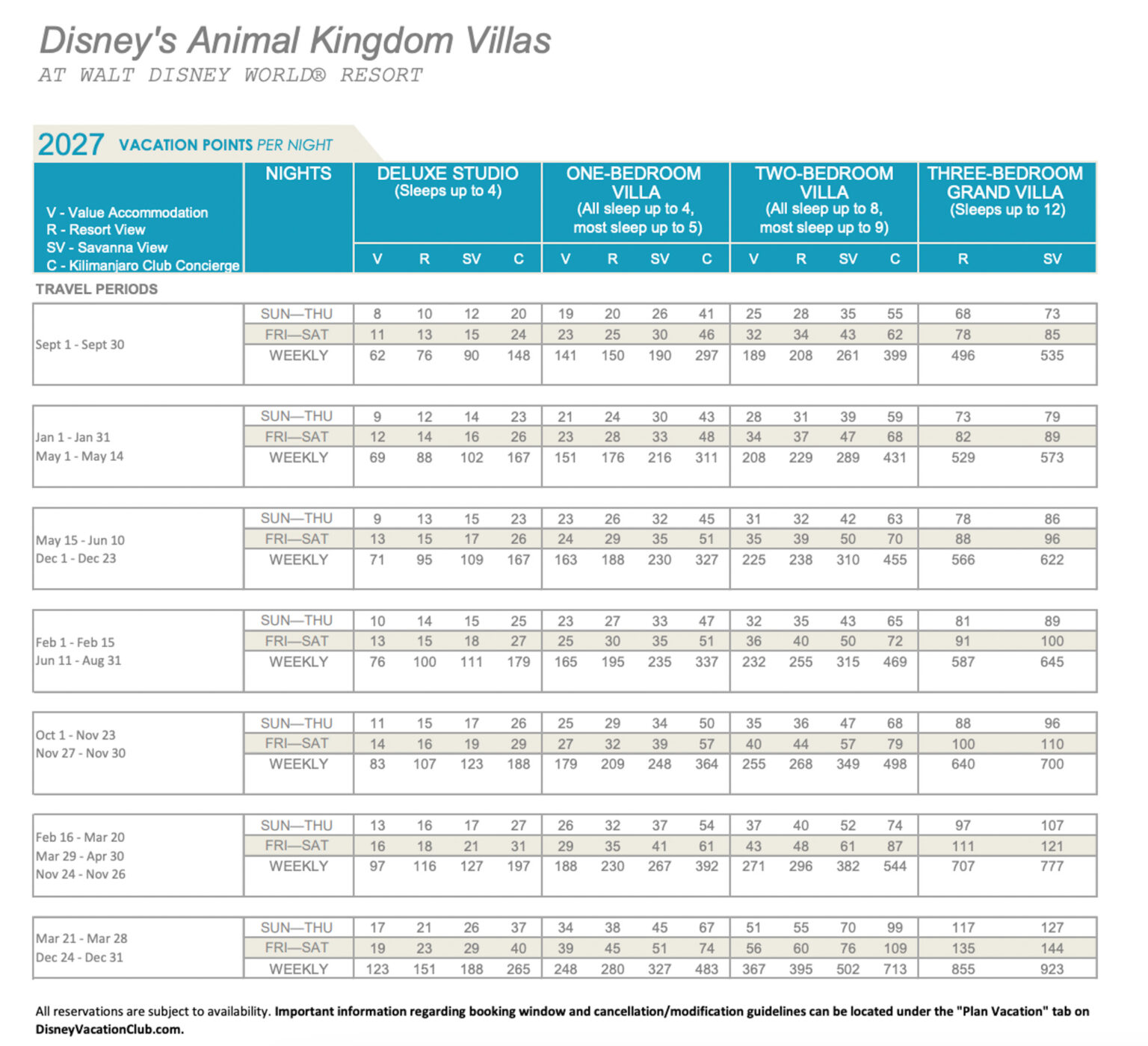
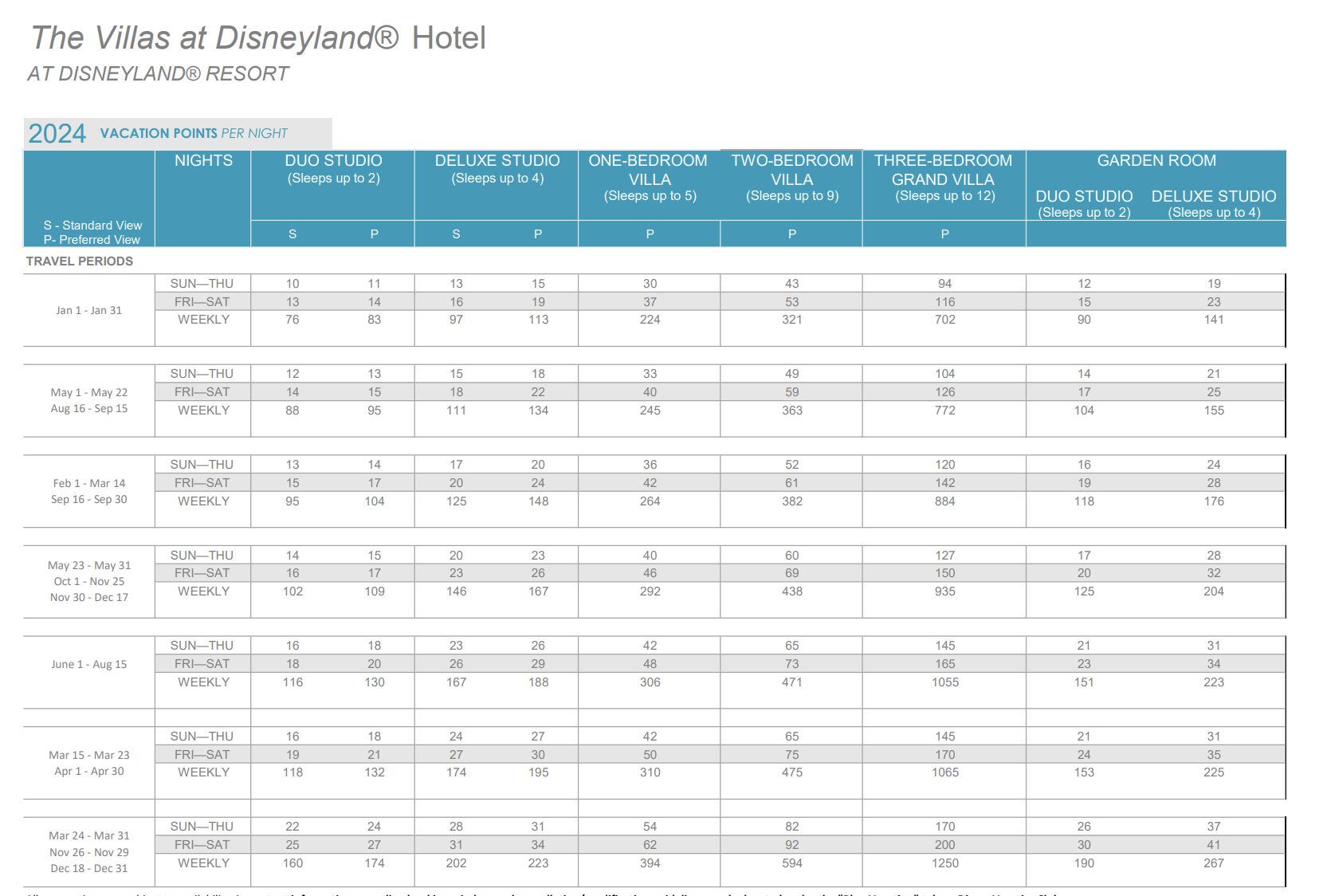
A DVC point chart is a handy tool for Disney Vacation Club members, offering a clear overview of their points and their worth. This guide will navigate you through the essentials, ensuring you understand the ins and outs of this valuable resource.
It's a simple yet effective way to keep track of your Disney points, and while the specific values may vary, the DVC point chart provides a consistent framework to manage and maximize your membership benefits.
Understanding the DVC Point Chart
The DVC point chart is a valuable tool for Disney Vacation Club members, offering a clear overview of point values and their redemption options. It's like a map guiding you through the world of Disney vacations, helping you plan and make the most of your membership benefits.
Key Details and Categories
Before diving into the chart, let's get familiar with some basics. The DVC points system operates on a point-based currency, where each point holds a specific value. These points can be used for various purposes, primarily for booking accommodations and experiences within the Disney realm. The chart displays point values, typically ranging from 1 to 100, and sometimes even higher for premium options. It's important to note that these values may differ based on the standard or region, so always check the relevant chart for your specific membership.
Reading and Applying the DVC Point Chart
Now, let's explore how to navigate and utilize the DVC point chart effectively. Here's a step-by-step guide:
Identify Your Point Balance: Start by knowing your current point balance. This information is crucial for planning your vacation and understanding your options.
Consult the Chart: Refer to the DVC point chart to see the point values for different accommodations and experiences. Each entry on the chart will typically show the point value required for a specific option, along with any relevant details or restrictions.
Plan Your Vacation: Using the chart, select the accommodations and experiences that align with your preferences and point balance. Consider factors like travel dates, resort preferences, and the number of people in your party.
Calculate and Reserve: Once you've made your choices, calculate the total points needed for your desired vacation. You can use a DVC point calculator for this, which will provide an accurate estimate. Reserve your accommodations and experiences by following the booking process outlined by Disney Vacation Club.
Variations and Differences
It's worth noting that DVC point charts may vary across different standards and contexts. Here are some key factors that can influence the values and redemption options:
- Resort and Location: Different Disney resorts and destinations may have varying point values due to their popularity, amenities, and location.
- Seasonality: Point values can fluctuate based on the time of year, with peak seasons often requiring more points.
- Membership Type: The type of membership you hold, such as a standard or premium plan, can impact the point values and redemption options available to you.
- Special Events and Promotions: Disney may offer special events or promotions that affect point values and redemption rates.
Remember, while the DVC point chart provides a valuable overview, it's always a good idea to double-check the exact specifications and tolerances for your specific membership and vacation plans. This ensures an accurate and enjoyable Disney experience!
Well, there you have it! The DVC point chart is a handy tool, and now you know the ins and outs of using it. Remember, while the basics remain the same, the exact details might shift a little based on your specific situation.
Feel free to explore our other guides; we've got plenty of practical tips and tricks to help you navigate various aspects of your projects. Happy reading, and we hope you find the info you need!
Related: Find Your Perfect Fit: The Levi Size Chart Guide
You're here because you need a quick solution, right? Well, if you're looking for a bold and reliable way to find your perfect Levi's fit, the Levi size chart is your go-to tool. It's a simple yet effective guide, offering a visual representation of sizes and measurements, making it easy to navigate. With just a glance, you can ensure you're getting the right size, whether it's for yourself or a gift. This chart is a handy reference, especially when you're in a rush and need a quick sizing solution.
Understanding the Levi Size Chart
The levi size chart is your go-to guide for finding the perfect fit in Levi's jeans and clothing. It's a simple tool to ensure you get the right size, whether you're shopping online or in-store. This chart provides measurements and size categories to help you choose the best fit for your body.
Standard Sizing Options
Levi's size chart follows a standard sizing system, typically based on waist size and inseam length. This means you'll find consistent sizing across their products, making it easier to find your fit. The chart usually includes categories like waist size (in inches or centimeters), inseam length, and sometimes additional measurements like hip and thigh circumference.
How to Use the Levi Size Chart: A Step-by-Step Guide
- Identify your waist size. This is the most critical measurement for jeans. Measure your waist at the point where you usually wear your pants, keeping the tape measure snug but not tight.
- Determine your inseam length. This is the distance from your crotch to the hem of your pants. You can measure this while wearing well-fitting pants or by standing against a wall and measuring the distance from your crotch to the floor.
- Refer to the levi size chart. Find your waist size and inseam length on the chart. The chart will provide you with the corresponding size, typically in numerical or alphabetical categories.
- Consider other measurements. If the chart offers additional measurements like hip or thigh circumference, you can use these to ensure an even better fit.
Common Misreadings and How to Avoid Them
One common mistake is assuming all brands use the same sizing standards. While Levi's size chart is consistent within their brand, sizes may vary across different brands and styles. Always double-check the specific size guide for the item you're interested in. Additionally, be mindful of the units used. Some charts may use inches, while others use centimeters. Ensure you're comparing like with like.
Factors Affecting Size Variations
Several factors can influence the accuracy of your size determination. First, body shape varies, and the chart provides a general guide. Second, the fit you prefer (e.g., slim, regular, or relaxed) can affect the size you choose. Lastly, the fabric and stretchiness of the material can impact the fit, so consider the fabric type when using the chart. Remember, the levi size chart is a helpful tool, but it's always a good idea to try on clothing to ensure the perfect fit.
Hey there! We hope you found this guide on the Levi size chart helpful and that it's made your sizing quest a little easier. Remember, when it comes to size charts, exact details can differ slightly, so always double-check the source and standard you're using.
We've got a bunch of other guides on various topics, so feel free to explore and discover more practical tips and tricks. Happy reading, and we hope to see you around!