




Blank 100s Chart 2026 Overview
You're probably here because you need a quick guide to understanding Round Lake Charter and its key elements. It's a handy tool for anyone navigating the waters, offering a snapshot of essential information. This simple reference, often a diagram or table, provides insights into lake depths, navigation aids, and more, all in one place.
What is the Round Lake Charter?
The Round Lake Charter is a detailed guide and diagram that provides essential information for navigating and understanding the unique features of Round Lake. It offers a comprehensive overview, helping boaters and outdoor enthusiasts explore the lake safely and efficiently.
Key Details and Categories
This charter includes a variety of critical data, presented in a clear and standardized format. It displays depth contours, which are lines connecting points of equal depth, helping users visualize the lake's bottom topography. Other crucial elements include navigation aids, such as buoys and markers, and important landmarks. The chart also features a legend, explaining the various symbols and abbreviations used.
Reading and Applying the Round Lake Charter
To read and interpret the Round Lake Charter, follow these steps:
- Begin by familiarizing yourself with the legend. Understand the symbols and their meanings, as they provide vital information about hazards, restrictions, and facilities.
- Observe the depth contours. These lines indicate different depth zones, helping you identify shallow areas and potential hazards.
- Note the scale of the chart. This will help you estimate distances and plan your route effectively.
- Pay attention to navigation aids and markers. They guide you and warn of potential dangers, such as restricted areas or obstacles.
- Identify landmarks and notable features. These can assist in orientation and provide reference points for your journey.
Variations and Differences
It's important to note that Round Lake Charter may vary depending on the standard or region. Depth contours, for instance, can be presented differently, with varying intervals and color codes. Additionally, symbols and abbreviations might differ slightly between charts, so it's crucial to refer to the specific legend provided.
Common Mistakes and How to Avoid Them
One common mistake is assuming that all charts follow the same conventions. Always refer to the legend and understand the unique features of each Round Lake Charter. Another pitfall is ignoring depth contours, which can lead to potential hazards. Always pay attention to these lines and plan your route accordingly. Lastly, failing to account for scale can result in inaccurate distance estimations, so always consider this factor when navigating.
Practical Tips for Accurate Results
To ensure accurate navigation, always double-check the specific details and tolerances of your Round Lake Charter. Keep in mind that charts may have limitations and exceptions, especially in dynamic environments like lakes. Regularly update your charts to access the most current information, and consider using additional resources, such as GPS or local knowledge, to complement your navigation.
Hey there! I hope this guide has given you a clear understanding of the Round Lake Charter. Remember, while the basics remain the same, the exact details can slightly differ depending on your specific context or the standard you're working with.
Feel free to explore our other guides for more practical insights and tips. And don't forget to bookmark this page for a quick refresher when you need it. Happy navigating!
Related: A Simple Guide to Solar Return Chart Reading
A solar return chart is a valuable tool, a snapshot of your astrological year, offering insights and a unique perspective. This guide will navigate you through the basics, ensuring you grasp the fundamentals of reading and interpreting these charts.
The solar return chart, or solar revolution chart, provides a detailed map, varying slightly depending on your region and the astrological tradition you follow. It's an essential resource for chart reading and solar return analysis, offering a fresh perspective on your year ahead.
Understanding the Solar Return Chart: An Overview
The solar return chart is a powerful tool used in astrology to provide insights into a person's upcoming year. It offers a snapshot of the celestial positions at the precise moment of your birth, calculated for the date and location of your solar return anniversary. This chart is like a personalized map, guiding you through the potential themes and challenges of the year ahead.
Comparing Solar Return Chart Formats and Standards
There are two primary methods for calculating a solar return chart: the sidereal solar return and the tropical solar return. The sidereal method uses the actual position of the Sun among the stars, while the tropical method aligns with the seasonal changes. Both methods have their adherents, and the choice often depends on personal preference and the astrological tradition followed.
Step-by-Step Guide to Reading Your Solar Return Chart
To interpret your solar return chart, follow these steps:
Identify the house placements: Each house represents a specific area of life, such as career, relationships, or personal growth. The planets' positions within these houses indicate the focus and potential challenges or opportunities in each life area.
Analyze planet transits: Note the positions of the planets in your solar return chart compared to your natal chart. These transits highlight areas of life where you may experience significant growth, challenges, or transformations.
Interpret the aspects: Aspects are the angular relationships between planets. They reveal the dynamic interactions and energies at play. For example, a harmonious aspect like a trine suggests ease and flow, while a challenging aspect like a square indicates potential obstacles and the need for adaptation.
Consider the chart's overall energy: Look at the overall balance of elements (fire, earth, air, water) and modalities (cardinal, fixed, mutable) in your solar return chart. This gives an overview of the predominant energies and themes for the year.
Common Misinterpretations and How to Avoid Them
A common mistake is to focus solely on the negative aspects or transits in a solar return chart. While challenges are part of the journey, it's important to remember that these aspects also offer opportunities for growth and transformation. Balance your interpretation by considering the positive aspects and the potential for personal development.
Factors Affecting the Accuracy of Solar Return Analysis
The accuracy of your solar return chart interpretation depends on several factors:
Location: The chart is calculated for a specific geographic location, so if you travel frequently, your solar return may vary depending on where you spend your birthday.
Time zone: The precise time of your birth is crucial. Even a small variation in the time zone can impact the chart's interpretation.
Personal evolution: As you grow and change, your chart may reflect these shifts. Your interpretation should consider your current life circumstances and personal growth.
Adapting the Solar Return Chart for Specific Needs
The solar return chart can be tailored to specific areas of interest. For example, you can create a focused chart for your career by emphasizing the houses and planets associated with work and professional life. This allows for a more detailed analysis of the opportunities and challenges in that specific realm. Similarly, you can create charts for relationships, health, or creative pursuits, providing a deeper understanding of the year's potential in those areas.
Hey there, fellow explorers! We've covered a lot of ground in this guide, and I hope it's given you a clear path to navigate the world of solar return charts. Remember, the specifics might differ slightly, as each chart has its unique nuances.
Feel free to explore more of our guides; we've got a range of topics to help you on your path to mastering these practical tools. Happy reading and learning!
Related: Unravel the Rodent Poop Chart: A Simple Guide
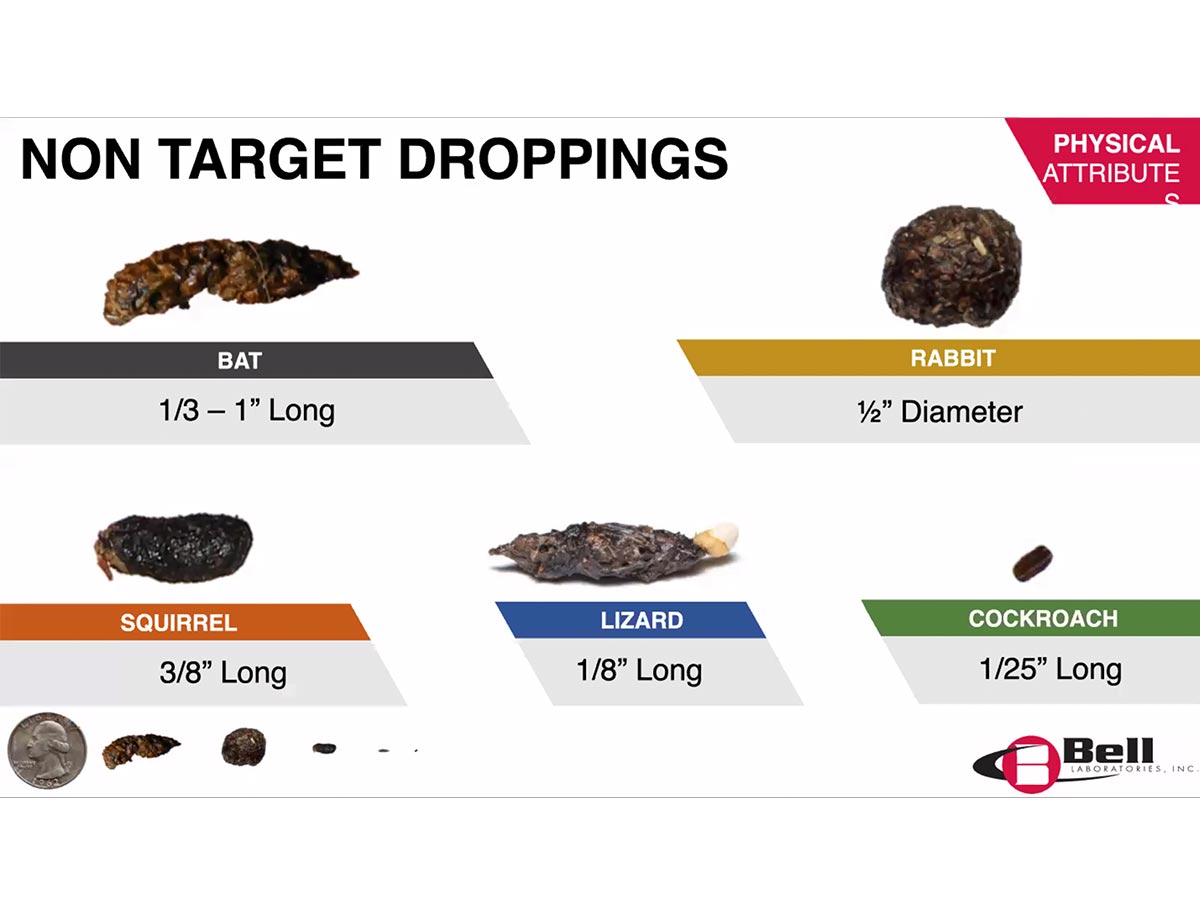
Many people tend to overlook the importance of a rodent poop chart, assuming it's a trivial matter. However, this chart is a valuable tool with a simple yet effective purpose.
It offers a straightforward way to identify and understand rodent droppings, which can be crucial for various reasons. While the values and formats may vary depending on your region or specific needs, the rodent poop chart provides a reliable guide to help you make informed decisions and take appropriate actions.
Understanding the Rodent Poop Chart: A Practical Guide
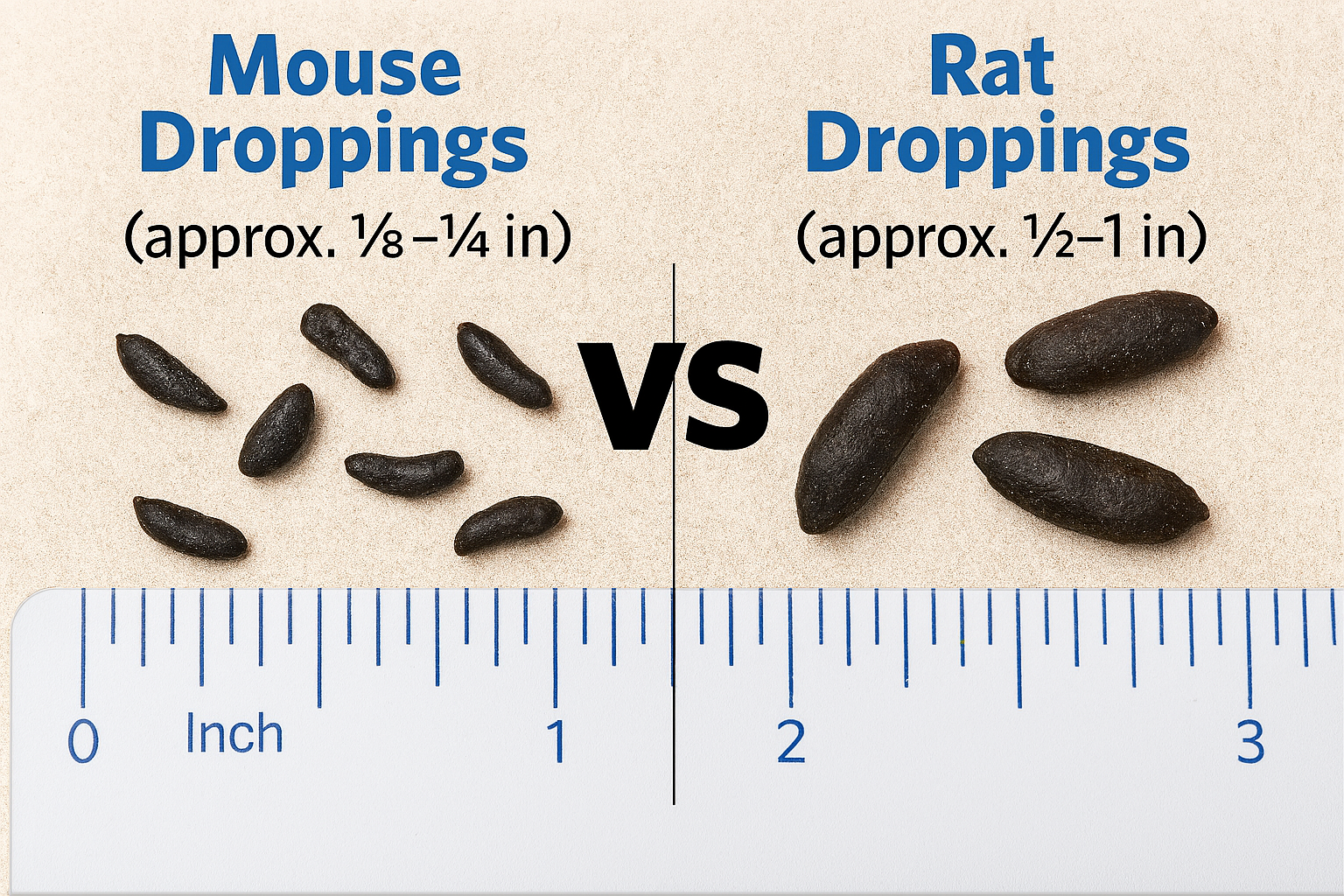
The rodent poop chart is a handy tool for identifying and distinguishing between different types of rodent droppings. It provides a visual reference guide, often in the form of a chart or table, to help you accurately identify the type of rodent you may be dealing with based on their waste. This chart is particularly useful for pest control, wildlife enthusiasts, and anyone curious about the rodents in their environment.
Key Details and Categories
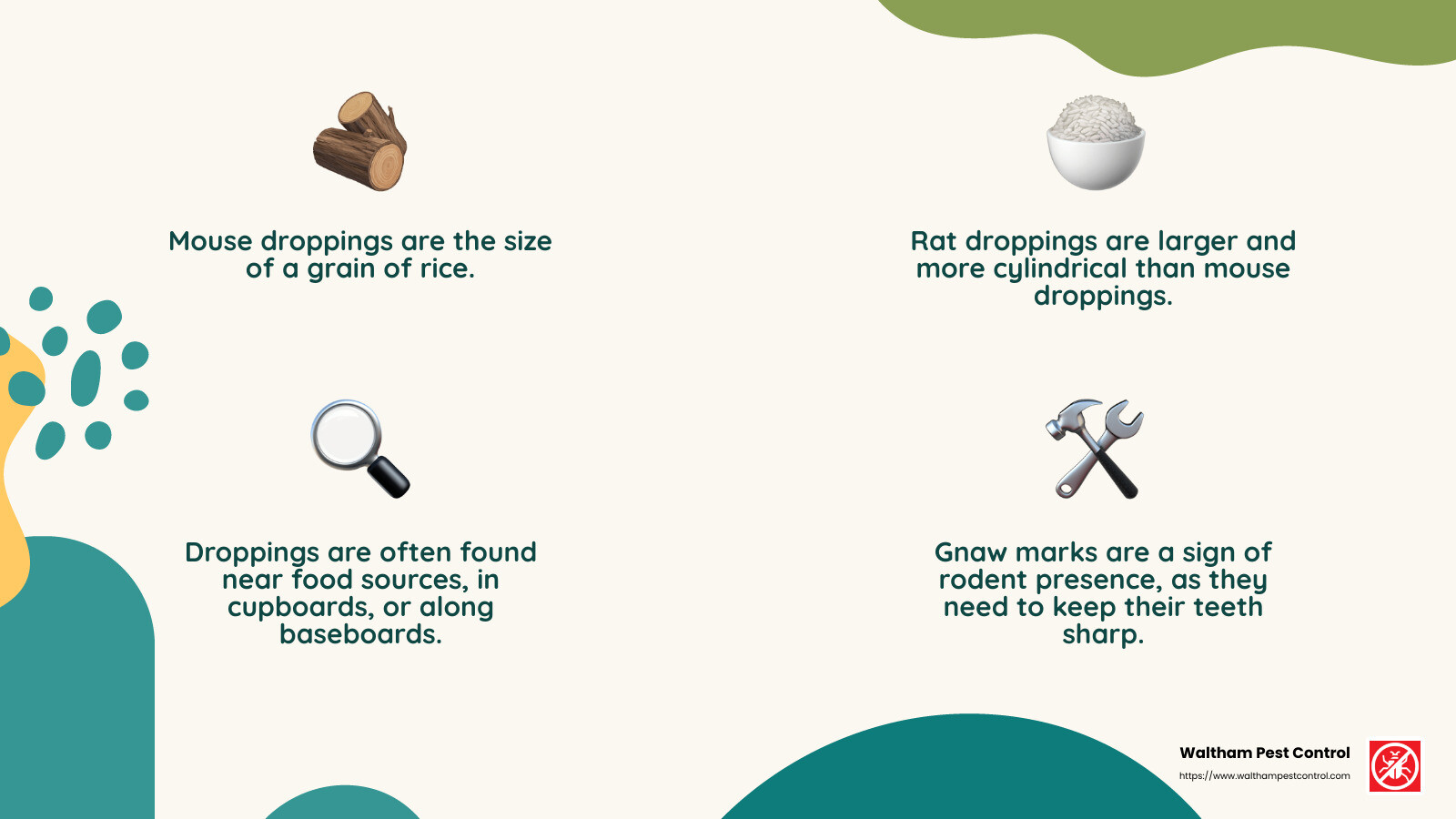
The rodent poop chart typically includes visual representations of various rodent droppings, often displayed as images or drawings. These visual aids show the size, shape, and color of the droppings, which are crucial for accurate identification. The chart may also provide additional information such as the average length and width of the droppings, helping to further narrow down the specific rodent species. It's important to note that while the chart offers a comprehensive guide, there can be slight variations in droppings due to factors like diet and environment.
Reading the Chart: A Step-by-Step Guide
To use the rodent poop chart effectively, follow these steps:
Observe the droppings you want to identify. Take note of their overall size, shape, and color. Are they long and thin, or more rounded? What shade of brown or black are they?
Compare your observations to the chart. Look for droppings that match or closely resemble the ones you found. Pay attention to the provided measurements and visual cues.
Consider the context. The chart may provide additional information, such as common habitats or dietary preferences, to help narrow down the species. For instance, if you find droppings in a rural area with access to grains, it could indicate a different rodent than if you found them in an urban setting with more varied food sources.
Confirm your findings. Once you've identified a potential match, double-check the species' characteristics and behavior to ensure a correct identification.
Variations and Differences: Why It Matters
While the rodent poop chart is a valuable resource, it's important to understand that droppings can vary due to various factors. Diet plays a significant role; a rodent's diet can affect the size and color of their droppings. Additionally, environmental conditions can impact droppings, as rodents in different habitats may have access to varying food sources. It's also worth noting that while the chart provides standard measurements, there can be slight variations between individuals of the same species. Therefore, it's essential to consider these factors when using the chart and to consult additional resources for a more accurate identification if needed.
Hey there, fellow rodent enthusiasts! We hope this guide has given you a clear understanding of the rodent poop chart and its practical uses. Remember, while the basics remain the same, exact details can differ slightly, so always refer to the most relevant and up-to-date sources for your specific needs.
If you're keen to explore more, why not check out our other guides on related topics? We've got a whole range of fun and informative content to keep you entertained and educated. Happy reading!