




Blank 100s Chart A4 Overview
Many pianists, especially beginners, often overlook the power of a simple piano scales chart. It's a common misconception that these charts are only for advanced players or music theorists. However, a piano scales chart is an incredibly useful tool for all levels!
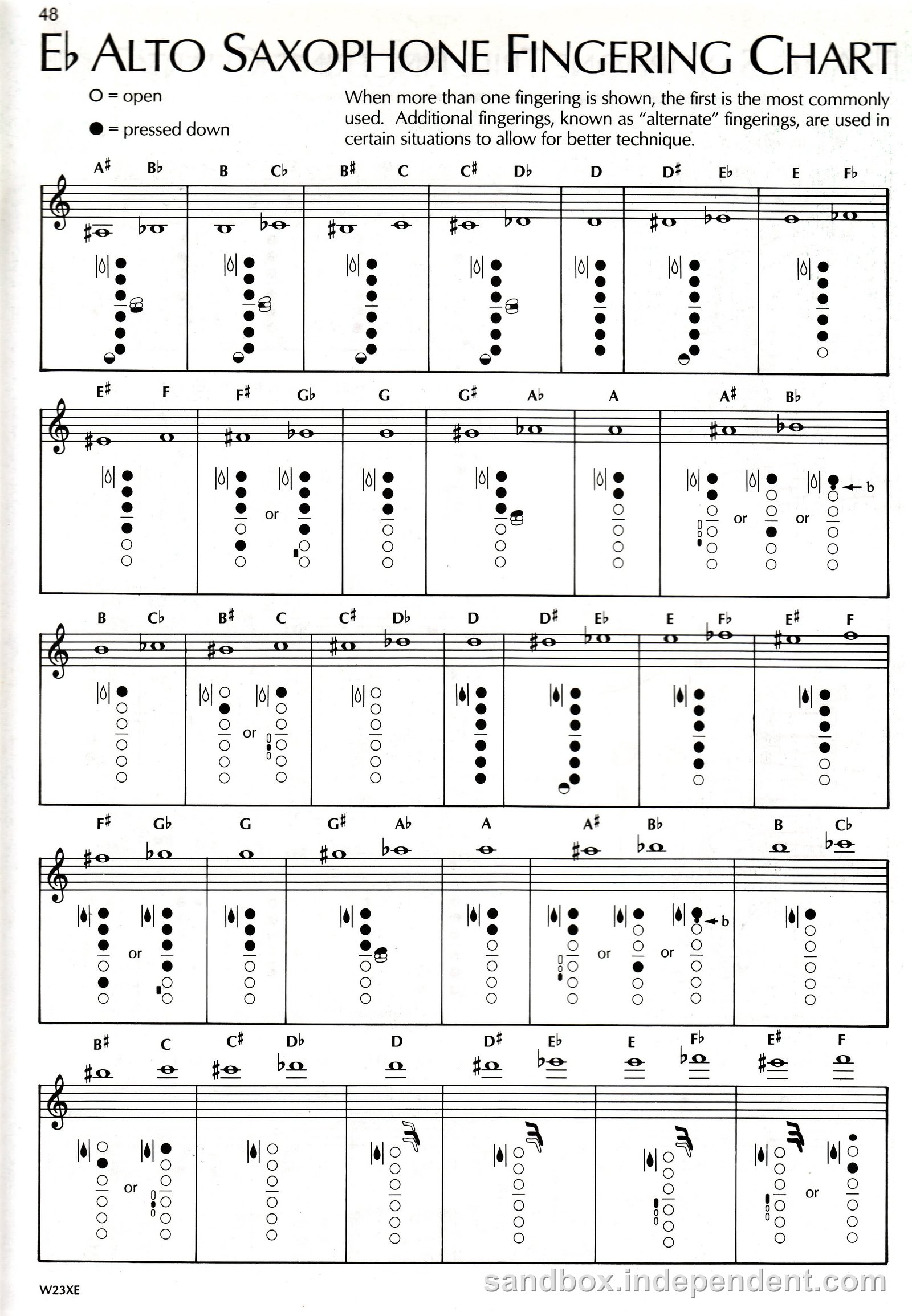
This chart is your quick guide to understanding and mastering scales. It provides a visual representation of scale patterns, intervals, and fingerings, making it easier to navigate and play scales with confidence. While there may be variations in format or notation, the essence remains the same: a practical guide to exploring major and minor scales.
Piano Scales Chart: Your Visual Guide to Musical Mastery
The piano scales chart is a powerful tool for musicians, offering a visual representation of the building blocks of music. It's like a map that helps you navigate the world of scales, providing a quick reference for understanding and playing different scale patterns. This chart is your secret weapon to mastering the piano keyboard and creating beautiful melodies.
Understanding Scale Structure: The Basics
Before diving into the chart, let's grasp some fundamental concepts. A scale is a sequence of notes that forms the foundation of music. There are two main types: major and minor scales, each with its unique sound and mood. The chart typically displays these scales in a standardized format, showing the notes and their intervals. You'll find scale degree names, like "tonic" or "dominant," which are essential for understanding the structure.
Reading Scale Charts: A Step-by-Step Guide
Using the piano scales chart is straightforward. Here's a simple guide:
- Identify the scale you want to learn. Let's say it's the C major scale.
- Locate the C major scale on the chart. It will show the notes in sequence, often with fingerings to guide your playing.
- Follow the notes and fingerings, playing each one on your piano.
- Practice the scale until you can play it smoothly and confidently.
- Repeat this process for other scales, exploring the various patterns and sounds.
Common Scale Variations: Navigating Differences
While the piano scales chart provides a standard reference, scales can vary depending on the musical context. Different styles, such as jazz or classical, may use unique scale variations. Additionally, some scales have multiple forms, like the harmonic minor scale, which has a distinct sound compared to its natural minor counterpart. It's essential to explore these variations and understand their applications to become a versatile musician.
Mistakes to Avoid: Common Pitfalls
When working with the piano scales chart, it's crucial to avoid common mistakes. One pitfall is rushing through the learning process. Take your time to understand each scale and its characteristics. Another mistake is neglecting to practice the scales in context. Apply them to real songs or exercises to reinforce your understanding and muscle memory.
Practical Tips for Accurate Results
To get the most out of your piano scales chart, consider these practical tips:
- Start with the basic major and minor scales. These are the foundation for many other scales and musical concepts.
- Practice regularly, even if it's just a few minutes each day. Consistency is key to mastering scales.
- Explore different piano scale patterns and intervals to expand your musical vocabulary.
- Use the chart as a reference, but also try to internalize the scales by playing them from memory.
- Challenge yourself with more complex scales once you've mastered the basics.
Remember, the piano scales chart is a valuable tool, but it's just the beginning. Practice, experimentation, and a deep understanding of music theory will take your piano skills to new heights. Happy practicing!
Well, there you have it! A piano scales chart is a handy tool to keep close by, offering a quick and easy reference for your musical adventures. Remember, while this guide provides a solid foundation, exact values might shift slightly based on the source or standard you follow.
So, before you dive in, ensure you're using the right chart for your specific needs. And hey, why not bookmark this page for future musical missions? It's always good to have a reliable resource at your fingertips!
Related: How to Read a Bangle Size Chart?
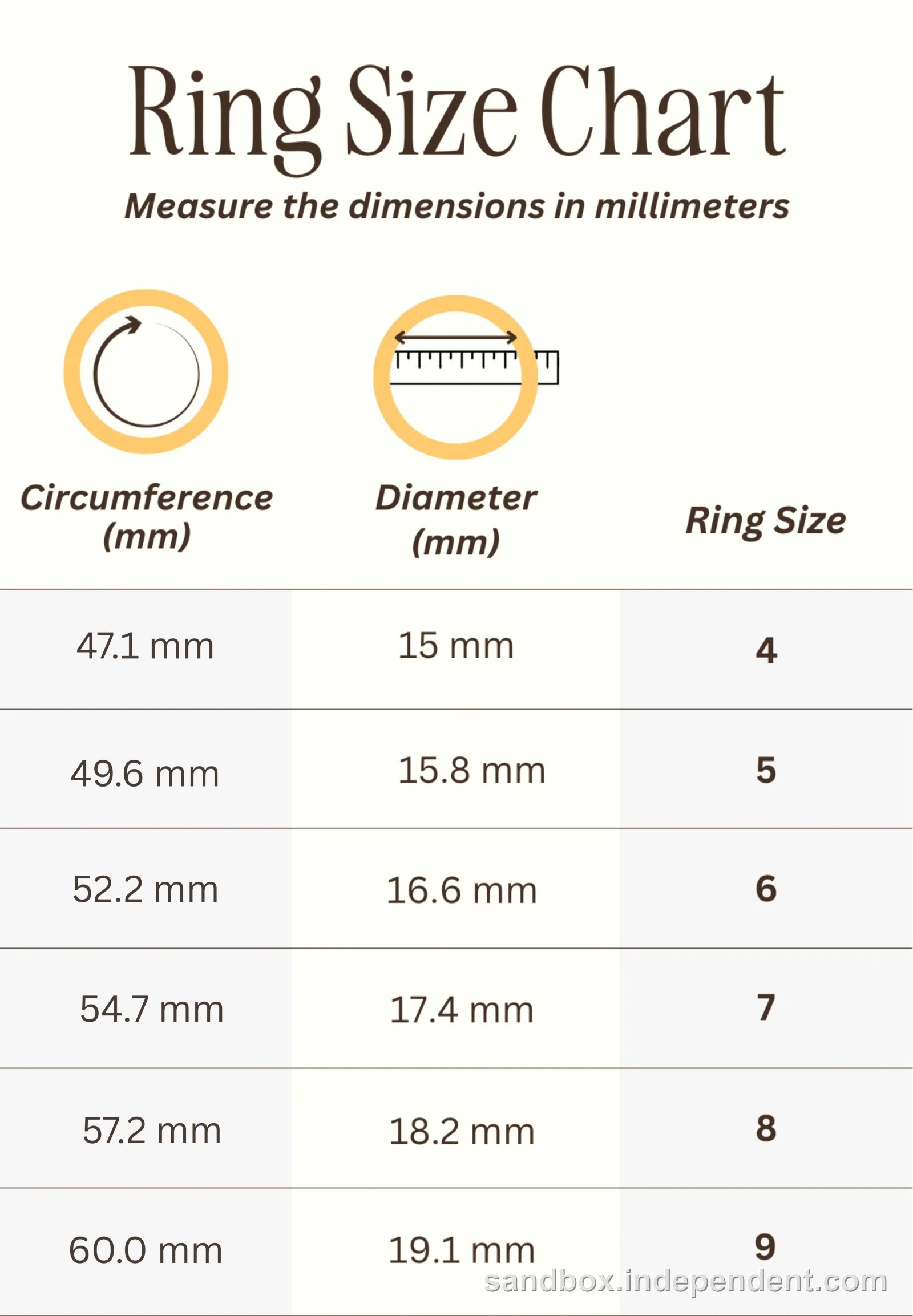
You're here because you need a simple solution, and the bangle size chart is your answer. This handy tool, whether a visual guide or a reference table, is a quick way to get the right bangle size. It's a straightforward process, but with so many options, it's easy to get confused. So, let's keep it simple and ensure you find the perfect fit. The chart may vary, offering different measurements and standards, but we'll navigate that together, ensuring you understand the key details.
Bangle Size Chart: A Simple Guide
The bangle size chart is a handy tool that helps you find the perfect fit for your bangles or bracelets. It's a reference guide that provides measurements and sizes to ensure you get the right size every time. This chart is especially useful when shopping online or if you're unsure about your wrist size.
Key Details and Measurements
Before we dive in, let's understand the basics. The bangle size chart typically includes two main measurements: the inner circumference and the diameter. The inner circumference is the distance around the inside of the bangle, while the diameter is the width across the opening. These measurements are usually provided in inches or centimeters, depending on the standard used. It's important to note that different regions and manufacturers may have slight variations in their charts, so always check the specific guidelines.
Reading the Chart and Sizing Your Bangles
Using the bangle size chart is straightforward. Here's a step-by-step guide:
Measure your wrist: Take a flexible measuring tape and wrap it around your wrist at the point where you'd like to wear the bangle. Ensure it's snug but not too tight. Note down the measurement in inches or centimeters.
Find your size: Refer to the bangle size chart. Look for the column or section that matches your wrist measurement. The chart will provide you with the corresponding bangle size, often labeled with letters or numbers.
Choose the right size: Select the bangle size that aligns with your wrist measurement. If your wrist measurement falls between two sizes, it's generally recommended to go for the larger size for a comfortable fit.
Consider the bangle style: Some bangles are designed to be worn loosely, while others are meant to fit snugly. Adjust your choice based on the style and your personal preference.
Double-check: If you're ordering online, ensure the retailer provides accurate size guides and specifications. It's always a good idea to cross-reference with multiple sources to ensure an accurate fit.
Variations and Differences to Consider
While bangle size charts are a great starting point, there can be variations across different standards and contexts. Here are some factors to keep in mind:
- Wrist circumference: The size of your wrist can vary based on factors like bone structure, muscle tone, and personal preferences for a snug or loose fit.
- Bangle style: Different bangle designs may have unique sizing requirements. For example, hinged bangles often have a different fit compared to open-ended styles.
- Material: The flexibility and stretch of the bangle material can impact the sizing. Some materials, like resin or plastic, may have more give, while metals like silver or gold may be more rigid.
- Personal comfort: Ultimately, the right size is the one that feels comfortable to you. Trust your instincts and choose a size that allows for easy wear and removal.
Remember, the bangle size chart is a practical tool to guide you, but it's always a good idea to check specific brand guidelines and consider your personal preferences for a perfect fit.
Hey there, I hope this bangle size chart has been a helpful tool for you! Remember, when it comes to these charts, the exact values might differ slightly depending on the source or standard you're using. It's always a good idea to double-check and ensure you're using the right measurements for your specific needs.
Feel free to explore our other guides and resources on similar topics. We've got plenty of practical tips and tricks to share, so make sure to check them out and keep learning!
Related: Find Your Perfect Gauge Size: A Comprehensive Chart
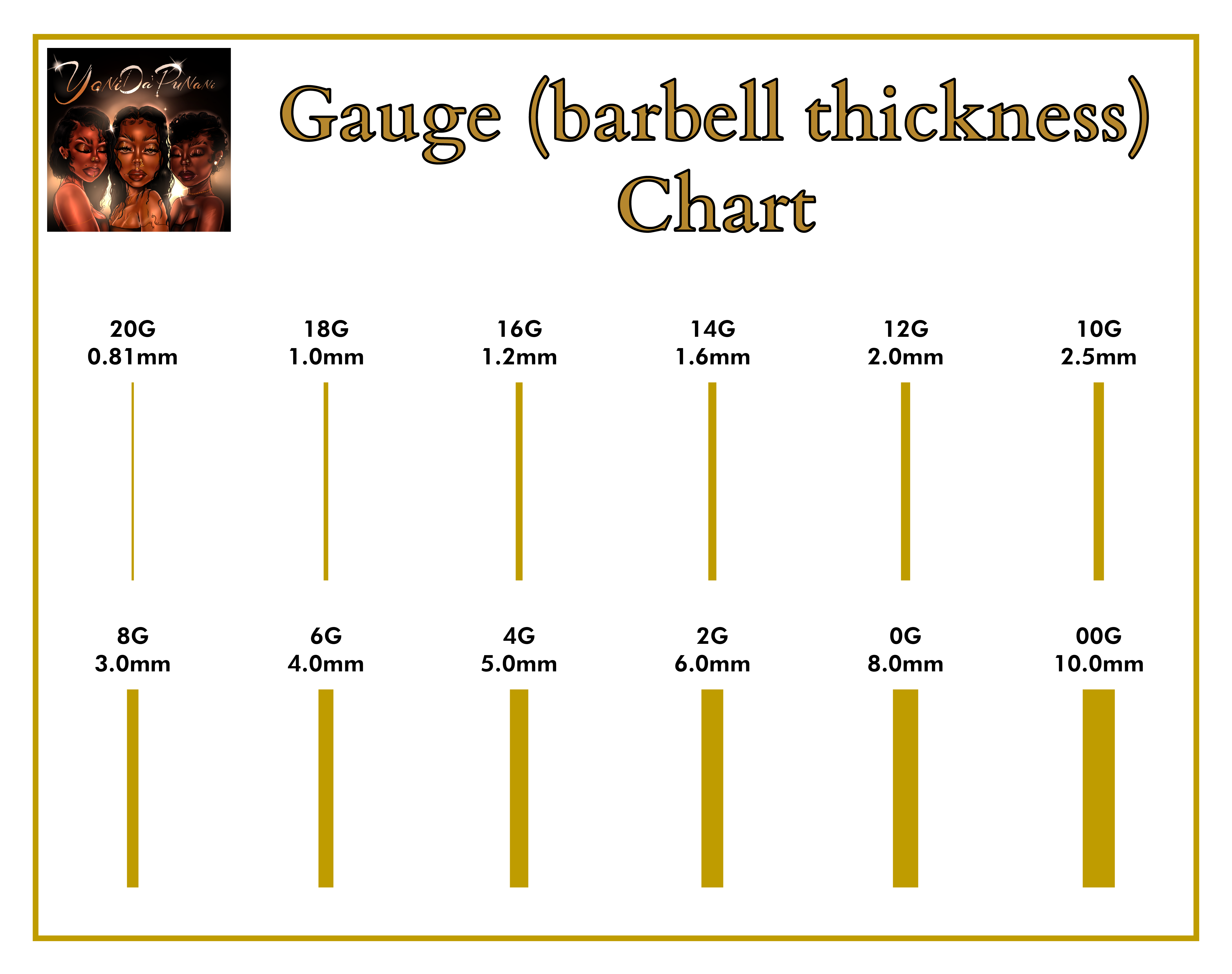
Many people assume that a gauges size chart is a simple, one-size-fits-all guide, but it's actually a bit more complex than that! These charts are essential tools for anyone getting or wanting ear piercings, as they ensure you get the right size jewelry.
While gauges size charts provide a standard gauge system, it's worth noting that variations exist due to different measurement standards and brands. So, it's always a good idea to double-check and ensure you're using the right chart for your needs, whether it's for ear piercing measurements or body jewelry sizing.
Understanding the Gauges Size Chart: A Quick Overview
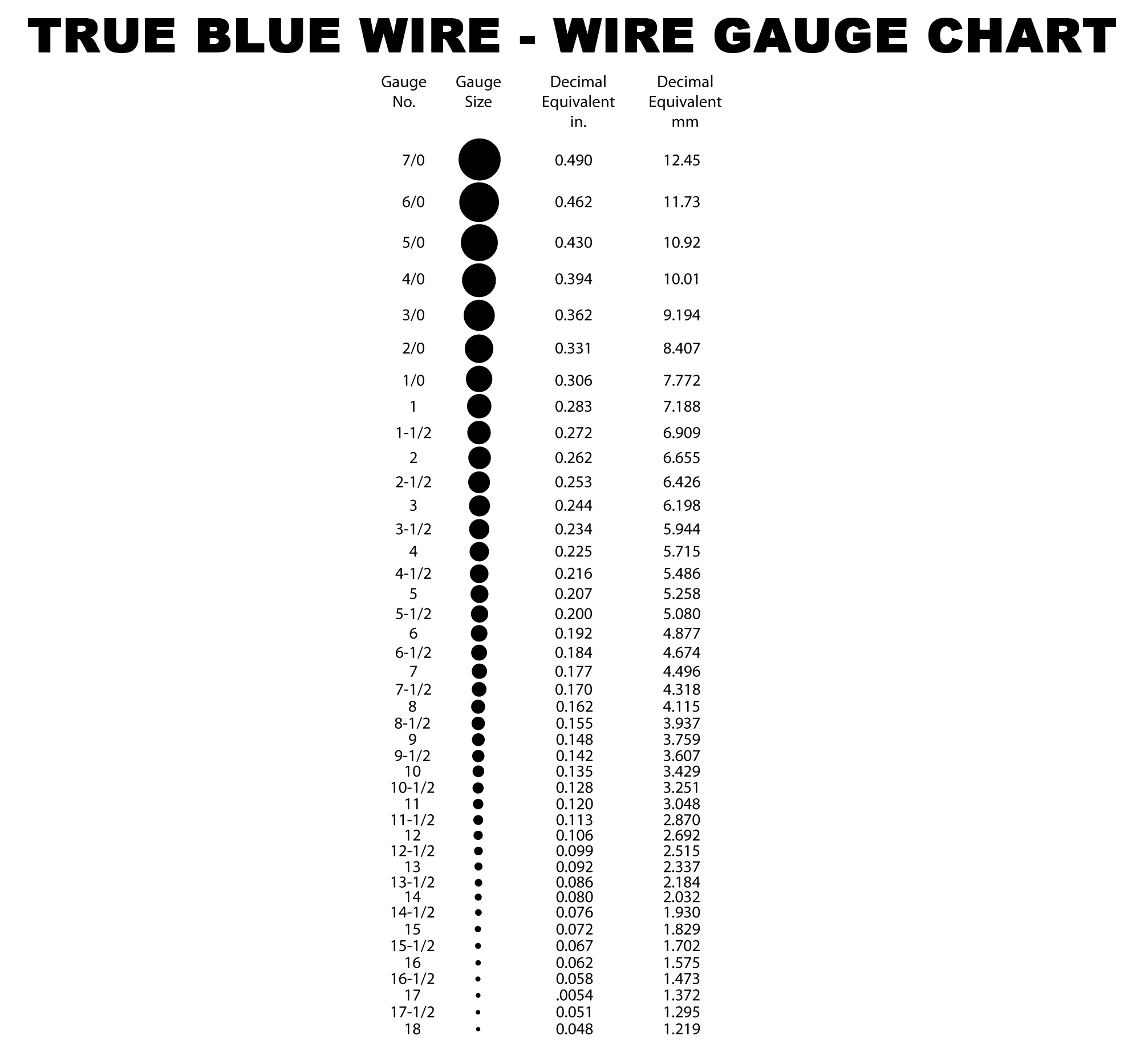
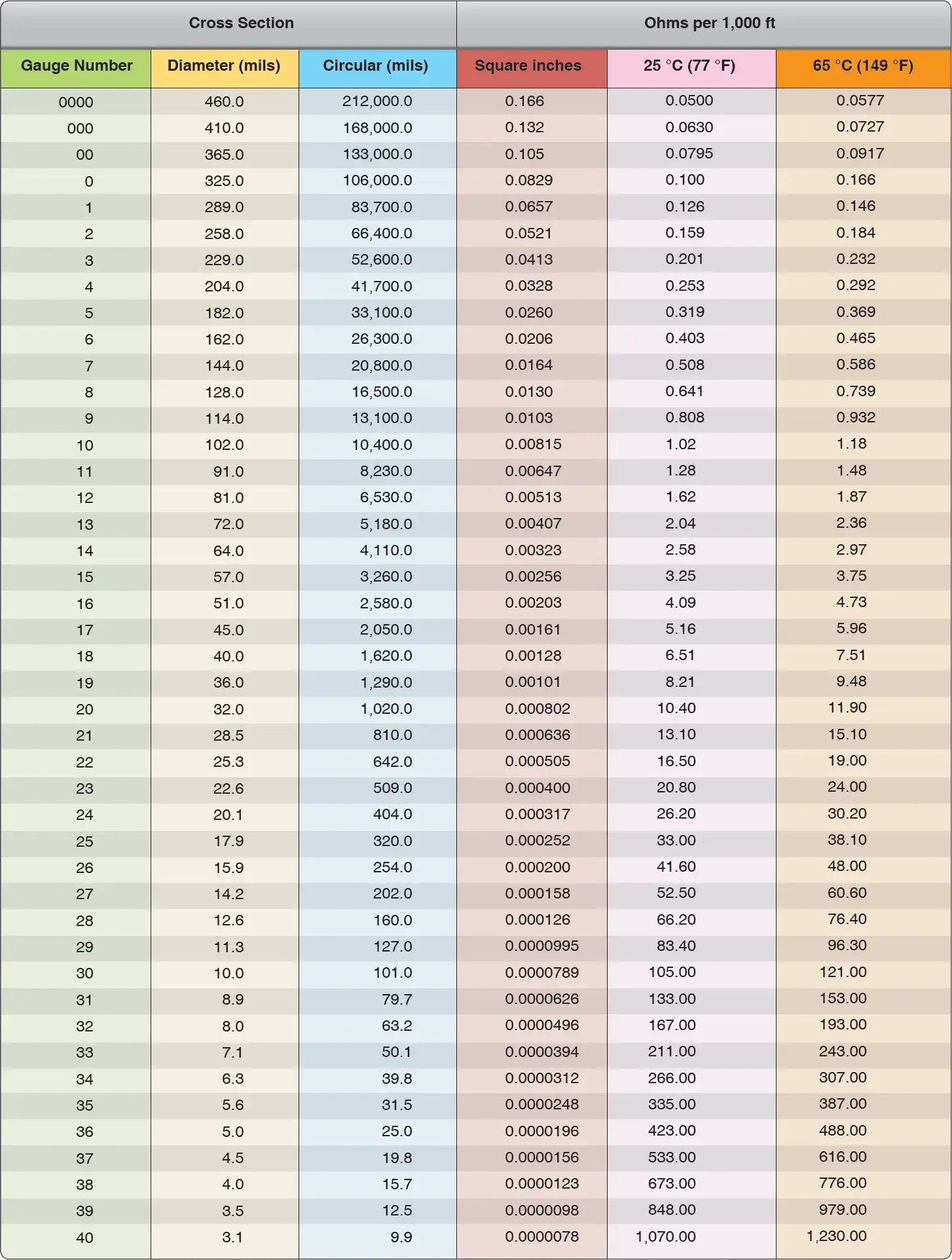
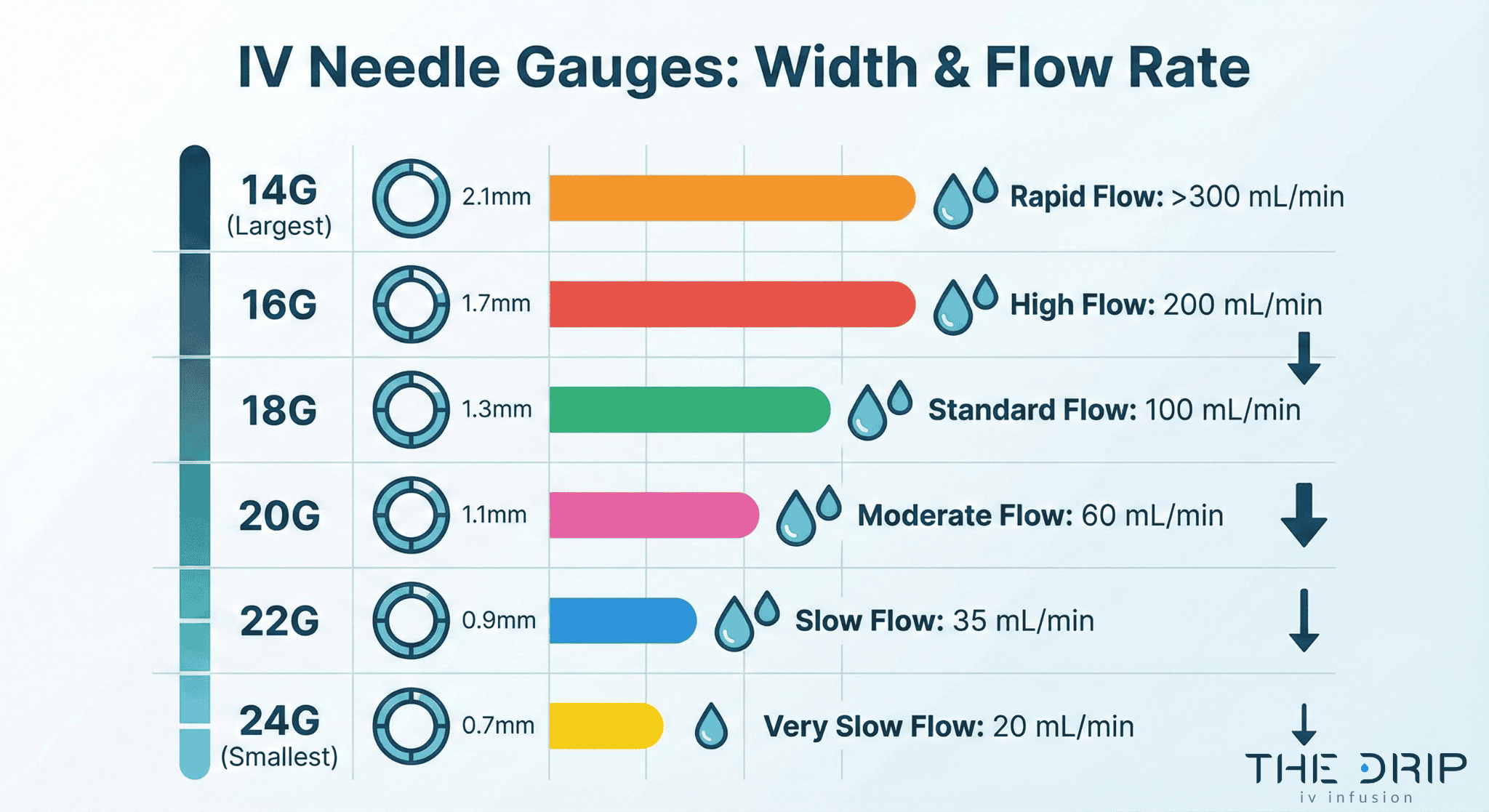
The gauges size chart is a handy tool for anyone who wants to understand and work with different gauge sizes. It provides a clear visual representation of the various measurements used for gauge sizing, typically for body jewelry or ear piercings. This chart is your go-to reference, offering a simple way to grasp the differences between gauge sizes.
Comparing Gauge Standards and Formats
When it comes to gauge sizes, there are two main standards: the imperial and metric systems. The gauges size chart often presents these in separate columns or sections. Imperial gauges are measured in fractions of an inch, while metric gauges use millimeters. It's crucial to know which system you're dealing with to read the chart accurately.
Measuring Accurately: Step-by-Step Guide
Using the gauges size chart is straightforward:
- Identify the type of gauge you're working with - whether it's an imperial or metric gauge.
- Locate the corresponding column or section on the chart.
- Find the specific gauge size you need by matching it to the values on the chart.
- Take note of the measurements provided, ensuring you understand whether they are in inches or millimeters.
- If you need to convert between the two systems, you can use a gauge conversion chart as a helpful tool.
Common Gauge Mistakes and How to Avoid Them
A common pitfall is mixing up the imperial and metric systems. Always double-check which system your gauge size follows to ensure accurate measurements. Another mistake is assuming all gauge sizes are universal. Different manufacturers and regions might have slight variations, so always refer to the specific body jewelry sizing standards for your context.
Factors Affecting Accuracy and Real-World Use
The gauges size chart is a valuable reference, but it's important to remember that real-world applications can vary. Factors like material tolerance, manufacturing processes, and even the specific body part being pierced can influence the actual size. Always check with reputable sources or professionals for the most accurate information, especially for specialized applications.
Adapting the Chart for Your Needs
While the gauges size chart provides a standard reference, it's adaptable to different needs. If you work primarily with one gauge system, you can focus on that section for quicker reference. For those who need a more comprehensive view, combining both imperial and metric systems on one chart can be beneficial. Additionally, some charts offer additional features like conversion tools or visual aids to assist in understanding gauge sizes.
So, there you have it! A comprehensive guide to gauge size charts, covering all the bases. We've looked at the different standards, a step-by-step process for accurate readings, and even some common mistakes to avoid.
Remember, when it comes to precision, context is key. Ensure you're using the right chart for your specific needs and double-check any critical applications. With these charts as your reference, you'll be well-equipped to make informed decisions. Feel free to explore our other guides; we've got plenty of practical tips and tricks to offer!