






Blank Contractor Invoice Template Xlsx Overview
"Hey, anyone know a good general contractor in Houston Texas? We're thinking of a major home remodel and want to get it right."
Understanding General Contractors in Houston Texas
So, you've heard the term and are curious about what it means. General contractors in Houston Texas are your go-to professionals for any large-scale construction or remodeling project. They're the ones who manage the whole show, from start to finish. Think of them as the project leaders, coordinating all the different trades and keeping things on track.
These contractors are licensed and insured, which is a big deal. It means they have the necessary qualifications and protection in case something goes wrong. When you hire a general contractor, you're getting someone who can handle the entire process, from planning and permits to managing the workers and ensuring the job is done right.
What to Look For and How to Hire
When it comes to hiring a general contractor, there are a few key things to consider. First, check their licensing and insurance. This is crucial to ensure they're legitimate and covered in case of any accidents or issues. Then, ask for references and check their past work. You want to see a track record of happy clients and successful projects.
Get multiple quotes and compare them. While price is important, it's not the only factor. Look at the scope of work, the timeline, and the materials they plan to use. A good quote will be detailed, covering all aspects of the job. Don't be afraid to ask questions and clarify any doubts. You want a contractor who communicates well and understands your vision.
Construction Company Names and Ideas
Naming a construction business is an art. It needs to be memorable, professional, and reflect the company's values. Some names might highlight the owner's name, like "Smith's Building Solutions," while others could be more creative, like "Build-It-Right Construction."
Here are a few original ideas:
- Houston Home Transformations
- Texas Build Team
- Crafting Spaces
- Remodel Revolution
- Solid Foundations
Remember to check name availability and secure the necessary local registrations and domains.
The Industry and Its Tools
The construction industry has its own language and tools. One key resource is RSMeans, a cost database that helps estimate and manage project costs. It's a go-to for many contractors and estimators, providing valuable data on material and labor costs.
There are also cost indexes, which track the escalation of construction costs over time. These tools are essential for accurate budgeting and bidding. The industry is constantly evolving, and staying updated with the right tools is crucial for success.
Large vs. Small Firms
In the world of construction, you'll find a range of companies, from small, family-run businesses to large, multi-state firms. The size of the company often reflects the scope of work they take on. Larger firms may have more resources and a wider network, allowing them to tackle bigger projects.
However, smaller firms can offer a more personalized service and often have a strong local reputation. It's about finding the right fit for your project and your needs.
Wrapping Up
There's a lot to consider when dealing with general contractors in Houston Texas. But with the right research and a clear idea of what you want, you'll be able to find the perfect fit for your construction or remodeling project. Good luck, and happy building!
Related: What is a blank 100s chart?
A blank 100s chart is a simple yet powerful tool, a versatile blank canvas for exploring numbers and their relationships. This guide will show you how to make the most of this chart, a handy reference and educational resource.
It's a flexible format, with potential variations, but the basic concept is a grid of 100 squares, each containing a number, providing a visual representation of numbers 1 to 100. With this chart, you can easily identify patterns, practice counting, and even introduce more complex mathematical concepts.
The Blank 100s Chart: A Quick Overview
The blank 100s chart is a simple yet powerful tool, often used in education and mathematics. It's a grid-like diagram with 100 boxes, arranged in rows and columns, typically with numbers from 1 to 100. This chart is a visual representation of numbers, helping us understand patterns, counting, and basic mathematical operations. It's a great educational resource, especially for young learners, to grasp the concept of numbers and their relationships.
Comparing Chart Formats and Standards
There are a few variations of the blank 100s chart, but the most common ones follow a standard format. The chart usually has 10 rows and 10 columns, with numbers increasing by 1 in a sequential order. However, some charts might have a different layout, especially when used for specific purposes or in different regions. For instance, you might find charts with numbers in a spiral pattern or with a focus on a particular number range. It's essential to understand the chart's layout and its purpose to use it effectively.
Step-by-Step Guide: Using the Blank 100s Chart
Using the blank 100s chart is straightforward, but it's crucial to follow a systematic approach:
- Identify the chart's layout: Check if the numbers are arranged sequentially or in a specific pattern. This step ensures you understand the chart's organization.
- Locate the numbers: Find the number you're looking for or start counting from a specific number. This step is crucial for understanding number sequences and patterns.
- Observe the relationships: The chart's beauty lies in its ability to showcase number relationships. You can easily identify patterns, such as even and odd numbers, or understand place values.
- Practice counting: Use the chart to practice counting skills. Start from any number and count forward or backward. This exercise helps improve number sense and fluency.
- Explore mathematical operations: The chart is an excellent tool for basic operations like addition and subtraction. You can visually represent and solve simple equations, enhancing your mathematical understanding.
Common Misreadings and How to Avoid Them
Misreading a blank 100s chart is easy, especially for beginners. Here are some common pitfalls and how to fix them:
- Reading numbers in the wrong order: Always start from the top left corner and read numbers sequentially. Avoid jumping to conclusions based on number patterns.
- Confusing even and odd numbers: Even numbers are always divisible by 2, and they appear in a specific pattern on the chart. Ensure you understand this pattern to avoid confusion.
- Misinterpreting place values: The chart can help understand place values, but it's essential to grasp the concept first. Start with basic place value charts to build a solid foundation.
Factors Affecting Accuracy and Real-World Use
Several factors can impact the accuracy and effectiveness of the blank 100s chart:
- Standard vs. Custom Charts: Standard charts follow a universal format, making them reliable. Custom charts, however, might have variations, so double-check the layout and numbers.
- Region and Measurement Systems: Depending on your region, the chart might use different measurement systems. Ensure you're using the right chart for your specific needs.
- Purpose and Context: The chart's purpose can vary. For example, a chart used for teaching place values might have a different layout than one used for basic counting.
Choosing the Right Format for Your Needs
When selecting a blank 100s chart, consider your specific requirements:
- Educational Level: Choose a chart suitable for your students' or children's learning level. Simple charts are great for beginners, while advanced learners might benefit from more complex layouts.
- Purpose: Determine the chart's primary use. Is it for basic counting, understanding patterns, or teaching mathematical concepts? Select a chart that aligns with your goal.
- Region and Standards: Ensure the chart follows the correct standards and measurement systems for your region. This step ensures accuracy and avoids confusion.
The blank 100s chart is a versatile tool, offering a visual representation of numbers and their relationships. By understanding its layout, purpose, and potential variations, you can use it effectively for teaching, learning, and practicing mathematical skills. Remember, the key is to explore and experiment with different charts to find the one that best suits your needs!
Hey there! I hope this guide has given you a clear understanding of the blank 100s chart and its practical applications. Remember, while we've covered the basics, the specifics might differ slightly based on your unique situation.
Don't hesitate to explore our other guides for more detailed insights. And when you next need a quick reference, just bookmark this page for easy access! It's a simple way to keep your options organized and at your fingertips.
Related: What Is a Specialty Contractor Essential Guide
"What is a specialty contractor?" I asked myself as I started planning my home renovation. It's a term I kept seeing, but I wasn't sure what it meant exactly. So, I did some digging and here's what I found out.
The Basics: Who Are These Specialists?
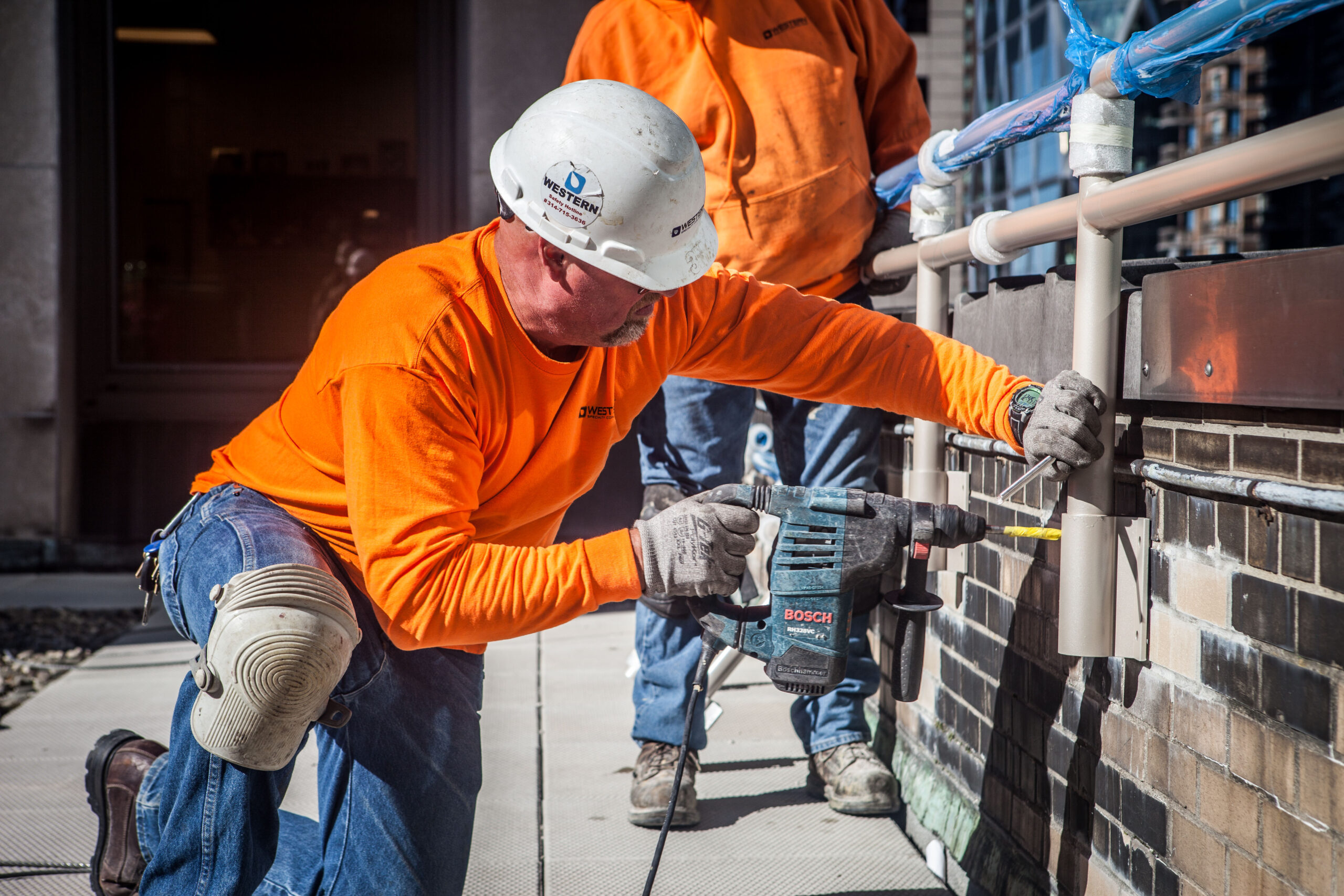
A specialty contractor is a pro who focuses on one specific trade or skill. Unlike a general contractor who oversees the whole project, these guys are the experts in their field. They might handle plumbing, electrical work, roofing, or even something more niche like pool installation or solar panel setup. It's all about having a deep knowledge of one area.
Why Does It Matter?
Well, if you're planning a project, knowing who to call can save you time and money. For example, let's say you need a new roof. You could hire a general contractor who will then subcontract the roofing work out to a specialist. But why not go straight to the source? A specialty contractor will likely be more efficient and offer better value. They're the masters of their craft and can often complete jobs faster and with fewer surprises.
Finding and Hiring a Specialist
When you're ready to hire, do your research. Get quotes from a few different companies and compare. Look for experience, references, and check their licensing and insurance. It's also a good idea to ask about their process and how they handle unexpected issues. Remember, the cheapest quote might not always be the best value. You want someone who understands your vision and can deliver high-quality work.
Company Names and Branding
If you're in the construction game and thinking of starting your own business, choosing a name is key. It should be memorable, unique, and reflect your specialty. Something like "Atlanta Electrical Experts" or "Helena's Roofing Masters" tells people exactly what you do. But don't forget to check name availability and secure your domain and local registration too.
Jobs and Industry Outlook
Specialty contractors often work for larger construction companies or are self-employed. The work can be varied and rewarding, and there's always demand for skilled tradespeople. If you're looking for a career change, consider training in a specialty trade. It's a stable industry with plenty of opportunities. You'll find jobs listed on construction-focused job boards and local classifieds.
Tools of the Trade
In the construction world, tools like RSMeans can be a big help. It's a cost database and estimating tool used by contractors and estimators to price projects accurately. It takes into account things like materials, labor, and escalation (changes in costs over time). Having access to reliable data like this can make a big difference when quoting for jobs.
Big vs. Small Firms
The construction industry has a mix of large and small firms. Big companies often have more resources and can take on larger projects, but smaller firms might offer more personalized service. It's a balance between scale and specialization. As a customer, it's worth considering what matters most to you and your project.
Final Thoughts
Understanding what is a specialty contractor can really help when planning a project. Knowing who to call and what to expect can make the process smoother. And if you're thinking of a career change, the construction industry offers a world of opportunities. So, whether you're a homeowner, a business owner, or considering a new path, specialty contractors are a key part of the picture.