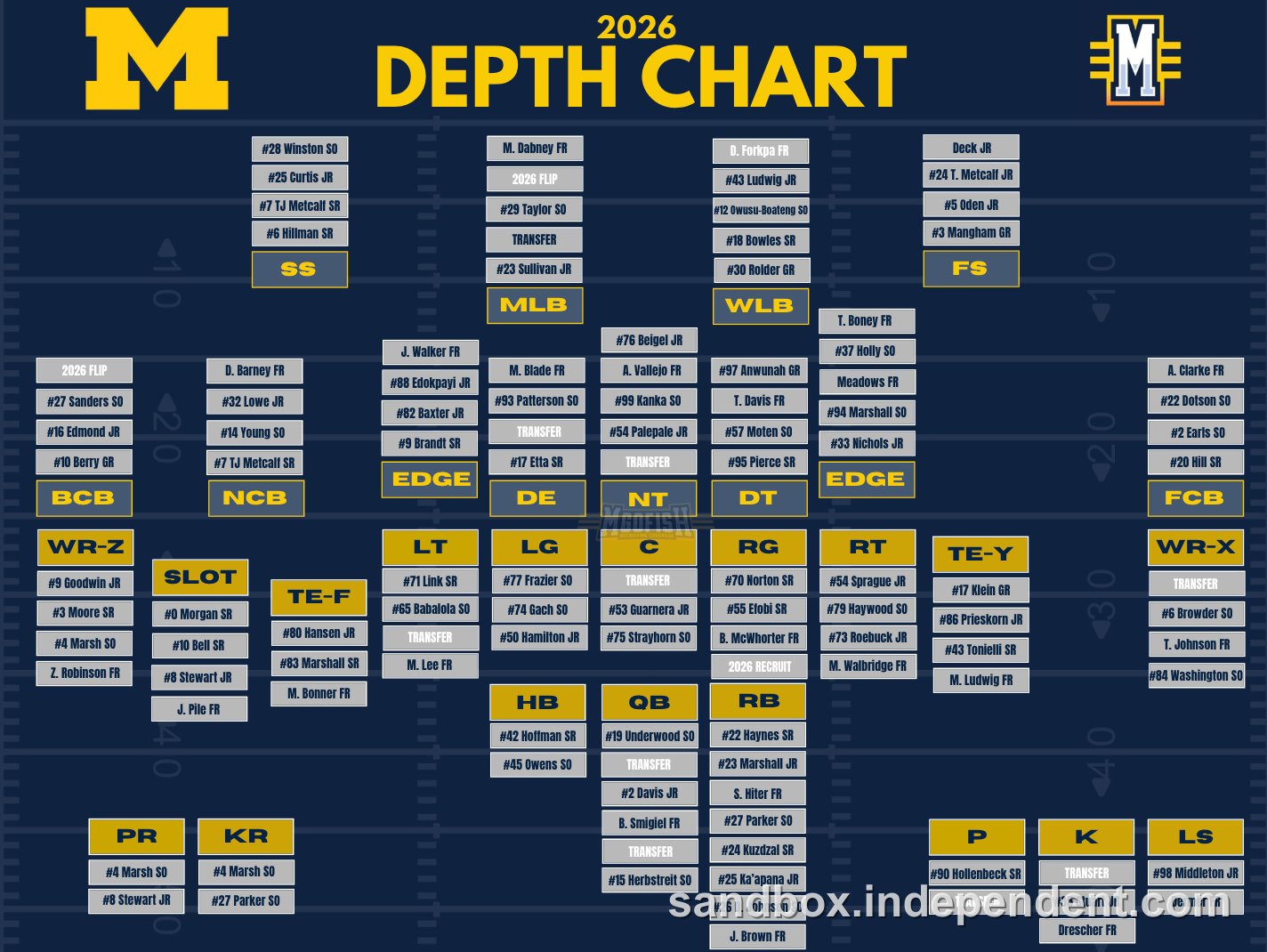


Bok Seating Chart 2026 Overview
I've been working with spreadsheets for a while now, and one of the most useful skills I've learned is how to create pivot charts. It's a game-changer for visualizing data and making sense of complex information. So, let's dive into the process and see how we can make our data pop with these dynamic charts!
Setting Up Your Data for Success
When it comes to creating pivot charts, the first step is ensuring your data is structured properly. Think of your spreadsheet as a house; the columns are the rooms, and the rows are the items within each room. So, before we start, let's tidy up our data: make sure your columns have clear, concise headers, and your rows are consistent and organized. This step is crucial because it lays the foundation for an accurate and effective pivot chart.
Now, let's talk about the tools Excel provides to make this process smoother. Excel has some fantastic built-in features to help with data manipulation and formatting. For instance, you can use the XLOOKUP formula to quickly find and retrieve specific data points, or the IF function to create conditional rules for your data. These formulas are your friends and can save you a lot of time and effort, especially when dealing with large datasets.
Building Your Pivot Chart
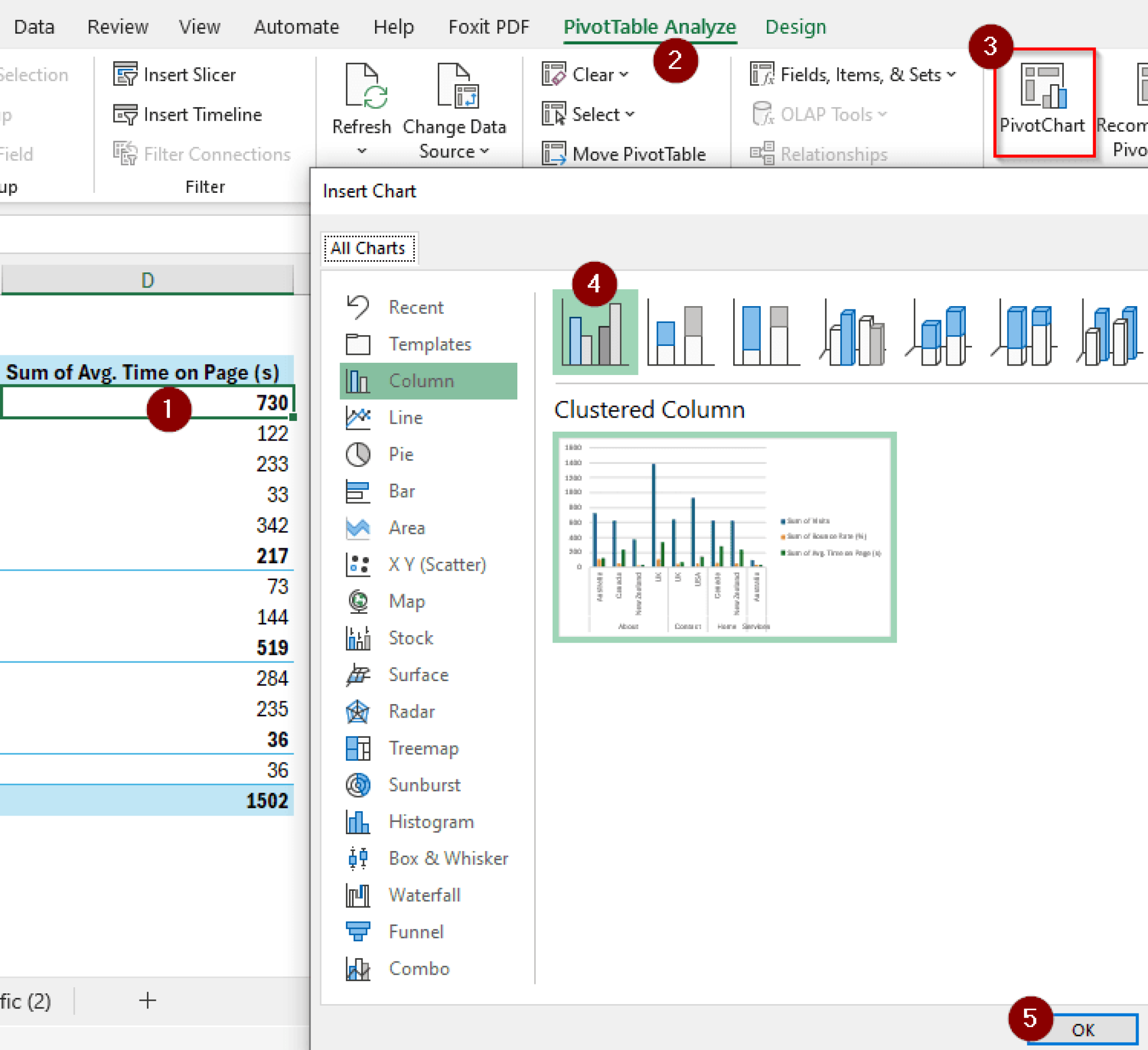
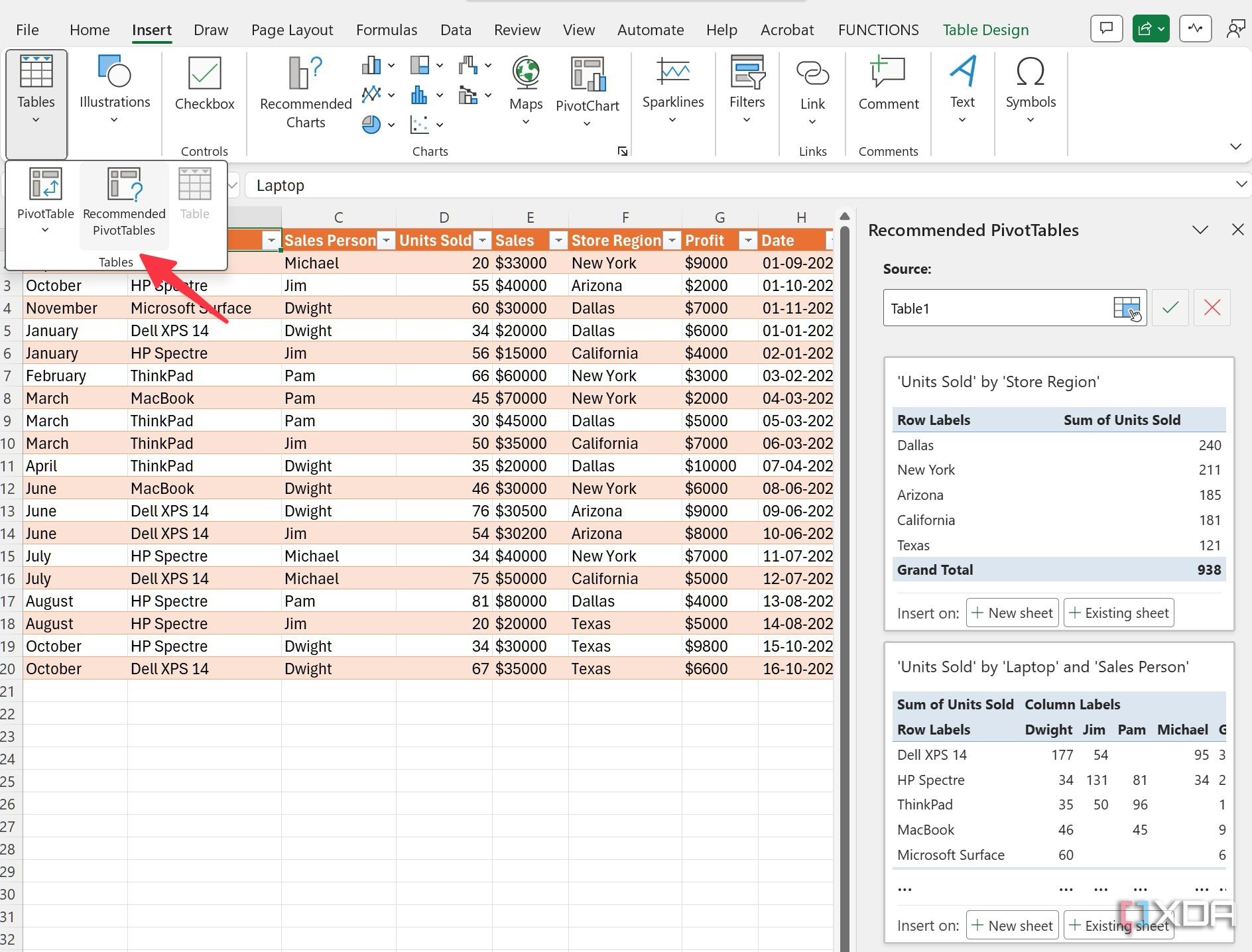
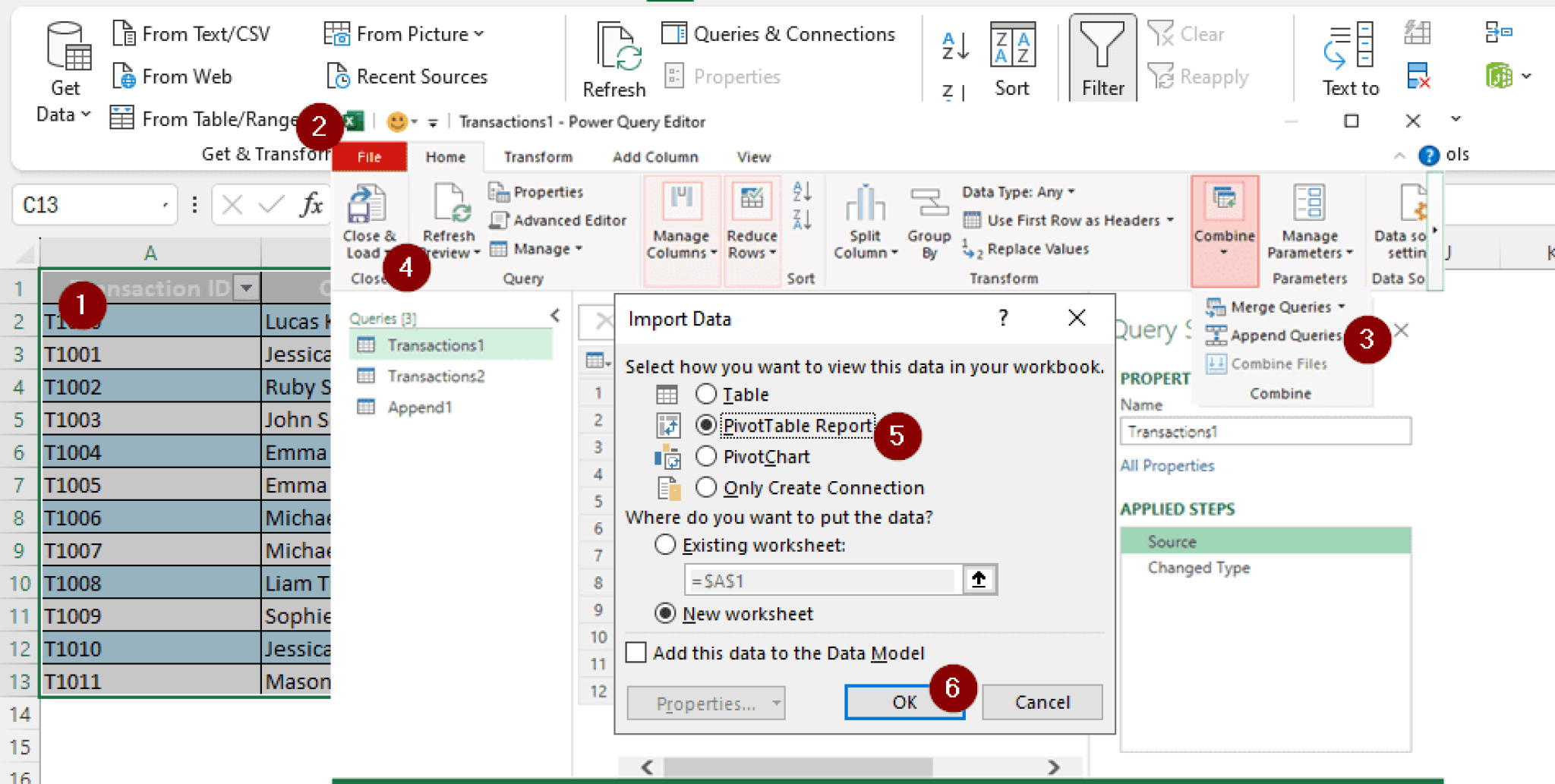
Once your data is shipshape, it's time to build your pivot chart. Excel makes this process pretty straightforward. Go to the Insert tab and select PivotChart. From here, you'll be prompted to choose the data range you want to include in your chart. Excel will then display a new window where you can customize your chart's layout.
This is where the magic happens! You can drag and drop fields to create rows, columns, and even filters for your chart. For example, if you have a dataset with sales data, you could drag the "Product" field to the Rows area, and the "Sales Amount" field to the Values area. This will create a chart that shows the sales performance of each product.
Customizing and Refining
Now that you have your basic pivot chart, it's time to add some polish. Excel offers a range of customization options to make your chart truly shine. You can change the chart type, add titles and labels, and even apply conditional formatting to highlight specific data points. For instance, you could use conditional formatting to highlight cells with sales above a certain threshold, making it easy to identify top-performing products at a glance.
Another useful feature is the ability to create drop-down lists in your pivot chart. This allows you to quickly filter your data by selecting different options from a drop-down menu. It's a great way to make your chart more interactive and user-friendly.
Final Thoughts
So, there you have it! Creating pivot charts in Excel is a powerful way to visualize and analyze your data. It might seem a bit daunting at first, but with a bit of practice and familiarity with Excel's tools, you'll be creating dynamic charts in no time.
Next time you open a spreadsheet, why not give it a go? You might just discover a whole new way to understand and present your data.
Related: Need an Alo Size Chart?
The alo size chart is a valuable tool for anyone seeking a reliable guide to sizing, especially for activewear enthusiasts. This comprehensive guide covers the essential aspects of understanding and utilizing the alo size chart effectively. It provides a clear and concise reference for navigating the world of clothing sizes, ensuring a perfect fit for your activewear needs.
Understanding the Alo Yoga Size Chart
The alo yoga size chart is a valuable tool for anyone looking to purchase alo yoga apparel, ensuring a perfect fit. This guide will help you navigate the chart, understand its categories, and make informed size choices.
Comparing Size Chart Standards
Size charts can vary depending on the brand and region. Alo yoga size charts typically follow US standard sizing, but it's essential to check the specific chart for any variations. These charts provide a range of sizes, often in small, medium, and large categories, with corresponding numerical values for bust, waist, hip, and inseam measurements.
Step-by-Step Guide to Using the Alo Size Chart
Here's a simple process to ensure you choose the right size:
Measure yourself accurately. Use a flexible tape measure to record your bust, waist, hip, and inseam dimensions. Ensure the tape is parallel to the floor and not too tight.
Refer to the alo yoga size chart. Find your closest match for each measurement. For instance, if your bust measurement is 34 inches, look for the size that corresponds to this value on the chart.
Consider the garment's intended use. If you're buying alo yoga pants, you might want a snug fit for better movement. In this case, choose the size that aligns with your smallest measurement.
Check the size guide notes. Some charts provide additional information, such as whether a garment runs small or large. This can help you make a more precise choice.
Convert if necessary. If you're more familiar with metric measurements, use a conversion tool to ensure accuracy.
Avoiding Common Misreadings
It's easy to misinterpret size charts, especially if you're not used to them. Here are some tips to avoid mistakes:
Don't assume all brands use the same sizing. Always refer to the specific brand's chart.
Be aware of the size categories. Some charts use letters (S, M, L), while others use numbers (e.g., 4, 6, 8). Ensure you're reading the right column or row.
Consider the garment's style. Fitted styles might require more precise measurements, while loose-fit garments offer more flexibility.
Factors Affecting Size Accuracy
Several factors can influence the accuracy of your size choice:
Body composition: Muscle mass and body fat distribution can affect your measurements.
Garment design: Different alo yoga styles might have varying fits, so always check the product description.
Personal preference: Some might prefer a looser fit, while others go for a more tailored look.
Material stretch: The fabric's stretchability can impact the final fit.
Manufacturing variations: Even within the same size, there can be slight differences between garments.
Remember, the alo size chart is a guide, and individual variations are normal. It's always a good idea to refer to the brand's return policy if you're unsure.
Remember, while this chart is a fantastic tool, it's always wise to double-check your specific needs and requirements. Exact values can vary, so a quick verification ensures you get the perfect fit.
Consider bookmarking this page for future reference. It's a handy guide to have on hand, and you'll be glad you did when you need it again!
Related: Flute Notes Chart: A Simple Guide
You're here, perhaps with your flute in hand, seeking a simple, reliable guide to navigate the world of flute notes. A flute notes chart is your trusted companion, offering a clear and concise visual representation of the notes you can produce. This chart, a valuable tool for musicians, presents the standard flute note range and beyond, with details that can vary depending on your instrument and playing style. It's a quick reference, ensuring you stay on track and play with precision.
The Flute Notes Chart: A Visual Guide
The flute notes chart is a valuable tool for flute players, offering a visual representation of the notes produced by the instrument. It provides a quick reference for understanding the relationship between finger positions and the corresponding musical notes. This chart is an essential guide for beginners and experienced flutists alike.
Key Details and Prerequisites
Before delving into the chart, it's important to understand some basic concepts. The flute notes chart typically displays the standard flute note range, which covers the notes from the lowest to the highest pitch achievable on a flute. It uses a combination of finger positions, or flute fingering, to represent different notes. The chart often includes common flute scales and note names, providing a comprehensive overview.
Understanding and Reading the Chart: A Step-by-Step Guide
The flute notes chart usually features a grid-like structure, with finger positions represented horizontally and note names or pitches vertically. Each intersection represents a specific note.
Locate the starting point, which is often marked as "C" or "Do." This is the reference point for all other notes. From there, you can identify the finger positions required to play each note.
Pay attention to the alternate fingerings indicated on the chart. These are alternative ways to produce the same note, offering options for players to adjust their technique or achieve a desired sound.
Practice reading the chart by identifying a specific note and finding its corresponding finger position. Then, try playing that note on your flute to reinforce the connection between the visual representation and the actual sound.
As you become more familiar with the chart, you can use it to explore different scales and musical phrases. The chart serves as a roadmap, guiding you through the finger positions needed to play various melodies.
Variations and Differences: Factors to Consider
While the flute notes chart provides a standardized reference, variations can occur due to several factors:
Standard flute note range can differ slightly between different flute models or types. Always check the specific range for your flute.
The chart may not account for all possible fingerings or techniques. Some advanced players might discover unique fingerings not commonly used.
Pitch chart accuracy can be influenced by factors like flute quality, player technique, and environmental conditions.
Different regions or manufacturers might use slightly different standards for note frequencies or labels.
The chart is a guide, but practical exercises and experience are essential for mastering the flute.
Remember, the flute notes chart is a valuable tool, but it's important to verify specific details and tolerances for your flute and playing style. With practice and familiarity, it becomes an indispensable reference for your musical journey.
Flute notes are a fascinating subject, and this chart is a great tool to have in your musical arsenal. Remember, while the fundamentals remain consistent, the exact details can vary slightly depending on the standard or context. So, if you're keen to explore more, our site offers a range of guides and resources to satisfy your curiosity. Dive into the world of music theory and discover the endless possibilities!