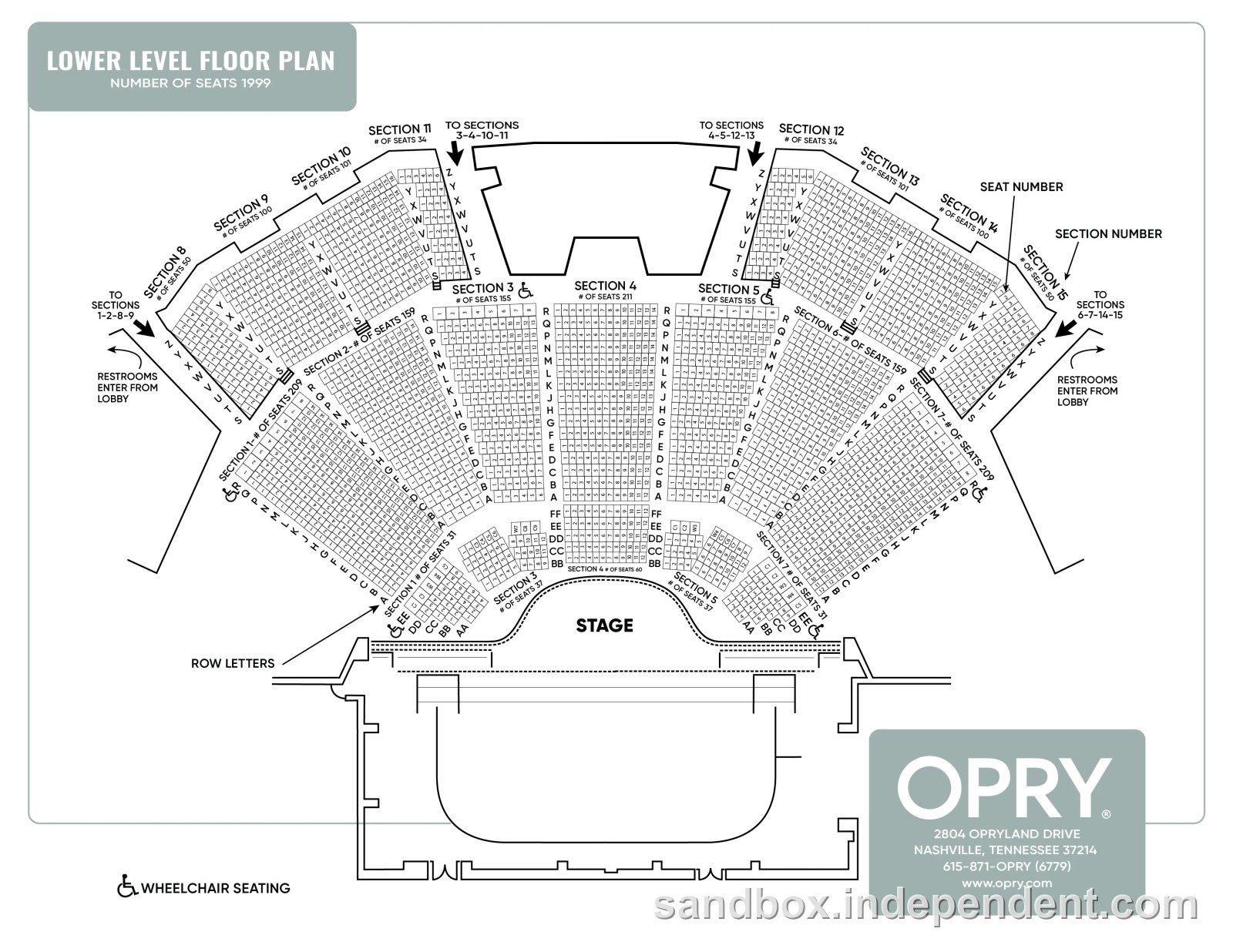





Bok Seating Chart Editable Overview
You're likely here because you need a reliable, at-a-glance reference for the Malibu tide chart, and you're right to seek it out. This chart is an essential tool for anyone planning activities along the Pacific coast, offering a quick glimpse into the tide times, heights, and ranges for Malibu. With this information, you can ensure your plans align with the current water levels, making your day on the coast a smooth and enjoyable one.
Malibu Tide Chart: A Practical Guide
The Malibu tide chart is a valuable tool for anyone planning coastal activities, offering a visual representation of the tide's behavior over time. This guide will help you understand and utilize this chart effectively.
Key Details and Units
The chart typically displays tide data for a specific location, in this case, Malibu. It shows the predicted tide heights and times for each day, often covering a monthly period. The units used are feet (ft) for tide height and a 24-hour clock for time. You'll find the date, tide height, and time clearly labeled on the chart.
Reading and Applying the Chart: Step-by-Step
To read the Malibu tide chart, follow these steps:
- Identify the date you're interested in by locating it on the chart's timeline.
- Find the corresponding tide height for that date. The height is usually represented by a line or a color-coded area.
- Note the time indicated for the tide height. This is the approximate time when the tide will reach that specific height.
- Repeat this process for multiple dates to plan your activities accordingly.
Understanding Common Fluctuations
Tide charts are based on scientific models and historical data, but variations can occur due to several factors:
- Weather conditions, especially strong winds and storms, can influence tide levels.
- Moon phases and their gravitational pull have a significant impact on tides.
- Local geography, such as the shape of the coastline and the depth of the sea floor, can cause deviations from the predicted tide.
Avoiding Common Mistakes
To ensure accurate interpretation:
- Always double-check the units of measurement. Different charts may use various units, so ensure you're familiar with the specific chart's conventions.
- Be mindful of the time format. Some charts use a 12-hour clock with AM/PM, while others use a 24-hour format.
- Remember that tide charts are predictions and can have a margin of error. Consider this when planning critical activities.
Practical Applications and Best Practices
The Malibu tide chart is an essential tool for various activities:
- Surfing: Plan your surfing sessions by identifying the best tide heights for optimal wave conditions.
- Fishing: Target specific tide heights known to attract fish.
- Boating: Ensure safe navigation by avoiding low tide areas where water levels may be shallow.
- Beach Activities: Choose the right time for beachcombing or walking on the shore, considering tide heights.
Safety Considerations and Edge Cases
While the Malibu tide chart is a reliable guide, it's essential to be aware of exceptions:
- Extreme weather events can cause significant deviations from predicted tides. Stay updated with local weather forecasts.
- For critical activities, always cross-reference the chart with real-time tide data, especially during periods of high uncertainty.
- Some locations may have unique tidal patterns due to their geography. Research local tide behaviors if you're unfamiliar with the area.
Remember, while this guide provides a solid foundation, it's always wise to cross-reference and ensure you're using the most up-to-date information for your specific needs. The world of tide charts can be a fascinating one, and there's always more to explore.
Feel free to check out our other guides and resources for a deeper dive into various topics. We've got you covered with practical, no-nonsense information to make your adventures smoother and more enjoyable. Happy exploring!
Related: How to Read the "ir verb chart" Easily?
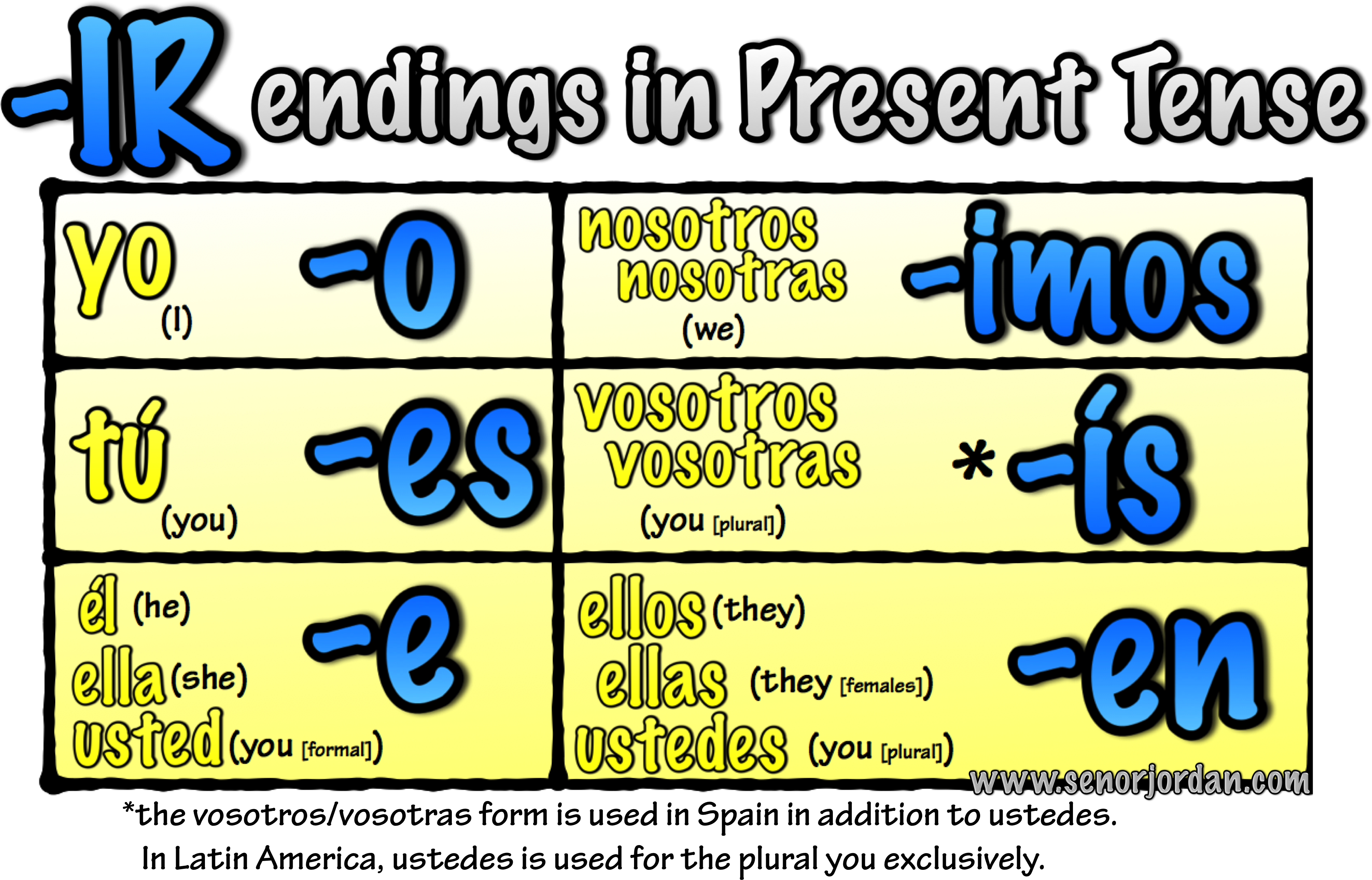
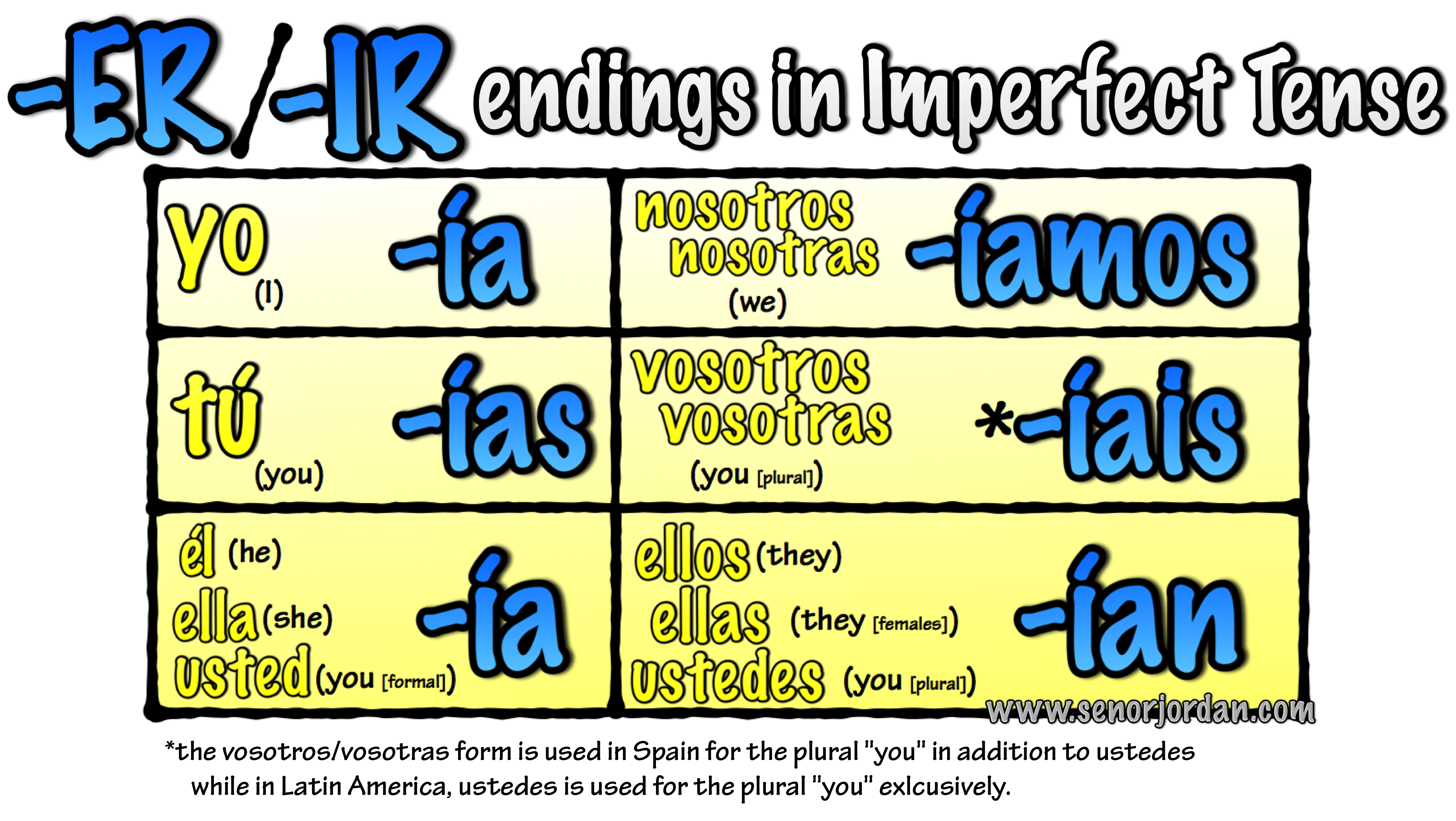
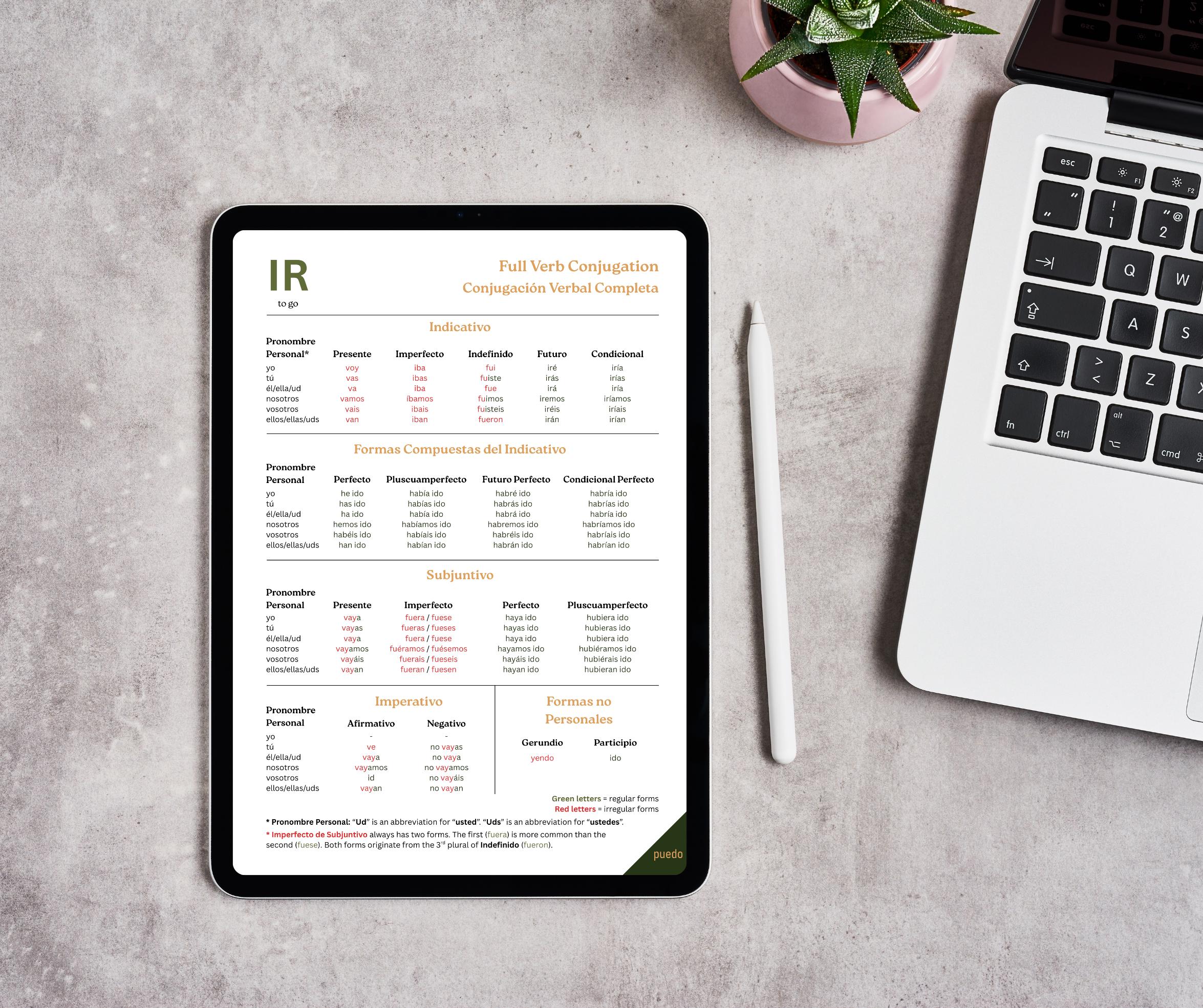
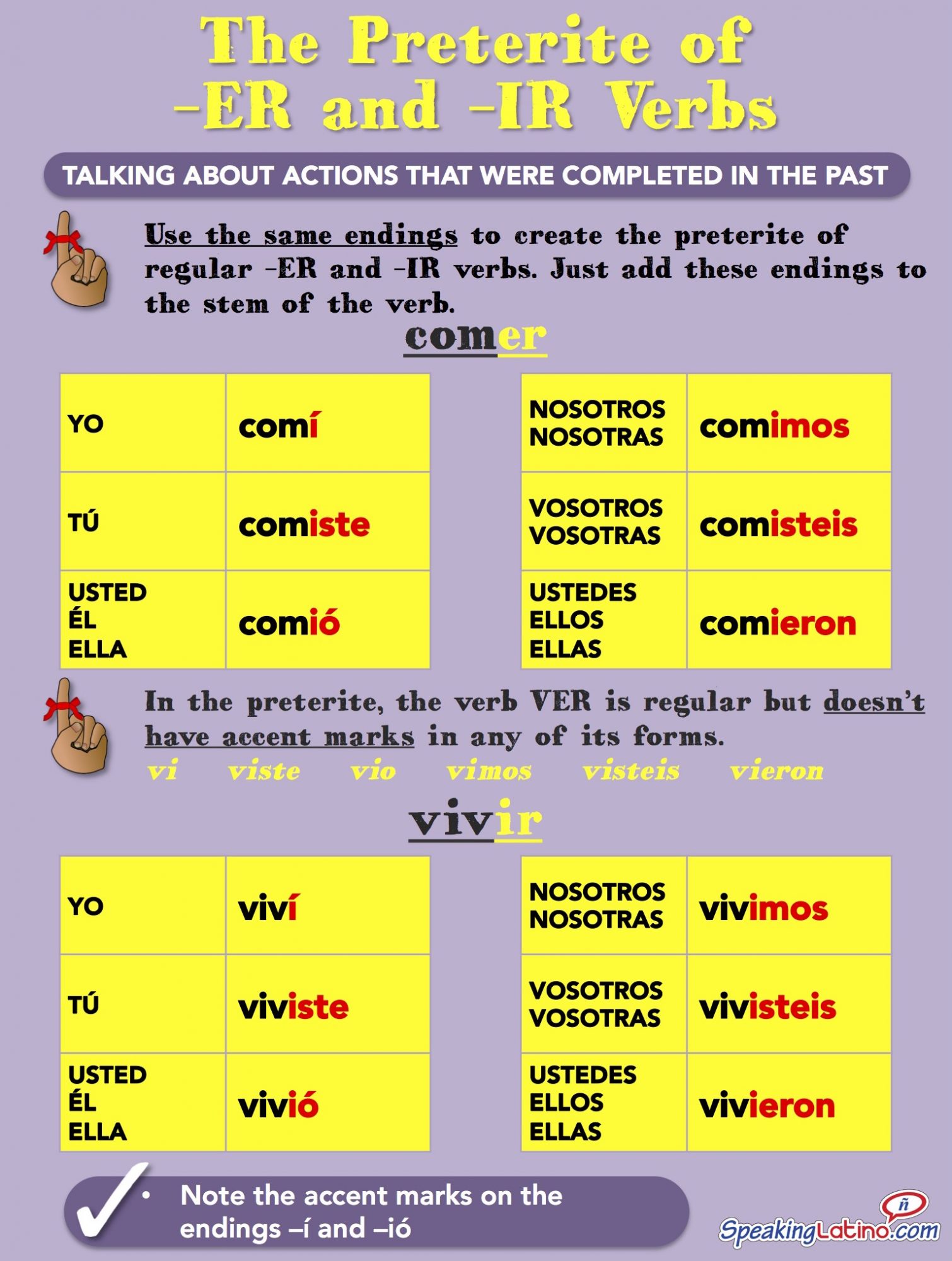
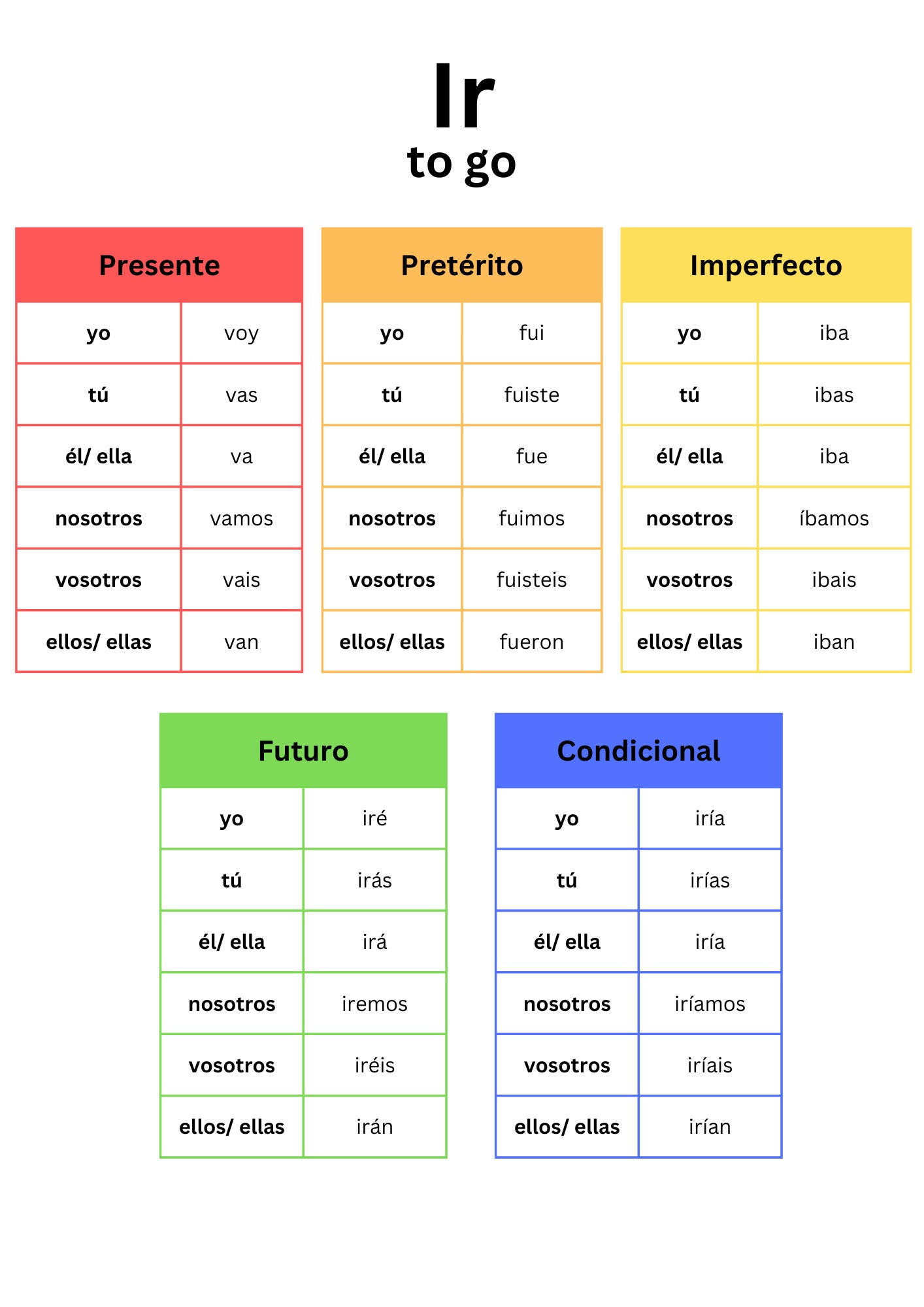
You've landed on this page, perhaps with a specific task in mind or a quick reference need. The ir verb chart is a handy tool, a concise visual guide, that can save you time and effort when navigating Spanish verb conjugations. It offers a structured overview, allowing you to find and understand verb forms efficiently, covering present, past, and future tenses. While the chart's layout and details may vary, its purpose remains consistent: to provide a reliable reference for regular verbs in Spanish.
Understanding the Ir Verb Chart: A Quick Overview
The ir verb chart is an invaluable tool for Spanish language learners, offering a comprehensive visual guide to the conjugation of regular verbs ending in 'ir'. It serves as a reference, providing a clear layout of verb forms across different tenses and persons. This chart is an essential resource for mastering Spanish grammar and ensuring accurate verb usage in various contexts.
Comparing Conjugation Patterns: Regular Verbs vs. Irregulars
While the ir verb chart focuses on regular verbs, it's important to note the existence of irregular verbs, which do not follow standard conjugation patterns. These verbs require separate memorization and are not represented on the chart. Regular verbs, on the other hand, adhere to consistent rules, making the ir verb chart a reliable guide for most verb forms.
Step-by-Step Guide: Using the Ir Verb Chart
To utilize the ir verb chart effectively, follow these steps:
- Identify the verb tense you wish to conjugate. The chart typically covers present, past, and future tenses, each with its section.
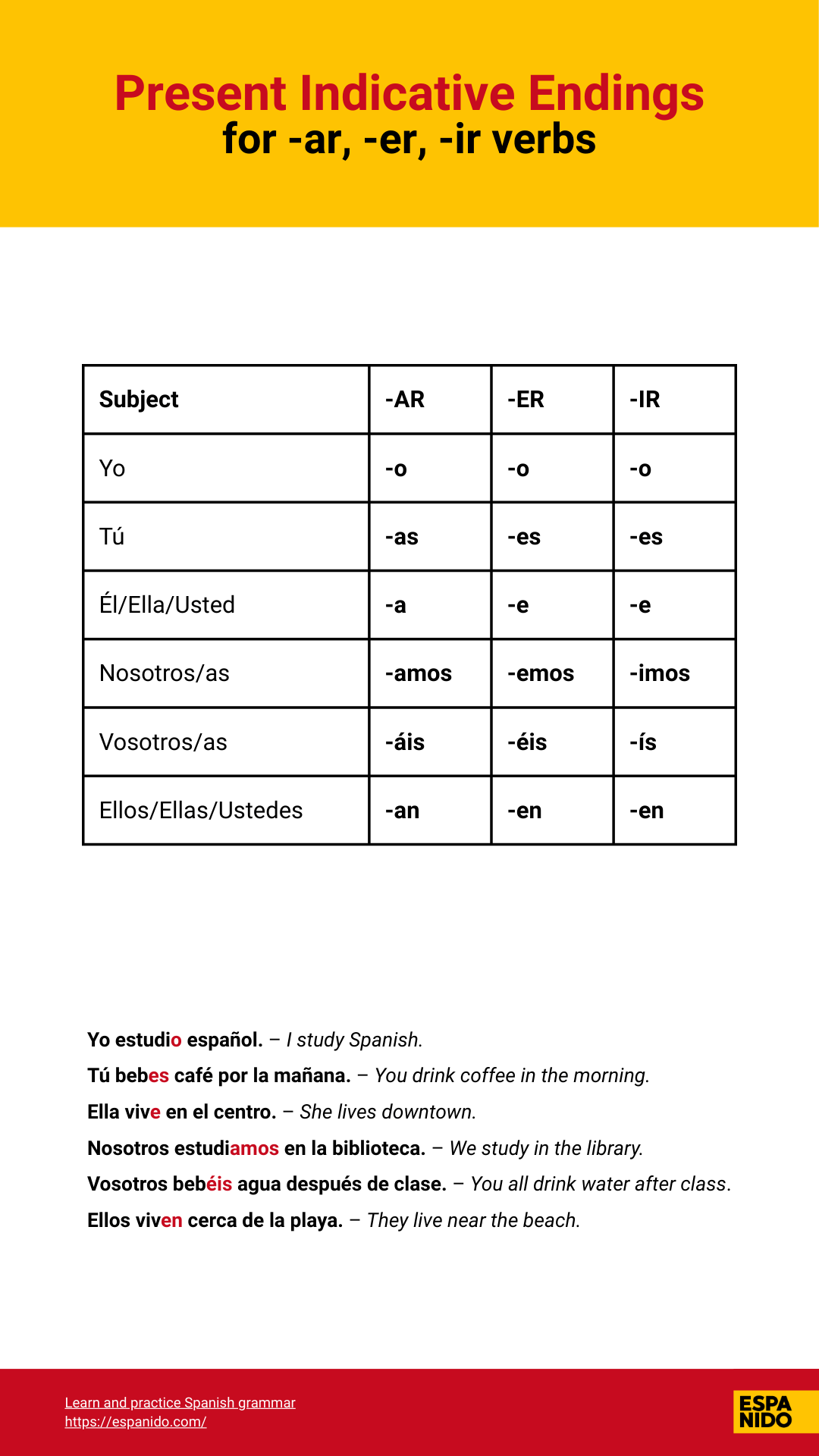
- Locate the verb ending you need to conjugate. For instance, if you want to conjugate 'mirar' (to look), find the 'ar' ending section.
- Within the chosen section, find the specific person (e.g., yo, tú, él/ella, nosotros/as) you wish to conjugate for.
- Read across to the appropriate tense column to find the conjugated form. For example, 'yo miro' (I look) in the present tense.
- Repeat this process for other tenses and persons as needed.
Avoiding Common Pitfalls: Misreading and Mistakes
One common mistake is misreading the chart, especially when unfamiliar with Spanish verb endings. Ensure you understand the verb ending and its corresponding section. Another pitfall is assuming all verbs follow the regular pattern. Always double-check for irregular verbs, especially common ones like 'ser' (to be) or 'ir' (to go).
Factors Affecting Accuracy: Regional Variations and Tenses
The accuracy of the ir verb chart can be influenced by regional variations in Spanish. While the chart provides a standard guide, some verbs may have slight differences in certain Spanish-speaking countries. Additionally, the chart primarily covers regular verbs, so it's essential to be aware of irregular verbs and their unique conjugations.
Choosing the Right Format: Adapting to Your Needs
There are various formats of the ir verb chart available, catering to different learning styles and preferences. Some charts are more detailed, covering all tenses and persons, while others focus on specific tenses or provide a simplified layout. Choose the format that best suits your learning goals and level of Spanish proficiency.
Maintaining Reliability: Keeping Your Reference Up-to-Date
To ensure the reliability of your ir verb chart, it's crucial to regularly update your reference materials. Spanish language resources, including verb charts, may evolve and improve over time. Stay informed about any updates or new editions of the chart to access the most accurate and comprehensive guide for your Spanish conjugation needs.
Well, that's a wrap on our exploration of the IR verb chart and its practical applications. We've covered a lot of ground, from understanding the chart's purpose to mastering its use and avoiding common pitfalls. Remember, the key to success lies in adapting the chart to your specific needs and keeping your reference materials up-to-date.
Before you go, it's worth emphasizing the importance of considering your unique context. Exact values and formats may vary, so double-check the standards and sources relevant to your situation. With that in mind, I hope this guide proves invaluable the next time you need a quick reference. Feel free to bookmark this page for future use!
Related: How to Read a Hair Length Chart?
You're likely here because you're seeking a simple, straightforward answer about hair length. Perhaps you're curious about the different categories and measurements used to describe hair length, or maybe you're looking for a quick reference guide to understand your own hair's growth progress.
The hair length chart is a valuable tool, offering a visual representation of various hair lengths, often categorized into standard ranges. These charts can provide a clear indication of your hair's current length and its potential for growth, and they may also offer insights into the time frames associated with different growth stages. While the specific values and formats can vary, the concept remains a practical and accessible way to measure and monitor hair length.
Hair Length Chart: A Comprehensive Guide
The hair length chart is a valuable tool for anyone interested in understanding and measuring hair growth and styles. It provides a standardized reference, allowing you to categorize and compare hair lengths accurately. This guide will help you navigate the chart, understand its categories, and use it effectively.
Key Details and Categories
The hair length chart typically uses inches or centimeters as its primary unit of measurement. It categorizes hair lengths into distinct ranges, often with descriptive names or codes. Common categories include:
- Short Hair: Usually up to 4 inches (or 10 cm) in length.
- Medium Hair: Ranges from 4 to 12 inches (10 to 30 cm).
- Long Hair: Hair exceeding 12 inches (30 cm) in length.
These categories are further divided into sub-ranges to provide more specific measurements. For instance, medium hair might be divided into medium-short (4-6 inches) and medium-long (6-12 inches) sections.
Reading the Chart: A Step-by-Step Guide
Identify the unit of measurement used on the chart. This is crucial, as it ensures accurate interpretation. Common units are inches (in) or centimeters (cm).
Locate the category that best describes your hair length. If your hair falls between two categories, consider the average or consult a professional for a precise measurement.
Within each category, you'll often find sub-ranges or specific measurements. These provide more detail and can be useful for precise styling or growth tracking.
Some charts may also include visual representations or diagrams, offering a quick reference for length comparison.
Common Length Variations and Their Causes
Hair length can vary due to several factors, leading to differences in measurements and categories. These variations are influenced by:
- Natural Hair Growth: Hair grows at different rates for each individual, and growth rates can vary over time.
- Styling and Cutting: Regular trims and styling choices can significantly impact perceived hair length.
- Regional Standards: Hair length standards may differ across regions, especially when comparing imperial (US) and metric (international) systems.
It's important to consider these factors when using a hair length chart, especially when comparing your hair to others or following styling guides.
Avoiding Common Mistakes
To ensure accurate use of the hair length chart, avoid these common pitfalls:
Relying solely on visual estimates: While visual comparisons can be helpful, they may not always provide precise measurements. Always refer to the chart for accurate categorization.
Ignoring personal growth rates: Everyone's hair grows at a unique pace. Regularly measuring and tracking your hair's growth will provide more accurate results over time.
Assuming universal standards: Hair length standards can vary, especially across regions. Always double-check the specific standard being used on the chart.
Forgetting to consider styling: The way you style your hair can impact its perceived length. Take this into account when categorizing your hair length.
By understanding these potential variations and following the step-by-step guide, you can accurately utilize the hair length chart for practical styling tips and growth tracking.
Remember, while this chart provides a handy reference, exact details can vary, so always double-check if you're working with specific standards or unique contexts.
Feel free to bookmark this page for future use, and if you're curious about other practical guides, you might find our other articles just as helpful!