






Bond Angle Chart Easy Overview
The Azazie size chart is a handy tool for anyone navigating the world of online clothing purchases, especially when it comes to formalwear. This guide aims to demystify the process, ensuring you understand how to use this chart effectively. Whether you're shopping for an Azazie dress or any other formal attire, having a clear grasp of size charts is essential. While size charts can vary slightly depending on the brand and region, the Azazie size chart is a reliable reference, offering a standardized approach to finding your perfect fit.
Understanding the Azazie Size Chart: A Quick Overview
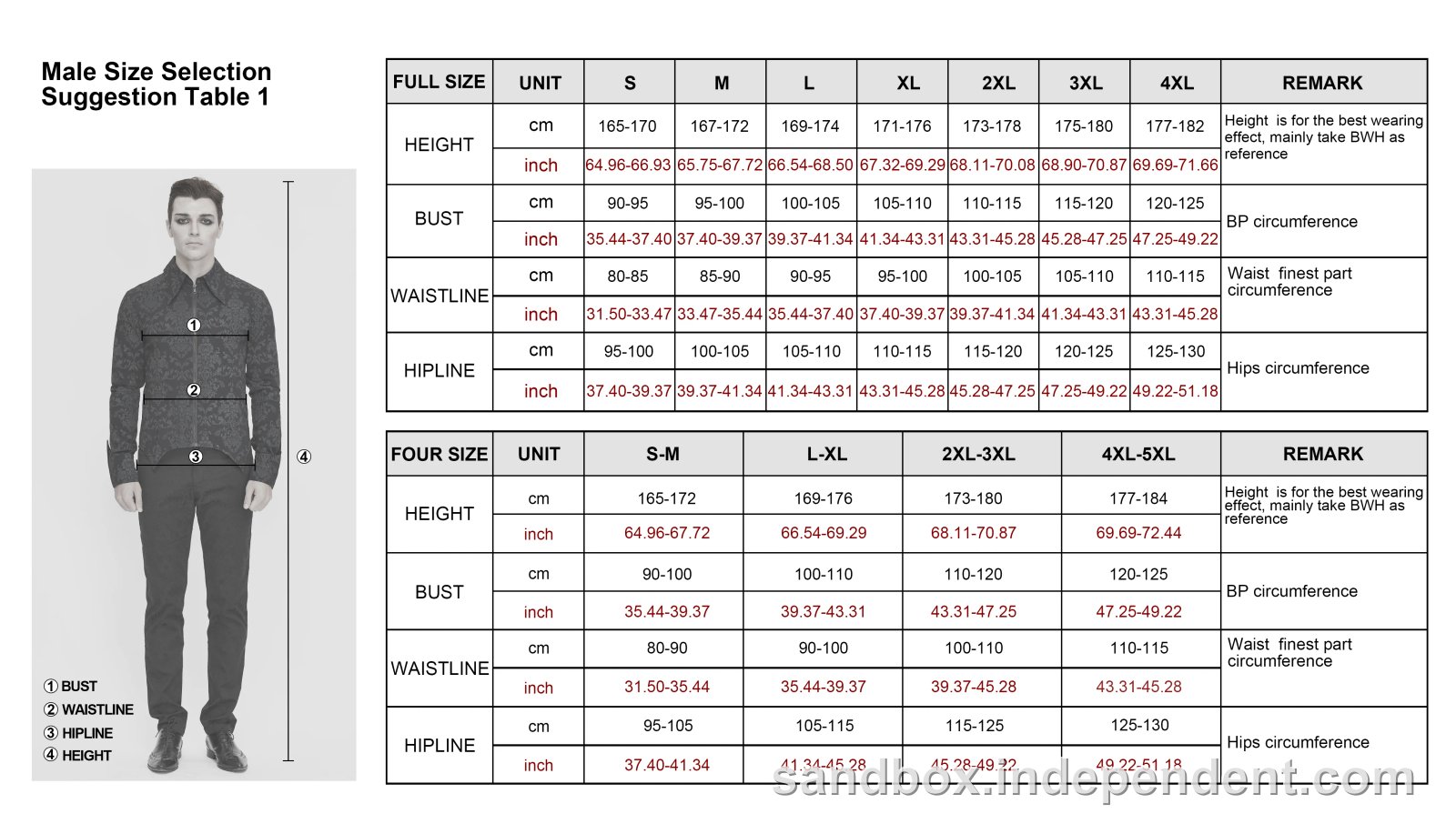
The Azazie size chart is a valuable tool for anyone looking to order clothing, particularly dresses, from the Azazie brand. This chart provides a standardized guide to help you find your perfect fit, ensuring a comfortable and flattering silhouette. It is designed to simplify the sizing process and make online shopping a breeze.
Comparing Size Chart Standards and Formats
Size charts can vary depending on the brand and region. Azazie, being a popular bridal and formal wear brand, follows a specific sizing system. Their chart typically includes measurements for bust, waist, and hips, as well as dress length and sleeve options. It is essential to note that Azazie's size chart is based on standard US sizing, so if you are used to international sizing, you may need to refer to a size conversion chart to find your equivalent Azazie size.
Step-by-Step Guide to Using the Azazie Size Chart
Measuring yourself accurately is crucial when using any size chart. Here's a simple process to follow:
- Gather a flexible measuring tape and ensure it is calibrated to inches or centimeters, depending on the chart's units.
- Take your measurements: bust, waist, and hips. Stand upright and breathe normally while measuring.
- Compare your measurements to the Azazie size chart. Look for the size that aligns closest to your bust, waist, and hip measurements.
- Consider the dress style and any specific fit preferences you have. Azazie offers various silhouettes, so choose the size that best suits the style you desire.
- If your measurements fall between sizes, it's recommended to size up for a more comfortable fit, especially for formal wear.
- Take note of any additional measurements, such as dress length or sleeve length, and ensure they match your preferences.
Avoiding Common Misreadings and Pitfalls
It is easy to misinterpret size charts, especially if you are new to online shopping. Here are some tips to avoid common mistakes:
- Always double-check the units of measurement. Azazie's size chart may use inches, so ensure your tape measure is set to the correct unit.
- Be precise with your measurements. Take your time and measure multiple times to ensure accuracy.
- Understand that size charts provide a general guide. Your body shape and preferences may require some adjustments.
- If you are between sizes, opt for the larger size to avoid discomfort. You can always have alterations made to achieve the perfect fit.
- Don't forget to consider the fabric and stretchability of the garment. Some materials offer more give, so account for this when choosing your size.
Factors Affecting Accuracy and Real-World Use
Several factors can influence the accuracy of your size chart reading:
- Body shape: The size chart is a general guide, and everyone's body is unique. Consider your body shape and any areas you want to emphasize or accommodate.
- Fit preference: Do you prefer a snug fit or a more relaxed look? Adjust your size choice accordingly.
- Fabric and style: Different fabrics and dress styles can affect the fit. For instance, a structured dress may require a more precise size choice compared to a flowy, flexible fabric.
- Alterations: Keep in mind that most formal wear can be altered to achieve a perfect fit. Don't be afraid to choose a size that aligns with your measurements and make any necessary adjustments.
Choosing the Right Size Chart Format for Your Needs
Azazie offers various size charts to cater to different needs:
- Standard size chart: This is the primary chart, covering a range of sizes and providing measurements for bust, waist, hips, and dress length.
- Plus size chart: A dedicated chart for extended sizes, ensuring a comfortable fit for all body types.
- Bridal size chart: A specialized chart for bridal wear, taking into account the unique fit requirements of wedding dresses.
- Women's size guide: A comprehensive guide offering additional tips and advice for finding the perfect fit.
Keeping Your Reference Reliable for Future Use
To ensure a consistent and reliable sizing experience:
- Save your measurements in a safe place. This way, you can quickly refer to them when ordering from Azazie again.
- Take note of any adjustments or alterations you made to your previous purchases. This information will be valuable for future orders.
- Stay updated with Azazie's sizing guidelines. Brands may update their charts over time, so it's beneficial to check for any changes before placing an order.
- If you are unsure, reach out to Azazie's customer support. They can provide further guidance and ensure you make an informed choice.
Well, there you have it! We've covered a lot of ground on Azazie's size chart, and I hope this guide has provided you with the clarity and confidence to navigate it effectively.
Remember, while this chart is a fantastic tool, every individual is unique, and your specific measurements and preferences may vary. So, take a moment to ensure you've considered all the factors that apply to your situation before making any decisions. Bookmark this page for future reference, and you'll always have a handy reminder of the key steps and considerations. Happy measuring, and until next time!
Related: Need a Tree Chart Maker? Find the Right Tool Here
Many individuals mistakenly believe that tree chart makers are solely for professionals or experts, but this couldn't be further from the truth. These tools are incredibly versatile and accessible, offering a simple way to create visual representations for various purposes.
While the specifics may vary depending on the context, a good tree chart maker empowers users to organize and present information clearly, making it an essential tool for efficient communication and decision-making.
Tree Chart Maker: A Visual Overview
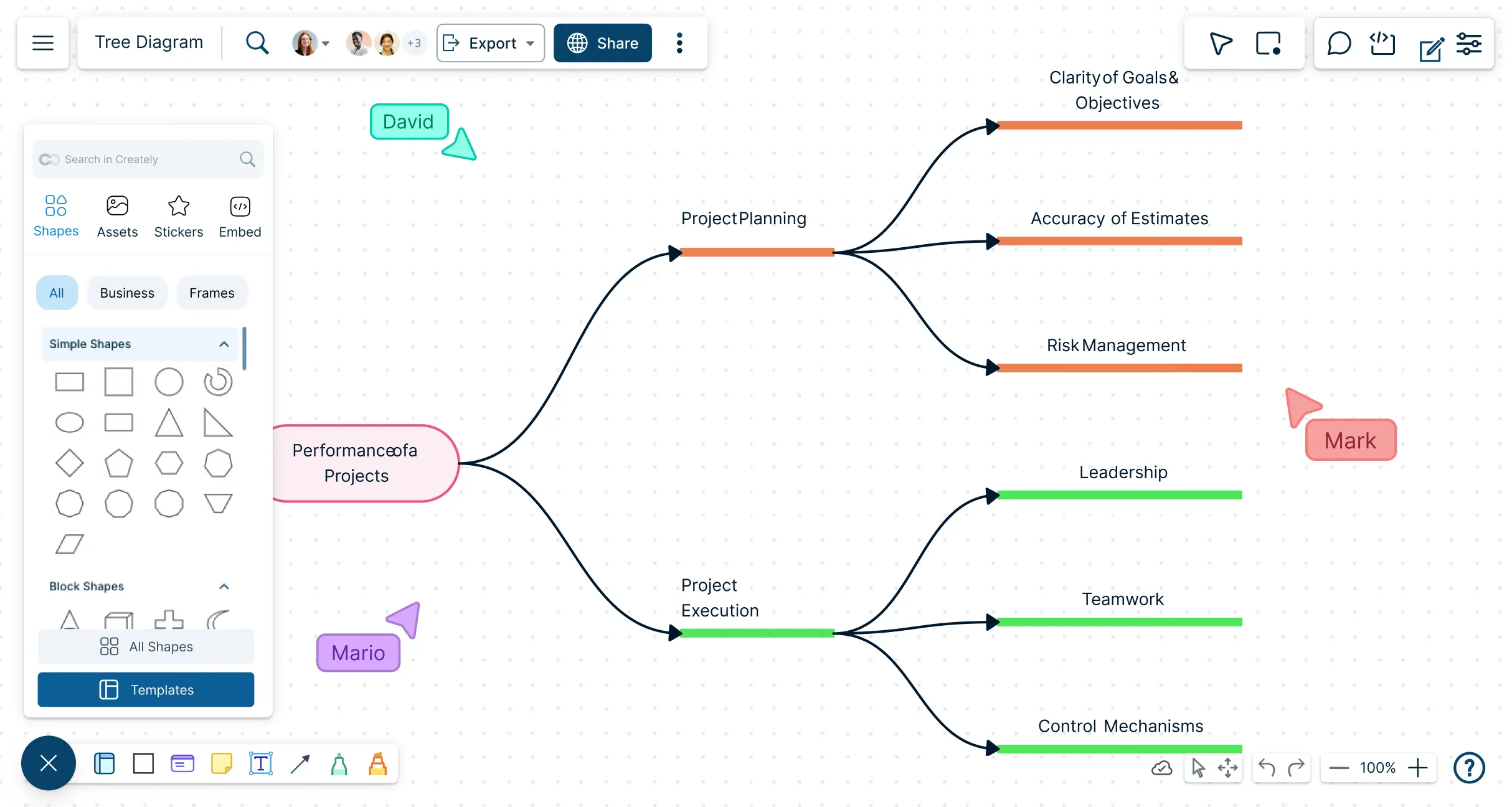
The tree chart maker is a powerful tool for creating visual representations of hierarchical data. It allows users to organize and display information in a clear, structured manner, often resembling a branching tree. This type of chart is particularly useful for illustrating relationships, classifications, or decision-making processes.
Comparing Chart Formats and Standards
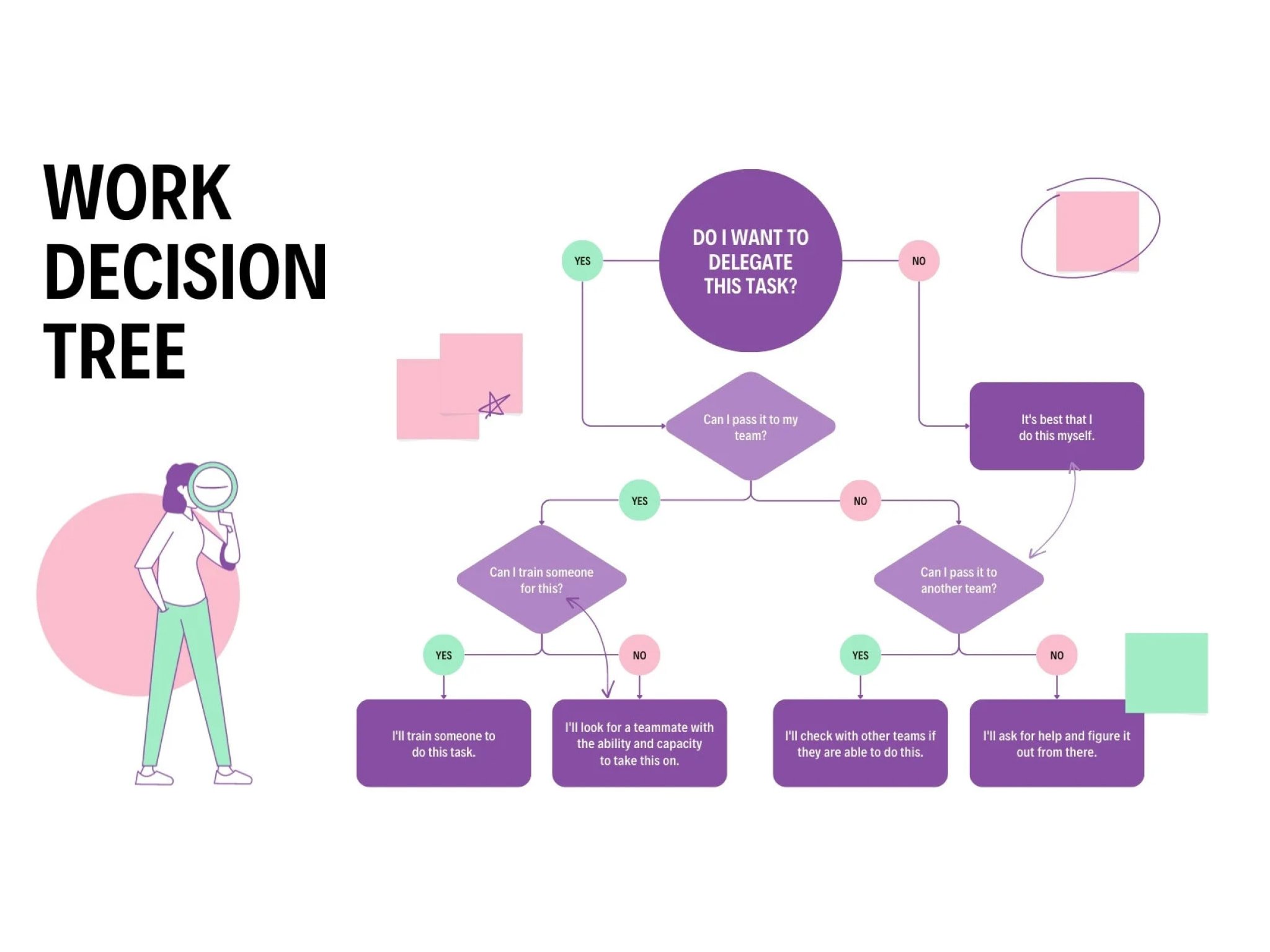
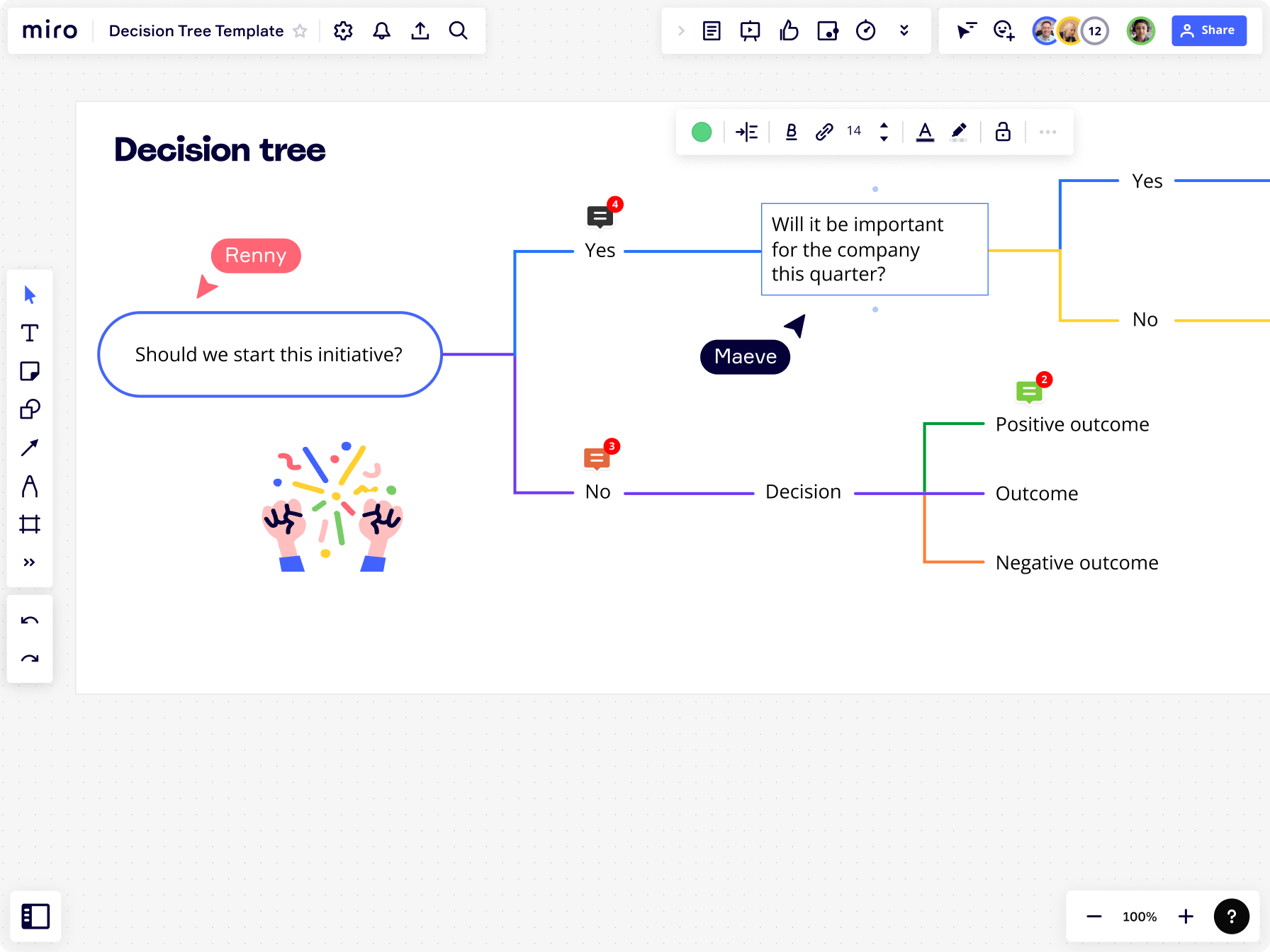
Tree charts come in various formats, each suited to different types of data and purposes. The most common formats include the dendrogram, which is ideal for biological or genetic data, and the hierarchical chart, which is versatile and can represent organizational structures or decision trees. Family tree software is another specialized form, designed to visualize genealogy. These charts may follow specific standards or conventions, such as the use of color-coding or symbol keys, to enhance clarity and consistency.
Step-by-Step Guide: Creating Tree Charts
To create an effective tree chart, follow these steps:
- Define your data: Identify the hierarchical relationships or classifications you want to represent.
- Choose your format: Select the most appropriate chart type based on your data and purpose.
- Organize your data: Arrange the information in a logical order, ensuring a clear hierarchy.
- Use a tree chart maker: Employ specialized software or tools to generate the visual representation.
- Customize and refine: Adjust the layout, colors, and labels to enhance clarity and meet your specific needs.
- Interpret the chart: Understand the relationships and patterns revealed by the tree structure.
Avoiding Misinterpretations and Pitfalls
Misreading tree charts can lead to incorrect conclusions. Ensure you understand the chart's symbols and labels. Be cautious with charts that use unconventional formats or symbols, as these may cause confusion. Always check the chart's key or legend to interpret the data accurately. If in doubt, refer to the original data source or consult an expert.
Factors Affecting Accuracy and Real-World Use
The accuracy of tree charts depends on several factors:
Data Quality: Inaccurate or incomplete data will lead to misleading charts.
Chart Complexity: Highly complex charts may be harder to interpret, especially for large datasets.
User Experience: The reader's familiarity with tree charts and their ability to interpret visual data can impact understanding.
Standardization: Adhering to recognized standards ensures consistency and clarity.
Data Variability: Some datasets may have unique characteristics or exceptions that require custom chart adaptations.
Customization Options and Choosing the Right Format
Tree chart maker tools offer a range of customization options to suit specific needs:
- Layout Adjustments: Modify the chart's layout to emphasize certain branches or relationships.
- Color Coding: Use colors to differentiate categories or highlight important nodes.
- Labeling: Add or edit labels to provide context and clarity.
- Symbol Selection: Choose symbols that best represent the data and its relationships.
When selecting a format, consider the nature of your data and the message you want to convey. For instance, a decision tree builder may be ideal for illustrating complex choices, while an organizational structure visualizer is perfect for displaying company hierarchies.
Tree charts are a versatile tool, and while we've covered the essentials, every situation is unique. The specific details may differ slightly, so it's always a good idea to refer back to this guide or explore other resources for a quick refresher.
Feel free to bookmark this page for future reference; it might just save you some time and effort the next time you need to create or interpret a tree chart. Happy charting!
Related: What is a screw sizes chart?
A screw sizes chart is a handy tool for anyone working with screws and fasteners. It's a simple yet effective way to ensure you're using the right screw for the job. This guide will show you how to navigate and utilize these charts, covering the basics and offering some practical tips.
You'll find these charts provide valuable information, from screw gauge measurements to thread pitch details. They can vary slightly depending on the standard or region, but the key is to understand the format and you'll be able to apply this knowledge to any project.
Understanding Screw Sizes Chart
The screw sizes chart is your practical guide to choosing the right screw for any project. It's a handy reference tool that simplifies the process of selecting screws based on their size and other key characteristics. This chart is a visual representation of screw dimensions, making it easy to identify and compare different screw types.
Key Details and Units
Before diving into the chart, let's understand the basics. Screw sizes are typically described using two main measurements: the diameter and the length. The diameter refers to the width of the screw's thread, while the length is the overall height of the screw from the head to the tip. These measurements are crucial for ensuring a proper fit and function.
Additionally, screws have different thread types, such as coarse or fine threads, which affect their strength and suitability for various materials. The chart will also indicate the thread pitch, which is the distance between threads.
Reading and Applying the Chart
Using the screw sizes chart is straightforward. First, identify the screw's intended use and the material it will be securing. Then, locate the relevant section on the chart that corresponds to your needs.
The chart typically organizes screws by diameter, with each row representing a specific diameter size. Within each row, you'll find columns indicating the length and other relevant details. Simply match the required diameter and length to find the perfect screw for your project.
For example, if you need a screw with a diameter of 6mm and a length of 25mm, locate the 6mm diameter row and scan across to find the 25mm length column. Here, you'll find the recommended screw size, along with any additional information, such as thread type and pitch.
Variations and Differences
It's important to note that screw sizes charts can vary depending on the standard being used. There are different measurement systems, like the metric system and imperial system, which use different units and ranges. Additionally, specific industries or applications may have their own unique standards and tolerances.
For instance, the metric system uses millimeters for screw sizes, while the imperial system uses inches. So, when referring to a screw sizes chart, ensure you are using the correct standard for your region or industry.
Common Mistakes and How to Avoid Them
One common mistake is assuming that all screw charts follow the same format and units. Always double-check the standard being used to avoid confusion and ensure accuracy.
Another pitfall is not considering the thread type and pitch. These factors are crucial for ensuring the screw's compatibility and performance. Always refer to the chart's key for an explanation of thread types and their meanings.
Lastly, remember that screw sizes can vary slightly between manufacturers. While the chart provides a general guide, it's always a good idea to verify the exact specifications with the manufacturer's documentation or consult with a professional for precise recommendations.
Well, there you have it! A handy guide to screw sizes and their charts. Remember, while these charts provide a solid foundation, exact values can differ slightly, so it's always good to double-check.
Don't stop here! Our site offers a range of practical guides to help you tackle various DIY and home improvement projects. Why not explore some more and discover new tips and tricks?