
Richard Powers is a highly acclaimed American novelist, known for his complex, introspective, and deeply humane works of fiction that often explore the intersections of science, technology, and art. With a career spanning over three decades, Powers has written numerous novels that have garnered widespread critical acclaim and won numerous awards. In this article, we will delve into the world of Richard Powers’ novels, exploring his award-winning works and the themes, motifs, and literary devices that have come to define his unique writing style.
Powers’ literary journey began with the publication of his debut novel, “Three Farmers on Their Way to a Dance,” in 1985. However, it was his third novel, “The Gold Bug Variations,” published in 1991, that brought him widespread recognition and critical acclaim. This novel, a sweeping narrative that explores the intersection of music, genetics, and artificial intelligence, showcased Powers’ unique ability to blend science, philosophy, and literature into a rich and compelling narrative.
One of Powers’ most famous novels is “The Time of Our Singing,” published in 2003. This novel tells the story of a family of musicians and their struggles with racism, identity, and the power of music to transcend borders and boundaries. The novel is a powerful exploration of the African-American experience, and it showcases Powers’ ability to craft compelling characters and narratives that are both deeply personal and universally relatable.
In 2006, Powers published “The Echo Maker,” a novel that explores the intersection of neuroscience, psychology, and the natural world. The novel tells the story of a man who suffers a brain injury and must relearn how to navigate the world, and it raises important questions about the nature of identity, consciousness, and the human condition. “The Echo Maker” won the National Book Award for Fiction in 2006, cementing Powers’ reputation as one of the most innovative and important novelists of his generation.
Powers’ subsequent novels have continued to explore the intersections of science, technology, and art, while also delving deeper into the human condition. “Generosity: An Enhancement,” published in 2009, explores the implications of genetic engineering and the commodification of the human body. “Orfeo,” published in 2014, is a novel about a composer who becomes embroiled in a bioterrorism plot, and it raises important questions about the power of art to shape our understanding of the world.
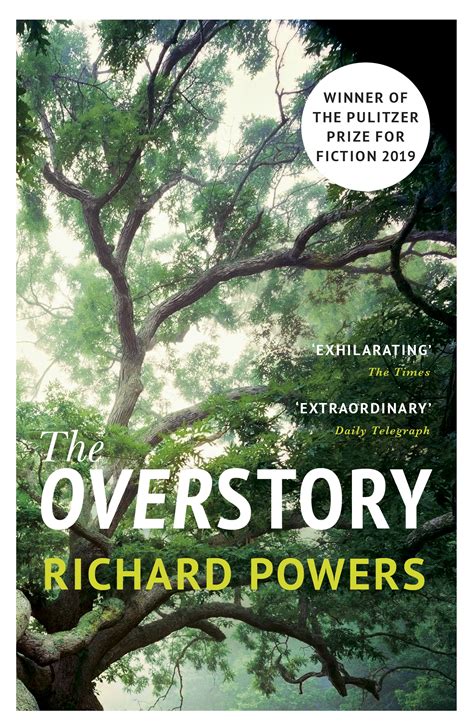
In 2018, Powers published “The Overstory,” a novel that explores the lives of nine individuals connected by their relationship to trees. The novel is a sweeping narrative that spans centuries, continents, and genres, and it raises important questions about the nature of humans’ relationship to the natural world. “The Overstory” won the Pulitzer Prize for Fiction in 2019, marking a major milestone in Powers’ career and cementing his reputation as one of the most important and innovative novelists of his generation.
Throughout his career, Powers has been recognized with numerous awards and honors for his contributions to literature. In addition to the National Book Award and the Pulitzer Prize, he has won the MacArthur Fellowship, the Lannan Literary Award, and the Dos Passos Prize, among others. His novels have been translated into numerous languages and have been widely praised for their intellectual depth, literary innovation, and emotional resonance.
Powers’ writing style is characterized by his unique blend of science, philosophy, and literature. He is a master of the prose sentence, and his writing is notable for its clarity, precision, and beauty. His novels often feature complex, introspective characters who are struggling to make sense of the world around them, and they raise important questions about the nature of identity, consciousness, and the human condition.
One of the key themes that runs throughout Powers’ work is the intersection of science and art. Many of his novels feature scientists, musicians, and artists as main characters, and they explore the ways in which these disciplines intersect and inform one another. Powers is deeply interested in the ways in which science and art can be used to understand and describe the world, and his novels often blur the boundaries between these disciplines in innovative and unexpected ways.
Another key theme in Powers’ work is the nature of identity and consciousness. Many of his novels feature characters who are struggling to understand themselves and their place in the world, and they raise important questions about the nature of self and how it is shaped by genetics, environment, and experience. Powers is deeply interested in the ways in which our understanding of the world is shaped by our perceptions, and his novels often explore the tensions between subjective experience and objective reality.
In addition to his novels, Powers has also written numerous essays and articles on topics ranging from science and technology to art and literature. He is a frequent contributor to publications such as The New Yorker and The New York Times, and his essays have been widely praised for their intellectual depth and literary elegance.
In conclusion, Richard Powers is a highly acclaimed American novelist known for his complex, introspective, and deeply humane works of fiction. His award-winning novels have explored the intersections of science, technology, and art, and have raised important questions about the nature of identity, consciousness, and the human condition. With his unique blend of science, philosophy, and literature, Powers has established himself as one of the most innovative and important novelists of his generation.
Richard Powers' novels are notable for their intellectual depth, literary innovation, and emotional resonance. His unique blend of science, philosophy, and literature has established him as one of the most important and innovative novelists of his generation.
What are some of Richard Powers' most famous novels?
+Some of Richard Powers' most famous novels include "The Time of Our Singing," "The Echo Maker," "Generosity: An Enhancement," "Orfeo," and "The Overstory."
What themes does Richard Powers explore in his novels?
+Richard Powers explores a range of themes in his novels, including the intersection of science and art, the nature of identity and consciousness, and the human condition.
What awards has Richard Powers won for his novels?
+Richard Powers has won numerous awards for his novels, including the National Book Award, the Pulitzer Prize, and the MacArthur Fellowship.
In the world of literature, Richard Powers is a unique voice, one that blends science, philosophy, and art in innovative and unexpected ways. His novels are a testament to the power of literature to explore the human condition, and to raise important questions about the world and our place in it. As we continue to navigate the complexities of the 21st century, Powers’ novels offer a profound and deeply human perspective on the world, and remind us of the importance of empathy, compassion, and understanding in our lives.

