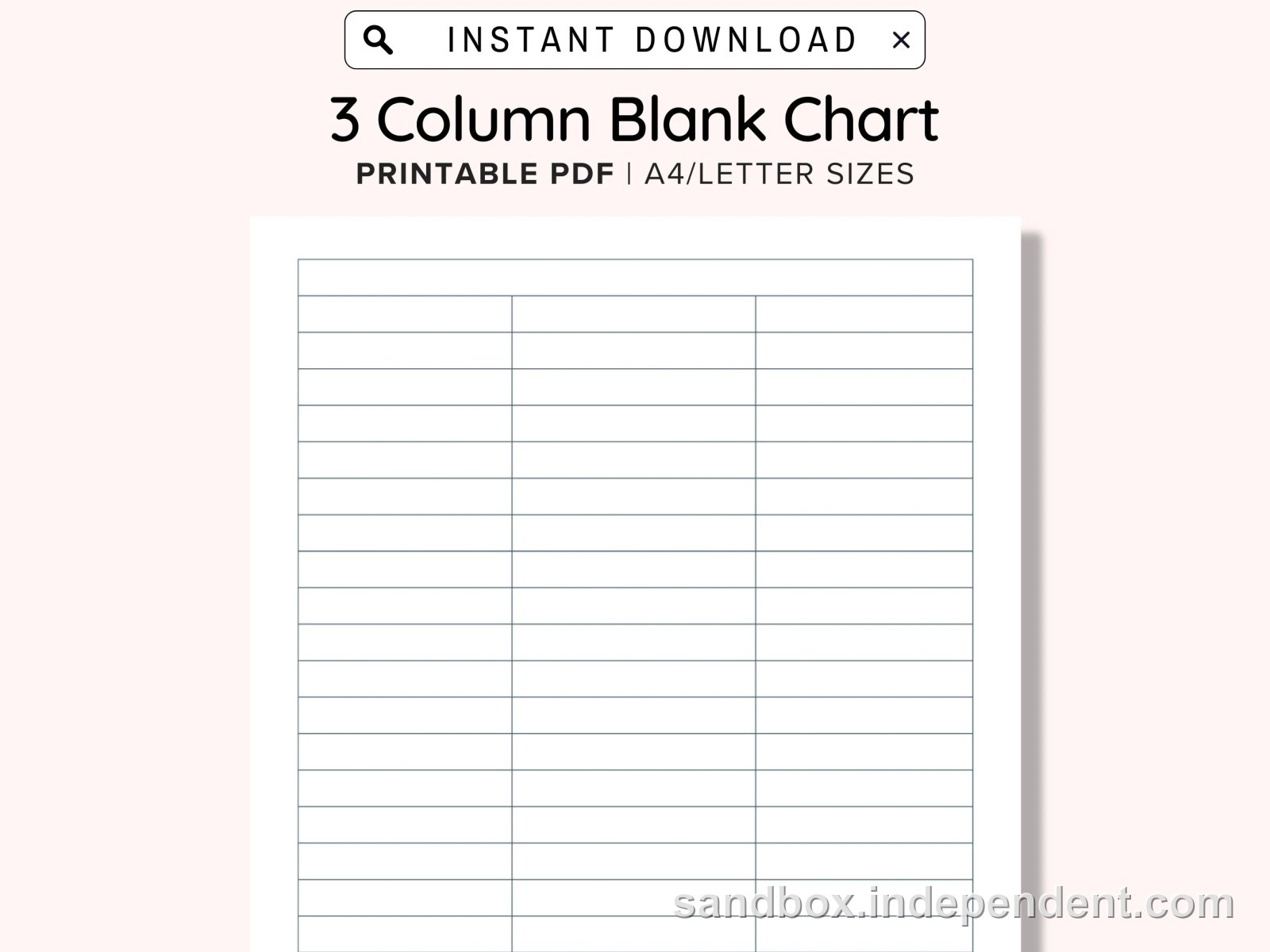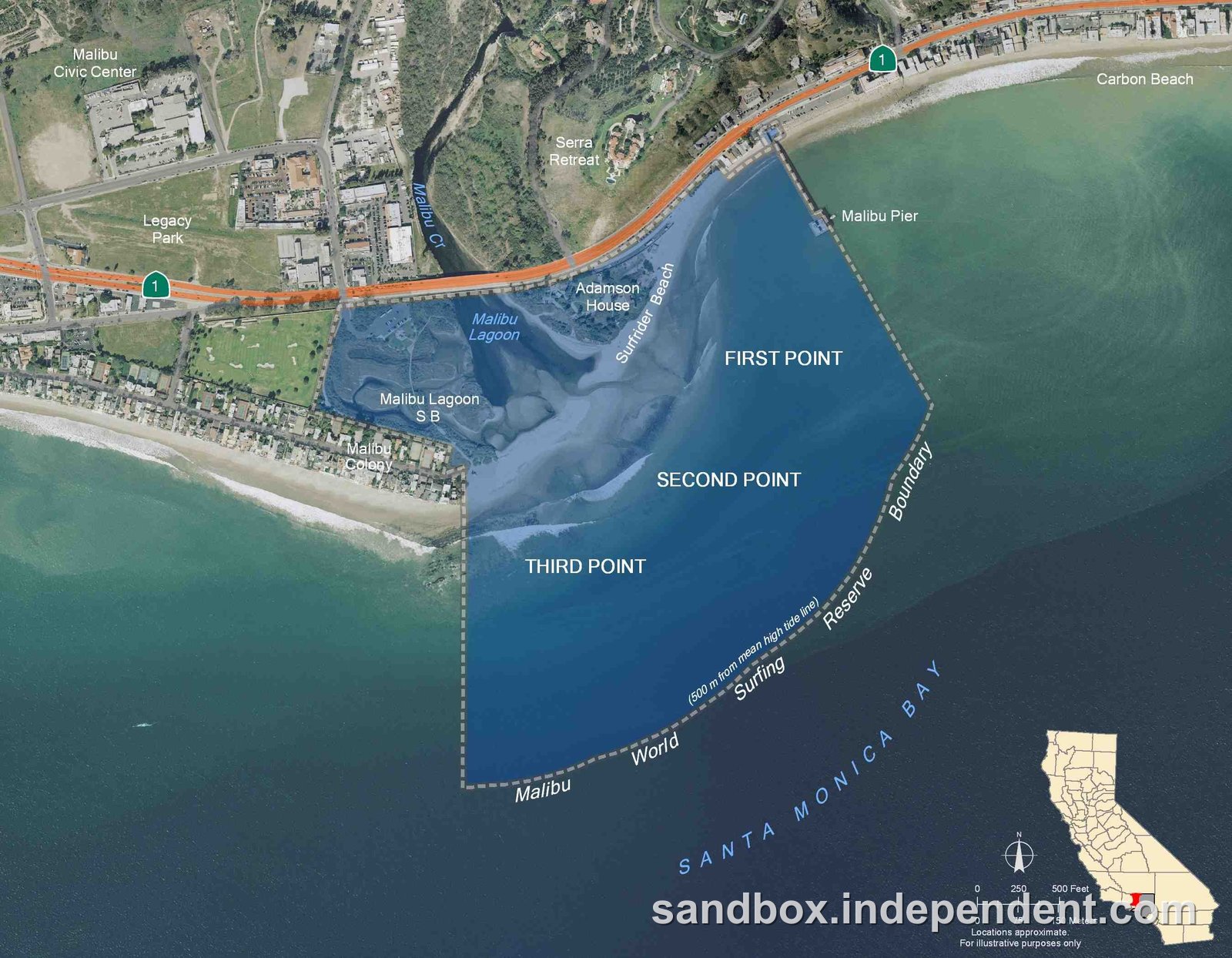
Boston Tide Chart Editable Overview
An edisto tide chart is a handy tool for anyone wanting to explore the beautiful Edisto Island and its surroundings. This guide will show you how to make the most of this chart, whether you're a seasoned pro or new to the area.
It's a simple yet effective way to understand the tides, and with a little practice, you'll be reading and using it like a local. The chart provides an overview of tide heights and current flow rates, which can vary depending on the region and specific location.
What is the Edisto Tide Chart?
The Edisto Tide Chart is a valuable tool for anyone planning activities or relying on tidal information around Edisto Island. It provides a visual representation of the predicted tide levels and current flow rates over a specific period, typically a day or a few days. This chart is essential for understanding the ever-changing nature of the tides and making informed decisions.
Key Details and Categories
When examining an Edisto tide chart, you'll notice a few key elements. First, the chart displays the predicted tide heights, usually measured in feet or meters, depending on the standard used. These heights indicate the expected water levels at different times. Additionally, the chart may include information on current flow rates, which show the direction and speed of the tidal currents. The time of day or specific hours are often marked along the chart's horizontal axis, while the vertical axis represents the tide height or current strength. Understanding these basic units and categories is crucial for interpreting the data accurately.
How to Read and Apply the Chart
Reading an Edisto tide chart is straightforward. Here's a step-by-step guide:
- Identify the time of interest on the chart. This is usually indicated along the bottom or side of the graph.
- Locate the corresponding tide height or current flow rate. The height is typically represented by a line or curve, and the current flow may be shown as arrows or a separate graph.
- Note the predicted tide level or current strength at that time. For example, if you're planning a boating trip, you can ensure you have sufficient water depth by checking the tide height during your planned departure or return times.
- Repeat this process for other relevant times, especially if your activity spans multiple hours or days.
Variations and Differences
While Edisto tide charts provide valuable predictions, it's important to remember that tides and currents can vary due to several factors. Weather conditions, such as strong winds or storms, can influence tide heights and current patterns. Additionally, the moon's phases and gravitational pull play a significant role in tidal changes. These natural variations mean that the predicted values on the chart may differ slightly from the actual conditions on the water. It's always a good idea to keep an eye on the weather and consider any unusual tidal patterns when relying on the chart.
Common Mistakes and How to Avoid Them
One common mistake is assuming the chart provides absolute accuracy. While the predictions are based on historical data and scientific models, they are still estimates. To avoid surprises, always allow for some flexibility in your plans. For instance, if you're fishing and the chart indicates a high tide at a certain time, consider that the actual high tide may arrive a little earlier or later. Another mistake is neglecting to check for any recent updates to the chart. Tidal patterns can change over time, so ensure you're using the most recent data available.
Practical Tips for Accurate Results
To ensure you're making the most of your Edisto tide chart, consider these practical tips:
- Regularly check for updates, especially if you're planning activities that rely heavily on precise tidal information.
- Familiarize yourself with the local tidal patterns and any unique characteristics of the Edisto Island area. This knowledge can help you interpret the chart more effectively.
- When possible, observe the actual tides and currents in real life. This hands-on experience can enhance your understanding of how the chart relates to the natural environment.
- If you're new to the area, consider seeking advice from local experts or experienced boaters who can provide insights into the local tidal variations.
- Remember that the Edisto tide chart is a valuable tool, but it's just one part of your planning process. Always combine it with common sense, local knowledge, and a healthy dose of flexibility.
Well, there you have it! You're now equipped with the knowledge to navigate the Edisto tide chart like a pro. Remember, while these charts are incredibly useful, it's always a good idea to double-check the specific conditions and requirements for your particular activity or location.
Feel free to explore our other guides and resources; we've got plenty of practical tips and tricks to offer, so take a look around and find something that piques your interest!
Related: Roof Pitch Chart: A Simple Guide to Understanding
Many people often overlook the importance of understanding a roof pitch chart and its role in roofing projects. It's a simple yet powerful tool, often underestimated, but it can make a huge difference!
A roof pitch chart is your guide to determining the slope or incline of your roof, offering a clear visual representation. While values may vary, this chart ensures you get the right measurements, whether you're a DIY enthusiast or a professional. It's an essential step to ensure your roof is built or repaired correctly.
Understanding Roof Pitch Charts
A roof pitch chart is a handy tool that helps you visualize and understand the slope or incline of a roof. It provides a simple way to measure and categorize roof angles, which is crucial for various construction and design purposes.
Key Details and Categories
The chart typically displays roof slope values, often in degrees, along with a corresponding pitch ratio. The pitch ratio is a simple way to describe the steepness of the roof, usually given as a fraction or a ratio of rise to run. For example, a 4:12 pitch ratio means the roof rises 4 inches for every 12 inches of horizontal run.
How to Read and Apply the Chart
To use the roof pitch chart, you'll need to measure the roof's slope or angle. This can be done using a simple tool like a level or a more advanced device like a laser distance meter with an angle measurement feature. Once you have the angle, you can find it on the chart and read the corresponding pitch ratio.
Here's a step-by-step guide:
- Measure the roof angle: Place your tool on the roof surface and measure the angle relative to the horizontal plane.
- Locate the angle on the chart: Find the angle value on the chart, which often has a scale or a series of angles listed.
- Read the pitch ratio: Next to the angle, you'll see the pitch ratio, which tells you the steepness of the roof.
- Use the pitch ratio: This ratio is essential for various calculations and considerations, such as determining the amount of roofing material needed, the pitch of gutters, or the structural integrity of the roof.
Variations and Differences
It's important to note that roof pitch charts can vary depending on the standard being used. Different regions and industries may have their own conventions for measuring and categorizing roof slopes. For example, some charts may use different units or have slightly different categories. It's crucial to ensure you are using the right chart for your specific context and region.
Common Mistakes and How to Avoid Them
One common mistake is assuming all roof pitch charts are the same. Always double-check the units and categories used in the chart to ensure accuracy. Another pitfall is misinterpreting the pitch ratio. Remember, the pitch ratio is a simple representation of the roof's steepness, but it doesn't provide all the information about the roof's design.
Practical Tips for Accurate Results
When measuring roof angles, ensure you are measuring the correct surface. Some roofs may have multiple slopes or complex designs, so it's essential to measure the specific area you are interested in. Additionally, consider the roof's orientation and ensure your measurements are consistent with the chart's orientation.
Double-Checking and Handling Exceptions
While roof pitch charts are valuable, they may not cover every possible scenario. For unique or complex roof designs, it's best to consult an expert or refer to detailed specifications. Always double-check critical measurements and consider seeking professional advice for precise results, especially for safety-critical applications.
Hey there! I hope this roof pitch chart guide has been helpful and easy to follow. Remember, while the basics remain the same, the exact details might shift a bit based on your specific project and the standards you're working with.
Feel free to explore our other guides for more practical tips and tricks. We've got a range of topics to help you with all your DIY and home improvement projects. Happy building!
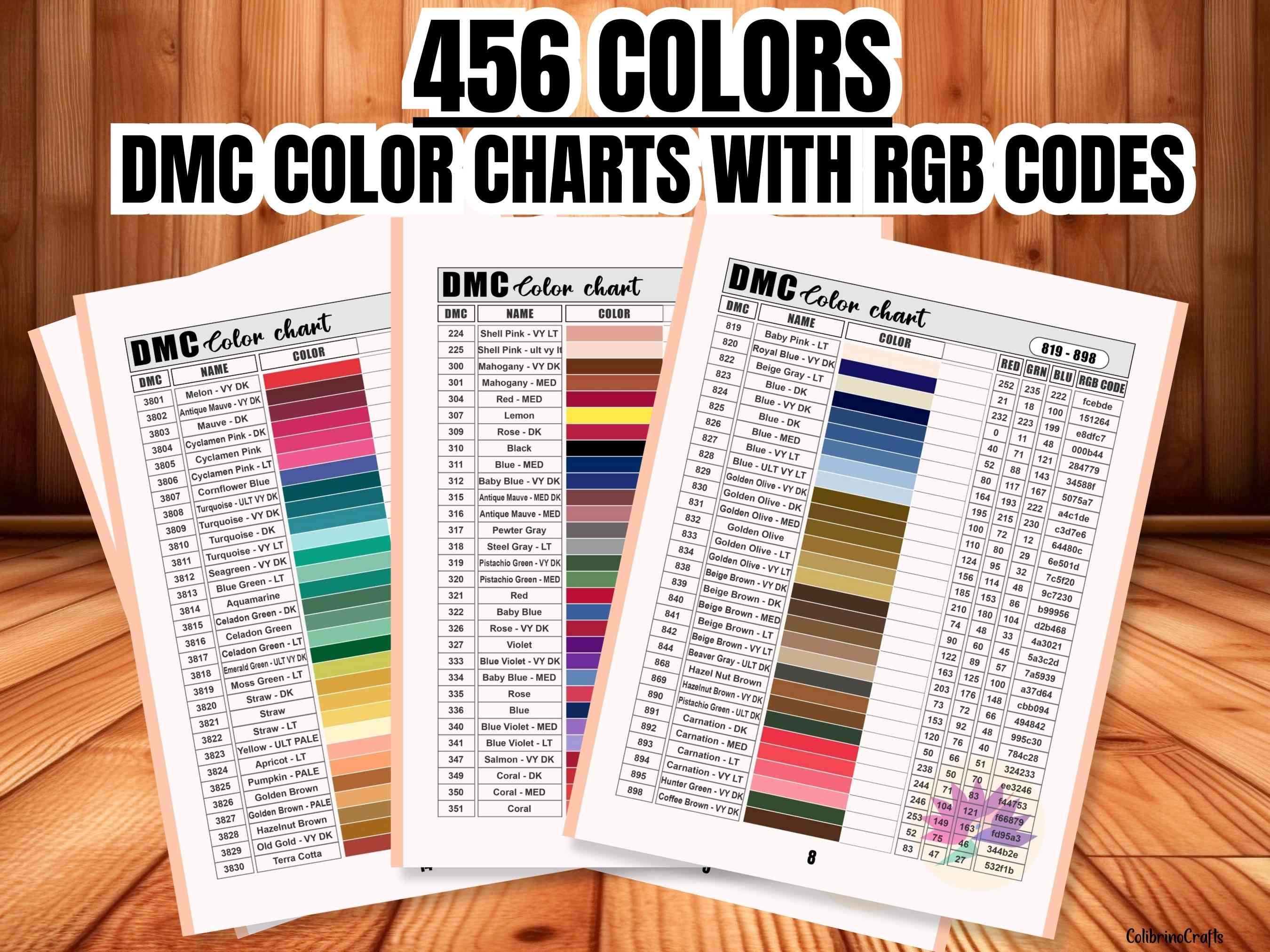
Related: What is the DMC Color Chart All About?
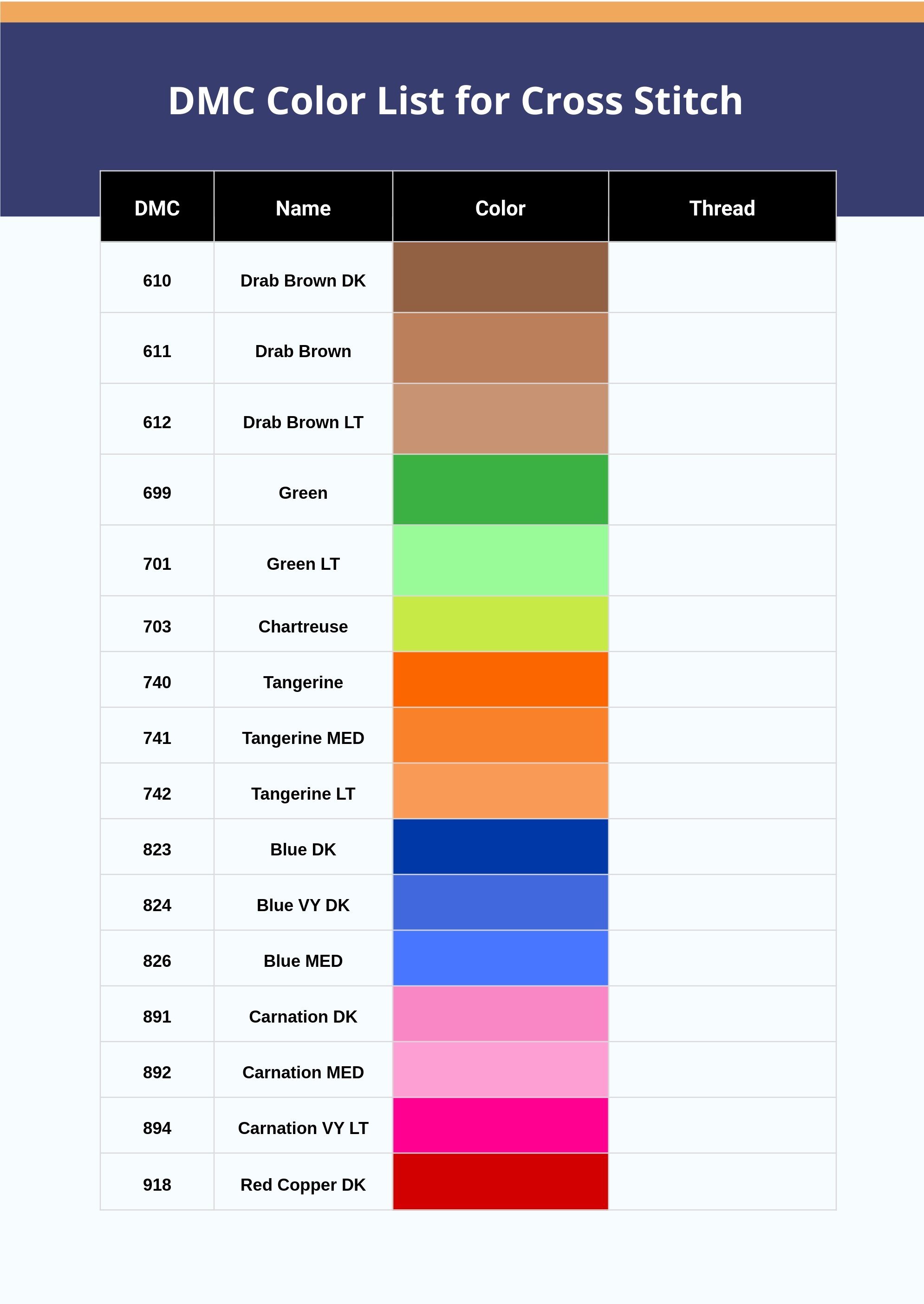
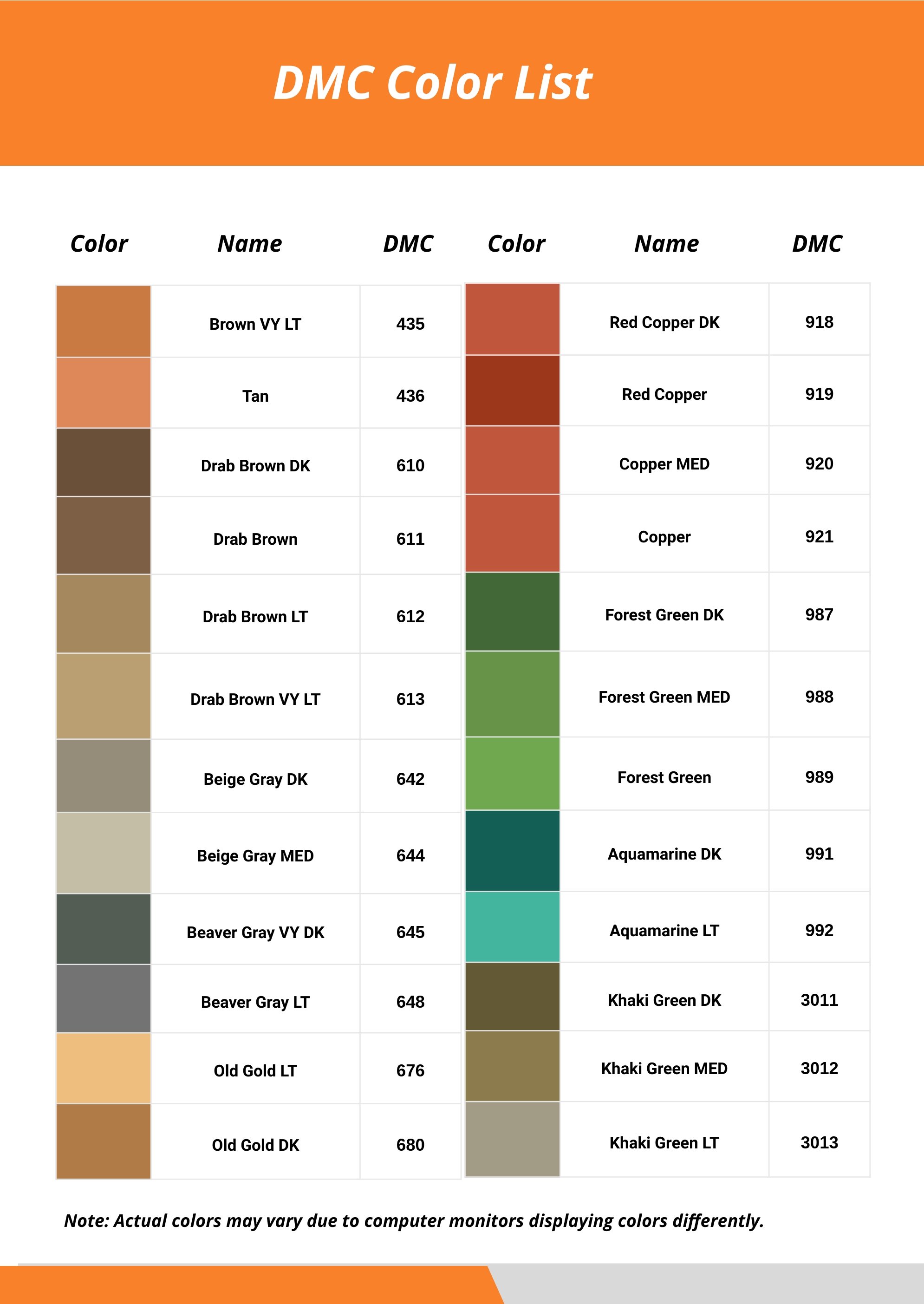
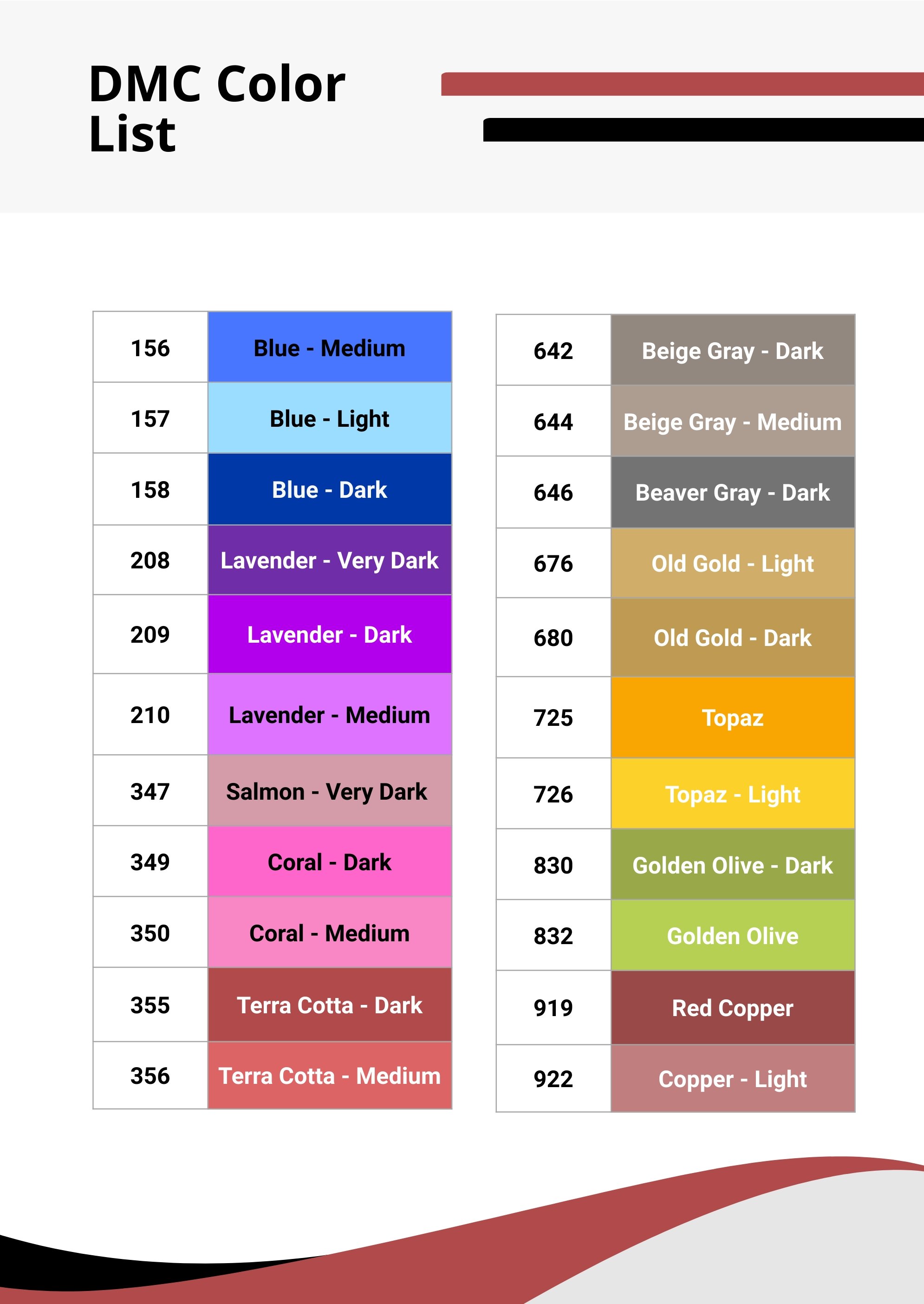
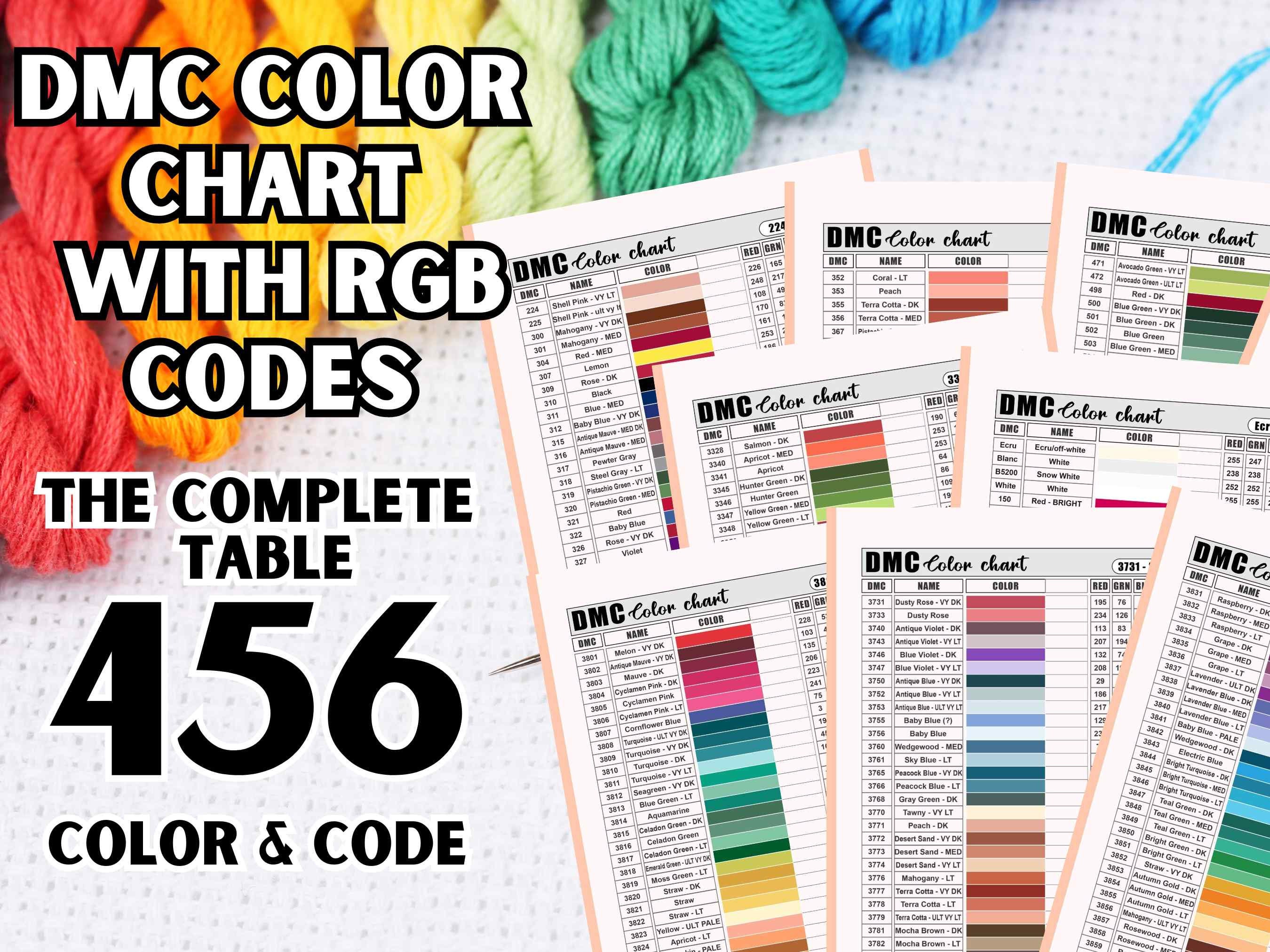
You're likely here because you need a reliable dmc color chart to guide your creative project, be it embroidery, cross-stitch, or another craft. This chart is a crucial tool, offering a clear and organized display of colors, often in the form of a thread or floss color guide. With various formats and standards, it's essential to find the right reference for your specific needs, ensuring an accurate and satisfying result.
Understanding the DMC Color Chart
The DMC color chart is an essential tool for embroidery enthusiasts and professionals. It serves as a comprehensive guide to the vast range of DMC thread colors, providing a visual reference and accurate color codes. This chart is your key to unlocking the full potential of DMC embroidery threads.
Comparing Color Standards and Formats
DMC offers a standardized color system, ensuring consistency across their thread range. The chart typically displays a color swatch with its corresponding DMC color code. These codes are unique identifiers, allowing you to easily specify and match colors accurately.
Step-by-Step Guide to Using the DMC Color Chart
- Begin by identifying the color you wish to use. Look for the desired shade on the chart, which is usually organized by color family.
- Once you've located the color, note its DMC color code. This code is essential for referencing and ordering the correct thread.
- Use the chart as a guide when selecting threads for your embroidery projects. It ensures you achieve the intended color scheme and maintain consistency.
Avoiding Common Misreadings
It's important to note that lighting conditions can affect how colors appear. Ensure you view the chart in natural light to get an accurate representation of the shades. Additionally, be mindful of the difference between on-screen colors and physical thread colors, as screens may not always display true-to-life shades.
Factors Affecting Accuracy
Several factors can influence the accuracy of color representation on the DMC color chart. These include the type of paper or fabric used for the swatches, as well as the printing process. It's advisable to cross-reference colors with actual thread samples whenever possible to ensure precise color matching.
Choosing the Right Format
DMC provides various formats of their color chart to cater to different needs. You can opt for a physical color card, which is portable and convenient for on-the-go reference. Alternatively, digital versions are available for easy access on your device. Consider your preferred method of reference and choose the format that suits your embroidery workflow.
Maintaining Reliability for Future Projects
To ensure the longevity and reliability of your DMC color chart, handle it with care. Keep it away from direct sunlight and moisture to prevent fading or damage. Regularly update your chart to the latest version, as DMC may introduce new colors or make adjustments to their color range. By doing so, you'll always have an accurate and up-to-date reference for your embroidery endeavors.
Remember, the specifics of your DMC color chart may differ slightly, so it's always good to refer back to this guide for a quick refresh. Exact values can vary, so it's best to have your trusted reference at hand.
Feel free to bookmark this page for future use, and check out our other guides for more practical tips and insights. We aim to provide clear, concise information, so you can navigate these topics with ease. Happy crafting!