




Boston Tide Chart Letter Size Overview
A youth sizing chart is a handy tool to have when shopping for kids' clothes and shoes. This guide will show you how to navigate these charts with ease, ensuring you get the right fit every time.
These charts are a quick reference, offering standard youth measurements to help you find the perfect size. While values may vary slightly by brand and region, they provide a reliable starting point. You'll find clothing size charts, shoe size guides, and even a head circumference guide, all designed to make sizing a breeze!
Understanding the Youth Sizing Chart
The youth sizing chart is your go-to guide for finding the perfect fit for kids' clothing and shoes. It's a simple yet powerful tool that helps you navigate the world of sizing, ensuring your little ones look and feel their best.
Key Details and Categories
This chart typically includes measurements for height, weight, and sometimes even age. These measurements are divided into categories, often based on age groups or specific size ranges. You'll find units in both centimeters (cm) and inches, so it's essential to know which system you're using. For instance, a child's height might be listed as 122 cm or 48 inches, depending on the standard.
How to Read and Apply the Chart
Using the youth sizing chart is straightforward:
Start by measuring your child's height and weight. If you're unsure, ask a friend or family member to help. It's best to measure in the morning, before any major activities, to get an accurate reading.
Locate the height and weight categories on the chart that match your child's measurements. These categories will often have a range, so find the one that best fits your child's size.
Once you've identified the right category, you'll see a recommended size or a range of sizes. This is the size you should choose when shopping for clothing or shoes.
For clothing, you might see a letter (e.g., S, M, L) or a number (e.g., 6, 8, 10) indicating the size. For shoes, you'll often find a number followed by a width indicator (e.g., 13 M, 1 M).
Variations and Differences
It's important to note that youth sizing charts can vary depending on the standard being used. For instance, a clothing size chart from one brand might not align perfectly with another brand's chart. This is especially true when comparing international sizing standards. Additionally, some charts might be more detailed, including measurements for head circumference or chest size, which can further refine the fit.
Common Mistakes and How to Avoid Them
One of the most common mistakes is not measuring accurately. Always take precise measurements, especially if your child is on the border of two size categories. Another pitfall is assuming that all brands or manufacturers use the same sizing standards. Always double-check the specific kids sizing guide or standard youth measurements provided by the brand or retailer. Lastly, don't forget to consider the material and design of the clothing or shoes. Some items might run larger or smaller than expected, so it's always a good idea to check reviews or ask for recommendations.
Well, that's the lowdown on youth sizing charts! You now have the tools to navigate these charts with ease and ensure a perfect fit for your little ones. Remember, while these charts are a fantastic guide, it's always wise to double-check the specific requirements or standards you're working with.
Feel free to explore our other resources; we've got a range of practical guides to help you tackle various tasks with confidence. Happy sizing and see you around!
Related: What's the Minwax Stain Chart All About?
The Minwax stain chart is a handy tool for anyone working with wood stains, offering a visual guide to explore and choose the perfect shade. This guide will help you navigate the chart effectively, ensuring you find the right stain for your project.
It provides a simple way to visualize and compare Minwax wood stain colors, making it easier to select and match the desired tone. While the chart's format may vary slightly, the basic concept remains the same, offering a reliable reference for wood enthusiasts and professionals alike.
Understanding Wood Stains: The Minwax Stain Chart
The Minwax stain chart is a handy tool for anyone looking to stain wood and achieve the perfect color. It's a reference guide that displays a range of wood stain colors, helping you visualize and choose the right shade for your project. This chart is a valuable resource, especially for those new to wood staining, as it provides a visual representation of the final result.
Key Details and Categories
The Minwax stain chart typically features a grid-like layout, with each square representing a specific stain color. The colors are organized in a systematic way, often progressing from light to dark shades. Along the sides of the chart, you'll find labels indicating the wood species and the stain color name or code. This chart is designed to be user-friendly, making it easy to navigate and compare different stain options.
How to Read and Apply the Minwax Stain Chart
Reading the Minwax stain chart is straightforward. First, identify the wood species you're working with; this is usually listed on the left side of the chart. Then, scan across to find the desired stain color. The stain colors are often arranged in rows, with each row representing a different wood species. Once you've found your preferred color, note the corresponding stain code, which you can use to purchase the correct stain. It's as simple as that!
Variations and Differences
While the Minwax stain chart provides a great starting point, it's important to note that wood staining can be influenced by various factors. The final color may vary slightly due to differences in wood grain, the wood's natural color, and even the lighting conditions during application. Additionally, the stain's intensity can be affected by the number of coats applied and the wood's porosity. These factors contribute to the unique character of each stained wood piece.
Common Mistakes and How to Avoid Them
One common mistake is assuming that the stain color on the chart will match your wood exactly. Remember, the chart is a guide, and the actual result may differ slightly. To avoid disappointment, it's a good practice to test the stain on a small, inconspicuous area of your wood before committing to the entire project. This way, you can assess the color and make any necessary adjustments.
Practical Tips for Accurate Results
To ensure accurate results, consider the following tips:
- Always follow the manufacturer's instructions for stain application.
- Ensure your wood is clean, dry, and free of any finish or residue.
- Apply the stain evenly, using a brush or cloth, and wipe away any excess.
- Allow sufficient drying time between coats, as recommended by the stain manufacturer.
- Consider using a wood conditioner or primer, especially for porous woods, to achieve a more consistent color.
Double-Checking and Handling Exceptions
While the Minwax stain chart covers a wide range of stain colors, it's always a good idea to double-check the exact specifications for your chosen stain. Some stains may have specific instructions or recommendations for certain wood types or projects. Additionally, if you're working with a unique or exotic wood species, you might need to seek additional guidance or samples to ensure the best color match.
So, there you have it! A handy guide to the Minwax stain chart, a simple yet effective tool for your wood staining adventures. Remember, while this chart is a great starting point, it's always wise to consider your specific project and its unique needs.
Don't forget to check out our other guides and resources for more practical tips and tricks. We've got you covered with all the info you need to tackle your next DIY project with confidence. Happy staining!
Related: A Simple Guide to the Snot Color Chart
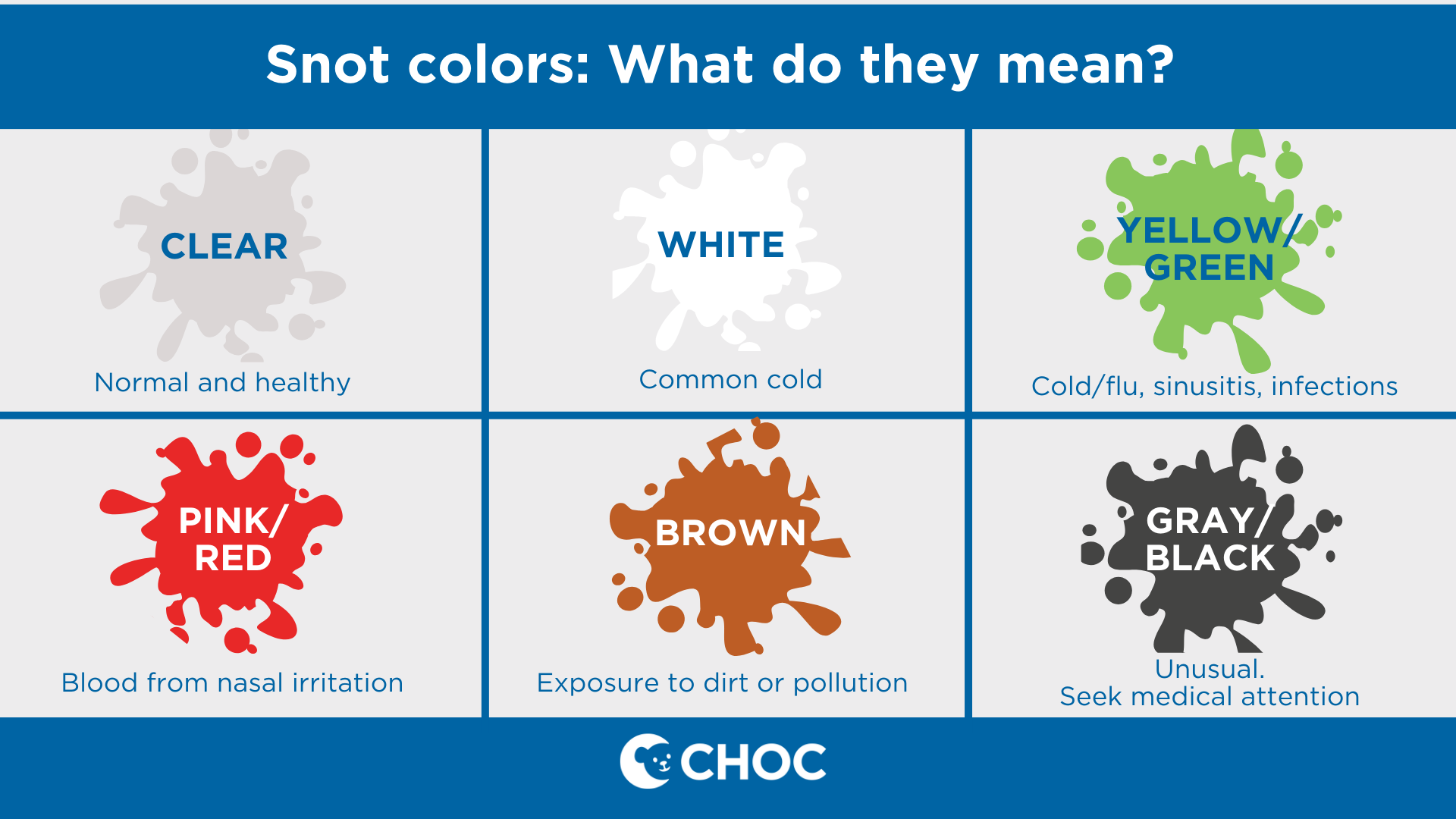
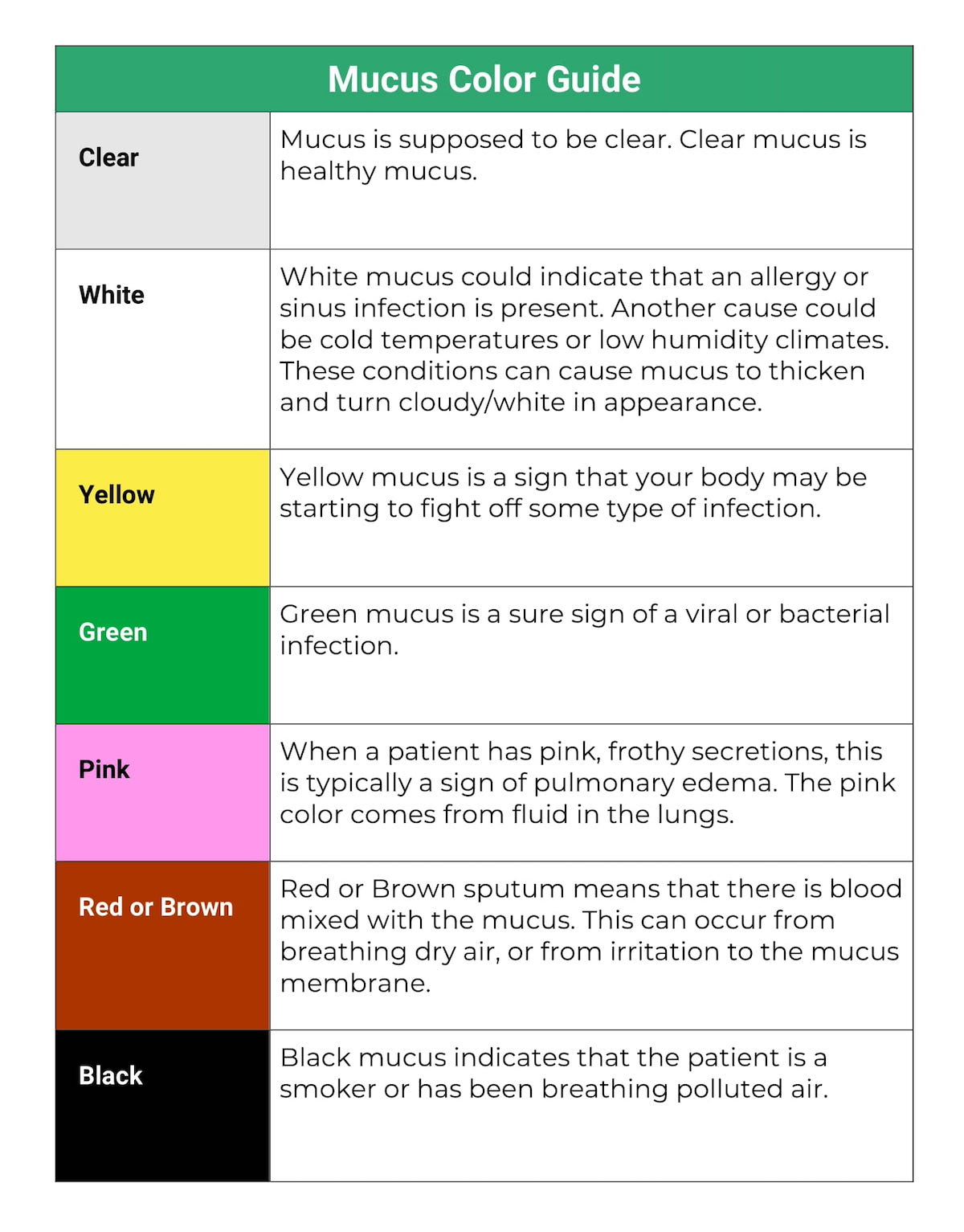
You're probably here because you're curious about the snot color chart or need a quick reminder of what those colors mean. It's a simple yet effective tool, a reference guide to help us understand the story our nasal discharge is telling. Think of it as a visual key to unlocking the secrets of your snot!
The chart is a handy resource, offering a quick way to check and interpret the colors and textures of your mucus. While the specific details might vary slightly depending on where you are in the world, the basic principles remain the same, and they're worth knowing.
A Quick Guide to the Mucus Color Chart
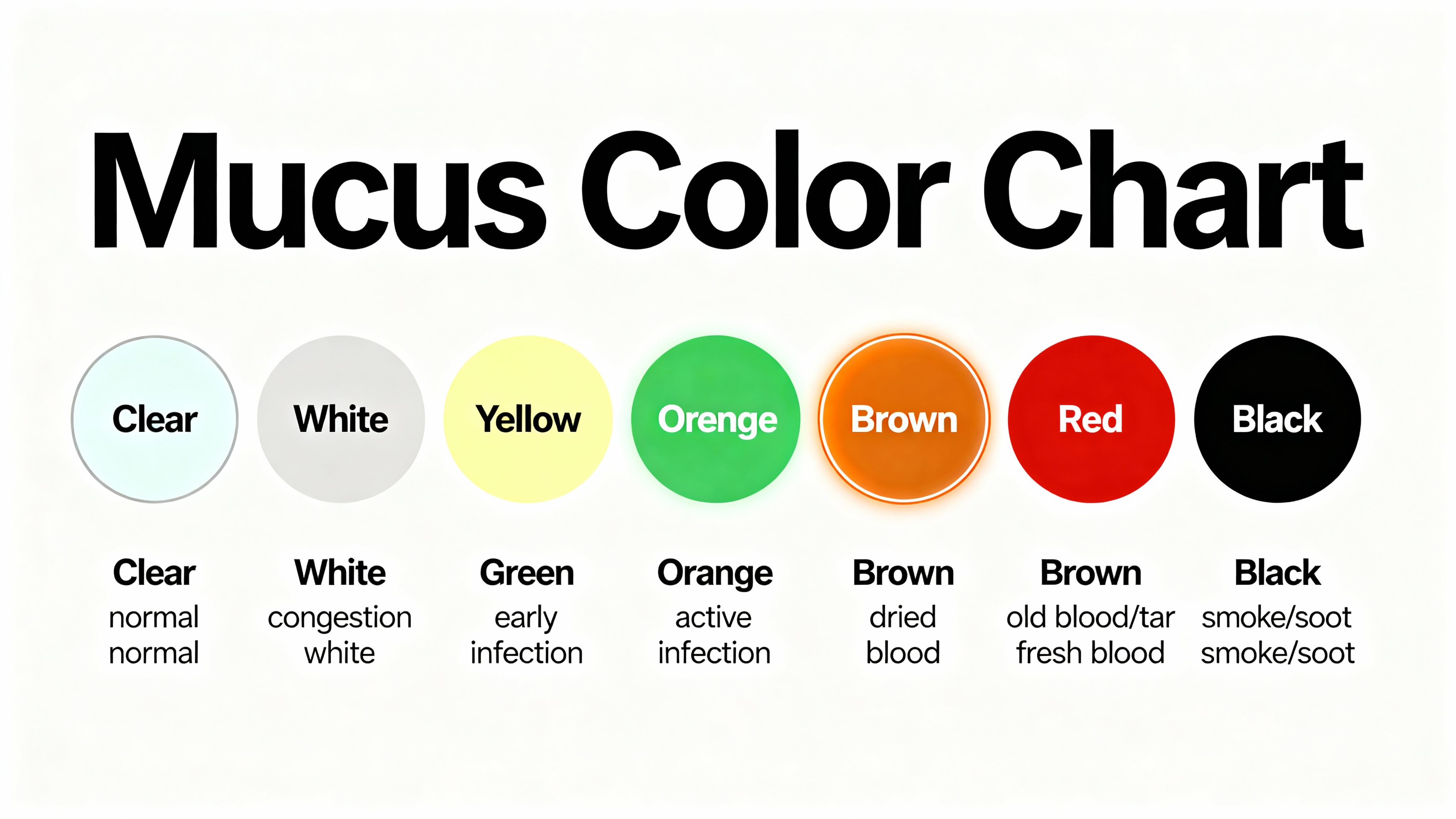
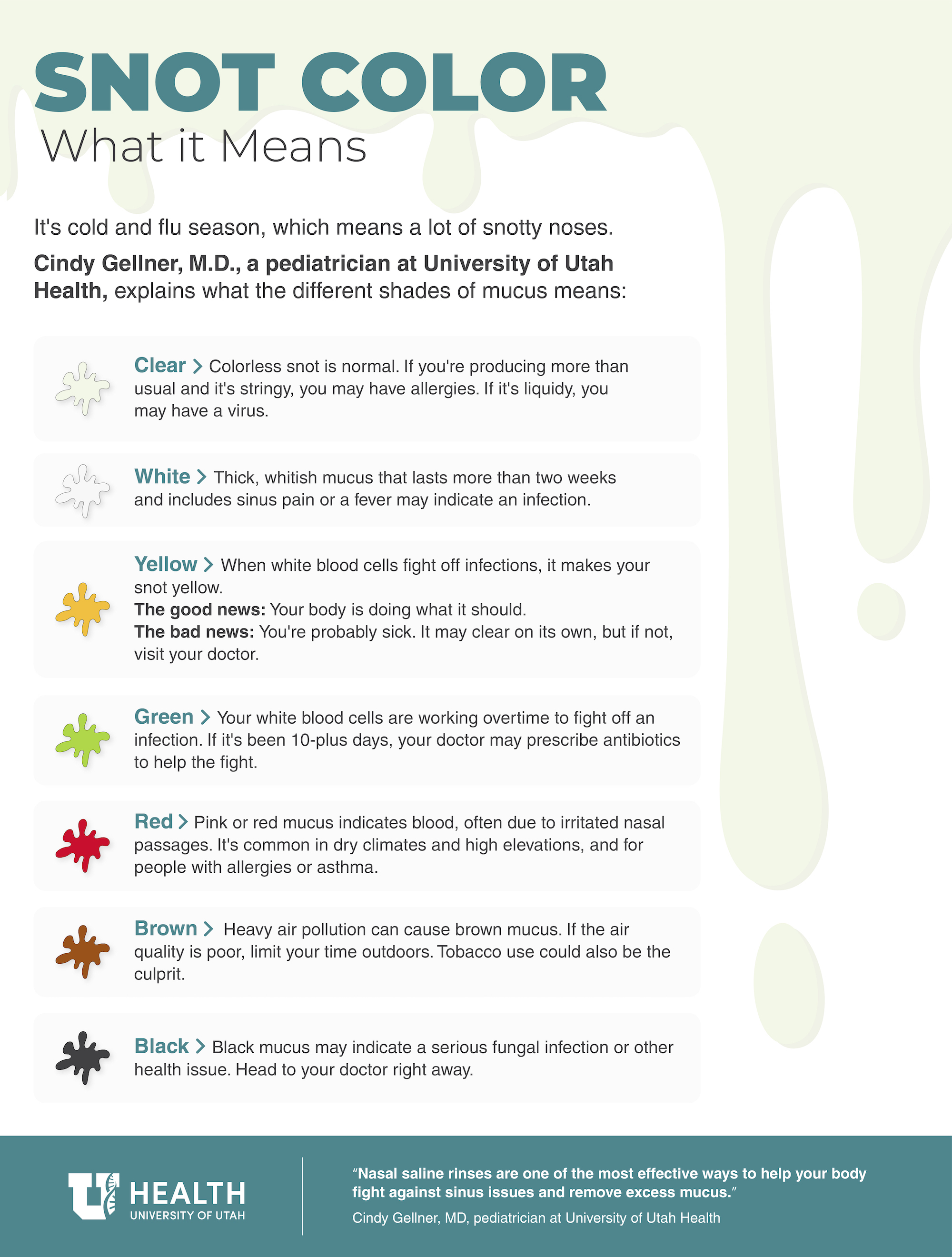
The snot color chart is a handy reference tool that can help you understand what your nasal discharge is telling you. It's a simple visual guide, often presented as a table or diagram, that shows the different colors of mucus and what they might indicate about your health. This chart is a great way to quickly assess any changes in your mucus and take appropriate action.
Comparing the Chart's Standards and Categories
The snot color chart typically follows a standard color-coding system, making it easy to interpret. The colors are usually represented as shades or a range of hues, with each color category having its own distinct meaning. For example, you might see a spectrum from light yellow to dark green, with each shade indicating a different level of severity or cause.
How to Use the Snot Color Chart: A Step-by-Step Guide
First, identify the dominant color of your mucus. Is it clear, white, yellow, green, brown, or even black? Each color has its own implications.
Next, refer to the chart. It will provide a detailed explanation of what each color could mean. For instance, clear mucus often indicates good health, while yellow or green might suggest an infection.
Remember, the chart is a guide, and the context matters. Consider other symptoms you might be experiencing alongside the change in mucus color. This will help you get a more accurate understanding of your health status.
Avoiding Misreadings and Pitfalls
While the snot color chart is a useful tool, it's important to be aware of potential misreadings. Colors can sometimes appear differently due to lighting or other environmental factors. Always trust your judgment and seek further advice if you're unsure. Additionally, remember that the chart provides a general guide; individual experiences may vary, and other symptoms should be considered.
Factors Affecting Accuracy and Real-World Use
The accuracy of the snot color chart can be influenced by various factors. For example, the consistency and texture of your mucus can provide additional clues. Thicker, stickier mucus might indicate different issues compared to runny, watery discharge. Additionally, your diet and hydration levels can affect mucus color and consistency. Always consider these factors when interpreting the chart and trust your instincts. If in doubt, consult a healthcare professional for a more detailed assessment.
Hey there, fellow snot color chart enthusiasts! We've covered a lot of ground, and I hope this guide has given you a clear and practical understanding of this topic. Remember, while the basics remain the same, the exact details might shift a bit based on your specific needs and the standards you follow.
So, the next time you find yourself in a snot-related conundrum, feel free to bookmark this page for a quick and easy reference. It's always good to have these tools at hand, and you never know when they might come in handy!