




Bowling Ball Transparent Overview
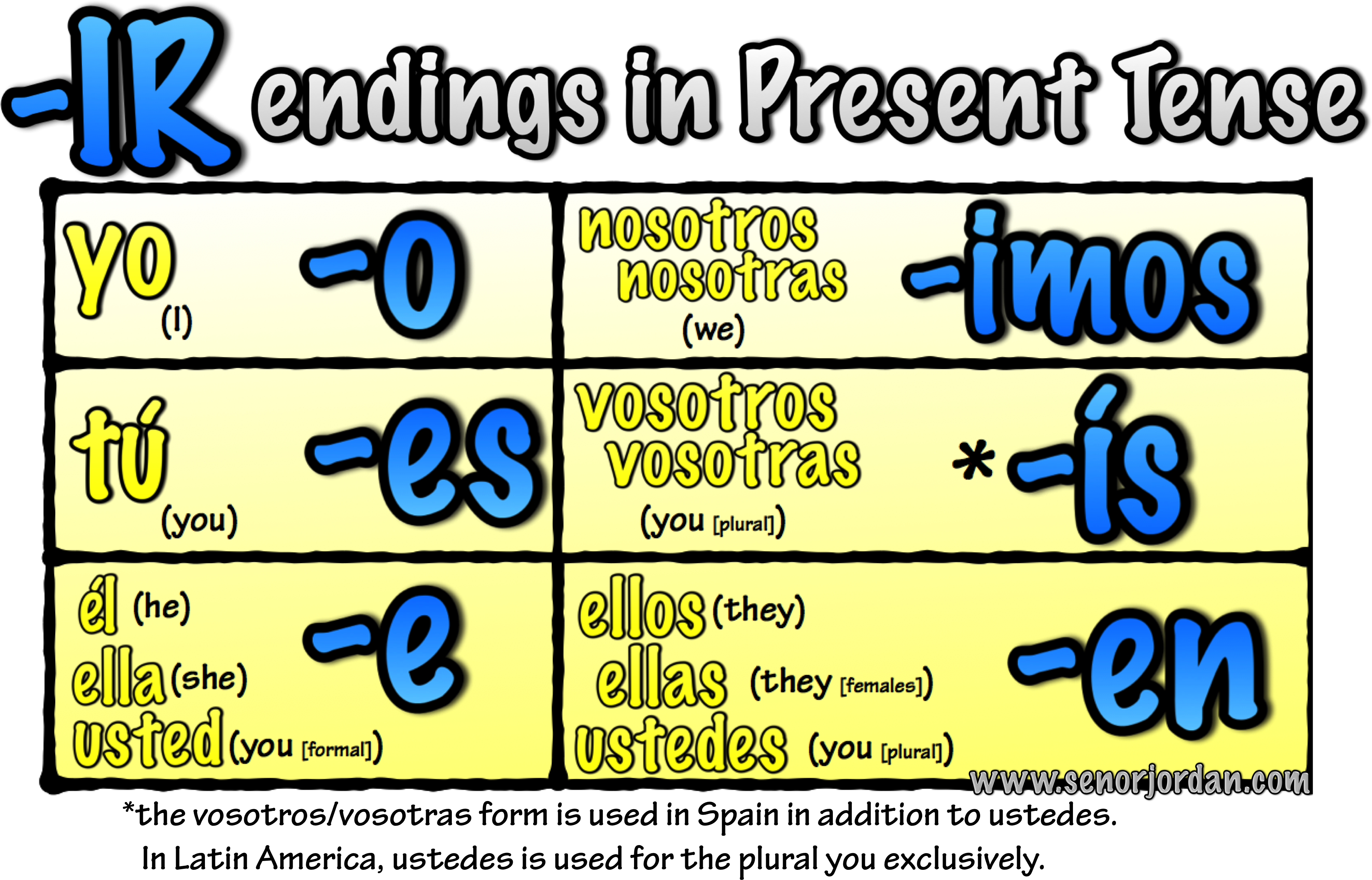
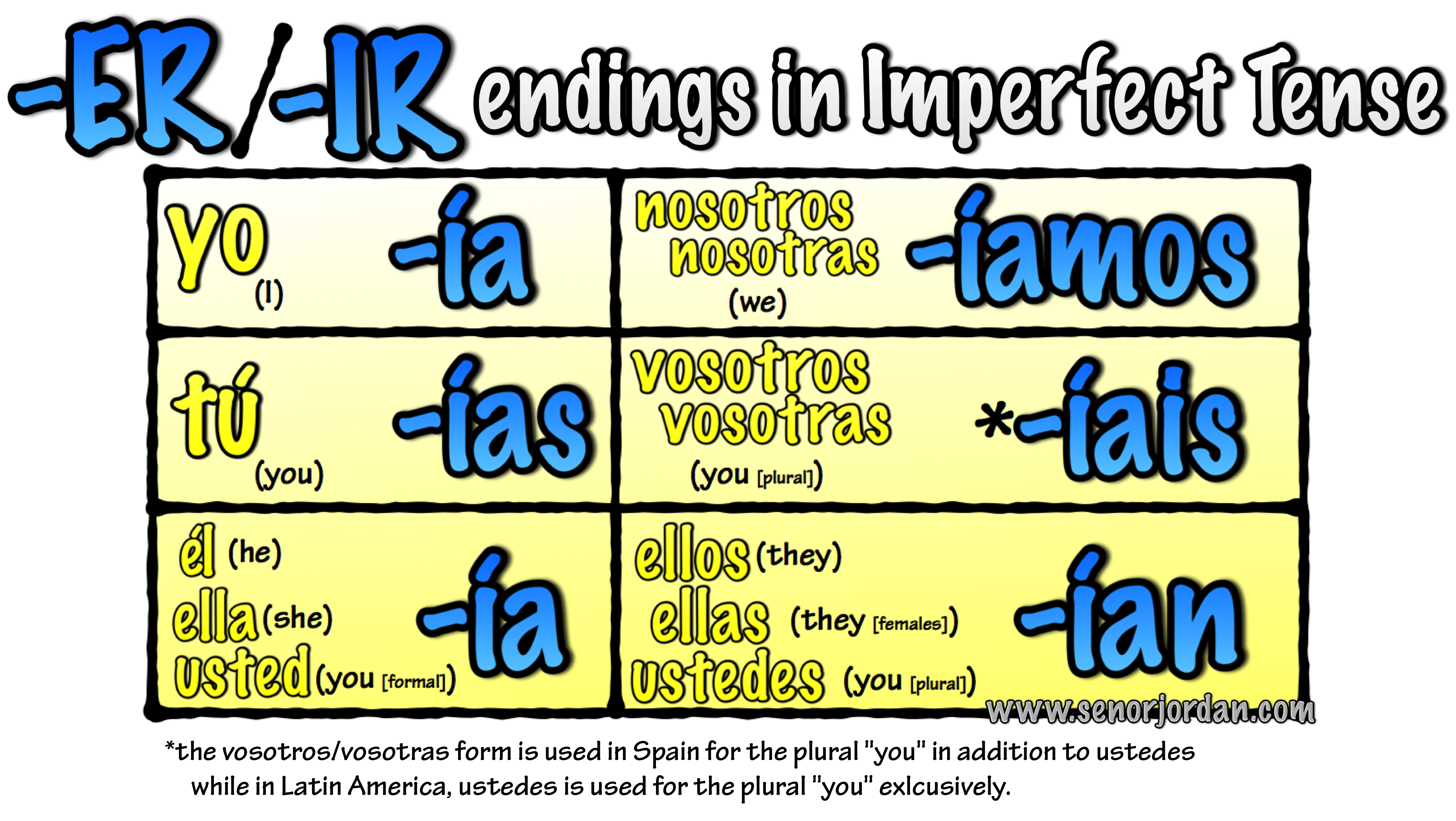
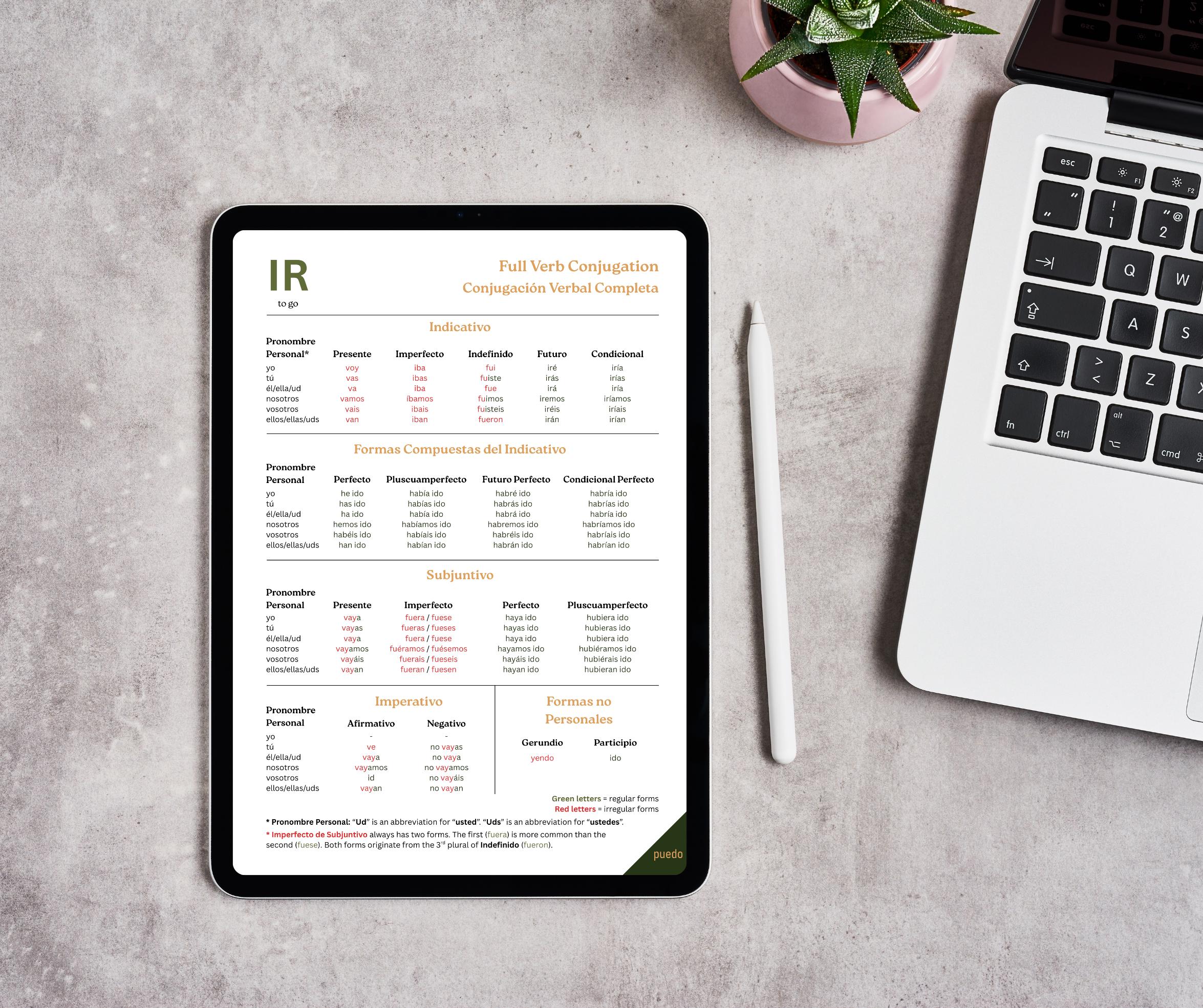
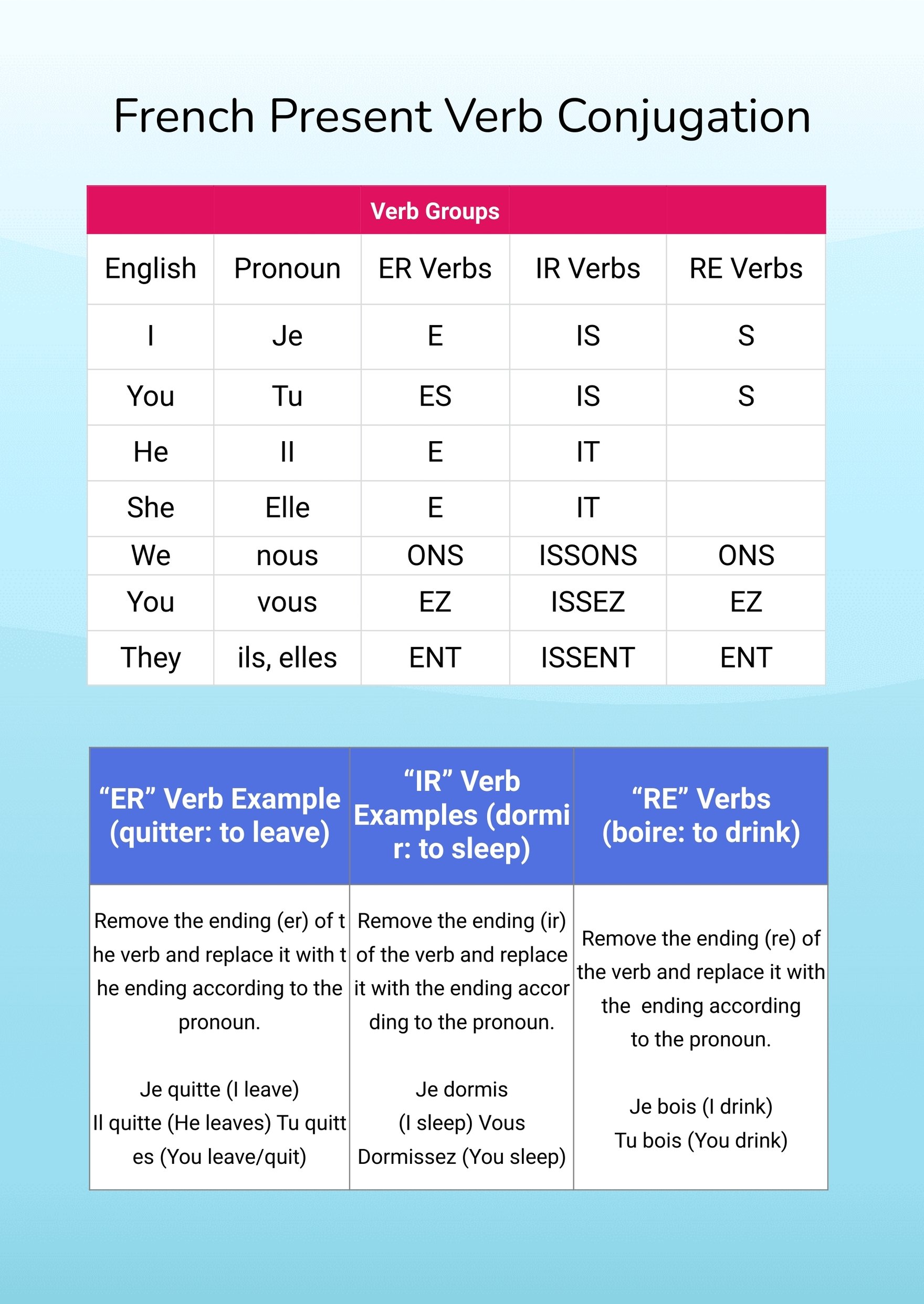
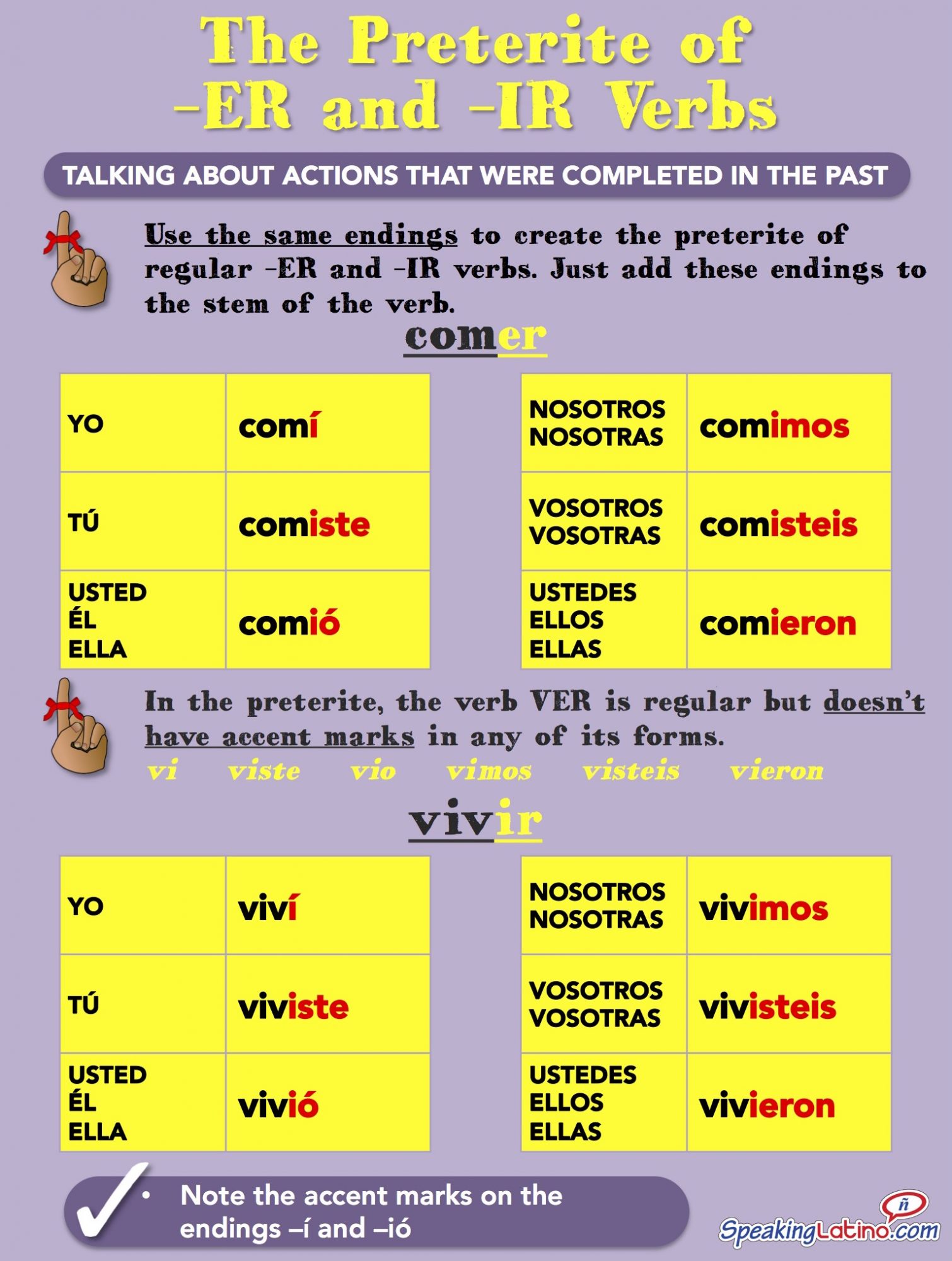
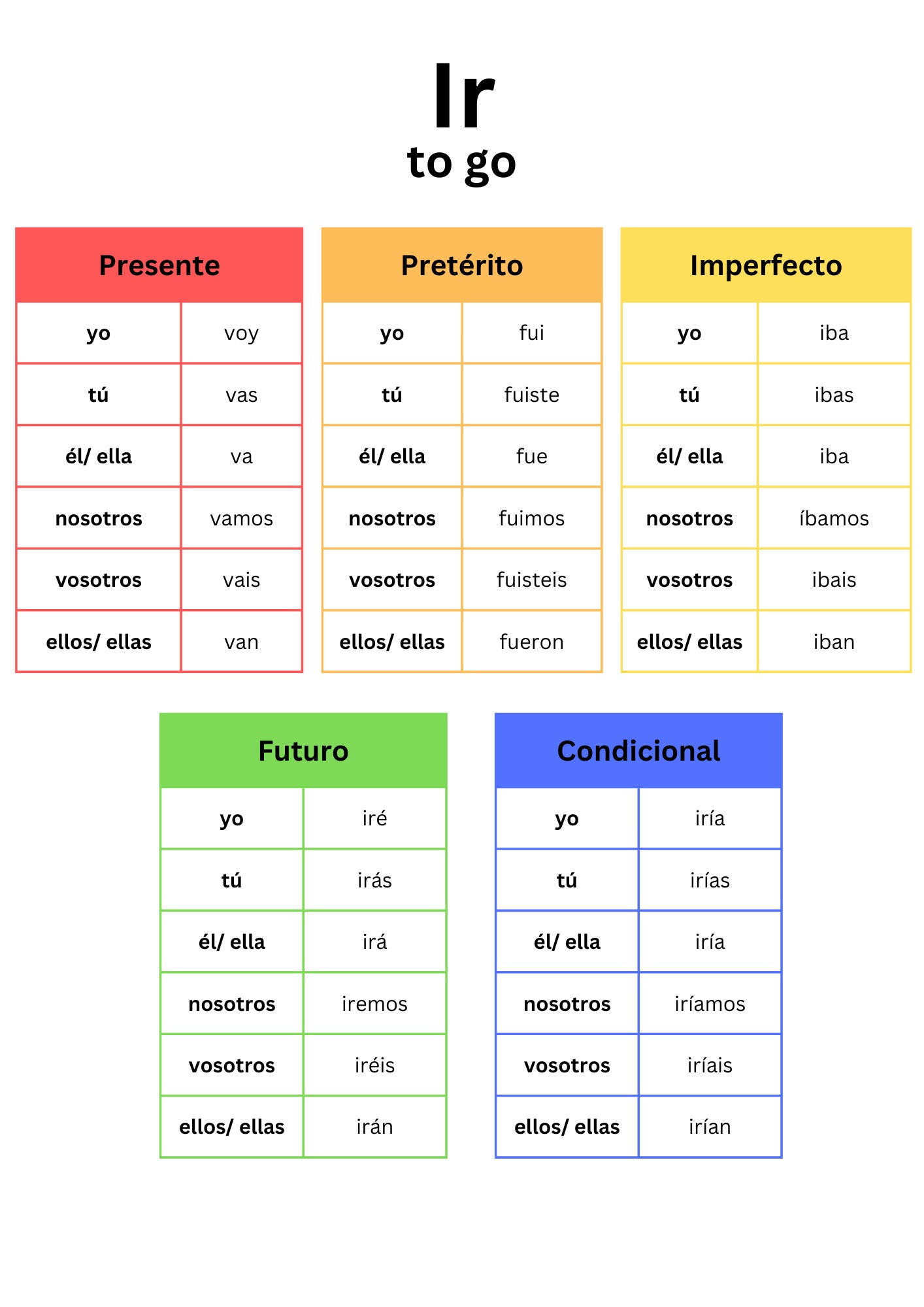
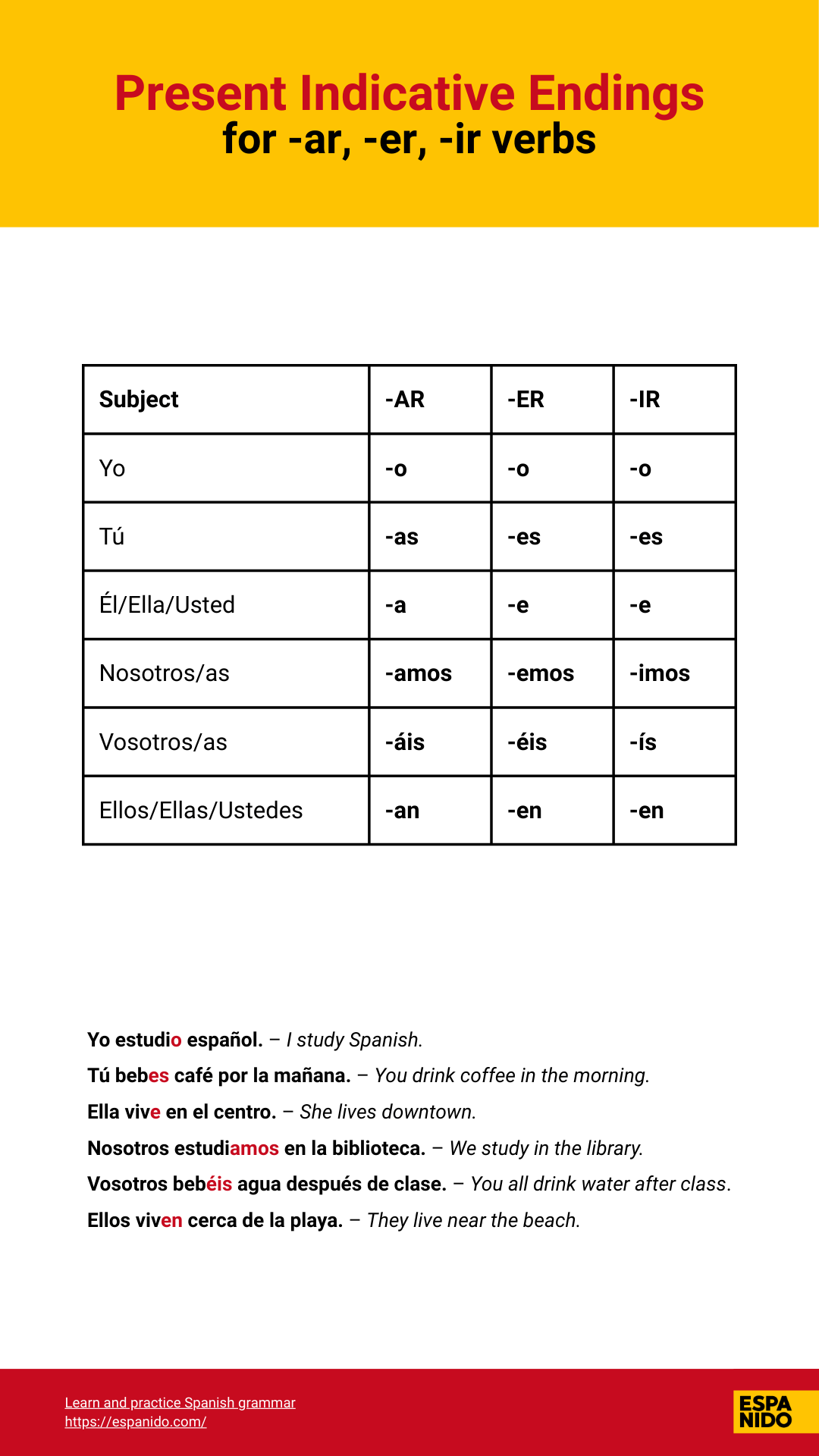
You've landed on this page, perhaps with a specific task in mind or a quick reference need. The ir verb chart is a handy tool, a concise visual guide, that can save you time and effort when navigating Spanish verb conjugations. It offers a structured overview, allowing you to find and understand verb forms efficiently, covering present, past, and future tenses. While the chart's layout and details may vary, its purpose remains consistent: to provide a reliable reference for regular verbs in Spanish.
Understanding the Ir Verb Chart: A Quick Overview
The ir verb chart is an invaluable tool for Spanish language learners, offering a comprehensive visual guide to the conjugation of regular verbs ending in 'ir'. It serves as a reference, providing a clear layout of verb forms across different tenses and persons. This chart is an essential resource for mastering Spanish grammar and ensuring accurate verb usage in various contexts.
Comparing Conjugation Patterns: Regular Verbs vs. Irregulars
While the ir verb chart focuses on regular verbs, it's important to note the existence of irregular verbs, which do not follow standard conjugation patterns. These verbs require separate memorization and are not represented on the chart. Regular verbs, on the other hand, adhere to consistent rules, making the ir verb chart a reliable guide for most verb forms.
Step-by-Step Guide: Using the Ir Verb Chart
To utilize the ir verb chart effectively, follow these steps:
- Identify the verb tense you wish to conjugate. The chart typically covers present, past, and future tenses, each with its section.
- Locate the verb ending you need to conjugate. For instance, if you want to conjugate 'mirar' (to look), find the 'ar' ending section.
- Within the chosen section, find the specific person (e.g., yo, tú, él/ella, nosotros/as) you wish to conjugate for.
- Read across to the appropriate tense column to find the conjugated form. For example, 'yo miro' (I look) in the present tense.
- Repeat this process for other tenses and persons as needed.
Avoiding Common Pitfalls: Misreading and Mistakes
One common mistake is misreading the chart, especially when unfamiliar with Spanish verb endings. Ensure you understand the verb ending and its corresponding section. Another pitfall is assuming all verbs follow the regular pattern. Always double-check for irregular verbs, especially common ones like 'ser' (to be) or 'ir' (to go).
Factors Affecting Accuracy: Regional Variations and Tenses
The accuracy of the ir verb chart can be influenced by regional variations in Spanish. While the chart provides a standard guide, some verbs may have slight differences in certain Spanish-speaking countries. Additionally, the chart primarily covers regular verbs, so it's essential to be aware of irregular verbs and their unique conjugations.
Choosing the Right Format: Adapting to Your Needs
There are various formats of the ir verb chart available, catering to different learning styles and preferences. Some charts are more detailed, covering all tenses and persons, while others focus on specific tenses or provide a simplified layout. Choose the format that best suits your learning goals and level of Spanish proficiency.
Maintaining Reliability: Keeping Your Reference Up-to-Date
To ensure the reliability of your ir verb chart, it's crucial to regularly update your reference materials. Spanish language resources, including verb charts, may evolve and improve over time. Stay informed about any updates or new editions of the chart to access the most accurate and comprehensive guide for your Spanish conjugation needs.
Well, that's a wrap on our exploration of the IR verb chart and its practical applications. We've covered a lot of ground, from understanding the chart's purpose to mastering its use and avoiding common pitfalls. Remember, the key to success lies in adapting the chart to your specific needs and keeping your reference materials up-to-date.
Before you go, it's worth emphasizing the importance of considering your unique context. Exact values and formats may vary, so double-check the standards and sources relevant to your situation. With that in mind, I hope this guide proves invaluable the next time you need a quick reference. Feel free to bookmark this page for future use!
Related: Find Your Perfect Fit: The Levi Size Chart Guide
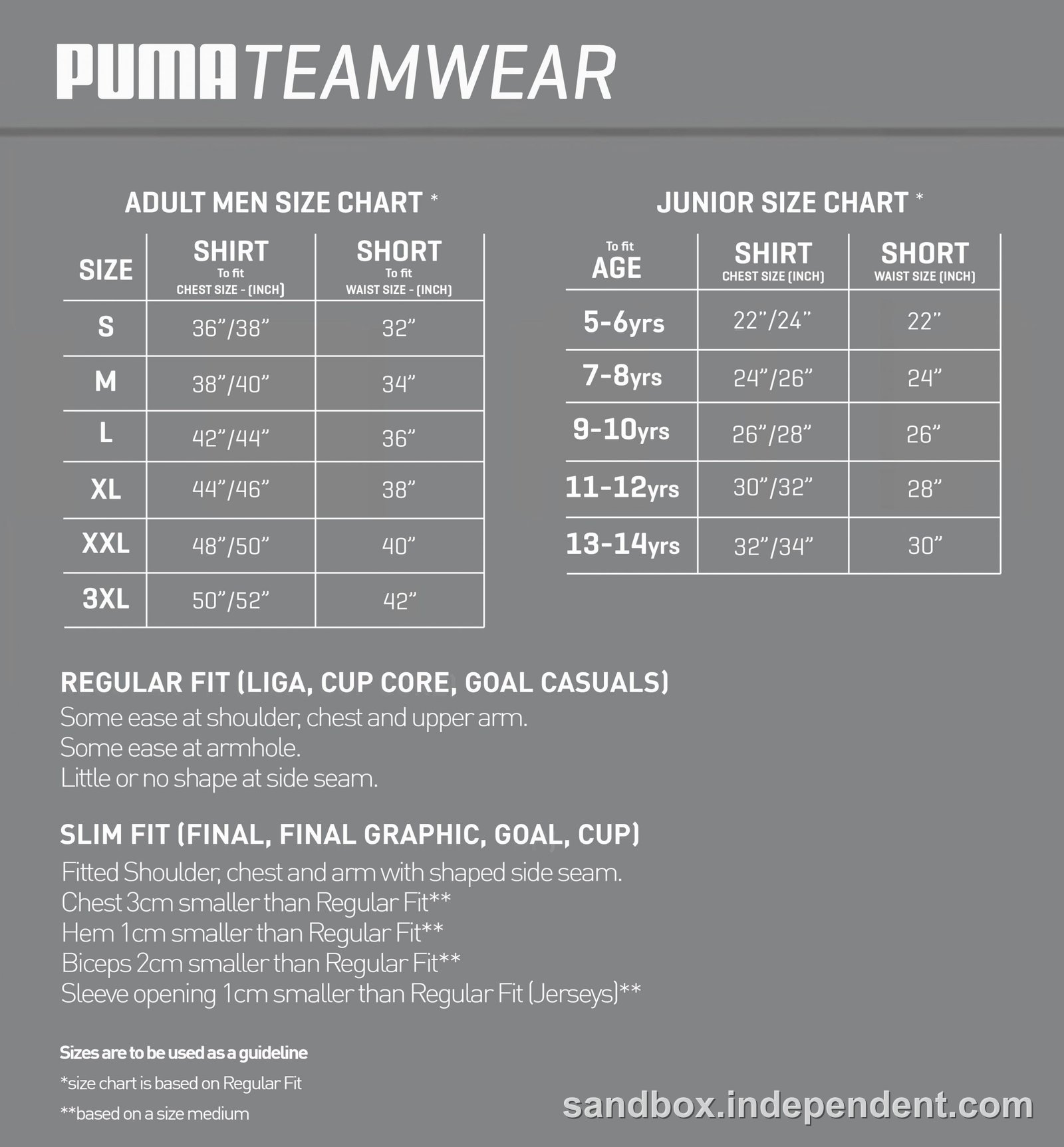
You're here because you need a quick solution, right? Well, if you're looking for a bold and reliable way to find your perfect Levi's fit, the Levi size chart is your go-to tool. It's a simple yet effective guide, offering a visual representation of sizes and measurements, making it easy to navigate. With just a glance, you can ensure you're getting the right size, whether it's for yourself or a gift. This chart is a handy reference, especially when you're in a rush and need a quick sizing solution.
Understanding the Levi Size Chart
The levi size chart is your go-to guide for finding the perfect fit in Levi's jeans and clothing. It's a simple tool to ensure you get the right size, whether you're shopping online or in-store. This chart provides measurements and size categories to help you choose the best fit for your body.
Standard Sizing Options
Levi's size chart follows a standard sizing system, typically based on waist size and inseam length. This means you'll find consistent sizing across their products, making it easier to find your fit. The chart usually includes categories like waist size (in inches or centimeters), inseam length, and sometimes additional measurements like hip and thigh circumference.
How to Use the Levi Size Chart: A Step-by-Step Guide
- Identify your waist size. This is the most critical measurement for jeans. Measure your waist at the point where you usually wear your pants, keeping the tape measure snug but not tight.
- Determine your inseam length. This is the distance from your crotch to the hem of your pants. You can measure this while wearing well-fitting pants or by standing against a wall and measuring the distance from your crotch to the floor.
- Refer to the levi size chart. Find your waist size and inseam length on the chart. The chart will provide you with the corresponding size, typically in numerical or alphabetical categories.
- Consider other measurements. If the chart offers additional measurements like hip or thigh circumference, you can use these to ensure an even better fit.
Common Misreadings and How to Avoid Them
One common mistake is assuming all brands use the same sizing standards. While Levi's size chart is consistent within their brand, sizes may vary across different brands and styles. Always double-check the specific size guide for the item you're interested in. Additionally, be mindful of the units used. Some charts may use inches, while others use centimeters. Ensure you're comparing like with like.
Factors Affecting Size Variations
Several factors can influence the accuracy of your size determination. First, body shape varies, and the chart provides a general guide. Second, the fit you prefer (e.g., slim, regular, or relaxed) can affect the size you choose. Lastly, the fabric and stretchiness of the material can impact the fit, so consider the fabric type when using the chart. Remember, the levi size chart is a helpful tool, but it's always a good idea to try on clothing to ensure the perfect fit.
Hey there! We hope you found this guide on the Levi size chart helpful and that it's made your sizing quest a little easier. Remember, when it comes to size charts, exact details can differ slightly, so always double-check the source and standard you're using.
We've got a bunch of other guides on various topics, so feel free to explore and discover more practical tips and tricks. Happy reading, and we hope to see you around!
Related: What is a lexile score chart?
A lexile score chart is a handy tool that simplifies the process of understanding reading levels and text complexity. This guide will provide you with a straightforward overview, ensuring you can navigate and utilize these charts effectively.
The chart acts as a visual guide, offering a quick reference for determining the difficulty of books and texts. While the specific values and formats may vary depending on the context and region, the core purpose remains the same: to provide a lexile measure, helping readers find suitable materials and track their reading progress.
Understanding Lexile Scores: A Quick Overview
The lexile score chart is a valuable tool for educators, parents, and readers to understand and match reading abilities with appropriate text complexity. It provides a simple, standardized way to measure and communicate reading levels, making it easier to select books that are neither too easy nor too challenging.
Comparing Lexile Levels and Text Complexity
The chart presents a range of lexile measures, typically from beginner levels like 0L to advanced levels exceeding 1700L. These scores indicate the text's complexity, considering factors like sentence length, word frequency, and syntax. Higher lexile scores mean more challenging texts, suitable for advanced readers.
Selecting Appropriate Texts: A Step-by-Step Guide
- Identify the reader's current lexile level. This can be done through standardized tests or by assessing their reading abilities.
- Use the lexile score chart to find the corresponding lexile range. For instance, a reader with a lexile level of 800L would fall within the range of 750L to 900L.
- Select books or materials within this range. You can use online lexile finders or check the lexile level on the book's cover or inside flap.
- Adjust as needed. If the reader finds the text too easy or too hard, consider books at the higher or lower end of the range.
Common Misconceptions and How to Avoid Them
One pitfall is assuming that higher lexile levels always indicate better reading ability. While it's true that more advanced readers will have higher lexile scores, it's essential to remember that reading ability is not solely determined by lexile level. Other factors, like reading speed, comprehension, and personal interest, also play a role.
Factors Affecting Accuracy and Real-World Use
Several variables can impact the accuracy of lexile scores and their real-world application. These include the reader's age, prior knowledge of the subject, and personal reading goals. For instance, a young reader with a high lexile level might still prefer easier books for recreational reading. Additionally, the lexile framework may not capture the complexity of certain genres or formats, like poetry or graphic novels. It's crucial to consider these factors when using the lexile score chart to ensure a well-rounded and enjoyable reading experience.
Well, there you have it! A handy lexile score chart can be a powerful tool, but it's essential to remember that these scores are just a guide. Each person's reading journey is unique, so ensure you tailor your approach to suit your goals and interests.
Before you go, take a moment to ensure you've considered your specific needs. These charts provide a great starting point, but the exact values may differ slightly depending on the source. Bookmark this page for a quick reminder, and you'll always have a helpful reference at your fingertips!