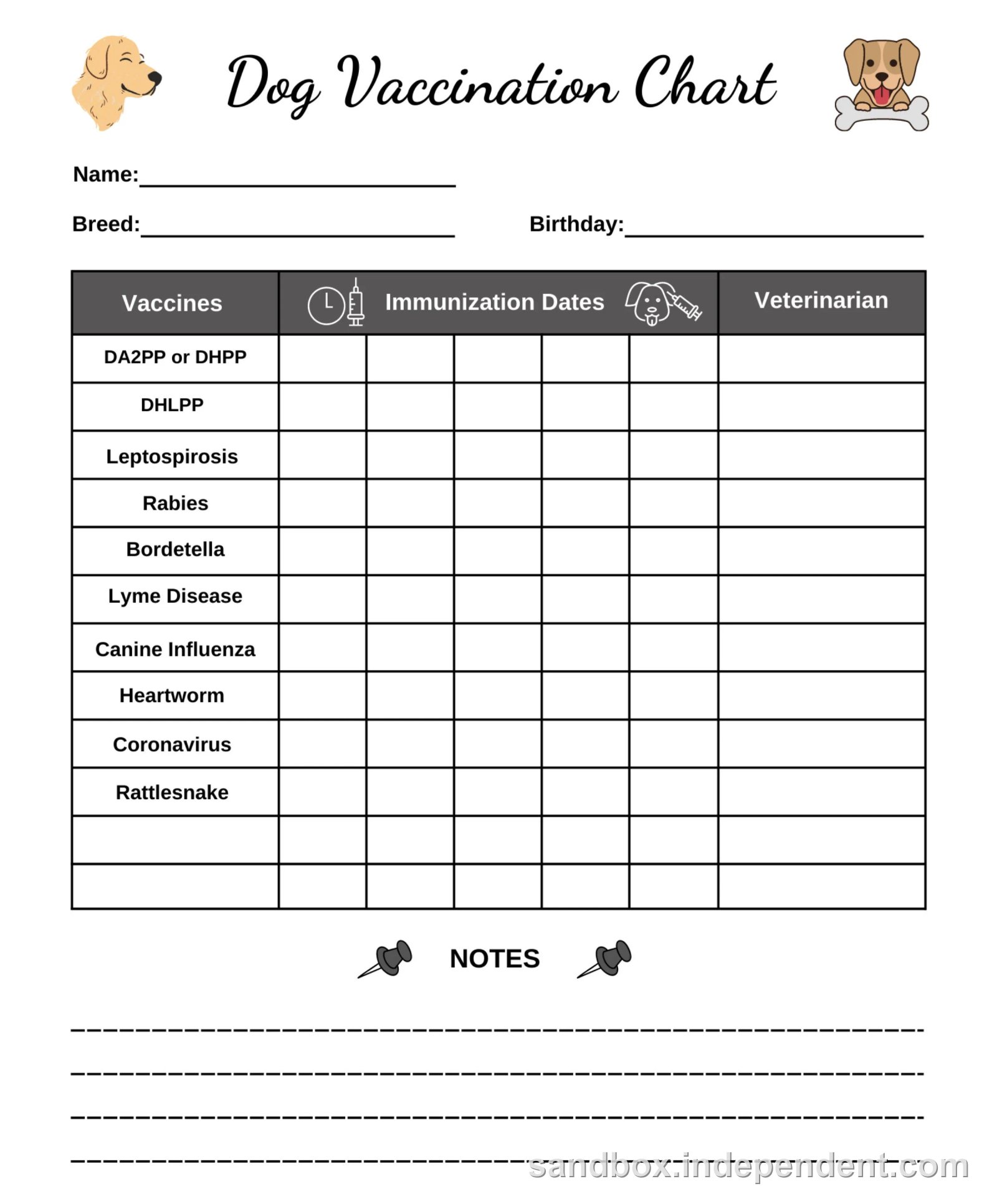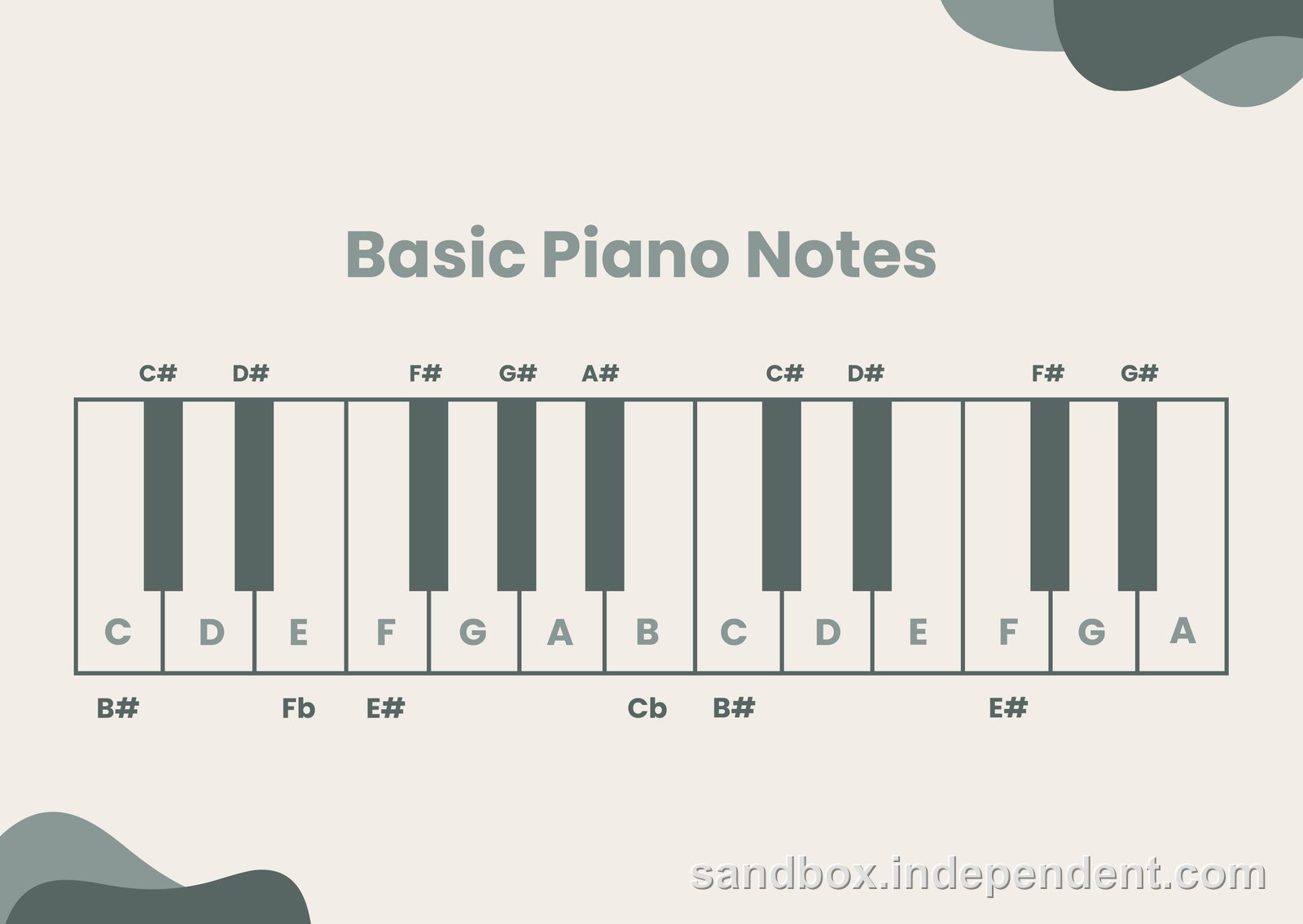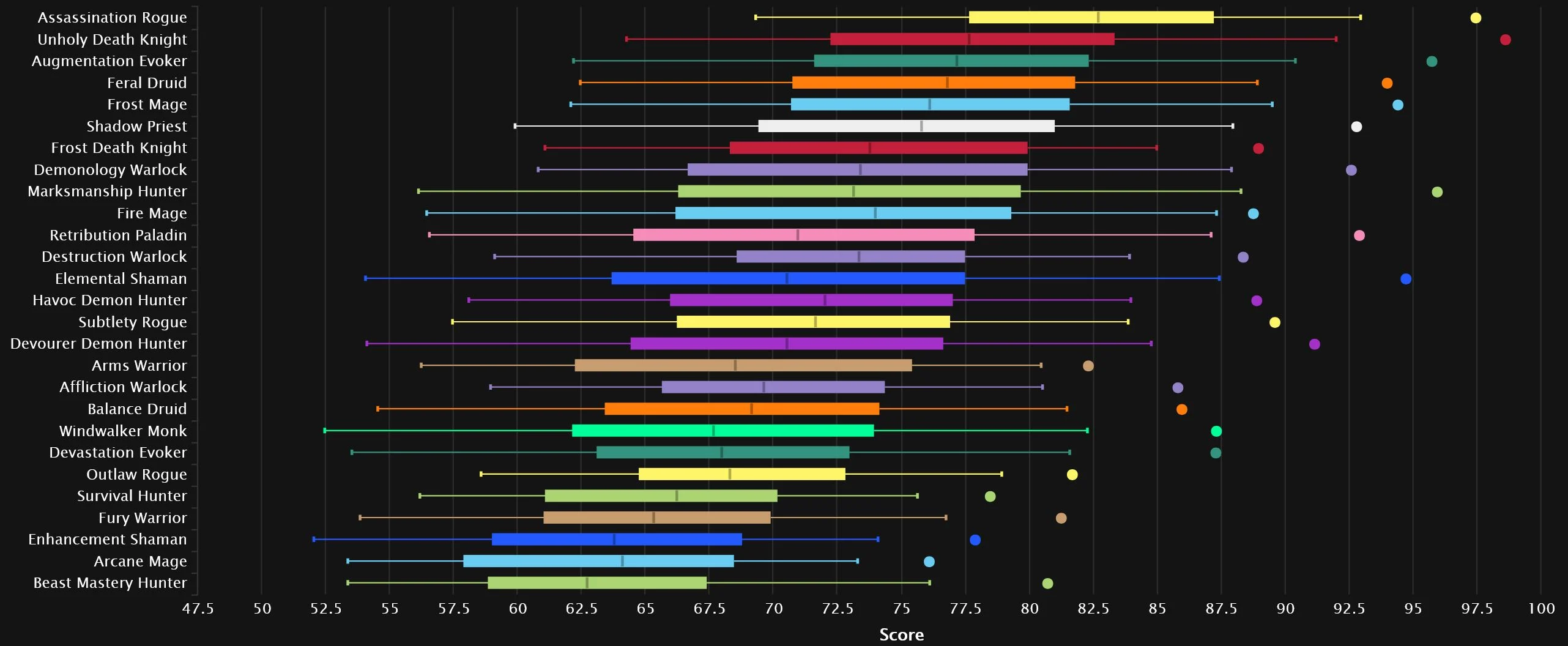



Box Chart Maker Free Printable Overview
You're probably here because you need a quick reference or a simple explanation of the color temp chart. It's a handy tool, often presented as a visual guide, that helps us understand and work with color temperature. This chart, with its color temperature scale, is a valuable resource for anyone dealing with lighting or color-related tasks. The color temp chart provides a clear way to read and interpret color temperatures, which can vary depending on the context and the specific kelvin scale used.
Understanding Color Temperature: A Quick Overview
The color temp chart, also known as the correlated color temperature (CCT) scale, is a valuable tool to understand and visualize the color temperature of light sources. It provides a reference for the warmth or coolness of light, measured in Kelvin (K). This chart is an essential guide for various applications, especially in photography and lighting design.
Comparing Color Temperature Standards and Categories
The color temp chart typically uses the Kelvin scale, which ranges from around 1,000K to 10,000K. Different light sources fall into specific categories based on their CCT values. For instance, warm light, often associated with candles or sunsets, has a lower CCT (around 1,500K to 3,000K), while cool, bluish light, like that of an overcast sky, has a higher CCT (6,000K to 10,000K). Common CCT values for various light sources include:
- Candlelight: 1,500K to 2,000K
- Incandescent Bulbs: 2,700K to 3,000K
- Daylight (Midday Sun): 5,000K to 6,500K
- Overcast Sky: 6,500K to 8,000K
- Blue Skies: 9,000K to 10,000K
Practical Applications: Step-by-Step Guide
To utilize the color temp chart effectively:
- Identify the light source you want to match or adjust.
- Refer to the CCT values on the chart to understand its color temperature.
- For photography, set your camera's white balance to match the CCT for accurate colors.
- In lighting design, choose light bulbs with the desired CCT to create the right ambiance.
- Remember, different lighting conditions may require fine-tuning; trust your eyes and adjust as needed.
Avoiding Misreadings and Common Pitfalls
While the color temp chart is a valuable tool, it's essential to be aware of potential variations. Different light sources with the same CCT value may appear slightly different due to other factors like tint or saturation. Additionally, some light sources, like LED bulbs, can have a wider color spectrum, making their CCT value less indicative of their true color. Always consider the context and intended use when relying on the CCT scale.
Factors Affecting Accuracy and Real-World Use
Several factors can influence the accuracy of the color temp chart and its real-world applications:
- Lighting Environment: The surrounding lighting conditions can affect how a specific light source appears.
- Display Calibration: For photographers and designers, calibrating your display's white balance is crucial to ensure accurate color representation.
- Personal Perception: Our eyes perceive colors differently, and individual preferences can influence how we interpret light color temperature.
- Lighting Technology: Different lighting technologies, such as incandescent, fluorescent, or LED, can produce varying color temperatures despite having the same CCT value.
Always consider these factors when using the color temp chart to ensure accurate and effective results in your specific application.
While the specifics may differ slightly across various contexts, the fundamental principles of color temperature charts remain consistent. These charts serve as a valuable tool for anyone seeking precision and consistency in their color-related endeavors.
Feel free to explore our other guides and resources to deepen your understanding of color theory and its practical applications. We've got a range of topics covered, so there's something for everyone!
Related: Find Your Perfect Quilt Size with This Easy Chart
A quilt size chart is a handy tool for quilters and crafters, offering a quick guide to standard quilt dimensions. This simple reference ensures your projects turn out perfectly sized, every time.
The chart covers a range of common quilt sizes, from crib quilts to king-size creations. It's a useful resource, especially when you're working with different quilt patterns and want consistent results. Keep in mind that quilt sizes can vary slightly between regions and standards, so it's a good idea to check the chart's source for any specific details.
Quilt Size Chart: A Guide to Standard Sizes
Quilt size charts are a handy tool for quilters and crafters, providing a quick reference for the standard dimensions of quilts. These charts offer a practical guide to ensure your quilts fit the intended purpose, whether it's a cozy bed cover or a baby crib quilt. Let's dive into understanding this chart and how to use it effectively.
Key Details and Units
The quilt size chart typically includes a range of common quilt sizes, from crib quilts to king-size bed quilts. It provides the length and width measurements in inches, which are standard units for quilt sizes. Some charts may also include metric measurements for international use. The chart categories often cover crib, twin, full, queen, and king sizes, along with their respective dimensions.
Reading the Chart: A Step-by-Step Guide
Using the quilt size chart is straightforward. First, identify the purpose of your quilt. Are you making a baby quilt, a bed cover, or a unique size for a specific project? Once you know the intended use, locate the corresponding category on the chart. For instance, if you're making a queen-size bed quilt, find the "Queen" category. The chart will provide the recommended length and width measurements for that size. Simply follow these dimensions when cutting and assembling your quilt top, backing, and batting.
Variations and Differences
While the quilt size chart offers standard measurements, variations can occur due to different standards and contexts. For example, some regions may use metric measurements, leading to slight differences in dimensions. Additionally, quilt sizes can vary based on the intended use. A crib quilt for a baby might have different dimensions compared to a decorative wall hanging quilt. It's essential to consider the purpose and any specific requirements when using the chart.
Common Mistakes and How to Avoid Them
One common mistake is assuming that all quilts must adhere strictly to the chart's measurements. Remember, the quilt size chart provides guidelines, but your personal preferences and the project's needs may vary. Another mistake is overlooking the intended use. Always consider whether you're making a bed quilt, a throw, or a unique size for a specific purpose. Misinterpreting the chart's categories can also lead to errors. Ensure you understand the difference between crib, twin, and other sizes before selecting your measurements.
Practical Tips for Accurate Sizing
To ensure accurate sizing, double-check the specific requirements for your project. If you're making a quilt for a bed, measure the bed's dimensions and consider the desired overhang. For unique projects, measure the intended space and adjust the quilt size accordingly. It's also beneficial to have a basic understanding of fabric widths and yardage requirements. This knowledge will help you calculate the fabric needed for your quilt size accurately. Lastly, consider the quilt's purpose and any personal preferences for thickness or design elements that might impact the overall size.
By following these practical tips and understanding the quilt size chart, you'll be well-equipped to create quilts that fit perfectly for their intended use. Happy quilting!
Hey there, quilter! Now that we've covered the ins and outs of quilt sizes, remember that these details can shift a bit depending on your specific project and the resources you're using. So, keep an eye out for any variations and adapt as needed.
If you're new to quilting or just want a handy reference guide, be sure to bookmark this page for future use. It's a great way to ensure your quilts turn out perfectly sized every time!
Related: Understanding DPS Charts in World of Warcraft
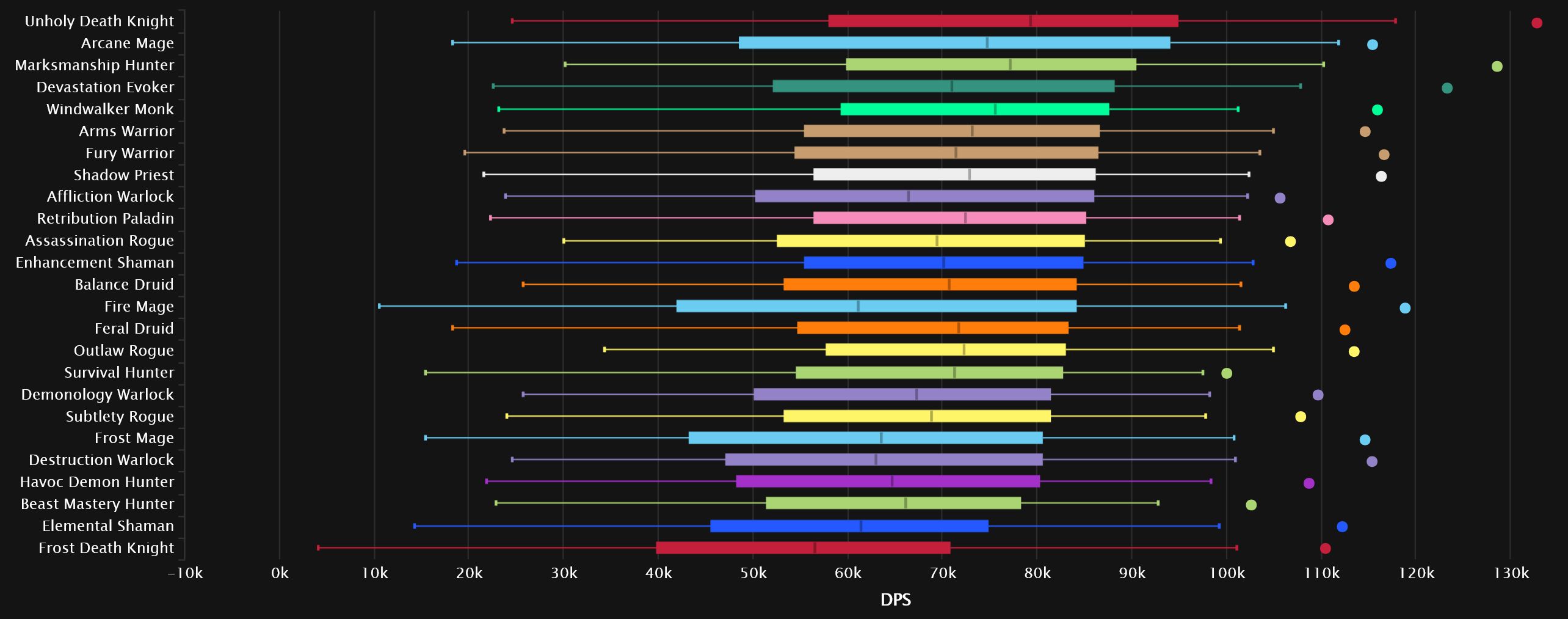
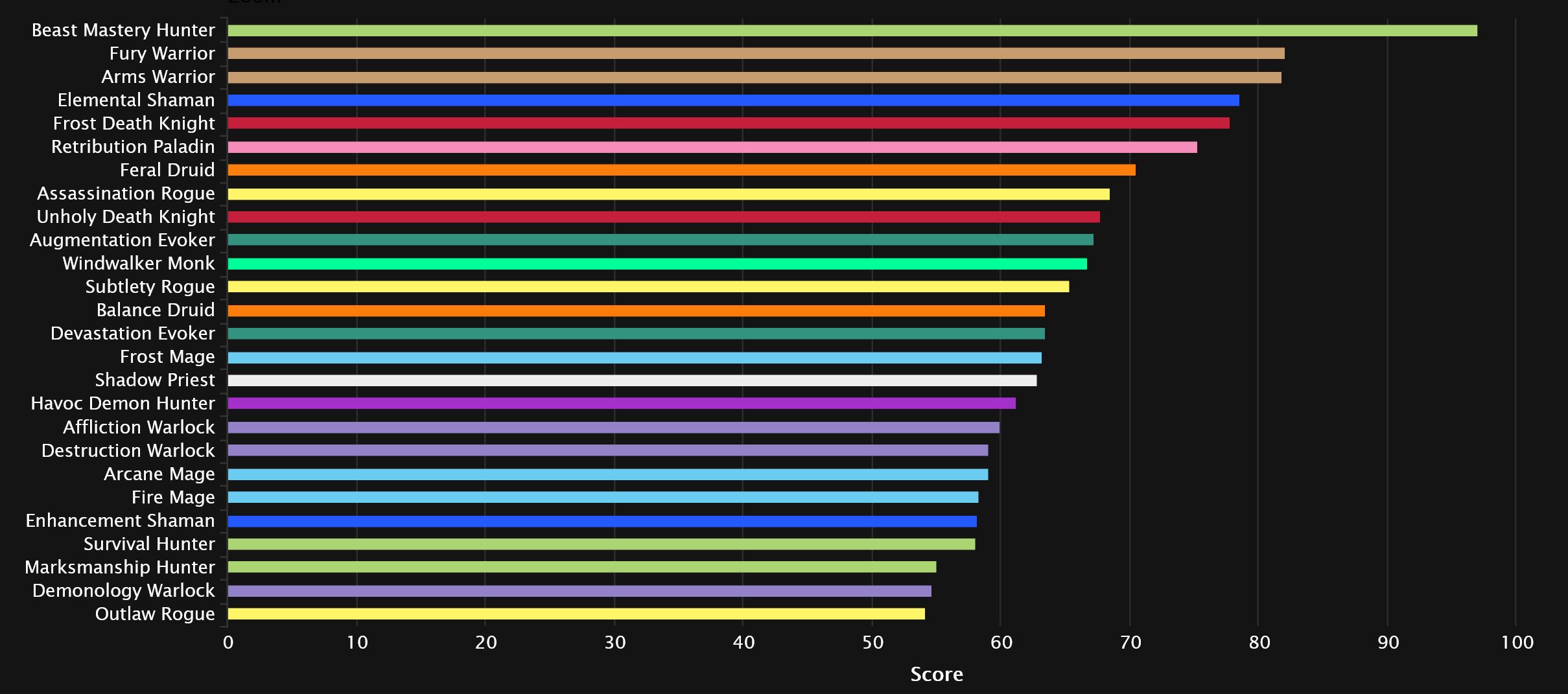
"Dps charts wow" is a handy tool for any World of Warcraft player looking to maximize their damage output. This guide will break down the ins and outs of these charts, helping you understand their purpose and how to utilize them effectively. From dps charts wow to dps meters wow, we'll cover it all, ensuring you have the knowledge to make informed decisions about your character's performance.
Understanding DPS Charts in World of Warcraft
DPS charts in World of Warcraft are a visual representation of a player's damage output. These charts provide a snapshot of a player's performance and can be a valuable tool for analyzing and improving their gameplay.
Key Details and Metrics
The DPS chart typically displays two main categories: damage dealt and damage per second (DPS). The damage dealt category shows the total damage a player inflicts on enemies, while the DPS category focuses on the average damage output over time. These values are usually measured in game-specific units, such as damage per hit or per spell cast.
Interpreting the Data: A Step-by-Step Guide
To read a DPS chart accurately, follow these steps:
Start by identifying the player's name or character on the chart. This ensures you are analyzing the correct data.
Locate the damage dealt column. This value represents the cumulative damage inflicted during the encounter. Compare it to other players' damage to gauge your performance.
Move on to the DPS column. Here, you'll find the average damage output per second. This metric is crucial for understanding your sustained damage over time. Compare your DPS to the group's average to assess your contribution.
Some charts may also provide additional details, such as damage taken or healing done. These metrics offer a more holistic view of your performance and can be valuable for specific roles or strategies.
Variations and Differences
It's important to note that DPS charts can vary depending on the encounter, raid composition, and strategy employed. Different boss fights and game modes may require unique approaches, affecting the damage output and thus the DPS values. Additionally, the gear and talents chosen by players can significantly impact their performance, leading to variations in DPS charts.
Common Mistakes and How to Avoid Them
When interpreting DPS charts, avoid these common pitfalls:
Misinterpreting the data: Ensure you understand the units and categories used in the chart. Misreading the damage dealt as DPS or vice versa can lead to incorrect conclusions.
Comparing apples to oranges: Be mindful of the context. Comparing your DPS to a player with a different class, spec, or gear level may not provide an accurate assessment. Focus on relative performance within your group.
Overlooking other factors: Remember that DPS is just one aspect of gameplay. Consider other contributions, such as crowd control, utility, and survival skills, which are equally important in a raid or dungeon setting.
Practical Tips for Accurate Results
To make the most of DPS charts wow, consider these best practices:
Consistency is key: Focus on maintaining a steady DPS throughout the encounter. Avoid burst damage followed by periods of low output, as it can impact your overall performance.
Optimize your rotation: Study your class's optimal rotation and ensure you are executing it effectively. Practice and refine your skills to maximize your damage output.
Gear and talent choices: Pay attention to your gear and talent selections. Ensure they align with your class's DPS specialization and consider the encounter's specific mechanics.
Learn from others: Compare your performance to top players or guilds. Analyze their strategies and techniques to identify areas for improvement.
By understanding and utilizing DPS charts wow, you can gain valuable insights into your gameplay, identify areas for growth, and contribute more effectively to your group's success in World of Warcraft.
Hey there, fellow Wow players! I hope this guide has given you a solid understanding of DPS charts and their practical uses. Remember, while the basics remain the same, exact details might shift a little depending on your specific context or the standards you're working with.
So, keep this page bookmarked for future reference, and feel free to explore our other guides for more helpful tips and tricks. Happy charting, and may your DPS always be through the roof!