


Brown Bear Coloring Page Overview
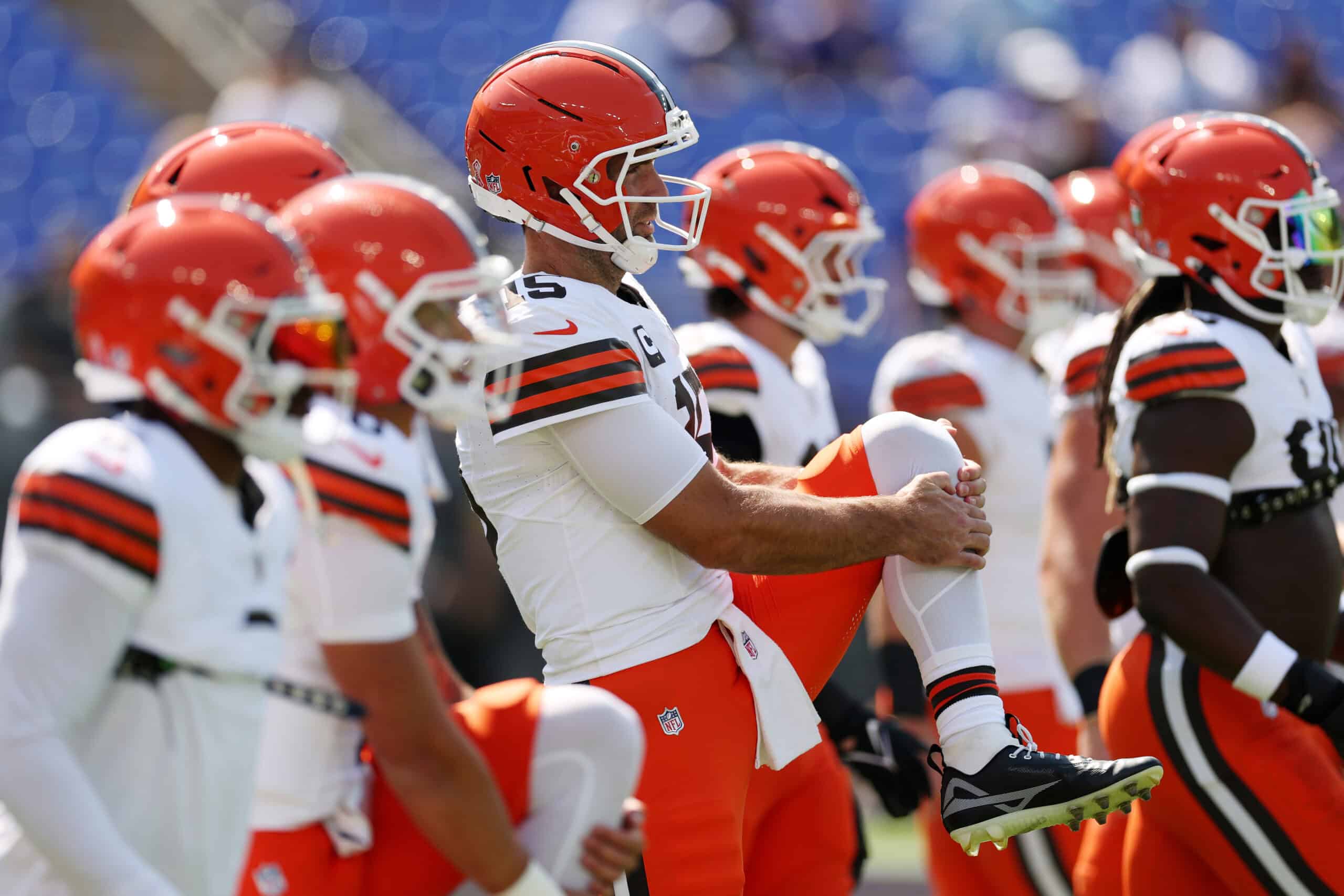
A browns depth chart is a valuable tool for any football enthusiast, offering a concise overview of the Cleveland Browns' team structure. This guide aims to demystify the chart, ensuring you can quickly grasp its purpose and navigate its contents with ease.
The depth chart is a snapshot of the team's player positions, providing a clear hierarchy and an understanding of the Browns' roster. While formats may vary slightly, the core purpose remains the same: to offer a practical reference for fans and analysts alike.
Understanding the Browns Depth Chart: An Overview
The Cleveland Browns depth chart is a valuable tool for fans and analysts, offering a comprehensive view of the team's player positions and their hierarchy. This chart provides an organized representation of the roster, showcasing the depth and talent within each position group. By understanding the depth chart, you can gain insights into the team's strategy, potential starting lineups, and backup options.
Comparing Standard Player Positions and Categories
The depth chart categorizes players based on their primary positions. These positions are typically divided into offense, defense, and special teams. Within each category, you'll find specific roles such as quarterback (QB), running back (RB), wide receiver (WR), defensive end (DE), linebacker (LB), and more. Each position has its own depth chart, indicating the players' rankings and roles within the team.
Reading the Depth Chart: A Step-by-Step Guide
Start by identifying the position group you're interested in. Look for the relevant category on the depth chart, which often uses clear headings or color-coding for easy navigation.
Within each position group, players are typically listed in a hierarchical order. The top player(s) are considered the starters, followed by backups, and so on. Pay attention to the arrangement, as it indicates the team's preferred lineup and depth.
Alongside each player's name, you may find additional information such as their jersey number, height, weight, and sometimes even key statistics. These details provide context and help you recognize individual players and their attributes.
Some depth charts include notes or symbols to indicate injuries, suspensions, or other relevant factors. These indicators can give you a quick glimpse into the team's current situation and potential challenges.
Common Misreadings and How to Avoid Them
One common misconception is assuming that the depth chart represents a rigid, unchanging lineup. In reality, it's a dynamic tool that reflects the team's current status and can change rapidly due to injuries, trades, or performance. Always consider the chart as a snapshot of the team's situation at a specific moment.
Another pitfall is overinterpreting the depth chart's rankings. While it provides a hierarchy, it doesn't always indicate a player's actual performance or potential. The depth chart is a tool for organizing the roster, and players' rankings can change based on various factors, including coaching decisions and individual progress.
Factors Affecting Accuracy and Real-World Use
The accuracy of the Browns depth chart, like any other team's chart, depends on several factors. Firstly, it reflects the team's official roster, which can change frequently during the season due to injuries, trades, or player performance. Thus, it's essential to refer to the most recent depth chart to ensure you have accurate information.
Additionally, the depth chart may not account for all variables. For instance, it might not reflect a player's versatility or ability to play multiple positions. Some players can be listed as backups at one position but may see significant playing time at another, especially in injury-prone positions.
Choosing the Right Format for Specific Needs
The standard depth chart format provides a clear overview of the team's roster. However, for more detailed analysis, you might consider specialized charts or tools. These can include position-specific depth charts, which offer a deeper dive into each role, or statistical charts that provide additional insights based on player performance metrics.
If you're an analyst or fantasy football enthusiast, you might prefer customizable depth charts or spreadsheets that allow you to input and track your own data and projections. These tools can be tailored to your specific needs and preferences, providing a more personalized analysis experience.
Keeping Your Reference Reliable for Next Time
To ensure you have the most up-to-date and accurate information, it's essential to stay informed. Regularly check reliable sources, such as the team's official website or reputable sports media outlets, for the latest depth chart updates. These sources will provide the most current and official information, helping you make informed decisions and analyses.
Additionally, consider setting up notifications or alerts for depth chart changes. Many sports apps and websites offer this feature, allowing you to stay informed about roster moves and depth chart adjustments as they happen. By staying vigilant and proactive, you can ensure your reference materials remain reliable and relevant.
Every depth chart is unique, and while these guidelines offer a solid foundation, your specific context may require some adjustments. The beauty of depth charts is their adaptability, so feel free to tweak and personalize as needed.
Remember, this is a reference tool, so keep it handy for future use. Bookmark this page for a quick refresh whenever you need a reliable guide. It's always good to have these practical resources at your fingertips!
Related: Uncover the Perfect Beard Length Chart
A beard length chart is a handy tool for anyone wanting to navigate the world of facial hair with precision. This guide will provide an overview of these charts, explaining their purpose and how they can assist in achieving the desired beard style.
They offer a visual representation, often with measurements, to help individuals understand and communicate their preferred beard length. Whether you're aiming for a specific beard growth stage or seeking a particular style, these charts provide a reliable reference, ensuring you get the look you want.
Understanding Beard Length Charts
A beard length chart is a valuable tool for those looking to achieve and maintain their desired facial hair style. It provides a visual guide to help you understand and measure the length of your beard, offering a practical reference for trimming and styling.
Key Details and Categories
The chart typically displays different beard lengths, often categorized into stages or styles. These categories may include terms like "stubble," "medium," and "full beard," each representing a specific range of lengths. The units used are usually inches or centimeters, depending on the standard followed. It's essential to know your preferred unit of measurement to accurately interpret the chart.
Reading and Applying the Beard Length Chart
To use the beard length chart, follow these steps:
- Identify your current beard growth stage. Examine your facial hair and determine if it falls into the stubble, short, medium, or long category.
- Measure your beard length. Use a ruler or measuring tape to get an accurate reading. Ensure you measure from the same point on your face each time for consistency.
- Compare your measurement to the chart. Find the category that matches your beard length and refer to the corresponding style or stage.
- Trim and style accordingly. Use the chart as a guide to achieve the desired length and shape. Remember, it's a reference, so adjust as needed to suit your face shape and personal preference.
Variations and Differences
It's important to note that beard length charts may vary depending on the standard or source. Common styles and categories may differ slightly, and the exact measurements can vary between charts. Additionally, individual factors like face shape, hair texture, and personal preference can influence how you interpret and apply the chart. Here are some key factors to consider:
- Beard growth stages: Everyone's facial hair grows at a different rate, so your experience may vary from the chart's timeline.
- Facial hair length guide: Some charts provide more detailed guides, offering precise measurements for various lengths.
- Standard beard lengths: These can differ between regions and cultures, so be mindful of the standard being referenced.
- Beard style chart: This can offer a more comprehensive view of different styles and their associated lengths.
- Beard growth timeline: Remember that growth rates can vary, so use the timeline as a general guide.
When using a beard length chart, always refer to the specific standard or source to ensure accuracy. While charts provide a helpful framework, they may not cover every unique situation. Trust your judgment and adjust as needed to achieve your desired look.
While the chart provides a handy reference, it's important to remember that these measurements are not set in stone. Exact details may vary slightly depending on the context and the individual's unique facial features.
Feel free to bookmark this page for future use. We have many other practical guides and charts to explore, so be sure to check them out for more helpful tips and tricks!