



Browns Depth Chart Free Printable Overview
The Azazie size chart is a handy tool for anyone navigating the world of online clothing purchases, especially when it comes to formalwear. This guide aims to demystify the process, ensuring you understand how to use this chart effectively. Whether you're shopping for an Azazie dress or any other formal attire, having a clear grasp of size charts is essential. While size charts can vary slightly depending on the brand and region, the Azazie size chart is a reliable reference, offering a standardized approach to finding your perfect fit.
Understanding the Azazie Size Chart: A Quick Overview
The Azazie size chart is a valuable tool for anyone looking to order clothing, particularly dresses, from the Azazie brand. This chart provides a standardized guide to help you find your perfect fit, ensuring a comfortable and flattering silhouette. It is designed to simplify the sizing process and make online shopping a breeze.
Comparing Size Chart Standards and Formats
Size charts can vary depending on the brand and region. Azazie, being a popular bridal and formal wear brand, follows a specific sizing system. Their chart typically includes measurements for bust, waist, and hips, as well as dress length and sleeve options. It is essential to note that Azazie's size chart is based on standard US sizing, so if you are used to international sizing, you may need to refer to a size conversion chart to find your equivalent Azazie size.
Step-by-Step Guide to Using the Azazie Size Chart
Measuring yourself accurately is crucial when using any size chart. Here's a simple process to follow:
- Gather a flexible measuring tape and ensure it is calibrated to inches or centimeters, depending on the chart's units.
- Take your measurements: bust, waist, and hips. Stand upright and breathe normally while measuring.
- Compare your measurements to the Azazie size chart. Look for the size that aligns closest to your bust, waist, and hip measurements.
- Consider the dress style and any specific fit preferences you have. Azazie offers various silhouettes, so choose the size that best suits the style you desire.
- If your measurements fall between sizes, it's recommended to size up for a more comfortable fit, especially for formal wear.
- Take note of any additional measurements, such as dress length or sleeve length, and ensure they match your preferences.
Avoiding Common Misreadings and Pitfalls
It is easy to misinterpret size charts, especially if you are new to online shopping. Here are some tips to avoid common mistakes:
- Always double-check the units of measurement. Azazie's size chart may use inches, so ensure your tape measure is set to the correct unit.
- Be precise with your measurements. Take your time and measure multiple times to ensure accuracy.
- Understand that size charts provide a general guide. Your body shape and preferences may require some adjustments.
- If you are between sizes, opt for the larger size to avoid discomfort. You can always have alterations made to achieve the perfect fit.
- Don't forget to consider the fabric and stretchability of the garment. Some materials offer more give, so account for this when choosing your size.
Factors Affecting Accuracy and Real-World Use
Several factors can influence the accuracy of your size chart reading:
- Body shape: The size chart is a general guide, and everyone's body is unique. Consider your body shape and any areas you want to emphasize or accommodate.
- Fit preference: Do you prefer a snug fit or a more relaxed look? Adjust your size choice accordingly.
- Fabric and style: Different fabrics and dress styles can affect the fit. For instance, a structured dress may require a more precise size choice compared to a flowy, flexible fabric.
- Alterations: Keep in mind that most formal wear can be altered to achieve a perfect fit. Don't be afraid to choose a size that aligns with your measurements and make any necessary adjustments.
Choosing the Right Size Chart Format for Your Needs
Azazie offers various size charts to cater to different needs:
- Standard size chart: This is the primary chart, covering a range of sizes and providing measurements for bust, waist, hips, and dress length.
- Plus size chart: A dedicated chart for extended sizes, ensuring a comfortable fit for all body types.
- Bridal size chart: A specialized chart for bridal wear, taking into account the unique fit requirements of wedding dresses.
- Women's size guide: A comprehensive guide offering additional tips and advice for finding the perfect fit.
Keeping Your Reference Reliable for Future Use
To ensure a consistent and reliable sizing experience:
- Save your measurements in a safe place. This way, you can quickly refer to them when ordering from Azazie again.
- Take note of any adjustments or alterations you made to your previous purchases. This information will be valuable for future orders.
- Stay updated with Azazie's sizing guidelines. Brands may update their charts over time, so it's beneficial to check for any changes before placing an order.
- If you are unsure, reach out to Azazie's customer support. They can provide further guidance and ensure you make an informed choice.
Well, there you have it! We've covered a lot of ground on Azazie's size chart, and I hope this guide has provided you with the clarity and confidence to navigate it effectively.
Remember, while this chart is a fantastic tool, every individual is unique, and your specific measurements and preferences may vary. So, take a moment to ensure you've considered all the factors that apply to your situation before making any decisions. Bookmark this page for future reference, and you'll always have a handy reminder of the key steps and considerations. Happy measuring, and until next time!
Related: Uncover the Army Ribbons Chart: A Simple Guide
An army ribbons chart is a handy tool for anyone wanting to quickly identify and understand military awards and decorations. This guide will give you a simple breakdown of what these charts are and how they work, covering the basics you need to know.
These charts, often referred to as an army awards chart or military ribbon rack, provide a visual representation of the various service ribbons and medals. While the specific values and formats may vary, they offer a clear and concise way to display and organize these awards, ensuring an accurate and efficient reference.
Understanding Army Ribbons Chart
An army ribbons chart is a visual guide that displays the various awards and decorations earned by military personnel. It provides a clear and organized way to showcase an individual's achievements and honors. This chart is an essential tool for understanding and appreciating the recognition given to service members.
Key Details and Categories
The chart typically includes different types of ribbons, each representing a specific award or decoration. These ribbons are arranged in a specific order, known as the "award and decoration order." The order is crucial as it indicates the seniority and importance of each award. Common ribbon categories include service ribbons, campaign ribbons, and achievement medals. Each ribbon has its own unique design and color scheme, making it easy to identify.
Reading the Rack: A Step-by-Step Guide
When reading an army ribbons chart, pay attention to the placement and arrangement of the ribbons. The chart often follows a standard format, with ribbons displayed in rows or columns. Start by identifying the top row, which usually represents the highest-ranking awards. Work your way down, noting the different ribbons and their positions. Each ribbon's position indicates its order of precedence, with the most prestigious awards placed higher.
Variations and Differences
It's important to note that army ribbons charts can vary depending on the military branch and the specific standards followed. Different countries and regions may have their own unique award systems and ribbon designs. Additionally, within the same military branch, variations can occur due to changes in regulations or the introduction of new awards. Common factors that cause variations include the individual's service record, unit-specific awards, and the time period in which the awards were earned.
To ensure accuracy, it's recommended to refer to official sources and guidelines provided by the relevant military branch. These sources will provide detailed information on the correct placement and order of ribbons, ensuring an accurate and respectful display. Remember, the army awards chart is a dynamic representation of an individual's achievements, and understanding these variations is key to interpreting it correctly.
Well, there you have it! A handy chart to keep close by for all your army ribbon queries. Remember, these are general guidelines, and it's always wise to confirm the specifics for your particular situation.
Feel free to explore our other resources on similar topics. We've got a bunch of guides and references to help you navigate these details with ease. Happy learning!
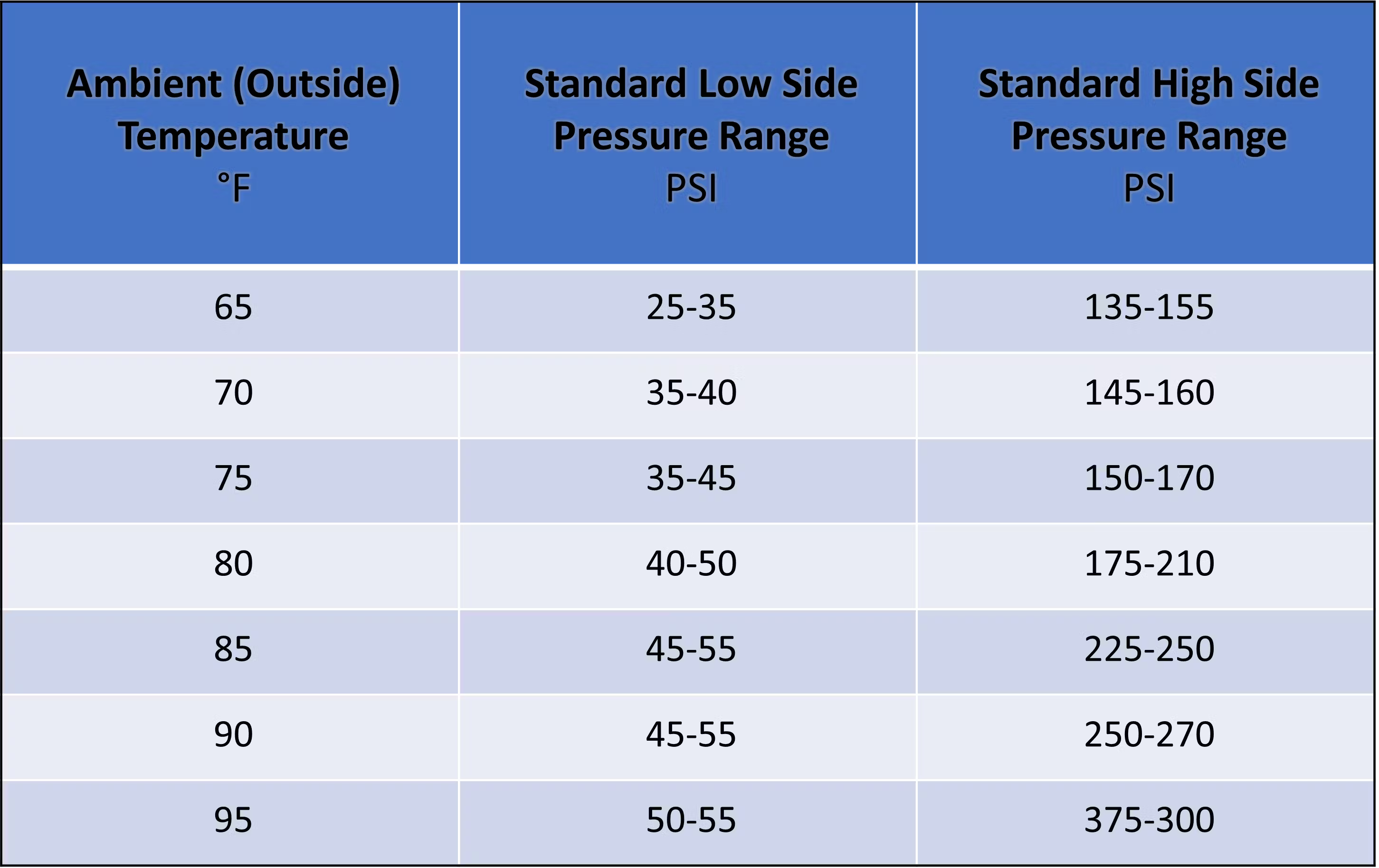
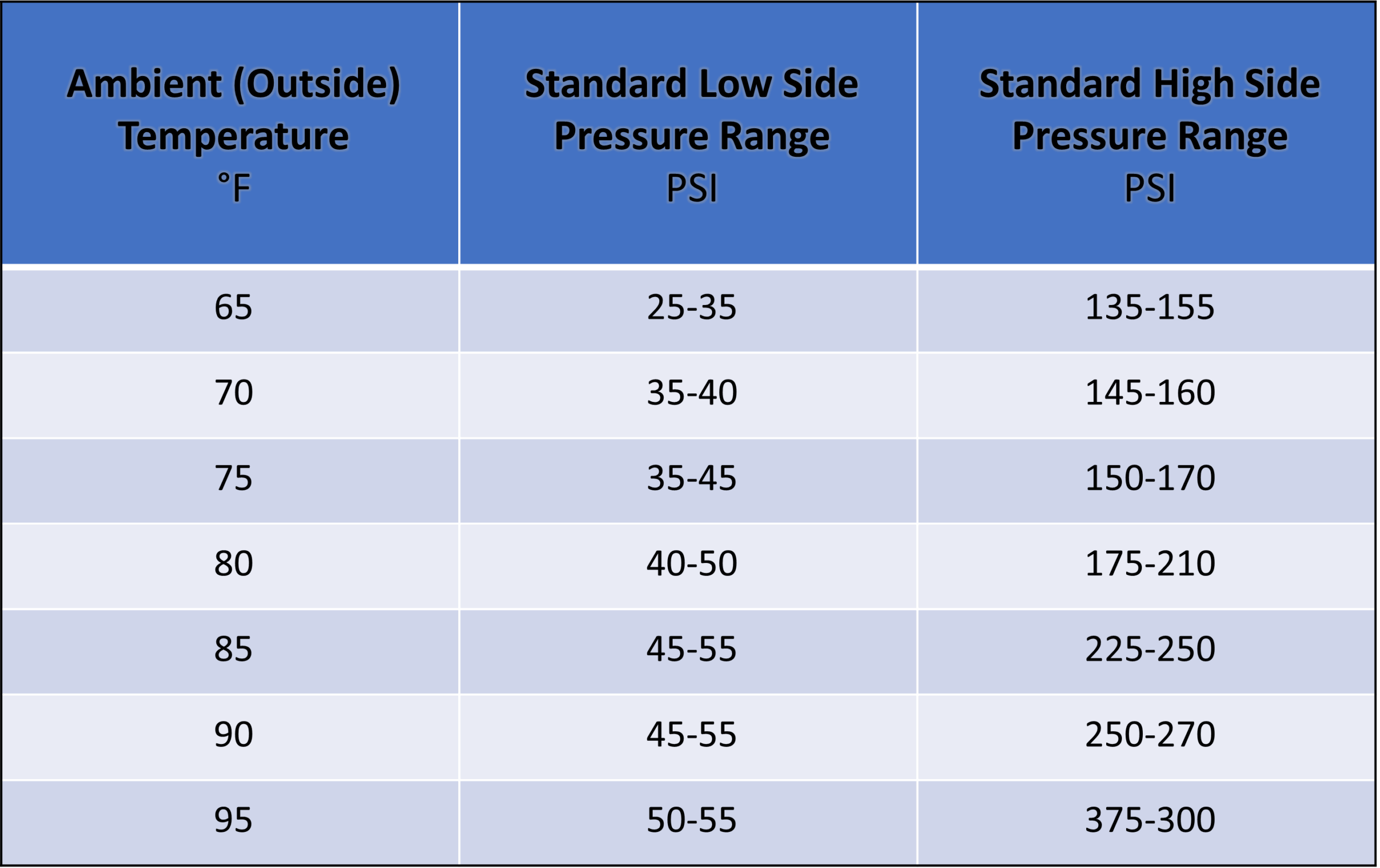
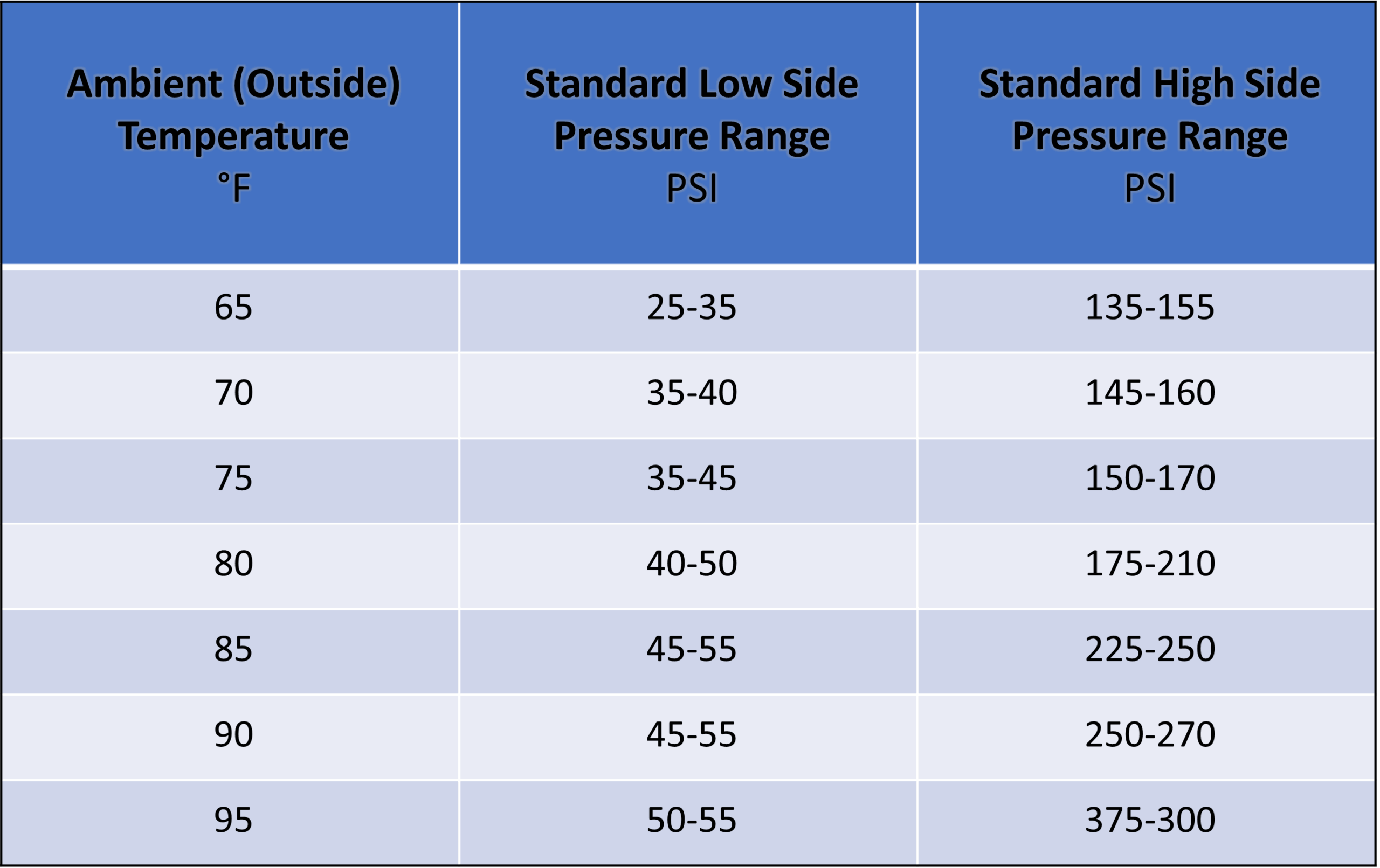
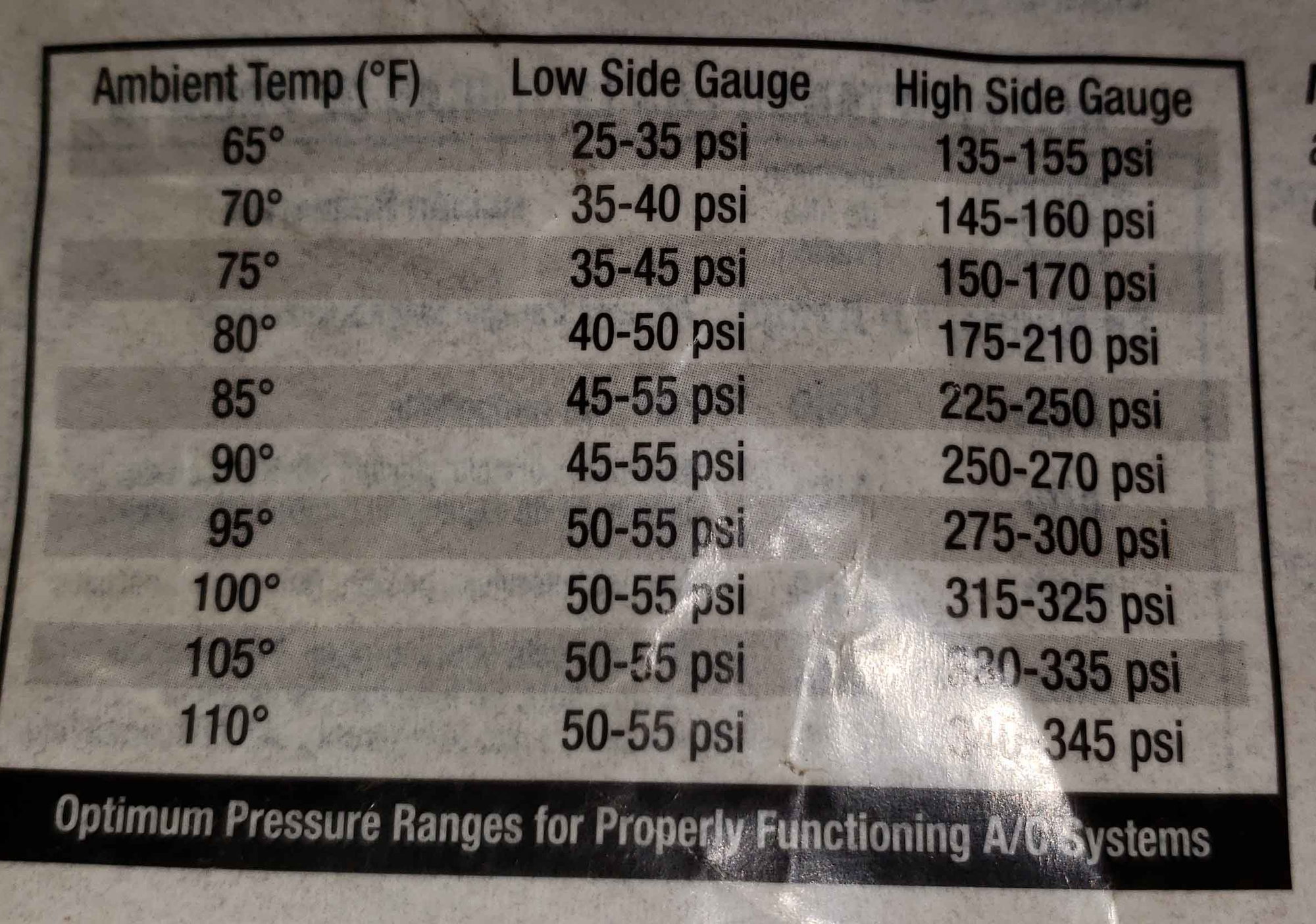
Related: What's the AC Pressure Chart All About?
Many folks new to AC pressure charts might assume they're complex and confusing, but they're actually a simple and handy tool. It's a common misconception that these charts are hard to interpret, when in fact, they provide a clear snapshot of your AC system's health.
The AC pressure chart is a visual guide, often in table format, that displays pressure readings and their corresponding temperatures. These charts can vary slightly, but they offer a quick way to identify any issues and ensure your AC is running smoothly.
Understanding AC Pressure Charts
An AC pressure chart is a handy tool for anyone working with air conditioning systems. It's a visual representation of the relationship between pressure and temperature, helping you understand the state of your AC system and make informed decisions. These charts are like a map, guiding you through the complex world of AC diagnostics and maintenance.
Key Details and Units
Before diving into the chart, let's cover some basics. The AC pressure chart typically displays pressure readings in two units: psi (pounds per square inch) and kPa (kilopascals). These units measure the force exerted by the refrigerant gas inside your AC system. The chart also shows temperature, often in degrees Fahrenheit or Celsius, which is crucial for understanding the refrigerant's state.
Reading and Applying the Chart: A Step-by-Step Guide
Start by identifying the type of refrigerant used in your AC system. Common refrigerants like R134a or R410A have specific pressure-temperature relationships, so knowing this is essential.
Find the corresponding AC pressure chart for your refrigerant. These charts are readily available online or in AC maintenance manuals.
Locate the pressure reading on the chart. Pressure is usually displayed on the y-axis, with higher values indicating greater pressure.
Next, identify the temperature reading. Temperature is typically on the x-axis, with higher temperatures to the right.
Now, simply trace a line from your pressure reading to the temperature reading. The point where these lines intersect gives you the refrigerant's state.
Interpret the chart reading. If the point falls within the normal operating range, your AC system is likely functioning correctly. However, if it's outside this range, it could indicate an issue.
Variations Across Standards and Contexts
It's important to note that AC pressure charts can vary depending on the standard being used. Different regions and manufacturers may have slight variations in pressure and temperature ranges. Always refer to the specific chart for your AC system to ensure accuracy. Additionally, environmental factors like altitude can affect pressure readings, so be mindful of these variables when interpreting the chart.
Common Mistakes and How to Avoid Them
One common mistake is using the wrong AC pressure chart for your refrigerant type. Always double-check the refrigerant and ensure you have the correct chart. Another pitfall is misinterpreting the chart readings. Remember, the chart provides a snapshot of the refrigerant's state, but it doesn't account for other factors like airflow or system efficiency. Always consider the bigger picture when troubleshooting.
Practical Tips for Accurate Results
When using an AC pressure chart, ensure your AC system is running under normal conditions. This means the system should be operating at full capacity with a steady airflow. Avoid taking readings during start-up or shutdown, as these transient states can provide misleading results. Additionally, ensure your pressure gauge is calibrated and accurate. Even a small error in pressure reading can lead to incorrect interpretations.
Double-Checking and Handling Edge Cases
While AC pressure charts are valuable, they are not foolproof. Always cross-reference your chart readings with other diagnostic tools and your AC system's performance. If you suspect an issue, consider using a pressure-temperature chart or consulting an AC professional. Remember, these charts provide a general guide, but real-world conditions can vary. Always err on the side of caution and seek expert advice when needed.
Remember, while this guide provides a solid foundation, it's always a good idea to check your specific needs and requirements. Exact values can vary, so double-check the standards and sources relevant to your project.
Take a moment to explore our other resources; we've got plenty of practical guides to keep you informed and inspired. Happy reading, and stay tuned for more!