






Bucks Depth Chart Blank Overview
A flange size chart is a handy tool for anyone working with pipes and fittings, offering a quick visual guide to ensure precision. This guide will provide an overview of what these charts entail and how they can assist in your projects.
The charts present flange dimensions and pipe flange sizes, often with nominal pipe size indications, to help you select the right components. While values may vary based on standards and regions, the flange size chart serves as a reliable starting point for your measurements and specifications.
Understanding the Flange Size Chart: An Overview
The flange size chart is a valuable reference tool for anyone working with pipes and their connections. It provides a quick and clear overview of the various flange dimensions, helping you select the right size and type for your specific needs. This chart is a crucial guide, ensuring accurate installations and avoiding potential issues.
Comparing Flange Size Standards and Formats
Flange size charts can vary depending on the standard being used. Two common standards are the ASME (American Society of Mechanical Engineers) and the international metric system. These standards define different categories and measurements for flanges. For instance, the ASME standard uses nominal pipe size and pressure rating to categorize flanges, while the metric system focuses on pipe diameter and bolt circle dimensions.
Reading Flange Sizes: A Step-by-Step Guide
- Identify the Standard: Begin by determining which standard your project follows. Whether it's ASME or metric, this choice will guide your chart selection.
- Locate the Flange Type: The chart typically lists common flange types, such as weld neck, slip-on, and threaded flanges. Find the one that matches your application.
- Read the Dimensions: For each flange type, the chart provides key dimensions. Look for the nominal pipe size or pipe diameter, as well as the flange pressure rating or bolt circle diameter. These values are essential for selecting the right flange.
- Check Tolerances: Some charts may also include tolerance ranges. These indicate the acceptable variations in dimensions, ensuring a proper fit.
Common Misreadings and How to Avoid Them
One common mistake is assuming that all flange size charts are universal. Always double-check the standard and ensure it aligns with your project's requirements. Additionally, pay close attention to the units used. Some charts may use inches, while others prefer millimeters, so conversions might be necessary.
Factors Affecting Accuracy and Real-World Use
Several factors can influence the accuracy of your flange selection. Firstly, the pressure rating of the flange must match the expected pressure in your system. Secondly, consider the material of the flange. Different materials have varying strength and corrosion resistance, so choose wisely. Lastly, ensure the bolt circle matches the bolt pattern on your equipment to avoid misalignments.
Adapting the Flange Size Chart for Specific Needs
If you have unique requirements, you might need to adapt the flange size chart. For instance, if you're working with large-diameter pipes, you may need to consult specialized charts or calculate dimensions manually. Similarly, if you're dealing with extreme pressure or temperature conditions, you might require custom-made flanges.
Keeping Your Reference Reliable for Future Projects
To ensure reliability, regularly update your flange size chart. Standards and regulations can evolve, so staying informed is crucial. Additionally, consider creating a digital or physical reference library, organizing charts by standard and application. This way, you'll have quick access to the right chart for any future project.
Well, there you have it, a comprehensive guide to flange size charts and their practical applications. We've covered a lot of ground, from understanding the different standards and formats to navigating potential pitfalls and ensuring accuracy.
Remember, when it comes to flange size charts, context is key. Double-check your specific requirements and ensure you're using the right chart for your needs. It's always a good idea to keep this guide handy, so bookmark this page for future reference. You never know when you'll need a quick reminder on flange sizes!
Related: Find Your Perfect Quilt Size with This Easy Chart
A quilt size chart is a handy tool for quilters and crafters, offering a quick guide to standard quilt dimensions. This simple reference ensures your projects turn out perfectly sized, every time.
The chart covers a range of common quilt sizes, from crib quilts to king-size creations. It's a useful resource, especially when you're working with different quilt patterns and want consistent results. Keep in mind that quilt sizes can vary slightly between regions and standards, so it's a good idea to check the chart's source for any specific details.
Quilt Size Chart: A Guide to Standard Sizes
Quilt size charts are a handy tool for quilters and crafters, providing a quick reference for the standard dimensions of quilts. These charts offer a practical guide to ensure your quilts fit the intended purpose, whether it's a cozy bed cover or a baby crib quilt. Let's dive into understanding this chart and how to use it effectively.
Key Details and Units
The quilt size chart typically includes a range of common quilt sizes, from crib quilts to king-size bed quilts. It provides the length and width measurements in inches, which are standard units for quilt sizes. Some charts may also include metric measurements for international use. The chart categories often cover crib, twin, full, queen, and king sizes, along with their respective dimensions.
Reading the Chart: A Step-by-Step Guide
Using the quilt size chart is straightforward. First, identify the purpose of your quilt. Are you making a baby quilt, a bed cover, or a unique size for a specific project? Once you know the intended use, locate the corresponding category on the chart. For instance, if you're making a queen-size bed quilt, find the "Queen" category. The chart will provide the recommended length and width measurements for that size. Simply follow these dimensions when cutting and assembling your quilt top, backing, and batting.
Variations and Differences
While the quilt size chart offers standard measurements, variations can occur due to different standards and contexts. For example, some regions may use metric measurements, leading to slight differences in dimensions. Additionally, quilt sizes can vary based on the intended use. A crib quilt for a baby might have different dimensions compared to a decorative wall hanging quilt. It's essential to consider the purpose and any specific requirements when using the chart.
Common Mistakes and How to Avoid Them
One common mistake is assuming that all quilts must adhere strictly to the chart's measurements. Remember, the quilt size chart provides guidelines, but your personal preferences and the project's needs may vary. Another mistake is overlooking the intended use. Always consider whether you're making a bed quilt, a throw, or a unique size for a specific purpose. Misinterpreting the chart's categories can also lead to errors. Ensure you understand the difference between crib, twin, and other sizes before selecting your measurements.
Practical Tips for Accurate Sizing
To ensure accurate sizing, double-check the specific requirements for your project. If you're making a quilt for a bed, measure the bed's dimensions and consider the desired overhang. For unique projects, measure the intended space and adjust the quilt size accordingly. It's also beneficial to have a basic understanding of fabric widths and yardage requirements. This knowledge will help you calculate the fabric needed for your quilt size accurately. Lastly, consider the quilt's purpose and any personal preferences for thickness or design elements that might impact the overall size.
By following these practical tips and understanding the quilt size chart, you'll be well-equipped to create quilts that fit perfectly for their intended use. Happy quilting!
Hey there, quilter! Now that we've covered the ins and outs of quilt sizes, remember that these details can shift a bit depending on your specific project and the resources you're using. So, keep an eye out for any variations and adapt as needed.
If you're new to quilting or just want a handy reference guide, be sure to bookmark this page for future use. It's a great way to ensure your quilts turn out perfectly sized every time!
Related: Understanding My OSF Chart: A Simple Guide
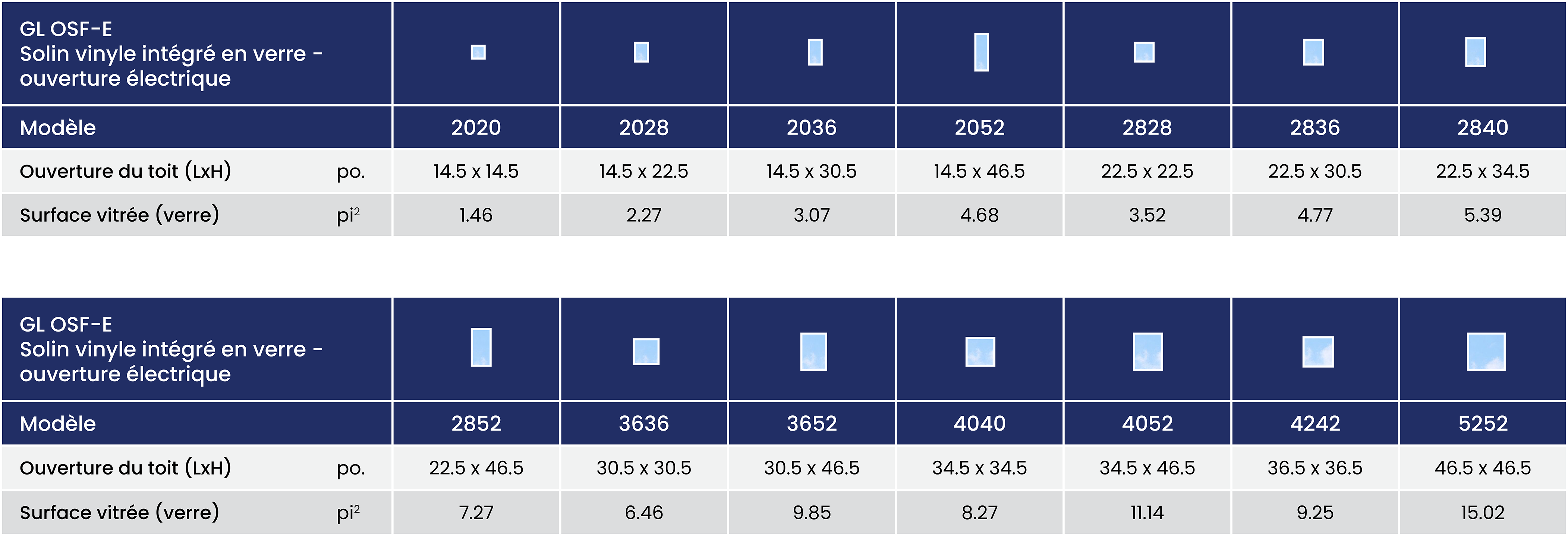
You're probably here because you need a quick answer, a reliable reference, or a simple guide to my OSF chart. It's a handy tool, a chart or scale, that offers a visual way to understand and work with OSF dimensions and conversions. This chart is a go-to for many, providing an easy-to-read reference, especially when you need accurate measurements.
Understanding the OSF Chart
The OSF (Overall Service Factor) chart is a valuable tool for understanding and applying a standardized measurement system. It provides a clear reference for various dimensions and factors, making it an essential guide for many industries and applications.
Key Details and Prerequisites
Before diving into the chart, it's important to know that the OSF scale is typically used for measuring and converting dimensions, especially when dealing with mechanical parts and equipment. The chart provides a simple way to convert between OSF values and standard measurements like inches or millimeters.
Step-by-Step Method for Using the OSF Chart
- Identify the OSF value you need to convert or work with. This value represents a specific dimension or factor related to the item you're dealing with.
- Locate the corresponding OSF value on the chart. The chart will usually have a clear legend or key to help you identify the correct value.
- Use the chart to find the equivalent measurement in inches or millimeters. The chart will provide a direct conversion, making it easy to understand the physical dimensions represented by the OSF value.
- Apply this measurement to your calculations or specifications. Whether you're designing a part, ordering equipment, or troubleshooting an issue, the OSF chart ensures you're working with accurate dimensions.
Variations and Potential Issues
While the OSF chart is a standardized tool, variations can occur due to different regional standards or specific industry requirements. For example, some regions may use the metric system, while others prefer imperial units. Additionally, certain industries might have unique tolerances or specifications that deviate from the standard OSF chart. It's crucial to double-check the exact standards and tolerances for your specific application to avoid any potential issues.
Practical Tips and Best Practices
To ensure accurate use of the OSF chart, always refer to the latest version provided by a reputable source. Outdated charts may not reflect the most recent industry standards. Additionally, be mindful of the units you're working with and ensure they align with the chart's measurements. If you're unsure, convert your measurements to the appropriate units before referencing the chart. Finally, when in doubt, consult with experts or refer to industry-specific guidelines to ensure you're applying the OSF chart correctly for your unique application.
Well, there you have it! A handy guide to your OSF chart, a simple yet powerful tool. Remember, while the basics remain the same, the exact details might shift a bit based on your specific needs and context.
Feel free to explore our other guides for more practical tips and tricks. And when you need a quick refresh, just bookmark this page for easy access!