




Bucks Depth Chart Easy Overview
A cursive abc chart is a valuable tool for anyone wishing to master the art of cursive handwriting. This guide will provide an overview of what these charts offer and how they can improve your penmanship.
The chart is a visual aid, offering a clear and concise reference for the cursive alphabet. It displays the letter formations and connections, allowing users to understand the flow and style of each letter. While there may be variations in certain styles or regional preferences, the cursive abc chart provides a solid foundation for learning and practicing this elegant writing style.
Understanding the Cursive ABC Chart
The cursive abc chart is a valuable tool for mastering cursive handwriting. It serves as a visual guide, providing a reference for the unique forms and connections of each letter in the cursive alphabet. This chart is an essential learning aid, especially for beginners, as it offers a clear overview of the basic strokes and letter formations.
Comparing Cursive Styles and Standards
Cursive writing, much like other writing styles, can vary based on regional standards and personal preferences. While the cursive abc chart typically follows a standard format, it's essential to note that there might be slight variations in letter shapes and connections. For instance, the cursive alphabet used in the United States might differ slightly from that used in the United Kingdom.
Step-by-Step Guide to Using the Chart
To make the most of your cursive abc chart, follow these steps:
- Begin by familiarizing yourself with the chart. Observe the unique shapes and connections of each letter.
- Practice forming the letters, paying attention to the starting and ending points of each stroke.
- Connect the letters to form words, focusing on the natural flow of cursive writing.
- Start with simple words and gradually increase the complexity as you gain confidence.
- Regular practice is key; allocate dedicated time for handwriting exercises.
Common Mistakes and How to Avoid Them
When learning cursive, it's common to encounter challenges. Some letters might be particularly tricky due to their intricate forms. To avoid mistakes, ensure you:
- Pay close attention to the direction and placement of each stroke.
- Practice slowly and deliberately, focusing on accuracy rather than speed.
- Seek guidance from a teacher or use online resources for additional support.
Factors Affecting Accuracy and Real-World Application
The accuracy of your cursive writing depends on various factors, including your handwriting style, practice consistency, and attention to detail. Additionally, the context in which you use cursive writing can influence its application. For instance, formal documents might require a different style or size than personal notes.
Adapting the Chart for Specific Needs
The cursive abc chart is versatile and can be adapted to suit different learning styles and goals. If you're a visual learner, consider using colored pens or markers to highlight specific letters or connections. For a more tactile approach, try tracing the letters with your finger or a stylus on a tablet. Additionally, you can create your own practice sheets based on the chart to focus on specific letters or word formations.
Hey there! I hope this guide has been a helpful resource for you. Remember, when it comes to cursive ABC charts, the specifics can differ slightly based on your unique circumstances.
Feel free to explore other guides on this topic, as well, to find the one that best suits your needs. And don't forget to bookmark this page for future reference; it's always handy to have a quick go-to resource for those moments when you need a refresher on cursive writing.
Related: What is the Igora Color Chart?
Many people struggle with understanding the Igora color chart and often make the mistake of overlooking its simplicity. It's not as complex as it may seem! The Igora color chart is a straightforward tool designed to guide you through the world of hair coloring. This handy reference offers a clear overview of hair dye shades and their corresponding numbers, making it easy to choose and mix colors.
Understanding the Igora Color Chart
The Igora color chart is your go-to guide for achieving perfect hair color results. It's a visual reference tool that displays a range of hair dye shades, offering a clear representation of what each color looks like when applied to hair. This chart is a hair stylist's best friend, providing a quick and easy way to choose and visualize colors.
Comparing Color Options: Standard Notation and Families
The Igora color chart follows a standard color notation system, typically using a combination of numbers and letters to represent different shades. For example, a shade might be labeled as "5.1" or "7N," where the number indicates the level of lightness or darkness, and the letter represents the tone or family of the color. This system ensures consistency and makes it easier to communicate and reproduce colors accurately.
Step-by-Step: Using the Igora Color Chart
To use the Igora color chart effectively, follow these simple steps:
Identify the desired color family or tone. The chart often groups similar colors together, making it easy to browse and compare shades within a specific family.
Look for the corresponding number or code. Each shade has a unique code, which is usually a combination of numbers and letters. This code provides essential information about the color's characteristics.
Assess the level of lightness or darkness. The number in the code indicates the level of lightness, with lower numbers representing darker shades and higher numbers indicating lighter ones. This helps you choose the right shade for your desired outcome.
Consider the tone or family. The letter in the code represents the tone or family of the color, such as natural (N), ash (A), or copper (C). This helps you achieve the desired warmth or coolness in the final result.
Refer to color swatches or models. Many charts include visual swatches or models to give a more accurate representation of how the color will look on hair. This step is crucial for ensuring you choose the right shade.
Avoiding Misreadings and Pitfalls
While the Igora color chart is straightforward, there are a few potential pitfalls to avoid:
Be mindful of lighting conditions. The appearance of colors can vary under different lighting, so it's essential to view the chart under similar lighting to the final application environment.
Understand color mixing. Some shades may require mixing, and the chart might not explicitly show the mixed result. In such cases, refer to a color mixing guide for accurate color combinations.
Consider hair type and condition. The final color result can vary depending on the hair's porosity, previous color treatments, and overall condition. Always conduct a strand test to ensure the desired outcome.
Factors Affecting Accuracy
Several key factors can influence the accuracy of the Igora color chart and the final hair color result:
Hair porosity: The ability of hair to absorb and retain color can vary, affecting the intensity and longevity of the chosen shade.
Previous color treatments: If the hair has been previously colored, the existing color and its condition can impact the final result.
Developer volume: The strength of the developer used can affect the lightness or darkness of the color. Always follow the recommended developer volume for the desired shade.
Processing time: The time the color mixture is left on the hair can impact the final result. Follow the recommended processing time for accurate results.
Adapting the Chart for Specific Needs
The Igora color chart is versatile and can be adapted to suit different needs and preferences. Here are a few ways to customize its use:
Choose the right format: Igora offers various chart formats, including digital versions and physical charts. Select the format that best suits your working style and environment.
Consider personal preferences: Some stylists prefer to work with a more extensive color palette, while others may focus on specific color families. Tailor your chart selection to your preferred color range.
Stay updated: Igora regularly updates its color charts to reflect new shades and trends. Ensure you have the latest version to access the most up-to-date color options.
By understanding the Igora color chart, following a simple step-by-step process, and considering key factors, you can achieve accurate and stunning hair color results.
Hey there, hope this guide has given you a good grasp of the Igora color chart and its uses. Remember, the exact details might differ slightly depending on the source or standard you're working with, so always double-check.
If you're keen to explore more, we've got a bunch of other guides on various topics that might interest you. Just take a casual scroll through our site and see what catches your eye! It's a great way to keep learning and stay informed.
Related: A Quick Guide to Reading the Ser Verb Chart
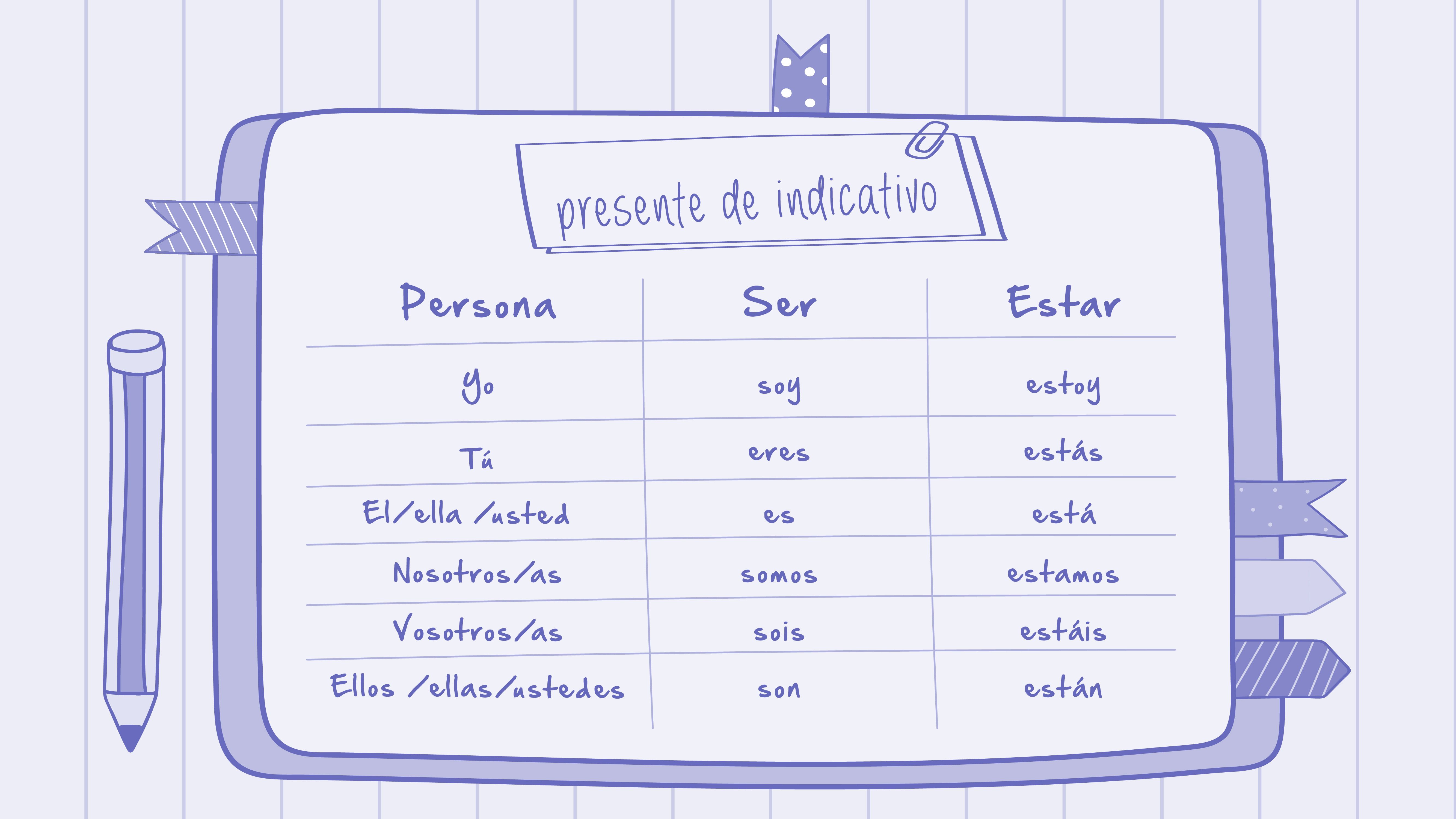
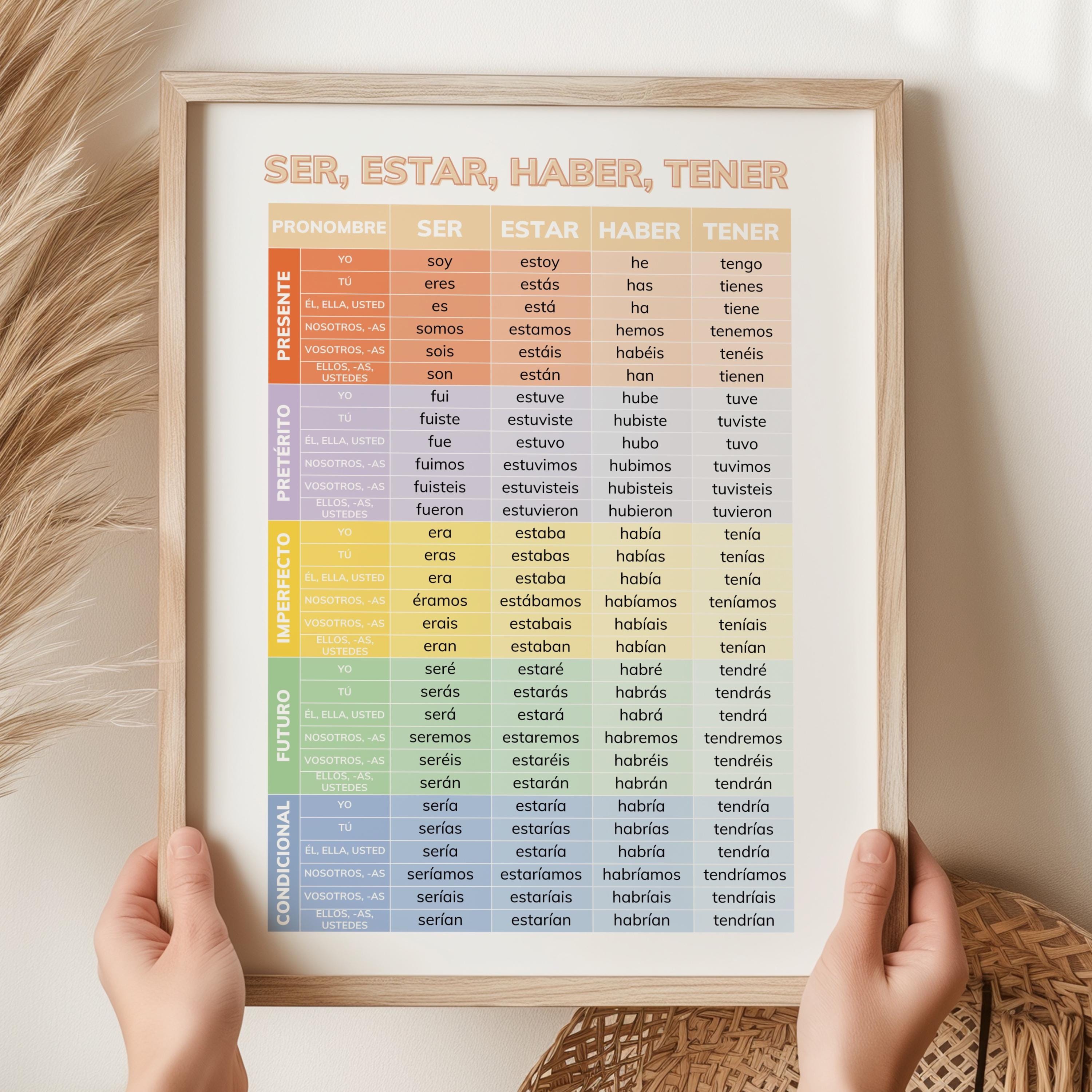
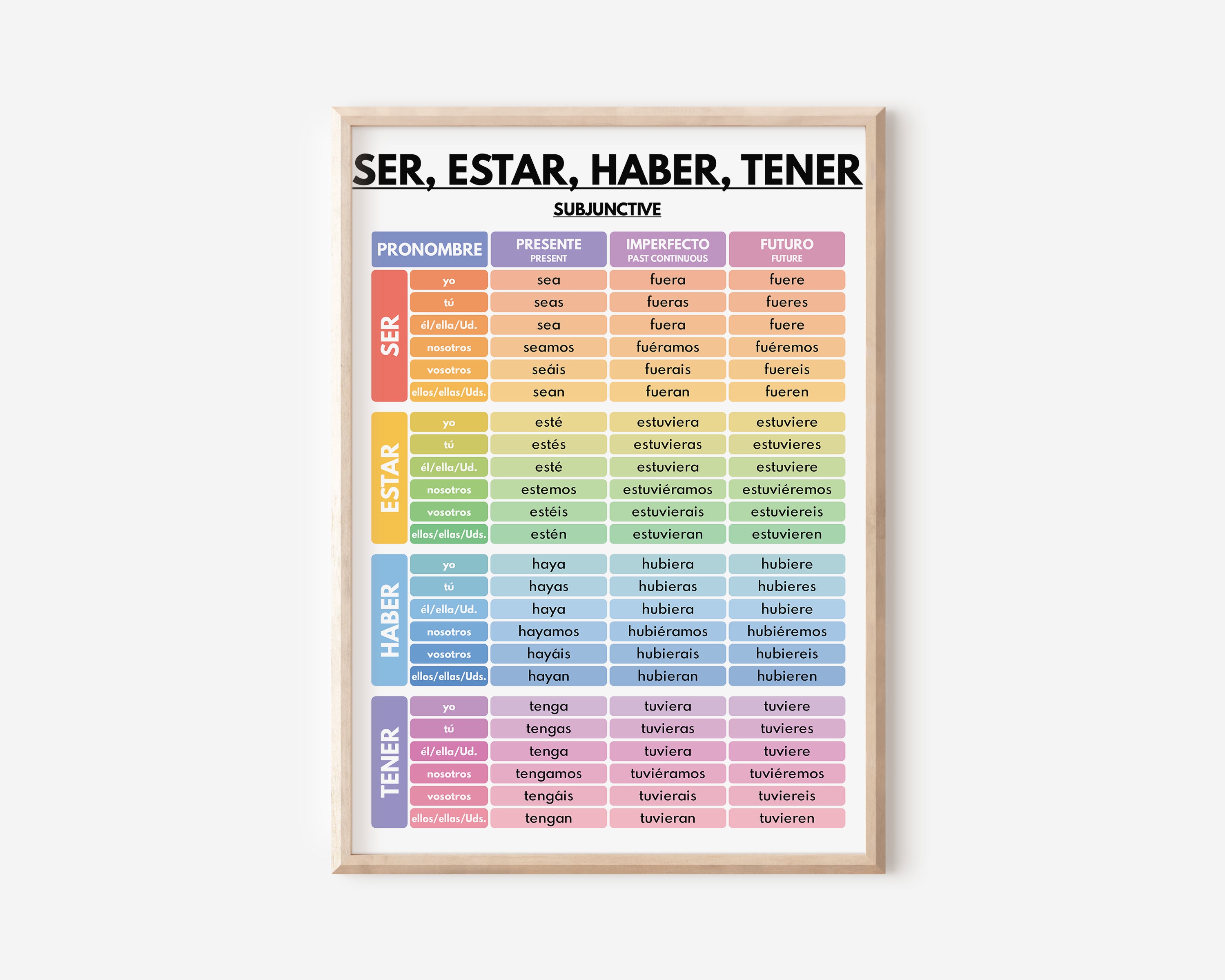
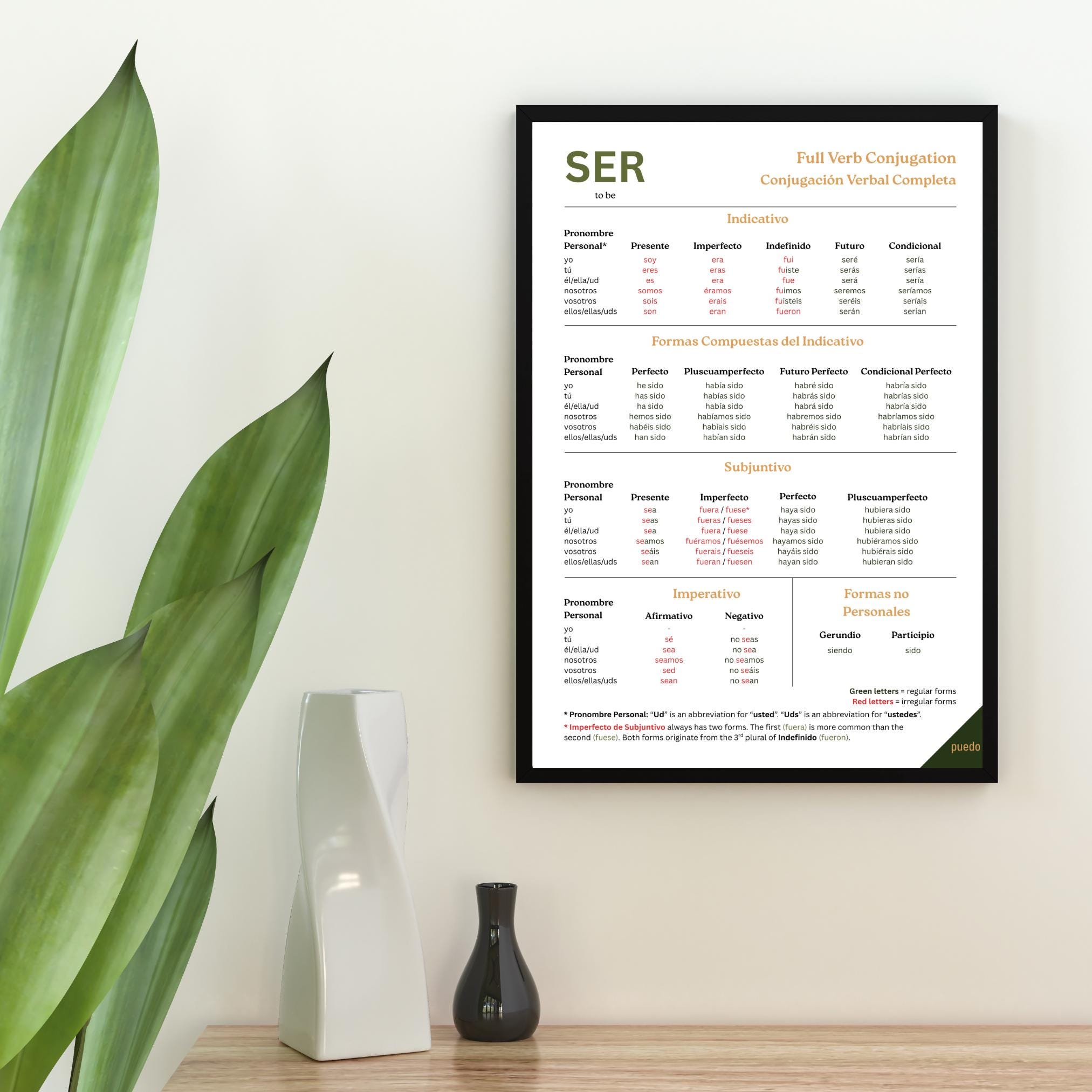
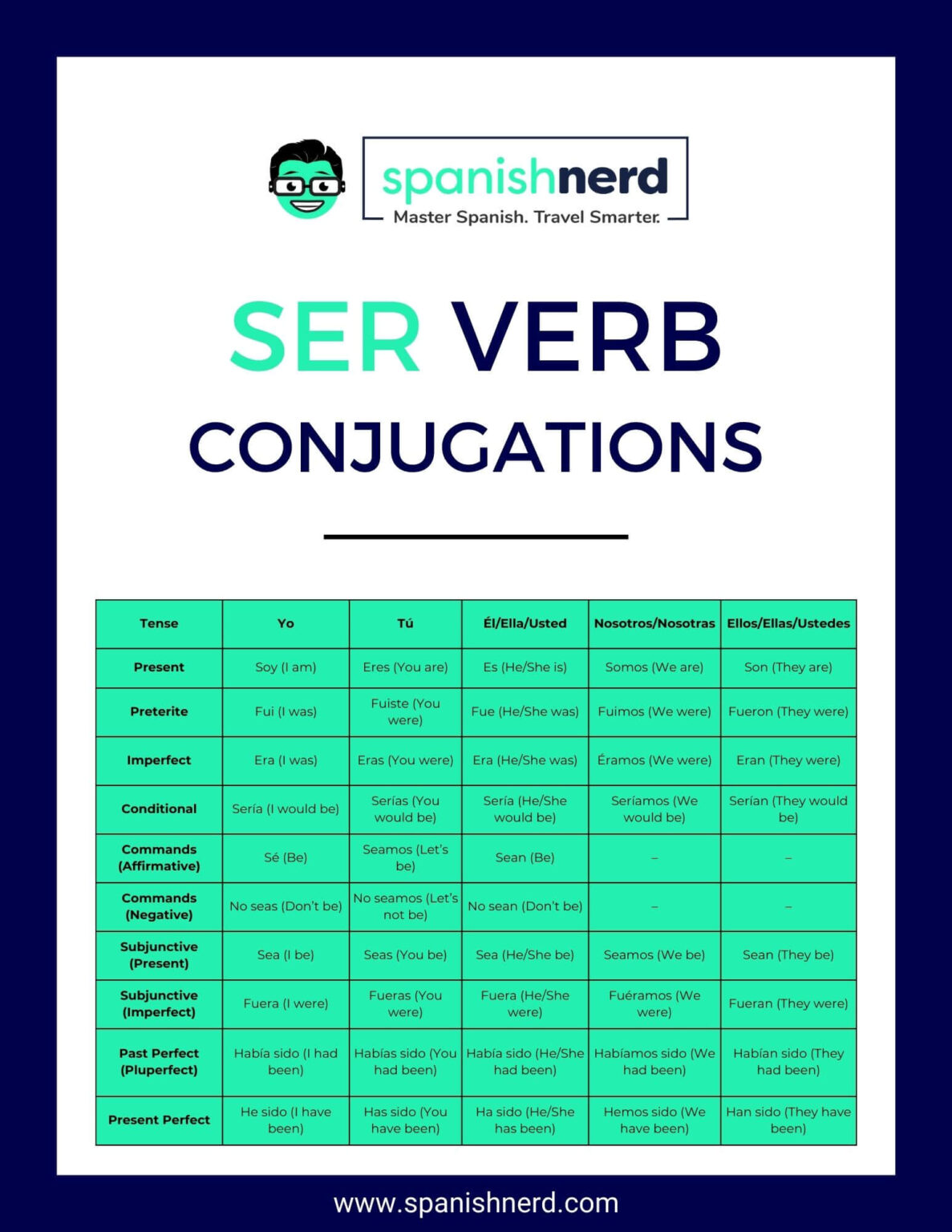
Many people often get confused by the ser verb chart and its purpose, but it's actually a simple and handy tool! The "ser verb chart" is your friend, a quick reference guide to navigate Spanish verb conjugations. It's not as scary as it may seem; this chart is a visual aid, offering a clear layout to understand and use the verb 'ser' accurately. You'll find it helps to have this resource at your fingertips, especially when you're just starting out with Spanish.
The Ser Verb Chart: A Comprehensive Guide
The ser verb chart is an essential tool for anyone learning Spanish or wanting to improve their grammar. This chart provides a clear and concise overview of the verb ser and its various conjugations. With the ser verb chart, you'll have a handy reference to master this crucial verb and its many forms.
Key Details and Categories
The chart is designed to cover all the essential tenses and forms of the verb ser. You'll find it organized by person, with columns for each pronoun: yo (I), tú (you), él/ella/usted (he/she/you formal), nosotros/as (we), vosotros/as (you all), and ellos/ellas/ustedes (they/you all formal). Each row represents a different tense, such as present, past, future, and conditional. The chart also includes the imperative form and some common irregular forms.
Reading and Applying the Ser Verb Chart
Here's a step-by-step guide on how to use the ser verb chart:
- Identify the person you want to conjugate ser for. Let's say you want to say "I am" in Spanish. Look for the "yo" column.
- Find the present tense row. This is where you'll find the most common form of the verb. So, for "I am," you'd find "soy" in the "yo" column under the present tense.
- For other tenses, simply navigate to the appropriate row. For instance, if you want to say "I was" (past tense), you'd look in the "yo" column under the past tense row, finding "fui."
- The chart also includes irregular forms. These are highlighted or noted separately. For example, the past participle of ser is "sido," which is an irregular form.
- Practice using the chart with different sentences. For instance, "Tú eres mi amigo" (You are my friend) or "Ellos son altos" (They are tall).
Variations and Differences
While the ser verb chart provides a comprehensive guide, it's important to note that Spanish, like any language, has its nuances. Different regions and dialects may have slight variations in verb conjugations. Additionally, the chart primarily covers the indicative mood. Other moods, like the subjunctive, have their own unique conjugations for ser. Always double-check specific situations or more complex sentences to ensure accuracy.
Common Mistakes and How to Avoid Them
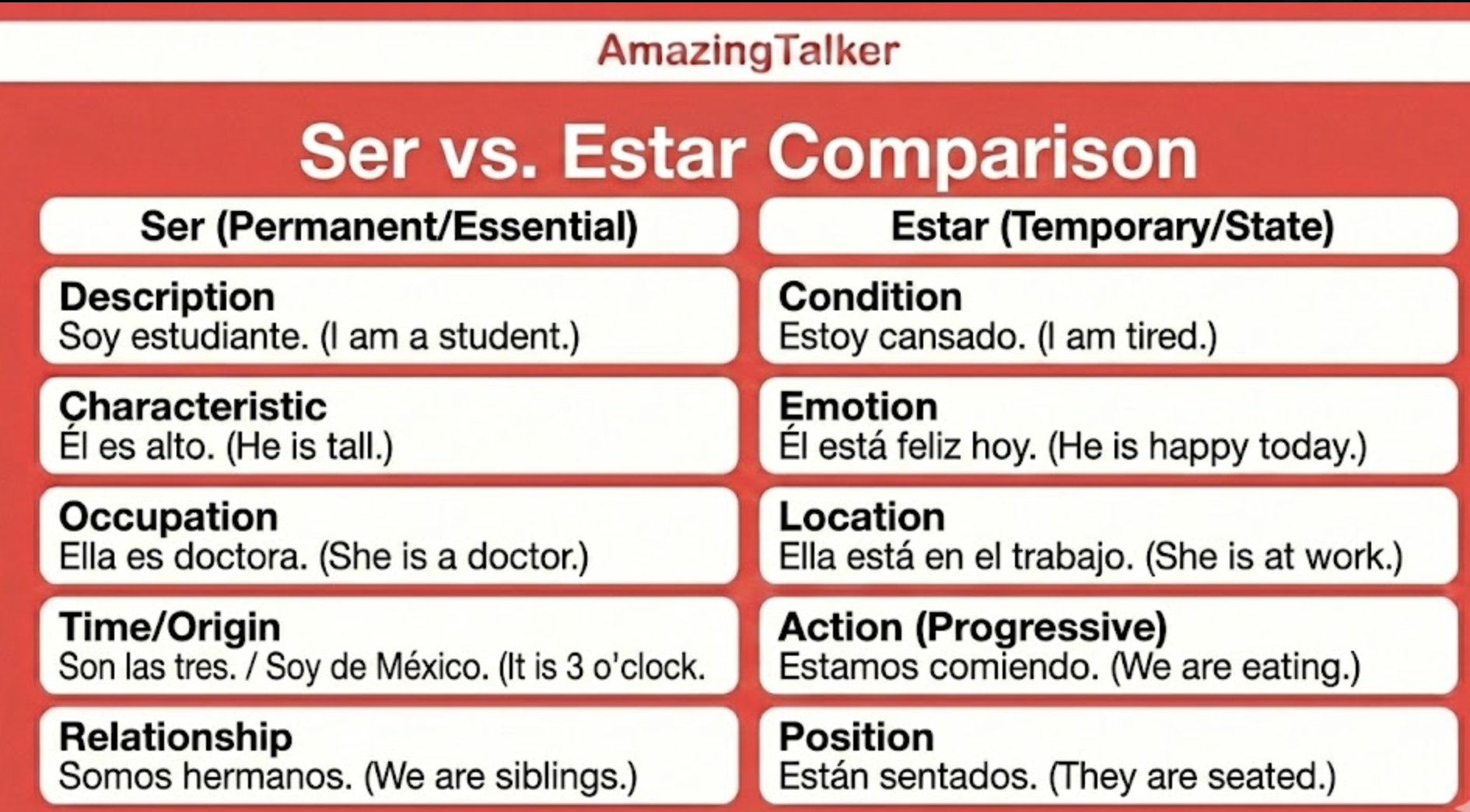
One common mistake is confusing ser with another Spanish verb, estar. Ser is used to describe permanent or inherent characteristics, while estar describes temporary states or locations. Another pitfall is forgetting the irregular forms. While the chart highlights these, it's easy to overlook them if you're not familiar with them. Regular practice and using the chart as a reference can help avoid these errors.
Practical Tips for Accurate Results
To get the most out of the ser verb chart, consider these tips:
- Familiarize yourself with the chart's layout and categories. Understanding the structure will make it easier to navigate and find the right conjugation quickly.
- Practice regularly. Conjugation is a skill that improves with use. The more you practice, the more natural it will become.
- Use the chart as a learning tool. Besides reference, it can help you memorize conjugations and understand verb patterns.
- Explore other resources. While the chart is comprehensive, it's always beneficial to cross-reference with other materials, especially for more complex sentences or less common tenses.
So, there you have it! A handy ser verb chart is a great tool to have in your language-learning arsenal. Remember, the key is to understand the basics, practice regularly, and you'll soon master those tricky verbs.
Before you go, just a quick reminder to always check your specific language learning goals and context. Language standards and conventions can vary, so it's good to be aware of any unique requirements or nuances that might apply to your situation. And don't forget to explore our other guides and resources - we've got plenty of tips and tricks to help you on your language-learning path!