





Budget Planner Template Uk Overview
I was chatting with a friend recently, and we got onto the topic of unique construction names with meaning. It's something I've always found fascinating, how a name can capture the essence of a business and leave a lasting impression. So, I thought I'd share some thoughts and insights on this fun aspect of the construction world.
The Power of a Name
A unique and meaningful name for your construction business can set you apart from the competition. It's your first chance to make an impression and connect with potential clients. But what makes a good name? Well, it's a balance between creativity and practicality. You want something memorable, but it also needs to reflect your business's values and services.
Consider the tone and message you want to convey. Is your business focused on innovative, modern construction? Or do you specialize in traditional, heritage-style builds? The name should hint at your expertise and the unique value you bring to the table. It's a chance to showcase your personality and make a bold statement.
Naming Your Business
When brainstorming names, think about words and phrases that resonate with your brand. It could be a play on words, a nod to your location, or a reference to the services you offer. Get creative, but also ensure the name is easy to remember and pronounce. You don't want potential clients stumbling over your business name!
Here are a few original ideas to spark your imagination:
- Build-it-Bright
- Construct-a-Dream
- Hammer & Hive
- Modern Foundations
- Eco-Build Solutions
- The Bricklayer's Club
Remember, it's crucial to check the availability of your chosen name. You'll need to register it with local authorities and secure the domain name for your website. It's a good idea to consult a legal professional to ensure you're covering all the bases.
Standing Out in a Competitive Industry
The construction industry is bustling with businesses, both large and small. So, how do you make your company stand out? A unique and meaningful name is one way to differentiate yourself. It shows you've put thought into your brand and helps you build a strong identity.
Large construction firms often have well-established names that reflect their size and scope. They might incorporate their location or a reference to their long history. Smaller businesses, on the other hand, can use unique names to their advantage, showcasing their specialty and personality.
Finding the Right Contractor
When searching for a contractor, whether for a large-scale project or a home renovation, it's essential to do your research. A unique name can be a great conversation starter, but it's what's behind the name that matters most.
Ask for recommendations from friends and family, and check online reviews. Get quotes from several contractors and compare their services and prices. Don't be afraid to ask questions and ensure you understand the scope of the work and any potential additional costs. A good contractor will be transparent and happy to answer your queries.
Tools of the Trade
In the construction world, there are various tools and resources to help with estimating costs and managing projects. One such tool is RSMeans, a database that provides cost data for various construction projects. It's a valuable resource for both contractors and clients, offering insights into the potential costs of a build.
However, it's important to remember that these tools provide estimates, and the final cost can vary depending on factors like location, materials, and labor. Always get a detailed quote from your contractor and compare it with other estimates to ensure you're getting a fair price.
Final Thoughts
Choosing a unique and meaningful name for your construction business is an exciting step. It's a chance to showcase your creativity and leave a lasting impression. Remember to keep it practical and ensure your name reflects your brand's values and services. And when hiring a contractor, take the time to research and compare, ensuring you find the right fit for your project. Happy building!
Related: Understanding the Tattoo Size Chart
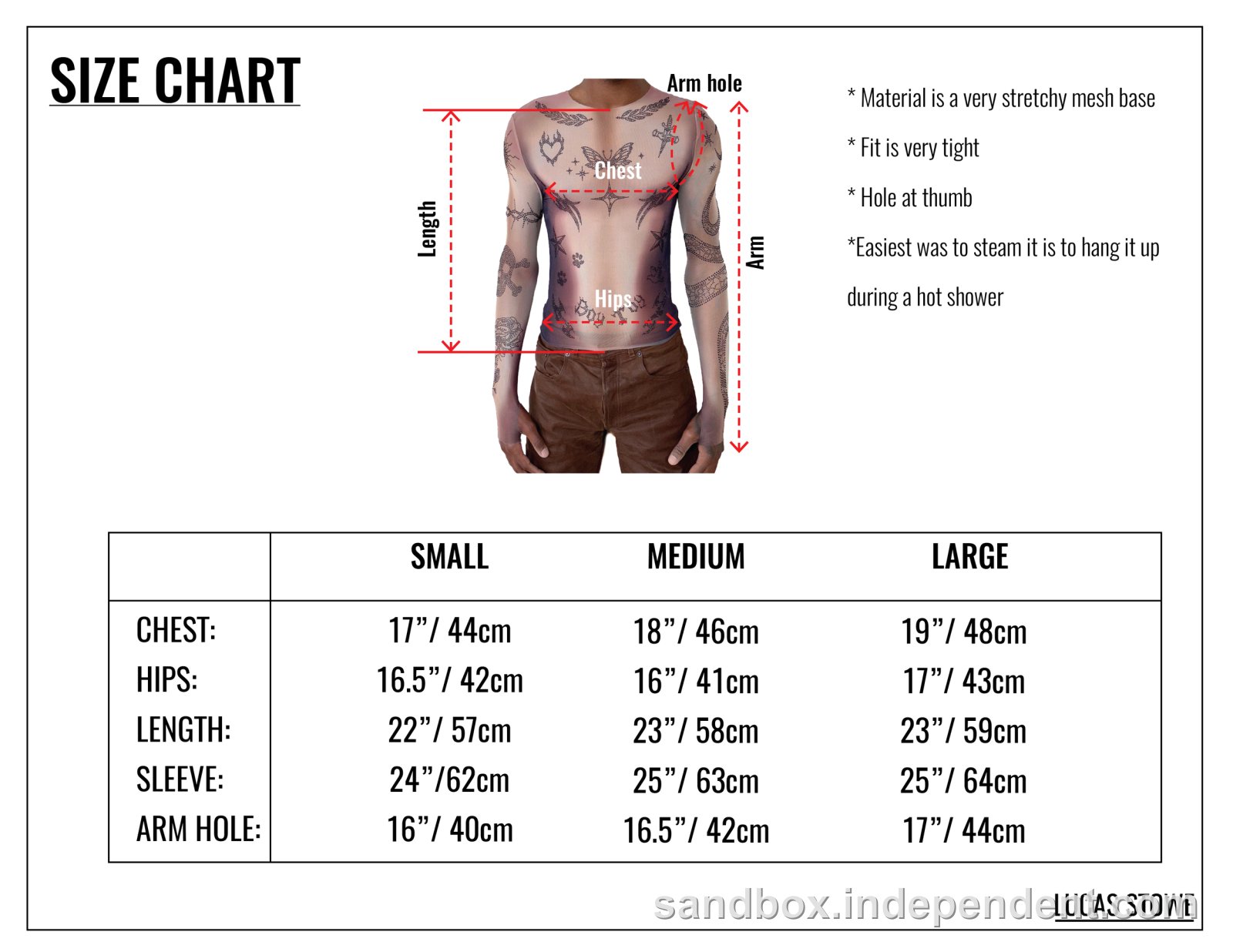
You're here, searching for a tattoo size chart, probably to get a clear idea of what you want and how to communicate it effectively to your artist. It's a smart move, as these charts are a great way to visualize and understand tattoo sizes, especially when you're planning your next ink adventure. While the exact values may vary depending on the artist or region, the tattoo size chart provides a reliable starting point, offering a simple guide to standard tattoo dimensions.
Understanding the Tattoo Size Chart
The tattoo size chart is your go-to guide for figuring out the dimensions of different tattoo designs. It's like a roadmap, helping you navigate the world of tattoo sizes and understand what each measurement means. This chart is a handy tool, especially when you're planning your next tattoo and need to visualize how big or small it will be on your body.
Comparing Chart Formats and Standards
There are a few different ways to present a tattoo size chart, and the format can vary depending on the source. Some charts use a simple table with columns for size categories and corresponding measurements, while others might display a range of designs with their dimensions noted. The units of measurement can also differ; you'll often find charts using either imperial (inches) or metric (centimeters) systems. It's essential to know which standard is being used to ensure accurate readings.
Practical Size Suggestions and Measuring Tips
Using a tattoo size chart is straightforward, but there are a few steps to ensure you're getting the most accurate information. First, identify the category or design you're interested in. Then, locate the corresponding measurement. If the chart uses a range, you can decide on a specific size within that range based on your preferences. Remember, these charts often provide a general guide, so it's a good idea to discuss your desired size with your tattoo artist, who can offer expert advice and ensure the design fits perfectly on your body.
Common Misreadings and How to Avoid Them
It's easy to misinterpret a tattoo size chart, especially if you're not familiar with the standard being used. Always double-check the units of measurement to ensure you're reading the chart correctly. For instance, if you're used to thinking in inches but the chart uses centimeters, your interpretation of the size could be off. Additionally, some charts might not provide exact measurements but rather a range. In these cases, it's best to consult with a professional to get a precise idea of the tattoo's dimensions.
Hey there, we hope this tattoo size chart guide has given you a clear and simple overview of your options. Remember, the exact details may differ slightly, so always double-check your sources and measurements.
This is a handy reference to keep bookmarked for future ink adventures! Whether you're a tattoo enthusiast or just curious about the process, we've got more guides to explore. So, feel free to dive into our other content and keep learning.
Related: A Guide to Red Wine Chart: Quick Reference
You're here because you need a quick guide, a reliable tool, to navigate the world of red wine. And what better way to do that than with a red wine chart? This handy reference, a simple yet effective visual, is your key to understanding and appreciating the nuances of red wines. From the classic Bordeaux to the bold Australian Shiraz, the chart helps you explore and compare, offering a quick glimpse into the world of wine colors, intensities, and hues.
Understanding the Red Wine Chart: A Practical Guide
The red wine chart is a handy tool for wine enthusiasts and professionals alike. It provides a visual representation of the colors and hues commonly found in red wines, offering a quick reference guide to help identify and categorize different wine styles. This chart is a valuable resource for anyone looking to expand their wine knowledge and make more informed choices.
Comparing Wine Colors and Intensity
The red wine color scale typically features a range of shades, from light ruby to deep garnet, and sometimes even includes variations of purple and brown. These colors indicate the wine's intensity and can give clues about its age, grape variety, and even the region it comes from. For instance, a bright, youthful ruby red might suggest a young, fruity wine, while a darker, more mature garnet could indicate an aged, complex vintage.
How to Read and Use the Red Wine Chart
To utilize the red wine chart effectively, follow these simple steps:
Start by identifying the primary color of your wine. Is it a light ruby, a vibrant crimson, or perhaps a dark, almost black shade?
Next, look for any secondary hues. These could be hints of orange, brown, or even blue tints, which can further refine your assessment.
Consider the wine's overall intensity. Is it a pale, almost translucent red, or a rich, opaque color? This can be a key indicator of the wine's body and flavor profile.
Finally, cross-reference your observations with the chart. Match the colors and intensity to the corresponding descriptions or categories provided.
Avoiding Common Misreadings
While the red wine color wheel is a useful tool, it's important to remember that wine colors can be subjective and influenced by various factors. Lighting conditions, the wine's age, and even the glassware can impact how we perceive its color. To avoid misreading, ensure you're viewing the wine in natural light and consider the context. If a wine appears lighter or darker than expected, it might be a sign of a unique characteristic or an indication that the wine is evolving.
Factors Affecting Accuracy
The accuracy of the red wine chart relies on several key factors. Firstly, the chart's effectiveness depends on the standard being used. Different regions and wine-making traditions may have their own color scales and terminology. Always refer to the specific chart's guidelines and ensure you're using the correct reference for your region or wine style. Additionally, the wine's age and storage conditions can significantly impact its color, so consider these factors when interpreting the chart.
So, there you have it! A handy red wine chart to guide you through the world of wine. With this simple tool, you can quickly compare and understand the different options and formats.
Remember, when using this chart, it's always a good idea to consider your personal preferences and the specific context. Exact values may vary, so double-check the standards or sources relevant to your needs. Mark this page as a favorite, and you'll always have a quick reference guide at your fingertips for your wine adventures!