








Budget Spreadsheet Business Overview
I was thinking about starting a names for concrete business the other day, you know, something to do with construction and building. It got me wondering about the right name, something that would stand out and be memorable. So, I did some research and here's what I found...
Choosing a Name for Your Concrete Business
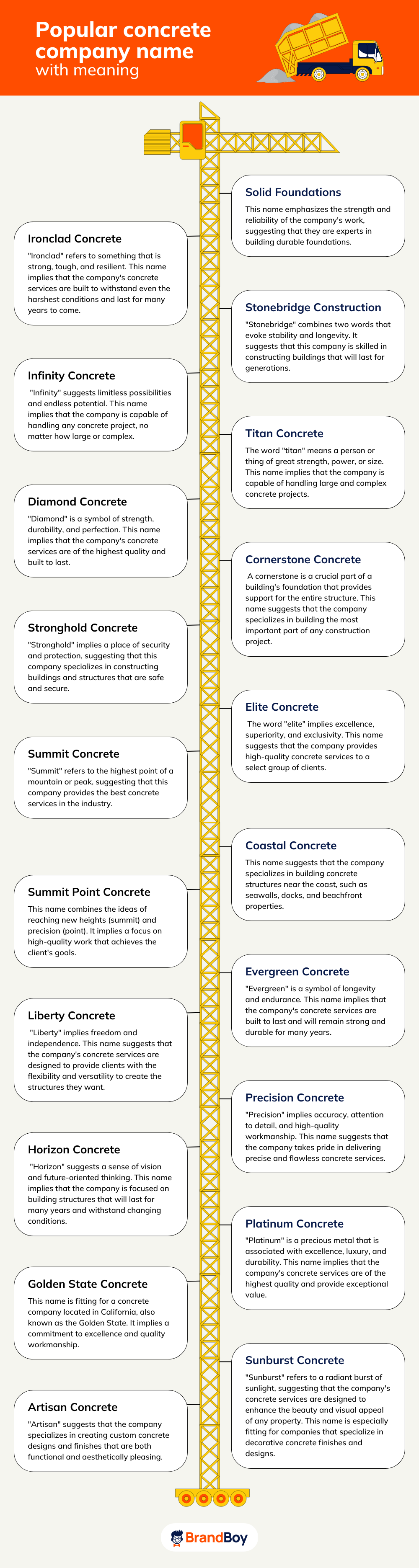
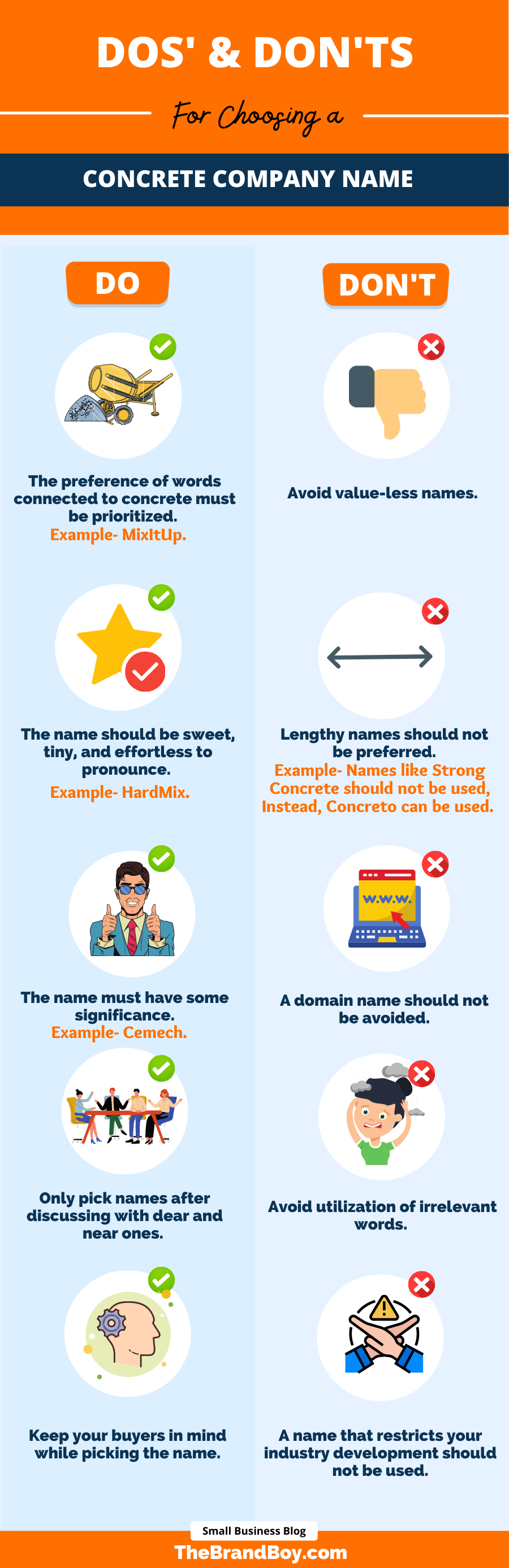
When it comes to naming your concrete business, you want something that reflects the strength and durability of the industry. A name that is catchy and easy to remember will help your business stick in people's minds. Consider words like "solid", "foundation", or "build" to convey a sense of stability and reliability.
What Makes a Good Name?
A good name for a concrete business should be unique and not too generic. Avoid common terms like "construction" or "builders" as these can be used by many different companies. Instead, focus on creating a name that is specific to your business and the services you offer. You could also consider using a play on words or a clever combination of words to make your business name memorable.
Example Names
Here are a few ideas to get you started:
- Solid Foundations
- Rock-Solid Builders
- Concrete Creations
- Build-It-Right
- Stronghold Construction
- Everlast Builders
Remember, these are just a few suggestions, and you can always get creative and come up with your own unique name.
Registering Your Business Name
Once you've settled on a name, you'll need to check its availability and register it. This process varies depending on your location, so it's best to contact your local business registration office or check their website for guidance. You'll also want to secure a domain name for your website and any social media handles to ensure your online presence is consistent.
Hiring a Contractor
If you're hiring a contractor for your project, whether it's a home renovation or a new build, it's important to do your research. Check their qualifications, experience, and references. Ask for a detailed quote, including a breakdown of costs, and compare it with other quotes to ensure you're getting a fair price. Don't be afraid to ask questions and seek clarity on any aspects of the quote you don't understand.
The Cost of Renovations
Renovation costs can vary greatly depending on the scope of the project, the materials used, and the location. It's always a good idea to get multiple quotes from different contractors to compare prices and ensure you're getting a competitive rate. Remember, the cheapest quote might not always be the best option, so consider the quality of the work and the reputation of the contractor too.
Industry Tools and Resources
There are various tools and resources available to help with construction and remodeling projects. RSMeans, for example, is a popular cost database used by professionals to estimate project costs. It provides accurate data on materials, labor, and other construction-related expenses. These tools can be beneficial for both contractors and homeowners to ensure projects stay on budget.
Construction Jobs and Salaries
The construction industry offers a range of job roles, from general contractors and estimators to specialized tradespeople. Salaries can vary depending on experience, qualifications, and the specific role. If you're looking for construction jobs, online job boards and local employment agencies are great places to start your search.
So, there you have it! A few insights into the world of names for concrete business. It's an exciting industry to be a part of, and with the right name and approach, you can build a successful business. Good luck!
Related: Uncover Ventura's Tide Secrets
Many folks new to reading ventura tide charts often assume they're complex and intimidating. But fear not! These charts are your simple, trusted guide to understanding the rise and fall of tide levels.
The ventura tide chart is a straightforward tool, offering a quick glimpse into the Pacific Ocean's tides. It provides essential info on tide heights and variations, making it a handy reference for any coastal adventure in California.
The Ventura Tide Chart: Unlocking the Secrets of the Pacific Ocean Tides
The ventura tide chart is a powerful tool for anyone exploring the California coast. It provides a clear, visual representation of the tide levels and helps you plan your coastal adventures with ease. This chart is your key to understanding the ebb and flow of the Pacific Ocean tides along the Ventura coastline.
Understanding the Data: Key Details and Categories
The ventura tide chart typically displays tide levels in feet or meters, depending on the standard used. It shows the predicted tide heights for specific times throughout the day, usually covering a 24-hour period. The chart categorizes tide levels into high and low tides, with additional details on the time and height of each. You'll also find information on the moon phase, which influences tidal patterns.
Reading the Graph: A Step-by-Step Guide
To read the ventura tide chart, start by identifying the time of day along the horizontal axis. The vertical axis represents the tide height. Simply match the time with the corresponding tide level to get an accurate reading. For instance, if you see a high tide at 9 am, you can expect the water to be at its highest point at that time. Low tides are indicated by the lowest points on the chart.
Common Fluctuations: Why Tide Levels Vary
Tide levels can vary due to several factors. The position of the moon and sun relative to the Earth is a primary influence. Additionally, weather conditions, such as strong winds or storms, can impact tidal patterns. Local geography, like the shape of the coastline and the depth of the ocean, also plays a role. These factors can cause slight variations in tide times and heights, so it's essential to be aware of these potential differences.
Practical Applications: Avoiding Common Mistakes
One common mistake is assuming that the tide chart is an exact representation of real-time conditions. While it provides valuable predictions, actual tide levels can differ slightly due to the dynamic nature of the ocean. Another pitfall is neglecting to check for any recent weather events that may have affected tidal patterns. Always double-check the current conditions and consider any recent weather changes to ensure accurate planning.
Useful Insights: Tips for Accurate Results
To ensure the best accuracy when using the ventura tide chart, consider the following tips. First, familiarize yourself with the local geography and how it might impact tides. Second, keep an eye on weather forecasts, as sudden changes can affect tide levels. Finally, if you're planning an activity that relies on specific tide heights, such as kayaking or fishing, allow for some flexibility in your schedule to account for potential variations.
Edge Cases and Exceptions: What to Double-Check
While the ventura tide chart is a reliable guide, there are instances when you should double-check the specifics. If you're planning an activity that requires precise tide levels, such as marine research or construction, consult additional resources for more detailed predictions. Additionally, if you're visiting Ventura during a full moon or new moon, be aware that tidal variations can be more pronounced during these periods.
By understanding and utilizing the ventura tide chart, you can make the most of your time along the California coast. It's a simple yet powerful tool that ensures your coastal adventures are well-planned and enjoyable. So, whether you're a surfer, fisherman, or simply a beachgoer, the ventura tide chart is your trusted companion for exploring the dynamic tides of the Pacific Ocean.
Well, that's the lowdown on Ventura's tide chart! It's a handy tool to have, and while the basics are covered, remember that exact details might differ slightly based on your specific needs and the source you consult.
So, the next time you're planning a coastal adventure, be sure to bookmark this page for a quick refresher. It's always good to have these practical guides at your fingertips, and there are plenty more where this came from!
Related: Find Your Perfect Club Length: A Simple Guide
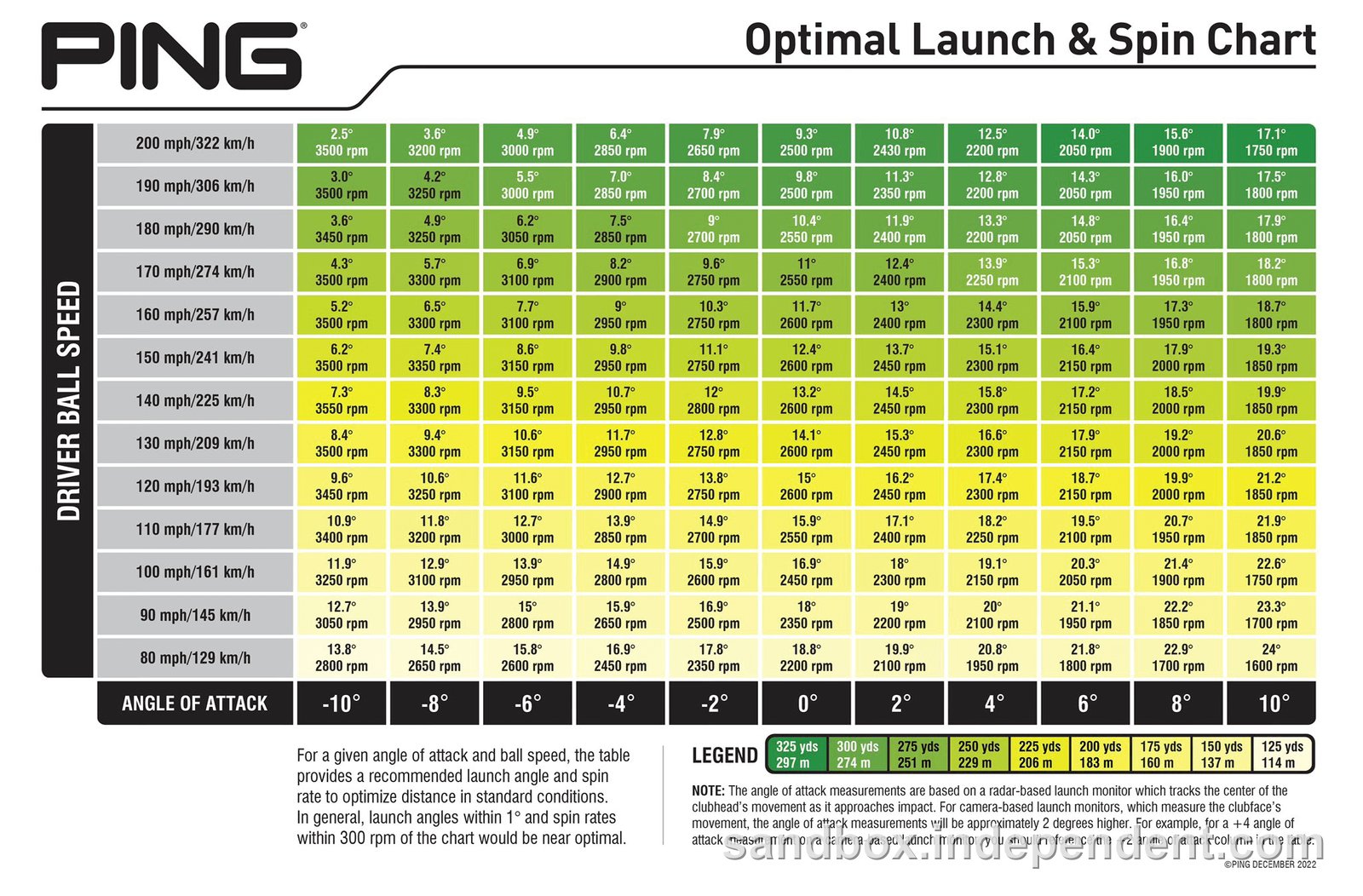
A club length chart is a valuable tool for golfers, offering a simple yet effective way to navigate the world of golf club sizing. This guide aims to demystify the process, ensuring you can quickly and confidently understand and utilize these charts.
The charts provide a standardized reference for golf club lengths, typically covering various club types like drivers, irons, and more. While values may vary slightly depending on factors such as brand and region, these charts offer a reliable starting point for custom club fitting, ensuring an accurate and personalized golf experience.
Understanding the Club Length Chart
A club length chart is an essential tool for golfers and club fitters, providing a standardized reference for determining the optimal length of golf clubs. This chart ensures consistency and helps golfers find the right fit for their game.
Standard Measurements Explained
The club length chart typically displays a range of club lengths, usually in inches, for various types of clubs. It covers all the essential clubs, including drivers, fairway woods, hybrids, irons, and wedges. The chart provides a quick reference for golfers to identify the standard length of each club based on their height and playing style.
How to Read and Apply the Chart
To use the club length chart, follow these steps:
Identify your height. This is a critical factor in determining the right club length.
Refer to the chart and locate your height range. Most charts provide a height range with a recommended club length.
Consider your playing style and preferences. The chart offers a standard length, but you can adjust based on your comfort and swing.
Measure your existing clubs. If you already have a set, measure the length and compare it to the chart. This helps ensure consistency and allows for easy adjustments.
Make informed decisions. The chart provides a starting point, but custom club fitting can further refine the length to suit your unique swing and performance goals.
Common Adjustments and Variations
While the club length chart offers a standardized guide, several factors can influence the ideal club length:
Height and physical attributes: Taller golfers often require longer clubs, while shorter players may need shorter ones.
Swing speed and tempo: A faster swing may benefit from slightly longer clubs, while a slower swing might perform better with shorter ones.
Playing conditions: Different course conditions can impact club selection and length. For example, longer clubs might be preferred for windy conditions.
Personal preference: Ultimately, the golfer's comfort and confidence with the club's length are crucial.
Remember, while the club length chart provides a solid foundation, it's essential to consider individual factors and seek professional advice for a precise custom fitting.
As you navigate the world of club lengths, remember that precision is key. While this chart provides a solid foundation, it's essential to cross-reference with your specific requirements. Exact values can vary, so a quick double-check ensures you're on the right track.
Consider bookmarking this page for future reference; it's a handy tool to have at your fingertips when you need a quick reminder. Stay organized, and happy measuring!