




Budget Spreadsheet Joyagoo Overview
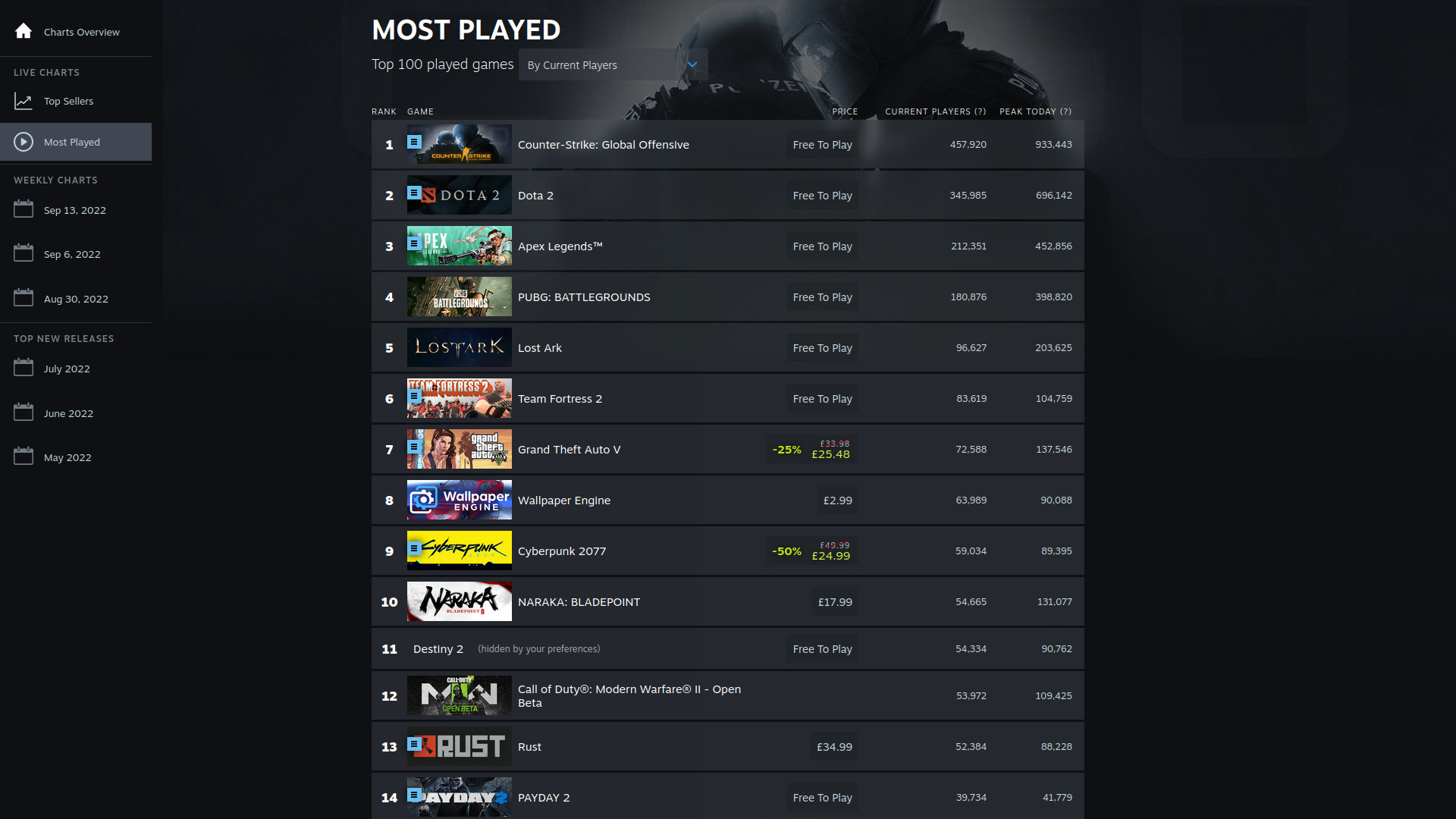
You're likely here because you're seeking a straightforward answer, a quick glimpse at the eso steam charts, or perhaps you're curious about the data behind Elder Scrolls Online's popularity. These charts offer a snapshot of player activity and can provide valuable insights into the game's health and community engagement. While the exact values may vary depending on your region and the specific metrics you're interested in, eso steam charts serve as a reliable reference point, offering a clear overview of the game's performance and player base.
Understanding Eso Steam Charts: A Practical Guide
Eso Steam Charts provide a visual representation of player activity and engagement within Elder Scrolls Online (ESO). These charts offer valuable insights into the game's popularity, player base, and trends over time. By analyzing these charts, gamers, developers, and enthusiasts can make informed decisions and understand the game's performance.
Key Details and Metrics
The Eso Steam Charts typically display player count data, which is a critical metric. This data represents the number of active players on the Steam platform at a given time. The charts often present this information as a graph, showing the player count over a specific period, such as hours, days, or weeks. Other relevant metrics may include peak player counts, average concurrent players, and historical trends.
Interpreting Steam Charts: A Step-by-Step Guide
To read and interpret Eso Steam Charts accurately:
Start by identifying the time frame represented on the chart. This could be a specific date range or a real-time snapshot.
Observe the vertical axis, which typically displays the player count. Note the scale and any labels indicating the range of values.
Analyze the graph's shape and trends. Look for peaks and valleys, which indicate periods of high and low player activity.
Compare different time frames to identify seasonal variations, event impacts, or long-term trends.
Consider the context. Factors like new game releases, updates, or in-game events can influence player counts.
Use the data to make informed decisions. For example, developers might use these charts to plan future content or balance game mechanics, while players can gauge server population and activity levels.
Common Chart Variations and Factors
Eso Steam Charts may vary based on the region or server, as player demographics and preferences can differ.
Seasonal trends, such as holiday periods or school breaks, can significantly impact player counts.
Major game updates or expansions often result in temporary spikes in player activity.
External factors like real-life events or platform-specific promotions can also influence player engagement.
It's essential to consider the chart's time frame and compare it to relevant events or announcements to understand the context fully.
Remember, while Eso Steam Charts provide valuable insights, they represent a specific platform and may not capture the game's entire player base. Cross-referencing data from other sources can offer a more comprehensive view of ESO's performance and player engagement.
Well, there you have it, a comprehensive guide to navigating the ESO Steam charts. Remember, while this article provides a solid foundation, it's always wise to refer to the specific context and requirements of your project.
These charts are a handy reference, but like any tool, they can have slight variations across different sources and standards. So, keep this page bookmarked for a quick refresh, and you'll be equipped to make informed decisions the next time you need to consult the ESO Steam charts.
Related: What is the "kilo chart to lbs"?
You're probably here because you need a quick conversion reference, and the kilo chart to lbs is a handy tool for just that. It's a simple yet effective way to get accurate weight conversions from kilograms to pounds, and it's great for those who need a reliable, visual guide. This chart, or weight conversion table, is a practical solution, especially when you're in a hurry and need a straightforward answer.
Understanding the Kilo Chart to Lbs
The kilo chart to lbs is a simple yet effective tool for converting weights between the metric and imperial systems. It provides a quick and easy reference for those who need to make weight conversions, especially when dealing with kilograms and pounds. This chart is a handy guide, offering a visual representation of the relationship between these two common units of measurement.
Comparing Metric to Imperial Weight Standards
The chart typically displays a range of weights in kilograms on one axis and the corresponding values in pounds on the other. It's a straightforward way to visualize and understand the conversion process. You'll often find these charts with clear labels and color-coding, making it easy to identify the relevant values. For instance, a common format might show weights in kilograms on the left, with the equivalent pound values increasing rightwards.
Step-by-Step: Using the Kilo Chart to Lbs
To use the chart, simply locate the weight you wish to convert on the kilogram scale. Follow the row or column to find the corresponding value in pounds. It's as simple as that! For example, if you want to know how many pounds are in 5 kilograms, just find the 5 kg mark on the chart and read the value it aligns with on the pound scale. This method is quick and accurate, perfect for on-the-go conversions.
- Identify the weight in kilograms.
- Locate this value on the chart.
- Follow the row or column to the corresponding pound value.
- Read the value to get your conversion.
Common Measurement Mistakes and How to Avoid Them
While the kilo chart to lbs is a great tool, it's important to be aware of potential variations. Different standards and regions may have slight differences in their conversion factors. Always double-check the specific standard or region you're working with to ensure accuracy. Here are some key factors to consider:
- Imperial units can vary slightly depending on the context and region.
- Metric system conversions may have small differences due to rounding or specific application needs.
- Always check the chart's legend or key to understand any specific symbols or color codes.
- Be mindful of any additional factors, like the weight of packaging, which might affect the final result.
So, there you have it, a handy kilo-to-pound conversion chart to keep at your fingertips. With this simple guide, you can easily navigate between the two measurement systems and avoid any potential confusion.
Remember, while this chart provides a quick and practical solution, exact values can vary slightly depending on the specific standard or source you're working with. So, it's always a good idea to double-check your context and requirements before making any final calculations. Bookmark this page for a handy reference, and you'll be a conversion pro in no time!
Related: What is a piano chords chart?
Frustrated by the hunt for the perfect piano chords chart? You're not alone. Whether you're a beginner or an experienced player, having a reliable and easy-to-read chart is essential for quick reference and practice. A good piano chords chart should be your go-to resource, offering a clear layout of chord structures, from basic major and minor chords to more complex progressions.
Understanding Chord Symbols
A piano chords chart is a handy reference tool for musicians, especially pianists. It's like a map that shows you the layout of different chords and their components. This chart is a great way to quickly grasp the basics of chord construction and progressions. The symbols on the chart represent the notes that make up each chord, and by understanding these symbols, you can easily build and play various chords on the piano.
Common Chord Progressions and Formats
There are several standard chord progressions and formats used in music. The piano chords chart typically includes major and minor chords, which are the most common. These chords are represented by symbols like C, Dm, G7, and so on. The chart might also feature more complex chords like suspended chords (Csus) or added-note chords (Cadd9). Each symbol gives you a snapshot of the notes that create that specific chord.
Reading Chord Charts: A Step-by-Step Guide
When reading a piano chords chart, follow these steps:
- Identify the chord symbol you want to play.
- Locate the symbol on the chart and find the corresponding notes.
- Place your fingers on the piano keys according to the chart's diagram.
- Play the chord and listen to its unique sound.
For example, if you see the symbol C, you'll find it represents the notes C, E, and G. Place your fingers on these keys, and you've just played a C major chord!
Avoiding Misreadings and Pitfalls
While piano chords charts are incredibly useful, it's important to be aware of a few potential pitfalls:
- Variations: Different charts may use slightly different symbols or notations. Always double-check the specific chart's key or legend to ensure you're interpreting the symbols correctly.
- Complex Chords: Some chords, especially those with added notes or extensions, can have multiple variations. Be sure to explore all the possible fingerings to find the one that works best for you.
- Practice: Reading chord charts takes practice. Start with simple major and minor chords, and gradually work your way up to more complex progressions.
Remember, a piano chords chart is a valuable tool, but it's just one part of your musical journey. Keep exploring, practicing, and enjoying the beautiful world of music and chord progressions!
Hey there, fellow music enthusiasts! We've covered a lot of ground in this blog post, and I hope it's given you a solid foundation to start exploring piano chords. Remember, the specifics might differ slightly based on your needs and the context, so feel free to adapt and make it your own.
If you're keen to dive deeper into the world of music theory and practice, why not check out some of our other guides? We've got a whole range of topics to explore, from basic music theory to more advanced techniques. It's a great way to keep learning and growing as a musician, so take a look and see what piques your interest!