






Budget Spreadsheet Yearly Overview
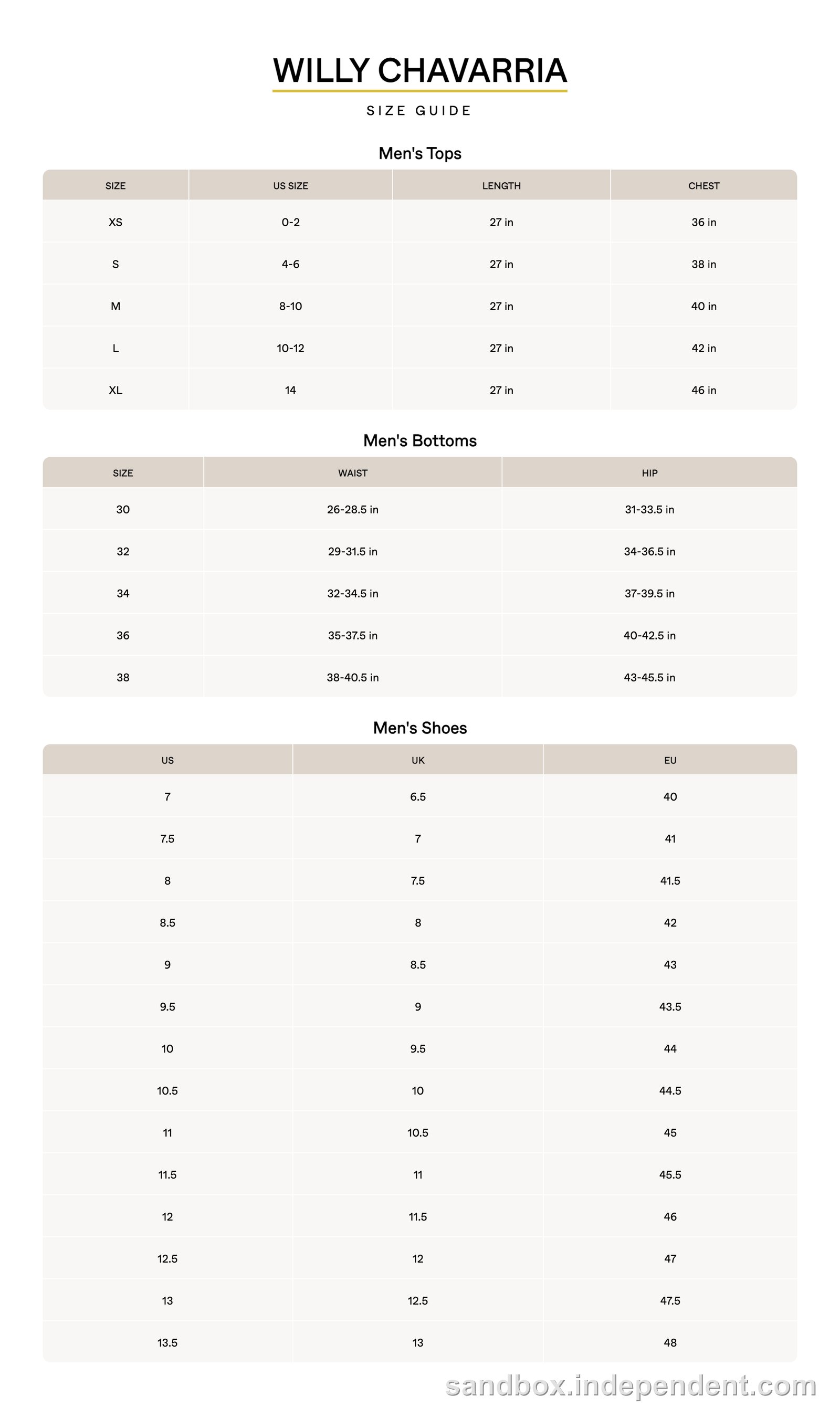
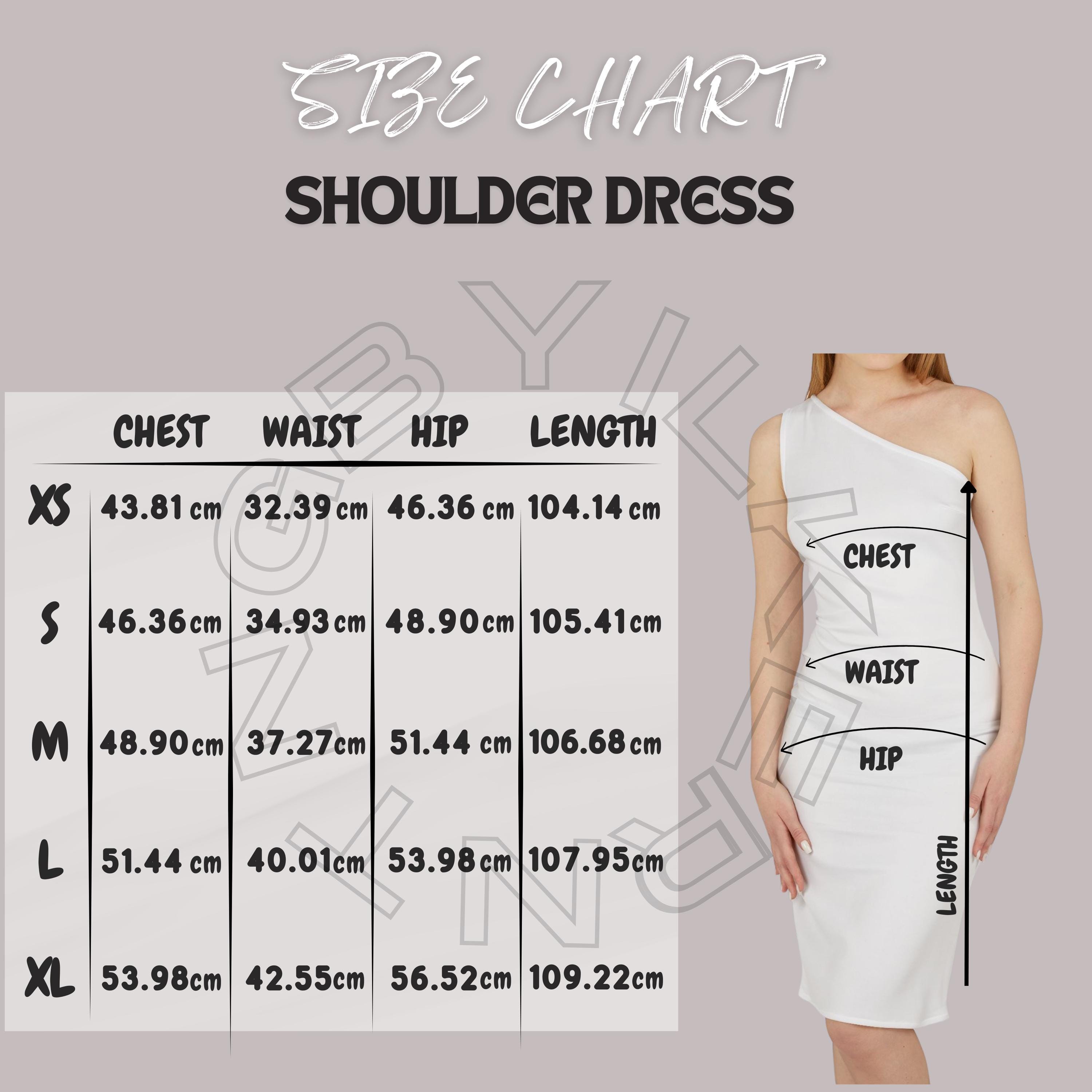
A common misconception about dress size charts is that they are a universal guide, providing an exact fit for every individual. However, it's important to understand that these charts are more like a starting point, offering a general size reference. While a dress size chart can be a valuable tool, it's not an exact science; variations exist due to different sizing standards and brand-specific fits.
Understanding Size Labels
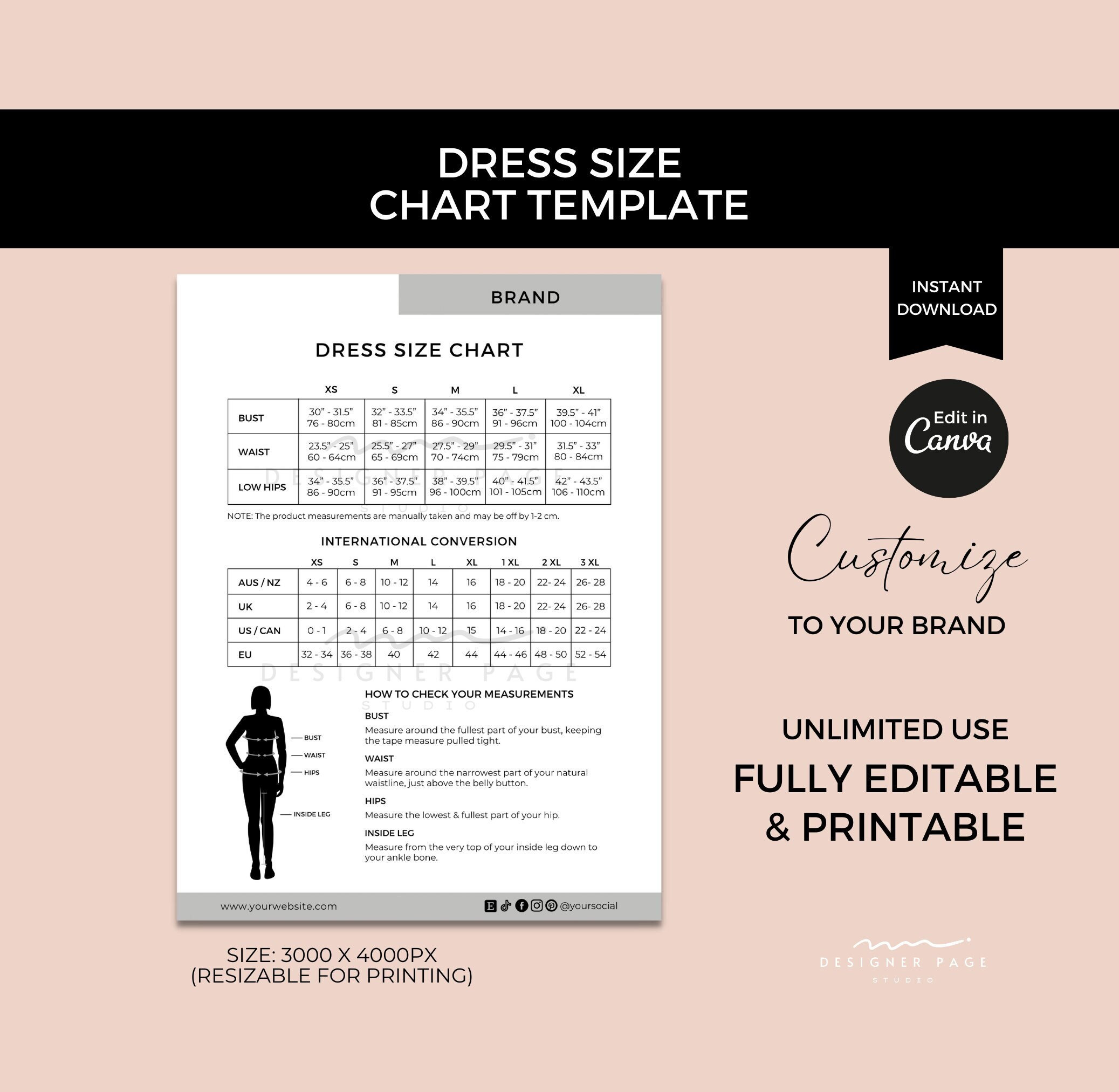
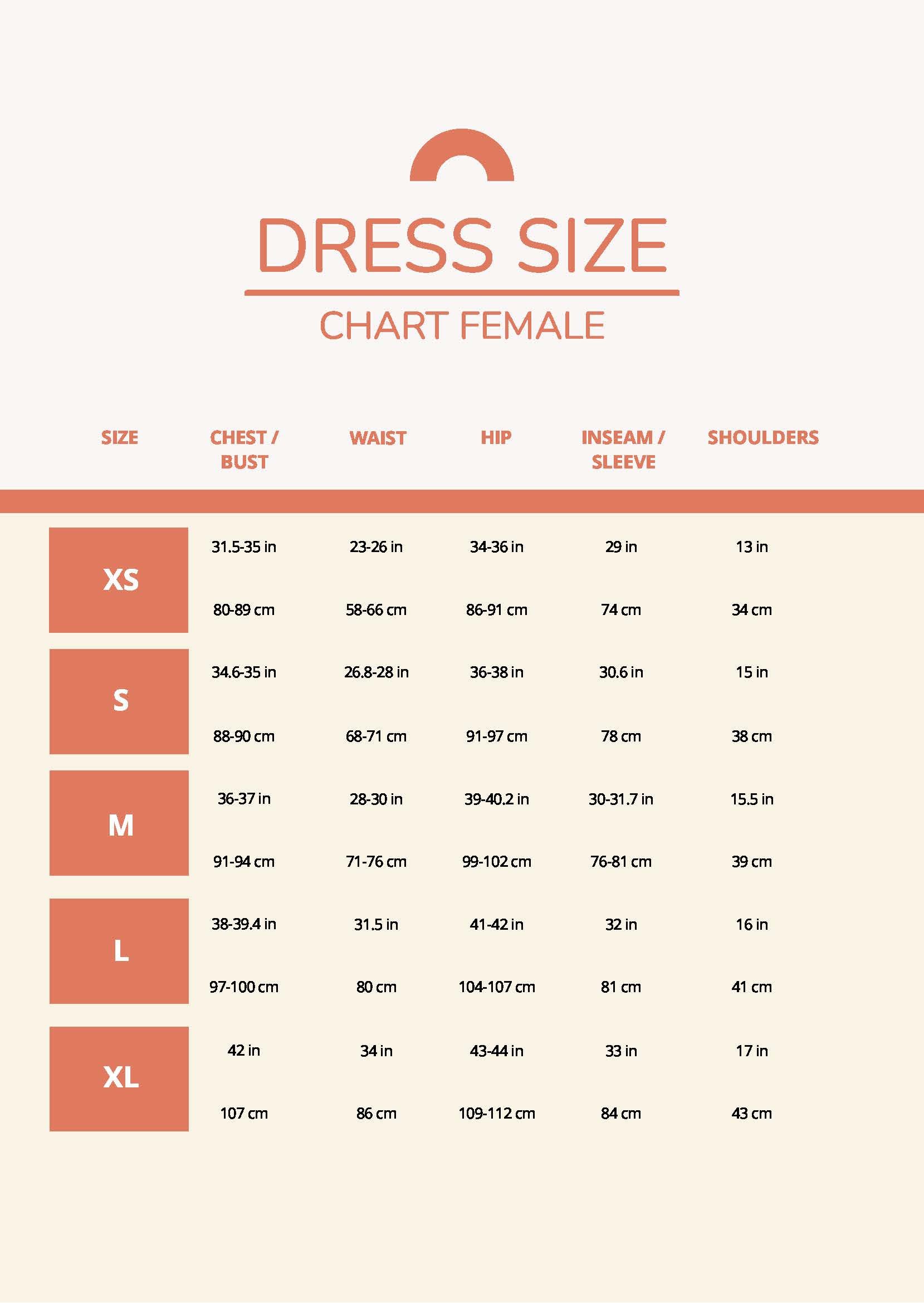
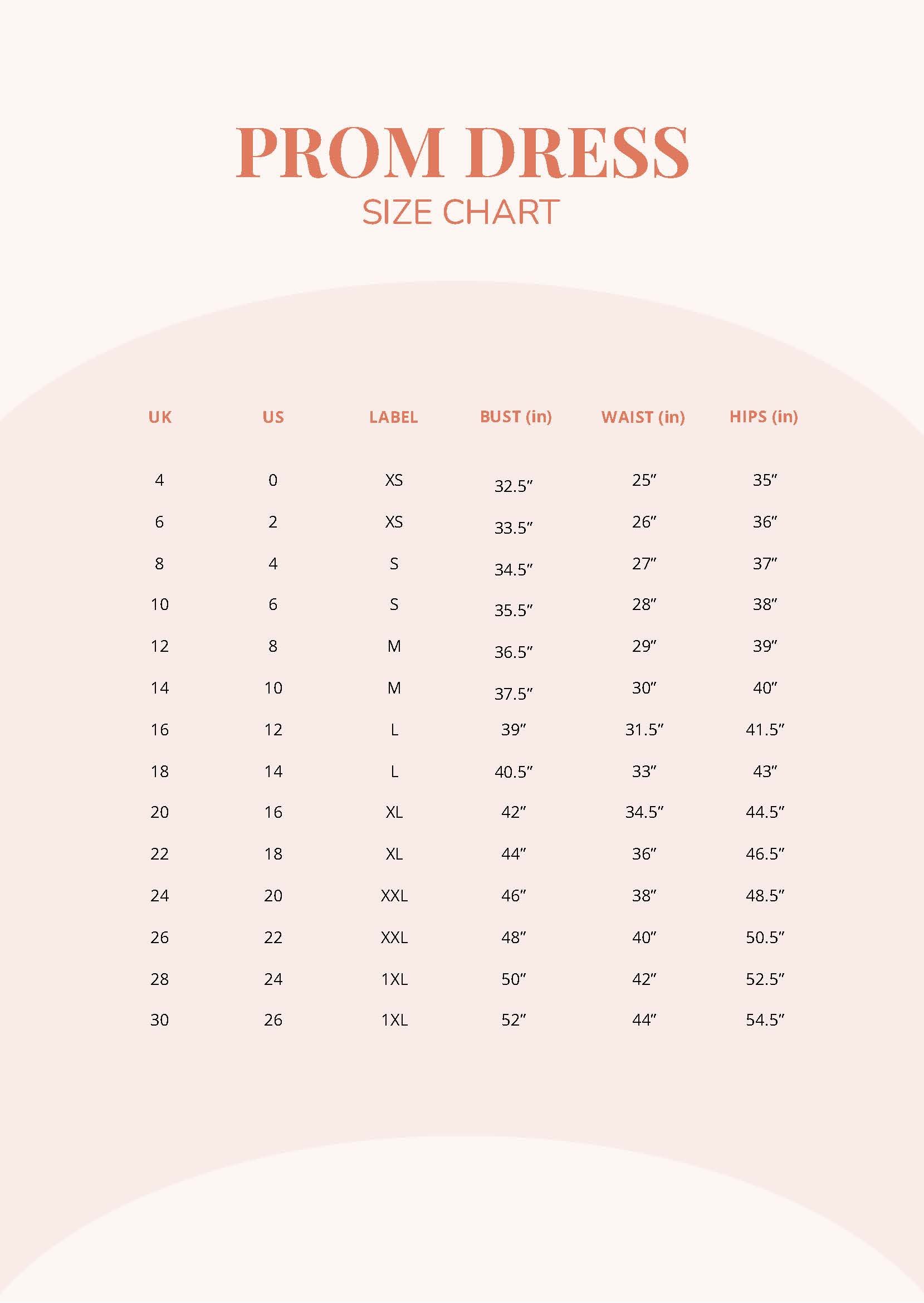
A dress size chart is an essential tool for anyone shopping for clothing, especially online. It provides a standardized guide to help you choose the right size based on your body measurements. This chart is a reference point, offering a clear and consistent way to understand clothing sizes across different brands and styles.
Comparing Standards and Formats
There are several size charts and standards used globally, with variations between regions and even brands. The most common ones are the US standard, UK standard, and international or metric size charts. These charts may differ in their measurement units, categories, and size ranges. For instance, the US standard typically uses inches, while the metric system employs centimeters. It's crucial to know which standard a chart follows to ensure accurate sizing.
Measuring for Accuracy: A Step-by-Step Guide
To use a dress size chart effectively, follow these steps:
Take your body measurements: Measure your bust, waist, and hip circumference using a flexible tape measure. Ensure the tape is not too tight or too loose, and keep it parallel to the floor for accuracy.
Find your size on the chart: Locate the column or row on the chart that corresponds to your measurement. For example, if you are measuring your bust, find the column with the heading "Bust" or "Chest." Look for the row that matches your measurement in inches or centimeters.
Check other measurements: Repeat this process for your waist and hip measurements. It's important to consider all three measurements to ensure a comfortable and flattering fit.
Choose the right size: Once you have your measurements, look for the size that aligns with all three measurements. If your bust, waist, and hip measurements fall into different size categories, it's best to choose the size that fits the largest of the three. This ensures a comfortable fit and prevents the garment from being too tight or restrictive.
Common Misreadings and How to Avoid Them
Misinterpreting a dress size chart can lead to incorrect sizing. Here are some common pitfalls:
Assuming one size fits all: Different brands and styles may have slight variations in their sizing. Always refer to the specific chart for the item you're interested in.
Relying solely on vanity sizing: Some brands use vanity sizing, where the labeled size may not reflect the actual measurements. Always double-check with the provided size chart.
Ignoring body shape: Dress size charts provide a general guide, but your body shape can impact the fit. Consider your body type and choose a size that accommodates your unique shape.
Key Factors Affecting Accuracy
Several factors can influence the accuracy of a dress size chart and your final fit:
Body measurements: Ensure your measurements are accurate and consistent. Small variations can make a difference in the size you choose.
Brand variations: Different brands may have slightly different sizing standards. Always check the brand's specific size chart, especially when shopping online.
Fabric and design: The fabric and design of a garment can impact its fit. Stretchy fabrics may provide more flexibility, while structured designs may require precise sizing.
Personal preference: Your comfort and style preferences play a role. Some may prefer a looser fit, while others opt for a more tailored look.
Adapting the Chart for Your Needs
While dress size charts provide a standardized guide, they may not always fit every individual's unique body shape. Here's how to adapt:
International size conversion: If you're shopping internationally, familiarize yourself with the conversion between different size standards. Online retailers often provide conversion charts to assist with this.
Custom sizing: Some brands offer custom sizing or made-to-measure options. This is especially useful for those with unique body shapes or specific fit requirements.
Size guides and reviews: Many online retailers provide detailed size guides and customer reviews. These can offer valuable insights into the fit and sizing of specific garments.
Remember, the dress size chart is a helpful tool, but it's not an exact science. Listen to your body and trust your instincts when choosing the right size. With a bit of practice and attention to detail, you'll become an expert at finding your perfect fit!
Well, there you have it, a comprehensive guide to dress size charts and their various aspects. Remember, while this guide offers a solid foundation, your unique body and personal preferences play a significant role. So, always double-check the specific requirements and context when applying these charts.
Consider bookmarking this page for future reference; it might come in handy the next time you need a quick reminder on dress sizes and their nuances. Until then, happy measuring and stay stylish!
Related: Understand Roof Slope Chart: A Quick Guide
You're here, searching for a roof slope chart, a handy tool to help you navigate the world of roofing angles and slopes. It's a simple yet effective reference, offering a quick solution to your queries and a guide to understanding the different roof pitches. These charts can provide a clear overview, but it's worth noting that the values and formats may vary depending on your region and specific roofing standards. With a roof slope chart at your disposal, you'll be equipped to make informed decisions and ensure your roofing projects are on the right track.
Understanding the Roof Slope Chart: A Practical Overview
The roof slope chart is an essential reference tool for anyone involved in roofing, construction, or home improvement projects. It provides a visual representation of different roof slopes, helping professionals and homeowners make informed decisions. This chart is a valuable guide, offering a quick and accurate way to understand and communicate roof pitches.
Comparing Common Roof Pitches and Standards
Roof slope charts typically present a range of roof pitches, often expressed as a ratio or degree of incline. The most common format is the slope ratio, which compares the rise (vertical height) to the run (horizontal length). For instance, a 4:12 slope ratio means the roof rises 4 inches for every 12 inches of horizontal length. These ratios are a standard way to describe roof slopes and are widely used in the industry.
Additionally, some charts may include an alternative representation using degrees. For example, a 4:12 slope ratio is equivalent to a 18.43° incline. This dual representation allows for easy conversion and caters to different preferences or requirements.
Step-by-Step Guide to Using the Roof Slope Chart
Utilizing the roof slope chart is straightforward and can be done in a few simple steps:
Identify the slope you wish to measure or specify. This could be a new construction project or an existing roof you need to assess.
Locate the relevant slope ratio or degree on the chart. The chart will typically have a clear layout, with ratios or degrees arranged in a logical manner.
Read the corresponding information for your chosen slope. This may include common applications, recommended materials, or other relevant details.
Cross-reference with other sources or guidelines if needed. While the chart provides a comprehensive overview, it is always beneficial to double-check specific requirements, especially for unique or complex projects.
Avoiding Common Misreadings and Pitfalls
While the roof slope chart is designed for clarity, some potential pitfalls can be avoided with a bit of awareness:
Ensure you are using the correct standard or unit of measurement. Different regions may use imperial or metric systems, so confirm the chart's format matches your needs.
Be mindful of the chart's scale. Some charts may condense or expand the slope ratios for better visualization, so ensure you are interpreting the values accurately.
Understand the limitations of the chart. While it covers a wide range of standard slopes, it may not account for every possible variation. If your project requires a highly specialized slope, additional research or expert advice may be necessary.
Factors Affecting Roof Slope Variations
Several key factors can influence the slope of a roof, and understanding these can help ensure accurate readings and applications:
Roof type: Different roof styles, such as gable, hip, or mansard, can have varying standard slopes.
Climate and weather: Local weather conditions, especially snow loads, can impact the recommended roof slope. Steeper slopes are often preferred in snowy regions to prevent snow buildup.
Building codes and regulations: Local building authorities may have specific requirements for roof slopes, especially in areas prone to extreme weather.
Material considerations: The choice of roofing material can influence the ideal slope. Some materials, like clay tiles, may require a steeper pitch for better water runoff.
Structural limitations: The building's design and structural integrity can limit the feasible roof slope.
Adapting the Roof Slope Chart for Specific Needs
The beauty of the roof slope chart is its adaptability. While standard charts cover a wide range of slopes, you can customize or create variations to suit specific projects:
Create a simplified chart for quick reference, focusing on the most common slopes for your region or project type.
Include additional columns or rows to account for specific factors, such as material recommendations or local building code requirements.
Develop a digital version of the chart, allowing for easy updates and customization. Digital charts can be shared and accessed conveniently.
Maintaining Reliability for Future Projects
To ensure the roof slope chart remains a reliable reference, consider these practices:
Regularly update your chart with any changes in standards or local regulations. Stay informed about industry developments.
Cross-reference with multiple sources to verify the accuracy of your chart. Compare it with reputable guides and industry resources.
Keep a digital or printed copy of the chart in a readily accessible location. Ensure it is easily retrievable for quick reference during projects.
Train your team or educate yourself on the proper use and interpretation of the chart. Understanding the chart's layout and purpose is essential for accurate application.
Well, that's about it for now. We've covered a lot of ground, from understanding the basics of roof slope charts to ensuring their accuracy and reliability. Remember, when it comes to these charts, context is key. Ensure you're using the right chart for your specific needs and double-check any critical values or measurements.
Don't forget to explore our other resources and guides; we've got plenty more practical information to offer, and it might just be the missing piece you need for your next project. Until next time, happy roofing and stay safe up there!
Related: How to Read the Moncler Size Chart: A Simple Guide
A Moncler size chart is a handy tool for anyone looking to navigate their sizing options with ease. This guide will provide a clear overview, offering insights into how to utilize this chart effectively. Whether you're familiar with Moncler's sizing or new to the brand, understanding the size chart is key to ensuring a perfect fit. It's worth noting that sizing can vary, so we'll cover some essential tips to help you interpret the chart accurately, ensuring you make the right choices for your wardrobe.
Understanding the Moncler Size Chart
The Moncler size chart is a valuable tool for anyone looking to purchase Moncler clothing, especially online. It provides a clear guide to help you find your perfect fit, ensuring a comfortable and well-tailored experience. This chart is designed to simplify the sizing process, making it accessible and user-friendly.
Key Details and Categories
The Moncler size chart typically includes measurements for various body parts, such as chest, waist, hips, and sleeve length. These measurements are presented in a clear, tabular format, often with columns for different sizes and rows for each body measurement. The chart may also indicate the standard fit for each size, helping you choose the right style. It's essential to note that Moncler, like many other clothing brands, uses both European and US sizing standards. The chart will usually specify which standard is being used, ensuring accuracy.
Step-by-Step Guide: Reading the Moncler Size Chart
To use the Moncler size chart effectively, follow these steps:
- Identify the sizing standard: Check if the chart uses European or US sizing. This information is crucial for an accurate fit.
- Take your measurements: Using a measuring tape, record your chest, waist, hip, and sleeve length measurements. Ensure the tape is straight and snug, but not tight, to get precise results.
- Compare your measurements: Match your measurements to the corresponding size on the chart. Look for the size where most of your measurements align.
- Consider the standard fit: Moncler provides guidance on the standard fit for each size. This information helps you decide if you prefer a more relaxed or fitted look.
- Double-check specific items: Some Moncler pieces, like jackets, may have unique sizing details. Always refer to the product-specific sizing guide for such items.
Size Variations and Potential Differences
While the Moncler size chart aims for consistency, variations can occur due to:
- Manufacturing processes: Slight differences in production can lead to minor variations in sizing.
- Material stretch: Some fabrics have more give, which can affect the final fit.
- Personal preferences: Individuals may prefer a looser or tighter fit, influencing their size choice.
- Design variations: Certain Moncler styles may have unique cuts or features, impacting the overall fit.
Common Mistakes and How to Avoid Them
To ensure an accurate fit, avoid these common mistakes:
- Relying solely on your usual size: Sizing can vary across brands. Always refer to the Moncler size chart for an accurate fit.
- Ignoring specific item guides: Some Moncler pieces have unique sizing. Always check the product-specific guide.
- Measuring incorrectly: Take precise measurements to ensure an accurate comparison with the chart.
- Neglecting personal preferences: Consider whether you prefer a relaxed or fitted look, and choose accordingly.
Remember, the Moncler size chart is a valuable tool, but it's essential to be mindful of these factors to achieve the perfect fit. With careful consideration and attention to detail, you'll enjoy a comfortable and stylish Moncler experience.
Remember, while this guide offers a comprehensive overview, exact details can vary slightly depending on the specific Moncler product and the context in which you're using the size chart. It's always a good idea to double-check the size guide provided with your chosen item to ensure an accurate fit.
Feel free to bookmark this page for future reference. We also have a range of other practical guides on various topics, so be sure to check them out for all your reference needs!