



Budget Template Online Free Overview
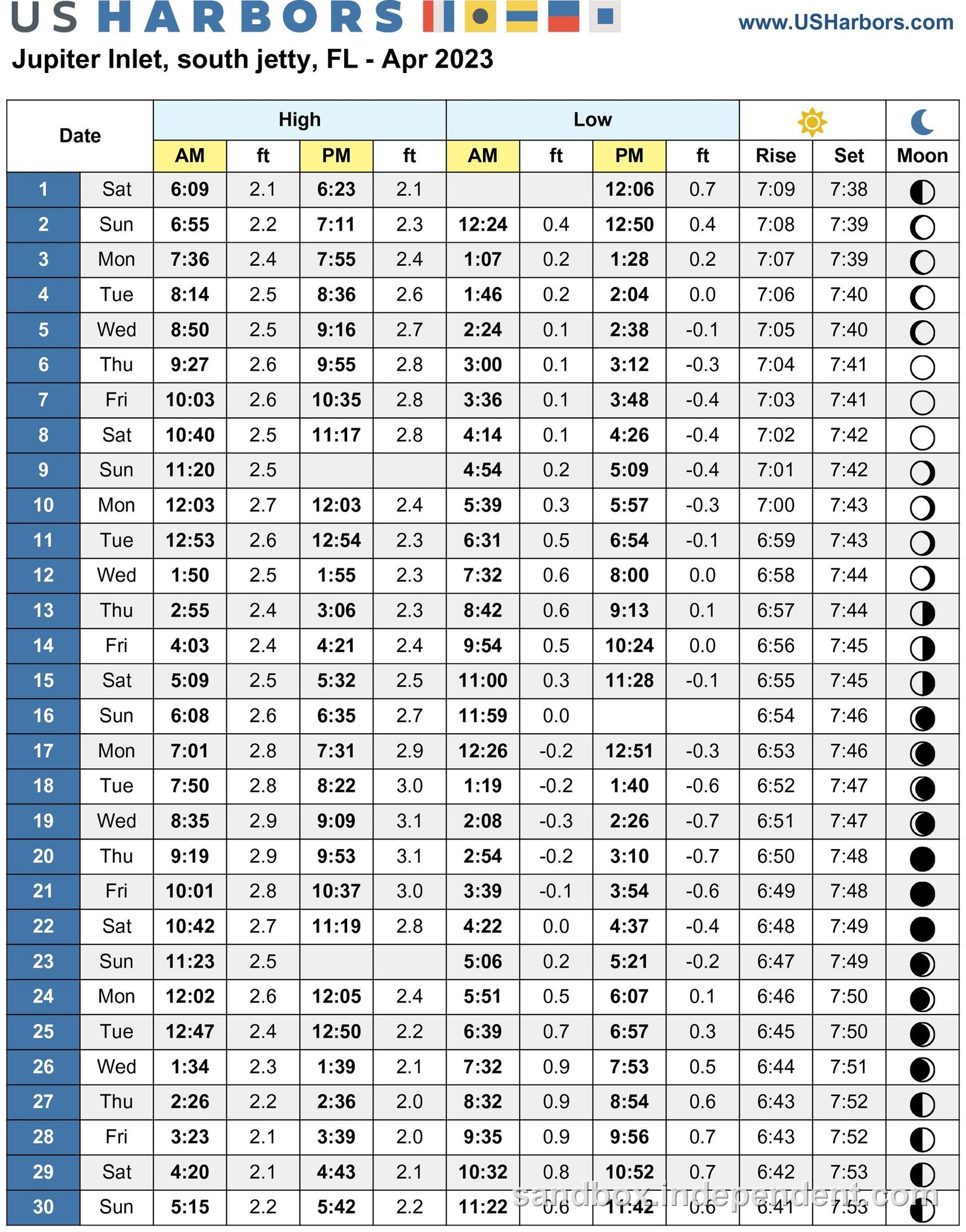
Many people assume that a seaside tide chart is a complex, intimidating tool, but it's actually a simple and incredibly useful reference for anyone spending time by the coast. While it may look like a mysterious code at first glance, with its unique symbols and data, the tide chart is a straightforward guide to understanding the ocean's movements. This chart provides essential information, like tide times and the tidal range, which is crucial for coastal navigation and understanding sea level changes.
Understanding Tides: A Seaside Guide
A seaside tide chart is a handy tool for anyone planning coastal activities or simply curious about the ocean's rhythms. It's a visual representation of the tides, showing the predicted water levels at specific times. This guide will help you decipher the chart and understand its practical applications.
Reading Tide Graphs: Standard Formats and Symbols
The tide chart typically displays a graph with time on the horizontal axis and water level on the vertical. You'll see two main categories: high tide and low tide, often marked with distinct colors or symbols. The values represent the height of the tide, usually in feet or meters, depending on the standard used. Some charts may also include additional information like tidal currents or moon phases.
Step-by-Step: Interpreting a Tide Chart
- Start by identifying the time of day you're interested in. This is crucial for coastal navigation and water depth considerations.
- Locate the corresponding point on the graph. The height at that time indicates the tide level.
- Consider the tidal range, which is the difference between high and low tide. This range can vary, so be mindful of the specific location's characteristics.
- If you're planning activities like fishing or boating, ensure you have the necessary equipment for the predicted water depth.
Common Misunderstandings and How to Avoid Them
One common mistake is assuming that tide charts are universally accurate. While they provide valuable predictions, local variations can occur due to factors like weather and geographical features. Always double-check the specific conditions for your location, especially if you're relying on the chart for safety-critical tasks like coastal navigation.
Factors Affecting Accuracy and Real-World Use
Several elements influence the accuracy of a seaside tide chart. Weather conditions, such as strong winds or storms, can cause deviations from the predicted tide times and heights. Additionally, the chart's accuracy may vary depending on the data source and the frequency of updates. It's essential to use the most recent and reliable data for your specific location. Understanding these factors will help you interpret the chart effectively and make informed decisions.
Well, there you have it! A handy guide to understanding and using tide charts like a pro. Remember, these charts are a valuable tool, but it's always wise to check the specific conditions and requirements for your location and activity.
Don't forget to explore our other guides and resources. We've got plenty of practical tips and insights to help you make the most of your seaside adventures. Happy charting, and we hope to see you back here soon!
Related: What is the USMC Ribbon Chart?
A common misconception about the usmc ribbon chart is that it's solely for military personnel, but this reference tool is incredibly valuable for a wider audience. While it's true that the chart is an essential part of a Marine's uniform and awards system, it also serves as a clear and concise guide for anyone interested in understanding military awards and their significance.
The usmc ribbon chart provides a visual representation of various awards and their respective placements, offering a quick reference for accurate ribbon display. Whether you're a military enthusiast, a historian, or simply curious about the military's recognition system, this chart is an accessible way to learn and appreciate the importance of these awards.
Understanding Ribbon Order and Placement
The USMC ribbon chart is a visual reference guide that helps organize and display the various awards and decorations earned by members of the United States Marine Corps. It provides a clear and standardized way to arrange and present these ribbons, ensuring consistency and an accurate representation of an individual's achievements.
Comparing Ribbon Formats and Standards
The chart typically follows a specific order, with ribbons arranged in rows, often from left to right, and with each row representing a different category or type of award. The ribbons are usually displayed in their full-size format, with each ribbon's unique design and colors representing its specific award.
Step-by-Step Guide to Using the Ribbon Chart
- Start by identifying the different categories of awards. These may include campaign or expeditionary medals, personal decorations, unit awards, and service medals, among others. Each category will have its own unique set of ribbons.
- Within each category, ribbons are typically arranged in order of precedence, with the most senior or prestigious award at the top. This order is important to maintain when displaying ribbons, as it reflects the significance of each award.
- Pay attention to the specific placement and spacing of ribbons. Some ribbons may have unique shapes or designs that require specific positioning to ensure they are displayed correctly and visibly.
- When displaying multiple rows of ribbons, ensure that each row is aligned and evenly spaced. This creates a visually appealing and organized display, making it easier to identify and appreciate each ribbon.
Common Misreadings and How to Avoid Them
One common mistake is misinterpreting the order of precedence. It's important to refer to the official guidelines or regulations when unsure about the correct order, as this can vary depending on the specific award or the individual's service history.
Another pitfall is assuming that all ribbon charts are universal. While the USMC ribbon chart provides a standard guide, there may be variations or exceptions, especially when dealing with international awards or specialized units. Always double-check the specific requirements and guidelines for each award to ensure accurate placement and display.
Remember, the USMC ribbon chart is a valuable tool for organizing and showcasing achievements, but it requires attention to detail and an understanding of the unique characteristics of each ribbon and award.
Remember, while this chart is an excellent tool, it's always wise to cross-reference and ensure you have the most up-to-date information for your specific needs. Double-checking with official sources can save you from any potential pitfalls.
Consider bookmarking this page for future reference; it's a handy resource to have at your fingertips when you need a quick reminder or a more detailed look at the ribbon chart and its applications.
Related: Understand the DVC Point Chart: A Simple Guide
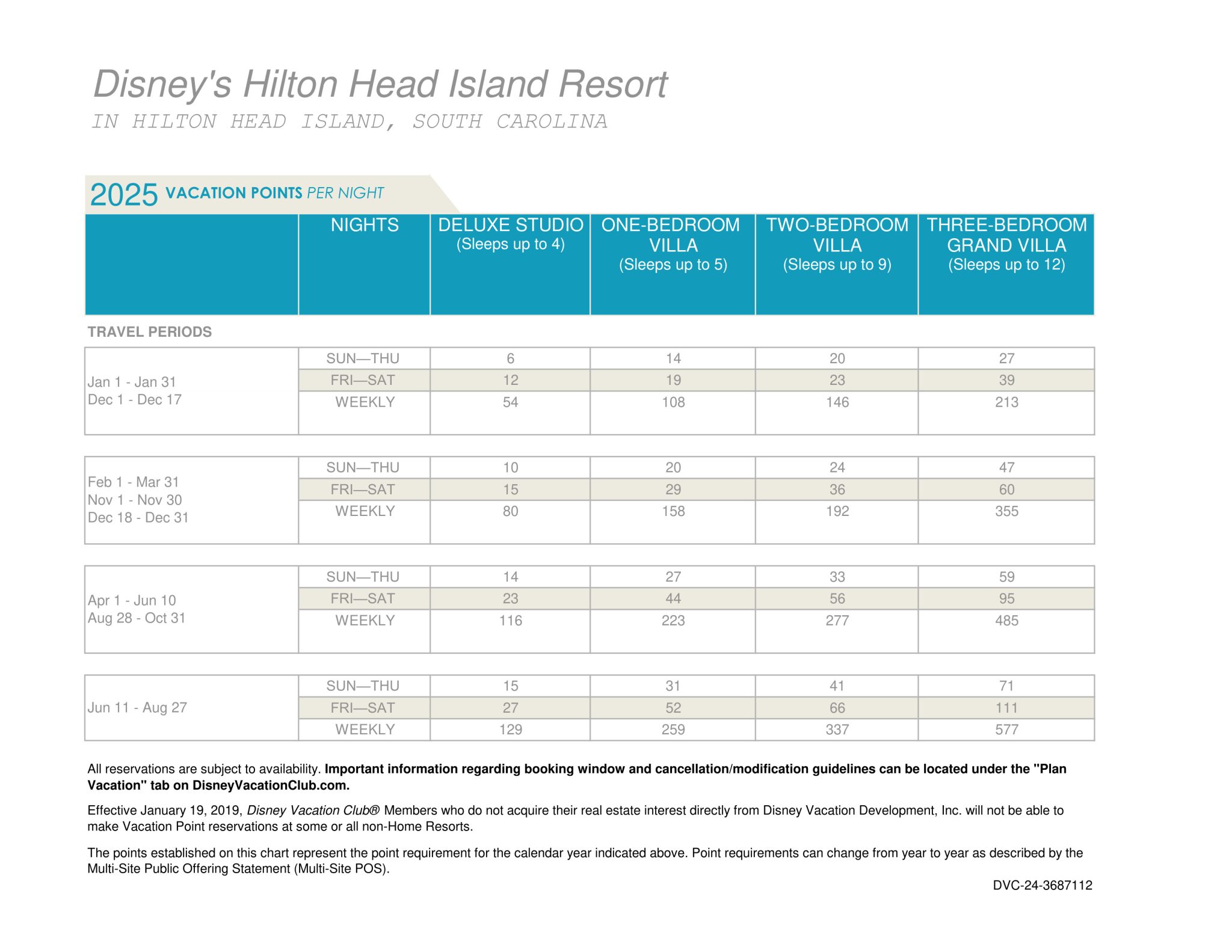
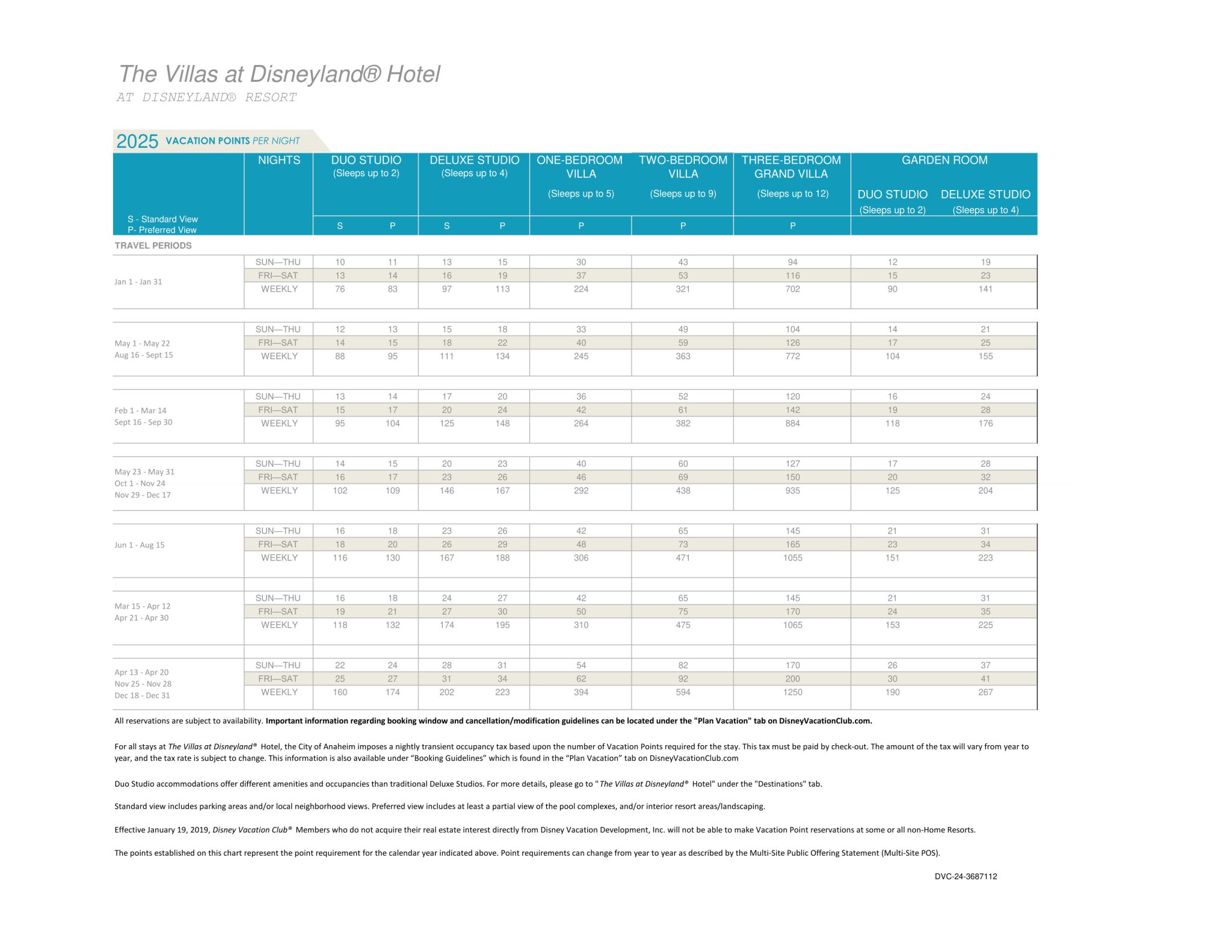
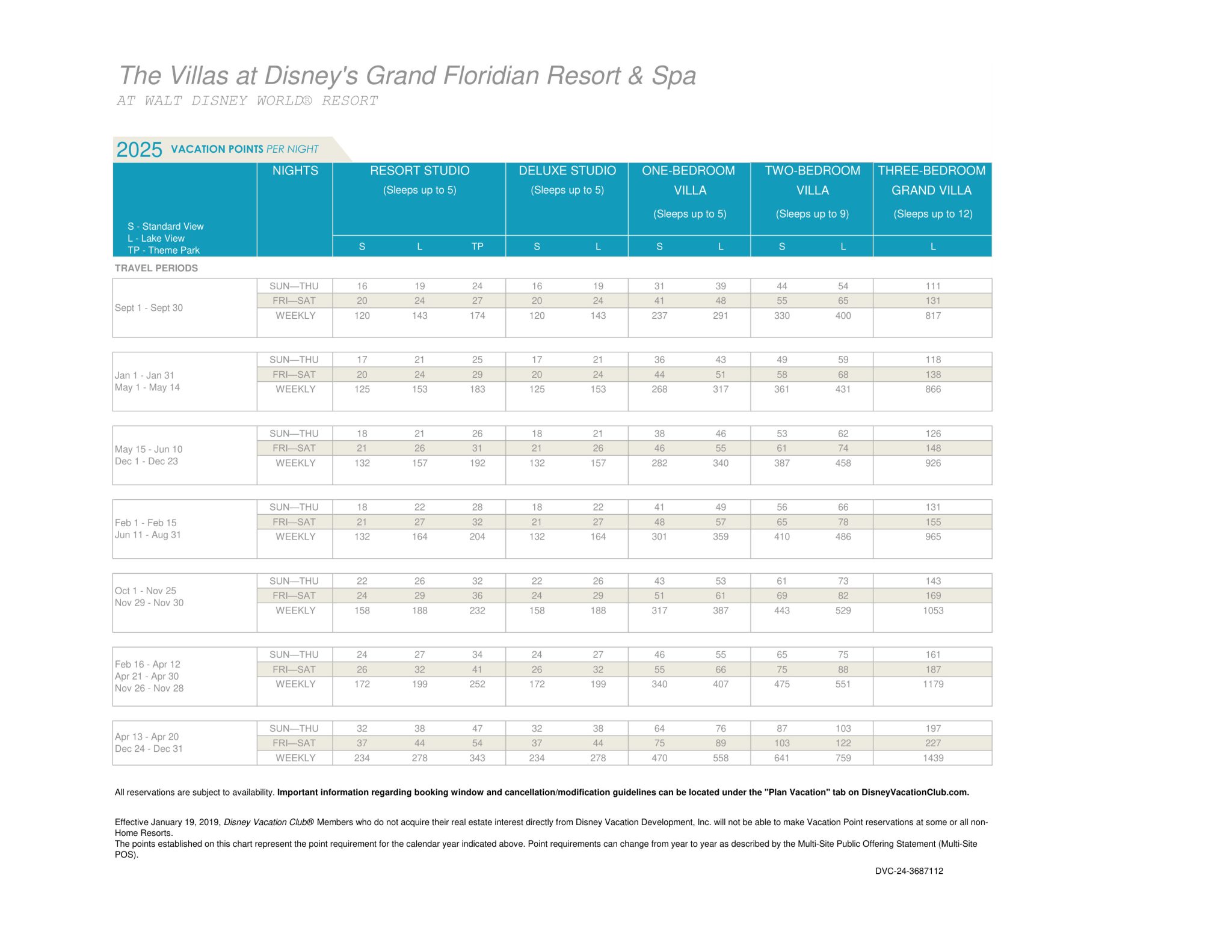
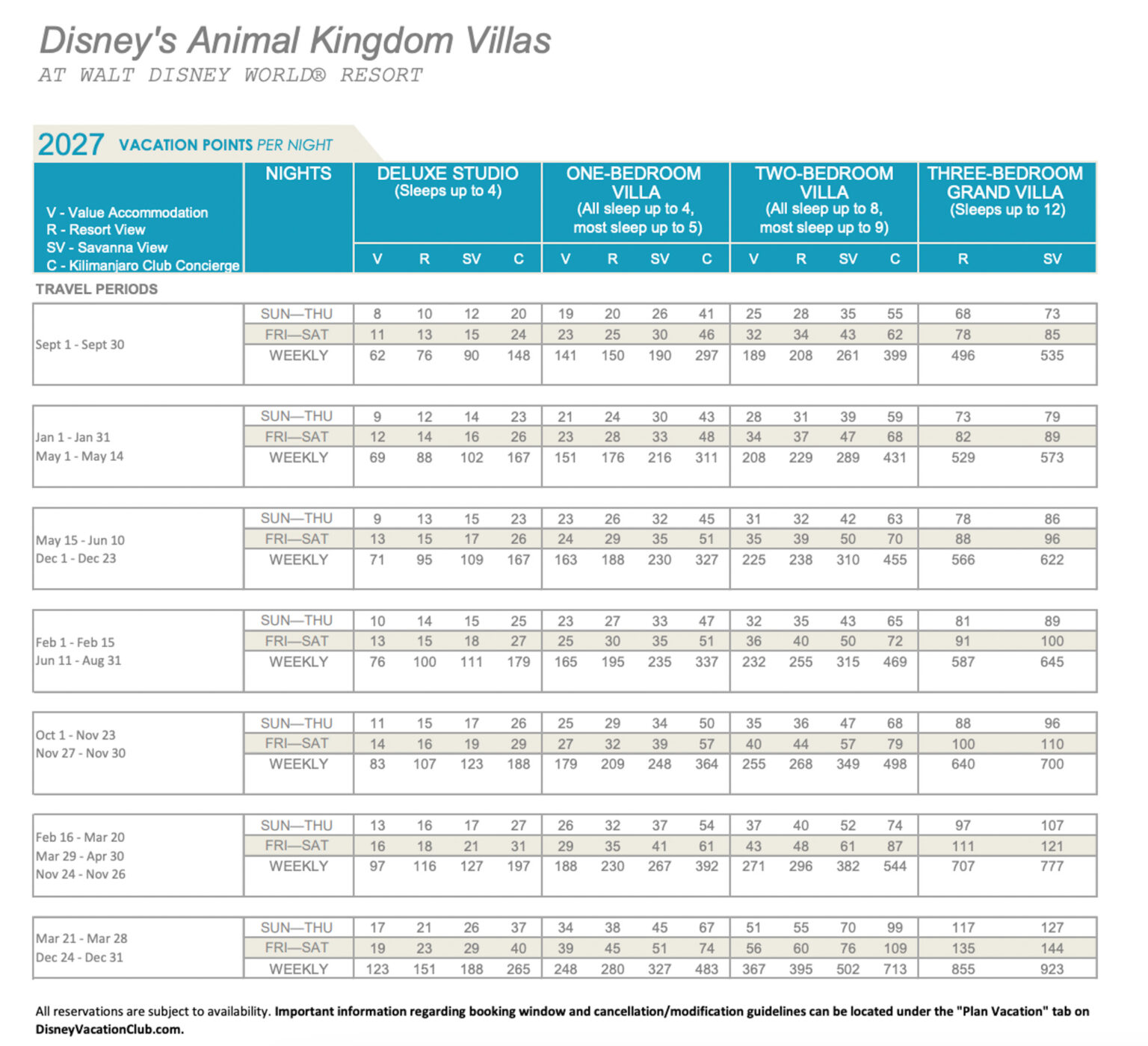
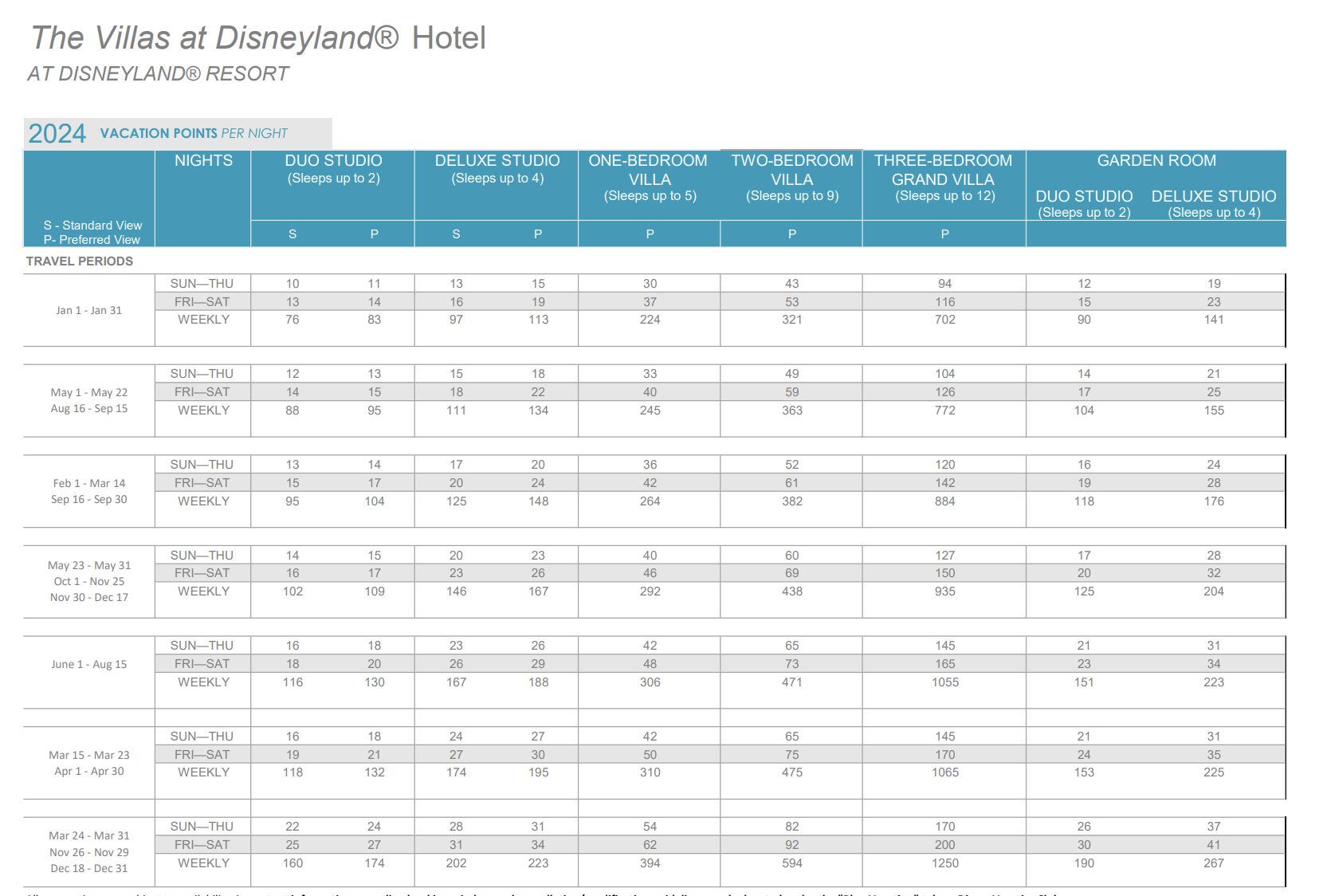
A DVC point chart is a handy tool for Disney Vacation Club members, offering a clear overview of their points and their worth. This guide will navigate you through the essentials, ensuring you understand the ins and outs of this valuable resource.
It's a simple yet effective way to keep track of your Disney points, and while the specific values may vary, the DVC point chart provides a consistent framework to manage and maximize your membership benefits.
Understanding the DVC Point Chart
The DVC point chart is a valuable tool for Disney Vacation Club members, offering a clear overview of point values and their redemption options. It's like a map guiding you through the world of Disney vacations, helping you plan and make the most of your membership benefits.
Key Details and Categories
Before diving into the chart, let's get familiar with some basics. The DVC points system operates on a point-based currency, where each point holds a specific value. These points can be used for various purposes, primarily for booking accommodations and experiences within the Disney realm. The chart displays point values, typically ranging from 1 to 100, and sometimes even higher for premium options. It's important to note that these values may differ based on the standard or region, so always check the relevant chart for your specific membership.
Reading and Applying the DVC Point Chart
Now, let's explore how to navigate and utilize the DVC point chart effectively. Here's a step-by-step guide:
Identify Your Point Balance: Start by knowing your current point balance. This information is crucial for planning your vacation and understanding your options.
Consult the Chart: Refer to the DVC point chart to see the point values for different accommodations and experiences. Each entry on the chart will typically show the point value required for a specific option, along with any relevant details or restrictions.
Plan Your Vacation: Using the chart, select the accommodations and experiences that align with your preferences and point balance. Consider factors like travel dates, resort preferences, and the number of people in your party.
Calculate and Reserve: Once you've made your choices, calculate the total points needed for your desired vacation. You can use a DVC point calculator for this, which will provide an accurate estimate. Reserve your accommodations and experiences by following the booking process outlined by Disney Vacation Club.
Variations and Differences
It's worth noting that DVC point charts may vary across different standards and contexts. Here are some key factors that can influence the values and redemption options:
- Resort and Location: Different Disney resorts and destinations may have varying point values due to their popularity, amenities, and location.
- Seasonality: Point values can fluctuate based on the time of year, with peak seasons often requiring more points.
- Membership Type: The type of membership you hold, such as a standard or premium plan, can impact the point values and redemption options available to you.
- Special Events and Promotions: Disney may offer special events or promotions that affect point values and redemption rates.
Remember, while the DVC point chart provides a valuable overview, it's always a good idea to double-check the exact specifications and tolerances for your specific membership and vacation plans. This ensures an accurate and enjoyable Disney experience!
Well, there you have it! The DVC point chart is a handy tool, and now you know the ins and outs of using it. Remember, while the basics remain the same, the exact details might shift a little based on your specific situation.
Feel free to explore our other guides; we've got plenty of practical tips and tricks to help you navigate various aspects of your projects. Happy reading, and we hope you find the info you need!