



Budget Template With Fixed And Variable Costs Overview
A quilt size chart is a handy tool for quilters and crafters, offering a quick guide to standard quilt dimensions. This simple reference ensures your projects turn out perfectly sized, every time.
The chart covers a range of common quilt sizes, from crib quilts to king-size creations. It's a useful resource, especially when you're working with different quilt patterns and want consistent results. Keep in mind that quilt sizes can vary slightly between regions and standards, so it's a good idea to check the chart's source for any specific details.
Quilt Size Chart: A Guide to Standard Sizes
Quilt size charts are a handy tool for quilters and crafters, providing a quick reference for the standard dimensions of quilts. These charts offer a practical guide to ensure your quilts fit the intended purpose, whether it's a cozy bed cover or a baby crib quilt. Let's dive into understanding this chart and how to use it effectively.
Key Details and Units
The quilt size chart typically includes a range of common quilt sizes, from crib quilts to king-size bed quilts. It provides the length and width measurements in inches, which are standard units for quilt sizes. Some charts may also include metric measurements for international use. The chart categories often cover crib, twin, full, queen, and king sizes, along with their respective dimensions.
Reading the Chart: A Step-by-Step Guide
Using the quilt size chart is straightforward. First, identify the purpose of your quilt. Are you making a baby quilt, a bed cover, or a unique size for a specific project? Once you know the intended use, locate the corresponding category on the chart. For instance, if you're making a queen-size bed quilt, find the "Queen" category. The chart will provide the recommended length and width measurements for that size. Simply follow these dimensions when cutting and assembling your quilt top, backing, and batting.
Variations and Differences
While the quilt size chart offers standard measurements, variations can occur due to different standards and contexts. For example, some regions may use metric measurements, leading to slight differences in dimensions. Additionally, quilt sizes can vary based on the intended use. A crib quilt for a baby might have different dimensions compared to a decorative wall hanging quilt. It's essential to consider the purpose and any specific requirements when using the chart.
Common Mistakes and How to Avoid Them
One common mistake is assuming that all quilts must adhere strictly to the chart's measurements. Remember, the quilt size chart provides guidelines, but your personal preferences and the project's needs may vary. Another mistake is overlooking the intended use. Always consider whether you're making a bed quilt, a throw, or a unique size for a specific purpose. Misinterpreting the chart's categories can also lead to errors. Ensure you understand the difference between crib, twin, and other sizes before selecting your measurements.
Practical Tips for Accurate Sizing
To ensure accurate sizing, double-check the specific requirements for your project. If you're making a quilt for a bed, measure the bed's dimensions and consider the desired overhang. For unique projects, measure the intended space and adjust the quilt size accordingly. It's also beneficial to have a basic understanding of fabric widths and yardage requirements. This knowledge will help you calculate the fabric needed for your quilt size accurately. Lastly, consider the quilt's purpose and any personal preferences for thickness or design elements that might impact the overall size.
By following these practical tips and understanding the quilt size chart, you'll be well-equipped to create quilts that fit perfectly for their intended use. Happy quilting!
Hey there, quilter! Now that we've covered the ins and outs of quilt sizes, remember that these details can shift a bit depending on your specific project and the resources you're using. So, keep an eye out for any variations and adapt as needed.
If you're new to quilting or just want a handy reference guide, be sure to bookmark this page for future use. It's a great way to ensure your quilts turn out perfectly sized every time!
Related: Navigate Boston Tides with Confidence
A Boston tide chart is a handy tool for anyone interested in understanding the tides and water levels in the Boston area. This guide will provide a straightforward overview, ensuring you can read and utilize the chart with ease.
The chart offers a visual representation of tide times, heights, and predictions specific to Boston Harbor. It's a valuable resource for various activities, from boating and fishing to simply enjoying the harbor's beauty. While the format may vary slightly, the essential information remains consistent, making it a reliable companion for all your coastal adventures.
Understanding Tide Data: A Guide to Boston's Tidal Patterns
The Boston tide chart is a valuable tool for anyone interested in the city's water levels and tidal movements. It provides a visual representation of the predicted tides, offering insights into the rise and fall of the Boston harbor tides. This guide will help you interpret the chart and understand its practical applications.
Comparing Tide Graphs and Charts: Formats and Standards
There are various ways to present tide data, but the Boston tide chart typically follows a standard format. It displays a graph with time on the horizontal axis and tide height on the vertical axis. The chart often includes a legend or key, indicating the different tide levels and their corresponding heights. You may find charts using either feet or meters, depending on the standard adopted.
Reading Tide Graphs: A Step-by-Step Guide
To read a Boston tide chart accurately, follow these steps:
Identify the time scale: The chart's horizontal axis represents time, usually in 24-hour format. Ensure you understand the time intervals and any adjustments for daylight saving.
Locate the tide height: The vertical axis shows the tide height, typically in feet or meters. Each mark represents a specific height, and the scale may vary depending on the chart's focus.
Interpret the data: The graph's lines or curves represent the predicted tide levels over time. High points indicate high tides, while low points show low tides. The chart may also include additional information, such as the moon's phase, which can influence tidal patterns.
Plan your activities: With the tide data at hand, you can now plan your boating, fishing, or beach activities accordingly. High tides may offer better conditions for certain activities, while low tides can expose interesting marine life or provide access to specific areas.
Common Misreadings and Pitfalls: Practical Tips
While the Boston tide chart is a reliable tool, it's essential to be aware of potential pitfalls:
Weather conditions: Extreme weather events can impact tidal patterns, so always check the weather forecast and consider any storm surges or unusual weather patterns that may affect water levels.
Local variations: Boston harbor may have unique features or obstacles that can cause variations in tidal flow. Be aware of any local factors that might influence the actual water levels.
Time accuracy: Ensure you are using the correct time zone and adjust for any time changes, especially during seasonal transitions. A few minutes' difference can impact the accuracy of your readings.
Remember, the Boston tide chart is a predictive tool, and actual conditions may vary. It's always a good practice to double-check the current tide levels and water conditions before heading out.
While the specifics may differ slightly based on your unique circumstances, the key principles outlined here should provide a solid foundation for understanding and utilizing Boston tide charts. Remember, these charts are an invaluable tool for anyone planning coastal activities, offering a glimpse into the ebb and flow of the ocean's tides.
Feel free to explore our other guides and resources, where you can find more practical insights and tips to enhance your coastal adventures. Happy charting!
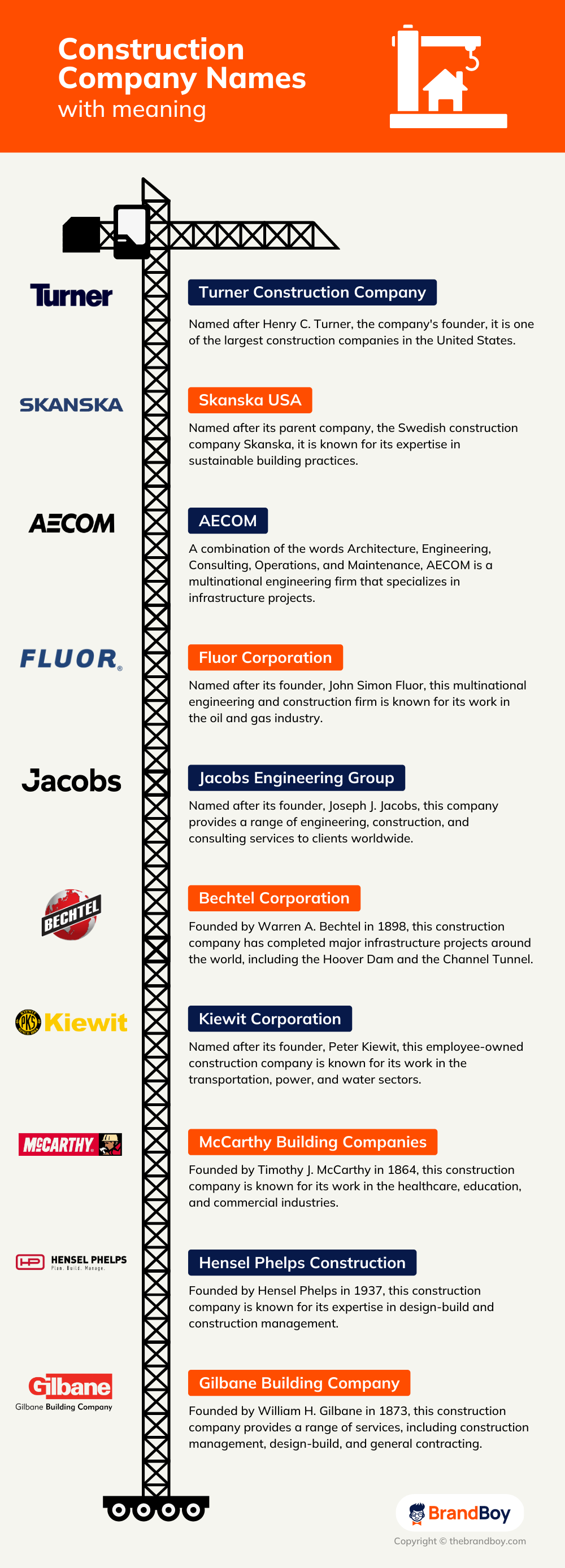
Related: Unique Construction Names With Meaning Essential Guide
I was chatting with a friend recently, and we got onto the topic of unique construction names with meaning. It's something I've always found fascinating, how a name can capture the essence of a business and leave a lasting impression. So, I thought I'd share some thoughts and insights on this fun aspect of the construction world.
The Power of a Name
A unique and meaningful name for your construction business can set you apart from the competition. It's your first chance to make an impression and connect with potential clients. But what makes a good name? Well, it's a balance between creativity and practicality. You want something memorable, but it also needs to reflect your business's values and services.
Consider the tone and message you want to convey. Is your business focused on innovative, modern construction? Or do you specialize in traditional, heritage-style builds? The name should hint at your expertise and the unique value you bring to the table. It's a chance to showcase your personality and make a bold statement.
Naming Your Business
When brainstorming names, think about words and phrases that resonate with your brand. It could be a play on words, a nod to your location, or a reference to the services you offer. Get creative, but also ensure the name is easy to remember and pronounce. You don't want potential clients stumbling over your business name!
Here are a few original ideas to spark your imagination:
- Build-it-Bright
- Construct-a-Dream
- Hammer & Hive
- Modern Foundations
- Eco-Build Solutions
- The Bricklayer's Club
Remember, it's crucial to check the availability of your chosen name. You'll need to register it with local authorities and secure the domain name for your website. It's a good idea to consult a legal professional to ensure you're covering all the bases.
Standing Out in a Competitive Industry
The construction industry is bustling with businesses, both large and small. So, how do you make your company stand out? A unique and meaningful name is one way to differentiate yourself. It shows you've put thought into your brand and helps you build a strong identity.
Large construction firms often have well-established names that reflect their size and scope. They might incorporate their location or a reference to their long history. Smaller businesses, on the other hand, can use unique names to their advantage, showcasing their specialty and personality.
Finding the Right Contractor
When searching for a contractor, whether for a large-scale project or a home renovation, it's essential to do your research. A unique name can be a great conversation starter, but it's what's behind the name that matters most.
Ask for recommendations from friends and family, and check online reviews. Get quotes from several contractors and compare their services and prices. Don't be afraid to ask questions and ensure you understand the scope of the work and any potential additional costs. A good contractor will be transparent and happy to answer your queries.
Tools of the Trade
In the construction world, there are various tools and resources to help with estimating costs and managing projects. One such tool is RSMeans, a database that provides cost data for various construction projects. It's a valuable resource for both contractors and clients, offering insights into the potential costs of a build.
However, it's important to remember that these tools provide estimates, and the final cost can vary depending on factors like location, materials, and labor. Always get a detailed quote from your contractor and compare it with other estimates to ensure you're getting a fair price.
Final Thoughts
Choosing a unique and meaningful name for your construction business is an exciting step. It's a chance to showcase your creativity and leave a lasting impression. Remember to keep it practical and ensure your name reflects your brand's values and services. And when hiring a contractor, take the time to research and compare, ensuring you find the right fit for your project. Happy building!