

Budget Worksheet Simple Overview
You're likely here because you're seeking a reliable resource, a quick reference guide, or perhaps you're in the middle of a cooking adventure and need to check those beef cuts chart details. It's a handy tool, a visual aid, and a great way to navigate the world of beef cuts, ensuring you can identify and utilize the right cut for your culinary creations. The beef cuts chart offers a simple yet effective way to understand the various cuts, their names, and their ideal uses, be it for grilling, roasting, or slow-cooking. While formats and values may vary slightly depending on your region or the butcher's chart, the fundamentals remain the same, providing a solid foundation for your meat-cooking endeavors.
Understanding the Beef Cuts Chart: A Practical Guide
The beef cuts chart is an invaluable tool for anyone who enjoys cooking with beef, offering a comprehensive visual guide to different cuts and their characteristics. This chart provides a quick reference for selecting the right cut for your culinary needs, whether you're looking for a tender steak or a flavorful roast.
Comparing Beef Cuts: Standards and Formats
Beef cuts charts typically organize cuts into categories based on the animal's anatomy, with each cut having its own unique qualities. You'll find categories like "rib," "loin," "chuck," and "round," each with its own sub-cuts. These charts often include additional information such as cooking recommendations, ideal cooking methods, and even storage tips. The format may vary, but the essential details remain consistent, ensuring you can make informed choices.
Step-by-Step Guide to Using the Chart
To utilize the beef cuts chart effectively, follow these steps:
Identify the primary cut you wish to use. This is usually based on the recipe or your desired dish.
Refer to the chart to locate the specific cut. It's helpful to know alternative names or common abbreviations, as these may be used interchangeably.
Check the recommended cooking methods and any special instructions. Some cuts may require specific preparation or cooking techniques to achieve the best results.
Consider the serving size and adjust the quantity as needed. The chart often provides guidance on portion sizes, ensuring you have enough for your meal.
Finally, review any storage tips provided. Proper storage is crucial to maintaining the quality and safety of your beef.
Avoiding Misreadings and Pitfalls
While the beef cuts chart is designed for clarity, a few common misreadings can occur. Here's how to avoid them:
Pay attention to the scale or size of the cut. Some charts may use different scales, so ensure you're interpreting the measurements correctly.
Understand the cooking recommendations. These are often general guidelines, and you may need to adjust cooking times or methods based on your specific oven or grill.
Be aware of regional variations. Different countries or regions may have unique names or classifications for certain cuts, so double-check if you're unsure.
Factors Affecting Accuracy and Real-World Use
Several key factors can influence the accuracy and practical application of the beef cuts chart:
Beef quality: The grade of beef, such as prime or choice, can impact the tenderness and flavor of the cut.
Aging: Proper aging enhances flavor and tenderness. The chart may not specify aging, so consider this factor when selecting your cut.
Cut thickness: Thicker cuts may require adjustments to cooking times.
Personal preference: Your own taste and cooking style can guide your choices, even if they deviate slightly from the chart's recommendations.
Cooking measurements: Ensure you're using the correct units and conversions for your region or standard.
Adapting the Chart for Specific Needs
While the beef cuts chart provides a comprehensive guide, you may need to adapt it for specific recipes or preferences. Here are some tips:
If you're cooking for a large group, adjust portion sizes accordingly.
For special dietary needs, consider alternative cuts or cooking methods that align with those requirements.
If you have a favorite recipe that calls for a specific cut, use the chart to find suitable alternatives if that cut is unavailable.
Experiment with different cooking techniques to discover new flavors and textures.
Remember, the beef cuts chart is a versatile tool, and with a little practice, you'll become an expert at navigating it and creating delicious beef dishes.
Well, there you have it, a comprehensive guide to beef cuts and their uses. Remember, when it comes to selecting the right cut for your culinary creations, it's always wise to consider your specific needs and the context in which you'll be using them.
Feel free to explore our other guides and resources; we've got a whole host of practical information to help you navigate the world of cooking and beyond. Happy browsing, and here's to delicious adventures!
Related: Learn the Violin Notes Chart: A Simple Guide
A violin notes chart is a handy tool for any violinist, offering a quick glance at the notes and their positions. This guide will cover the basics, helping you navigate and utilize this reference effectively.
The chart provides a visual representation of the violin's strings and their corresponding notes. While the standard tuning is a common reference point, it's worth noting that variations can occur, especially with different playing styles and regional traditions.
Understanding the Violin Notes Chart
The violin notes chart is a handy tool for any violinist, offering a visual guide to the notes and their positions on the fingerboard. It's like a map, helping you navigate the strings and find the right notes with ease. This chart is especially useful for beginners, providing a clear reference point as they learn to play.
Comparing Note Patterns and Formats
There are various types of violin notes charts, but the most common format shows the fingerboard with frets or positions marked. Each fret or position corresponds to a specific note. You'll often see charts with different colors or symbols to indicate the notes on each string. Some charts also include finger placement guides, showing you where to position your fingers for each note.
Using the Chart: A Step-by-Step Guide
- First, familiarize yourself with the chart. Understand the layout and how the notes are represented. Each string has its own unique set of notes, so pay attention to the differences.
- Next, locate the open strings. These are the notes played without pressing any fingers on the fingerboard. You'll see them at the top of the chart, typically marked as G, D, A, and E.
- Now, start exploring the notes on each string. Press your finger at the indicated positions to play the corresponding notes. For example, if the chart shows a green circle at the third position on the D string, that indicates the note F#.
- Practice moving between notes smoothly. Try playing scales or simple melodies using the chart as a guide. The more you practice, the easier it will be to memorize the note positions.
- As you advance, you can explore alternative tunings and more advanced techniques. The chart can still be a valuable tool, even for experienced players, as it provides a quick reference for less familiar pieces or new styles.
Common Misreadings and How to Avoid Them
One common mistake is assuming that the chart represents the exact position of your fingers. Remember, it's a guide, and your hand size and finger length may vary. Always adjust the finger placement slightly to find the most comfortable and accurate position for your hand.
Another pitfall is ignoring the context. The chart provides a general guide, but the specific piece you're playing may require slight variations. Always refer to the sheet music or listen to the piece to understand the intended notes and their context.
Factors Affecting Accuracy and Real-World Use
The accuracy of the violin notes chart depends on several factors. Firstly, the chart's scale and size can impact its precision. A larger chart may provide more detail, but it's essential to find a balance between size and portability.
Secondly, the chart's design and formatting can affect its usability. Look for charts with clear, easy-to-read fonts and colors. Avoid overly complex designs that may distract from the main purpose of the chart.
Lastly, remember that the chart is a tool, not a substitute for practice and musical understanding. It's a guide to help you find the right notes, but the real magic happens when you internalize the music and play with expression and feeling.
Hey there! We've covered a lot of ground in this blog post, giving you a comprehensive guide to violin notes charts. Remember, these charts are a handy tool, and while the basics remain the same, you might find slight variations depending on your specific needs and the source you're using.
So, the next time you're practicing or teaching, be sure to bookmark this page for a quick reference. It's always good to have these resources at your fingertips, and we've got plenty more guides to explore, so feel free to dive in and discover more!
Related: Find the Right Dog Size: A Simple Chart
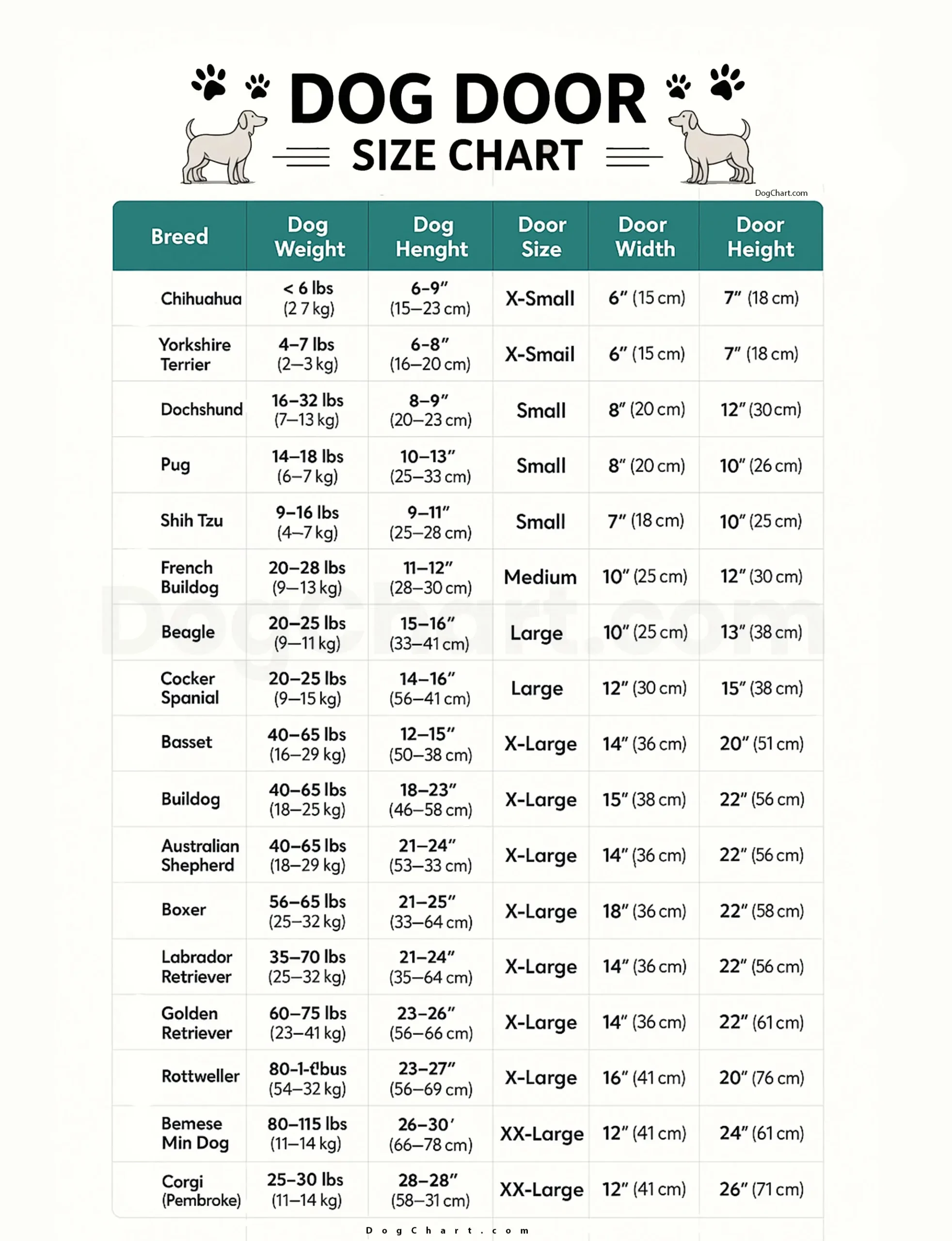
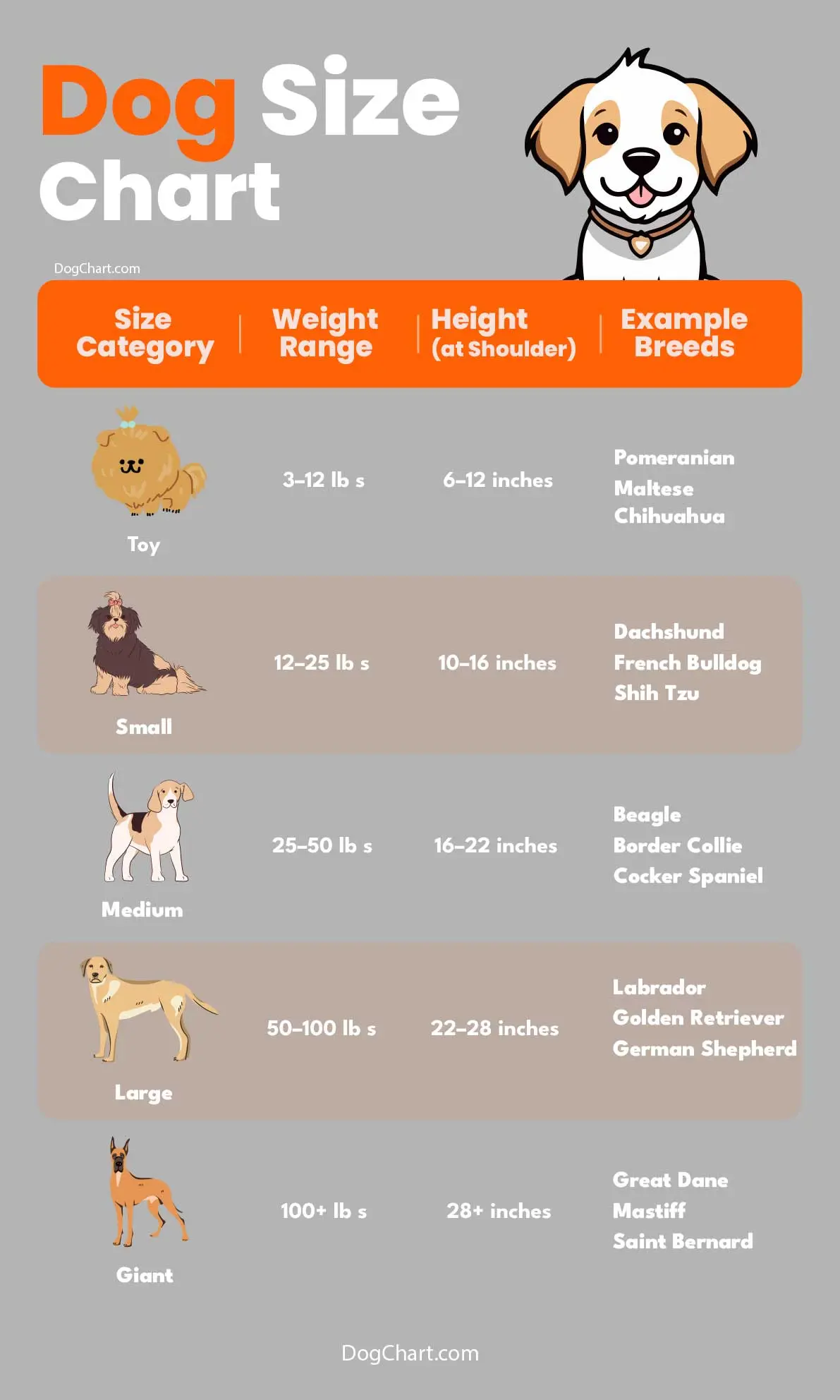
You're likely here because you need a quick reference, a reliable guide to help you understand dog size charts and their applications. These charts are an essential tool for anyone dealing with canine care, offering a simple yet effective way to visualize and compare dog sizes. From small dog breeds to larger ones, the dog size chart provides a clear overview, often including weight charts and breed size standards. It's a handy resource, especially when metric conversions or imperial measurements are involved.
Understanding the Dog Size Chart: A Practical Guide
The dog size chart is a valuable tool for anyone wanting to quickly estimate a dog's size and understand its standard category. This chart provides a visual reference, typically using height and weight measurements, to categorize dogs into various size groups. It offers a convenient way to grasp the size range of different breeds and individual dogs.
Standard Size Categories: Comparing the Options
The dog size chart typically divides dogs into categories like small, medium, large, and extra-large. These categories are based on standardized height and weight ranges. For instance, a small dog might be defined as under 10 inches tall and weighing less than 20 pounds, while a large dog could be over 24 inches tall and weigh more than 50 pounds. These ranges can vary slightly between different charts and standards, so it's essential to check the specific guidelines you are using.
Measuring Your Dog: A Step-by-Step Guide
- Stand your dog upright on a flat surface, ensuring they are comfortable and relaxed.
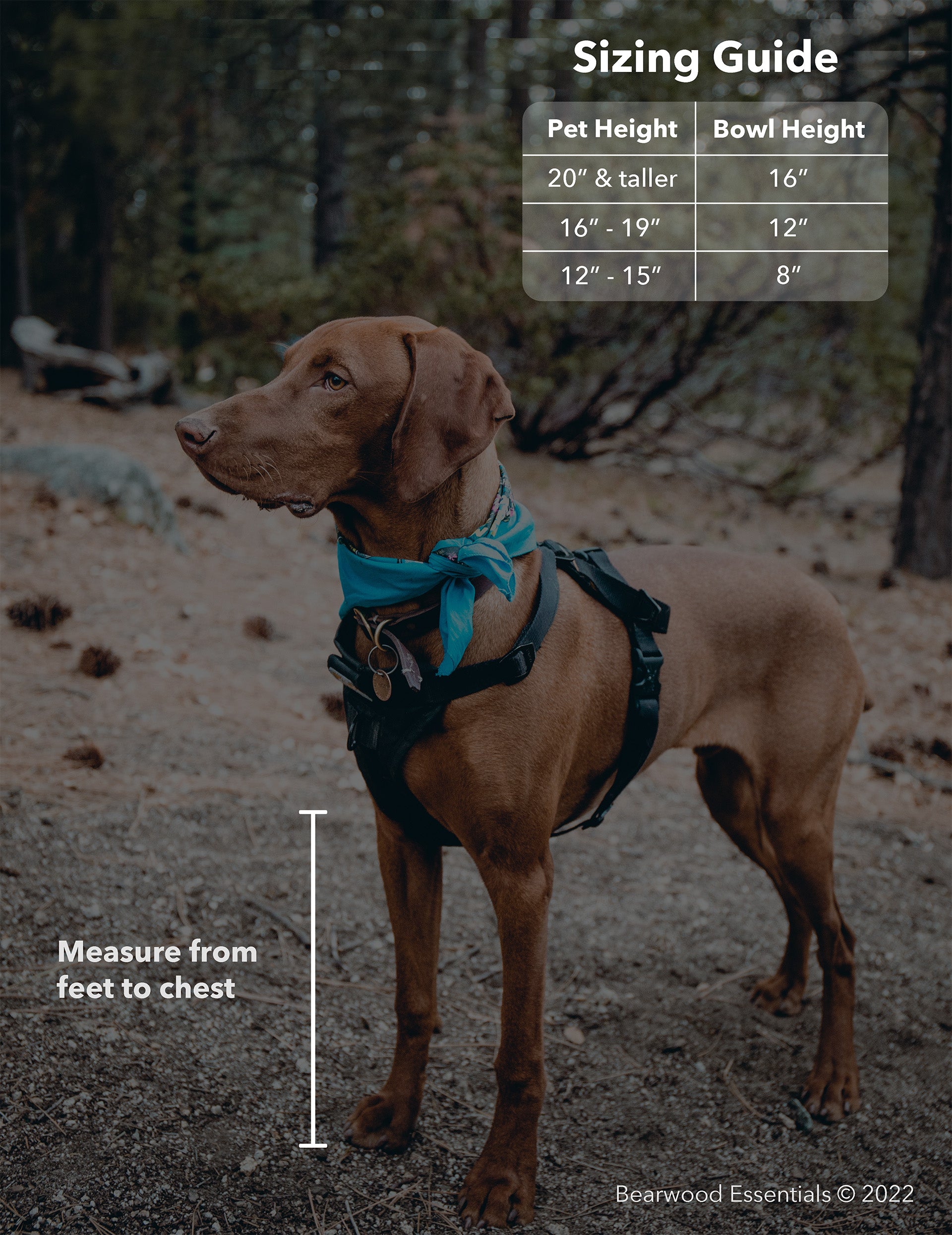
- Use a measuring tape to record their height from the ground to the highest point of their shoulder or withers.
- Weigh your dog using a scale suitable for their size. Ensure they are stationary and the scale is level.
- Compare these measurements to the dog size chart to determine their size category.
Common Misreadings and How to Avoid Them
One common mistake is assuming that all dogs within a size category are the same. While the chart provides a standard, individual dogs can vary significantly within these ranges. Additionally, some breeds may have unique characteristics that affect their size, such as long legs or a heavy build. Always consider these factors and compare your dog's specific measurements to the chart rather than relying solely on their breed's typical size.
Key Factors Affecting Accuracy and Real-World Use
Several factors can impact the accuracy of the dog size chart. First, the chart's measurements are approximate and may not account for all variations in dog breeds and individuals. Second, dogs can change size over time, especially during growth or weight fluctuations. Regularly re-measuring your dog, especially if they are young or their weight is changing, ensures the most accurate assessment. Finally, remember that the chart is a guide, and individual dogs may not fit neatly into a single category. Always consider your dog's unique characteristics and consult a veterinarian for specific health or nutritional advice based on their size and breed.
Well, there you have it! A comprehensive guide to dog size charts, covering all the bases. Remember, while these charts provide a helpful framework, exact values may differ slightly based on various factors.
Feel free to explore our other guides for more practical insights. We've got plenty of resources to keep you informed and inspired, so take a look around and find something that piques your interest!