







Busted Newspaper Belmont County Overview
Frustrated by the endless scrolling and unclear charts? You're not alone. Many people seek a quick, reliable reference when dealing with Lyon Charter Twp and its various charts and diagrams. It's a common challenge, and understanding these visuals is crucial for getting things done efficiently.
Whether you're a resident of Lyon Township or just need to navigate the local government's systems, the charts and references can be a real headache. Rest assured, you're not alone in this, and there are ways to simplify the process.
Understanding Lyon Charter Twp: A Practical Guide
Lyon Charter Twp is a unique form of local government, offering a specific set of services and benefits to its residents. This guide will help you navigate the charter township's structure and operations.
Key Details and Categories
The charter township of Lyon operates under a unique legal status, providing a range of services and powers not typically found in standard townships. It's important to understand the key personnel and their roles, as well as the various departments and their functions. The township's administration is headed by a supervisor, who oversees the daily operations and acts as the chief executive. Other key personnel include the clerk, treasurer, and trustees, each with specific responsibilities.
Reading and Applying the Township Chart
The township chart is a visual representation of the Lyon Charter Twp's organizational structure. It outlines the various departments, their functions, and the reporting hierarchy. To read the chart effectively, start by identifying the supervisor at the top, who has overall authority. Below them, you'll find the clerk, treasurer, and trustees, each with their own areas of responsibility. The chart also shows the various departments and their interconnections, helping you understand the flow of information and decision-making.
Variations and Differences
While the charter township of Lyon follows a standard structure, variations can occur due to specific local needs and preferences. Different townships may have slightly different department names or functions, depending on the community's requirements. Additionally, the size and population of a township can influence its organizational structure. Larger townships may have more specialized departments, while smaller ones might combine certain functions. It's important to be aware of these variations when comparing different townships.
Common Mistakes and How to Avoid Them
One common mistake is assuming that all townships operate identically. While there are standard practices, each township has its own unique characteristics. Another pitfall is overlooking the specific roles and responsibilities of key personnel. It's crucial to understand who does what within the township administration to ensure effective engagement and communication. Finally, failing to consider the township's unique services and benefits can lead to missed opportunities for residents.
Practical Tips for Accurate Understanding
When navigating Lyon Charter Twp, take the time to familiarize yourself with the township's website and official documents. These resources provide valuable insights into the township's structure, services, and contact information. Attend township meetings or events to gain a deeper understanding of local issues and engage with community leaders. Building relationships with township staff and officials can also provide valuable insights and assistance.
Double-Checking and Handling Exceptions
While the township chart provides a useful overview, it's important to double-check specific details and exceptions. Certain services or functions may vary depending on the township's unique circumstances. For example, the availability of certain recreational facilities or specialized programs might differ. It's always a good idea to confirm these details with the relevant department or township office to ensure accurate information.
Hey there, we hope this guide has given you a clear understanding of Lyon Charter Twp and its practical applications. Remember, while we've covered the basics, exact details can vary, so always refer to the most relevant and up-to-date sources for your specific needs.
Feel free to explore our other guides; we've got a whole range of topics to help you navigate various concepts and standards. Happy learning, and stay curious!
Related: A Comprehensive Nail Length Chart Guide
Many people approach the nail length chart with some confusion, assuming it's a complex tool when it's actually a simple, handy reference. Rest assured, it's an easy-to-use guide!
The chart provides a clear visual representation of nail lengths, offering a quick way to measure and compare. While values may vary slightly depending on your region or the brand you use, the nail length chart remains a reliable tool for anyone seeking precision and consistency. Think of it as your go-to nail size chart or fingernail measurement guide!
Nail Length Chart: A Practical Guide
A nail length chart is a handy tool that provides a reference for various nail lengths, typically used in the beauty and fashion industries. It offers a visual representation of different nail sizes, helping you understand and communicate nail lengths effectively.
Understanding the Key Details
The chart usually displays nail lengths in two common units: inches and millimeters. You'll find categories like "Short," "Medium," and "Long," each with a range of values. For example, short nails might be 0.5 to 1 inch (or 12 to 25 mm), while long nails could be 1.5 to 2 inches (38 to 51 mm).
Reading the Chart and Measuring Nails
Here's a step-by-step guide to using the nail length chart:
- Identify the unit you prefer, whether it's inches or millimeters.
- Locate the category that best describes the nail length you want to measure or achieve.
- Within that category, find the specific length you need. For instance, if you want medium-length nails, you might aim for 1 inch (25 mm).
- Use a nail length gauge or a simple ruler to measure your nails against the chart's values.
Variations and Differences
It's important to note that nail length charts may vary depending on the standard or context. Different regions and industries might have slightly different measurements or categories. For instance, the US and international standards might have slight variations in the exact ranges for each category. Additionally, specific nail art or design trends can influence the definitions of nail lengths.
To ensure accuracy, always refer to the appropriate standard for your industry or region. If you're unsure, it's best to double-check the exact specifications or consult a professional. Remember, the chart provides a general guide, but precise measurements might require additional tools or expertise.
Hey there! I hope this nail length chart guide has been helpful. Remember, these measurements are a great starting point, but they can vary slightly depending on the context and your personal preferences.
It's always good to have a reference guide like this handy, so feel free to bookmark this page for future nail adventures! You'll find other practical guides on our blog too, so make sure to check them out for more tips and tricks. Happy measuring!
Related: Home Office Renovation Cost Essential Guide
I'm thinking of turning my spare room into a home office. I've been working remotely for a while now, and it's time to create a dedicated space. But home office renovation cost is something I need to consider. I don't want to break the bank, but I also want a functional and comfortable workspace.
Understanding the Costs
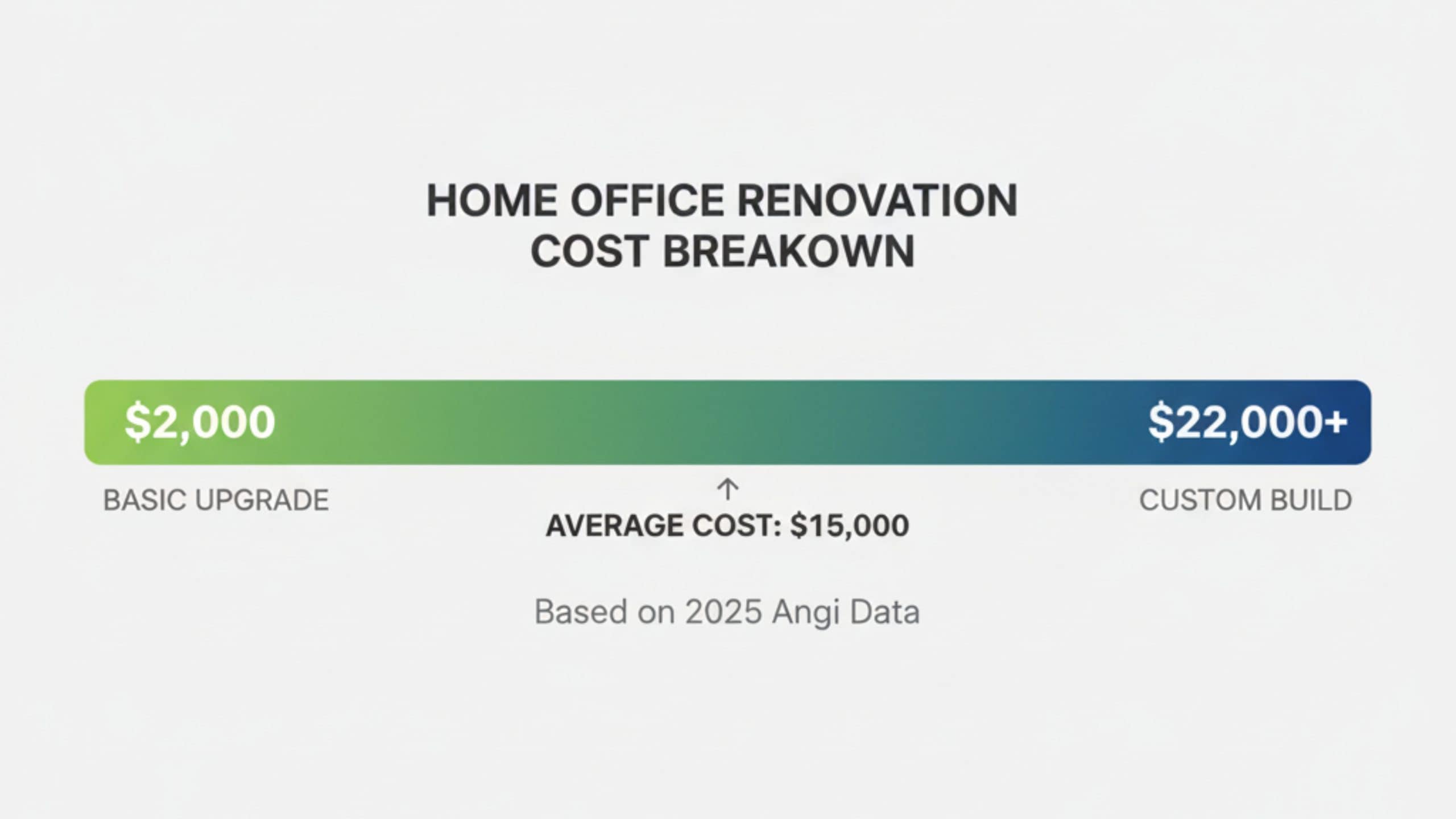
When it comes to home office renovations, the costs can vary greatly. It all depends on the size of your project and the specific requirements. You might be surprised at how quickly the expenses add up, so it's essential to have a good understanding of what drives the price.
The main factors that influence home office renovation cost are the materials you choose, the complexity of the design, and the labor involved. For example, if you're converting an existing room, you may need to remove and replace walls, install new flooring, and add electrical outlets and lighting. These tasks can quickly increase the overall cost.
Getting Quotes and Comparing
To get a good idea of the home office renovation cost, it's wise to obtain multiple quotes from different contractors or companies. This allows you to compare not only the prices but also the services offered and the reputation of the businesses.
When comparing quotes, ensure they are detailed and itemized. This makes it easier to identify any significant differences and understand exactly what you're paying for. It's also a good idea to ask for references and check online reviews to get a sense of the contractor's quality of work and reliability.
Hiring a Contractor
Choosing the right contractor is crucial for a successful home office renovation. You'll want to find someone who understands your vision, offers a fair price, and has the skills and experience to deliver high-quality work.
Before hiring, ask about their experience with similar projects and request a portfolio of their past work. Check that they are licensed and insured, and don't be afraid to ask for proof. It's also beneficial to ask about their process, including how they manage timelines and communicate progress.
Construction Company Names
If you're considering starting your own construction business, choosing a name is an important step. The name should be memorable, unique, and reflect the services you offer.
Here are a few examples of construction company names that might inspire you:
- BuildPro
- Crafted Spaces
- Renova Construction
- HomeWorkz
- Constructive Solutions
- BuildTech
Remember to check the availability of your chosen name and secure the relevant domain and local registrations to protect your brand.
Industry Tools and Data
The construction industry uses various tools and resources to estimate costs and manage projects effectively. One such tool is RSMeans, a database that provides cost data for a wide range of construction-related activities.
RSMeans is used by estimators, contractors, and project managers to help determine the home office renovation cost and ensure accurate budgeting. It provides valuable information on labor and material costs, helping to keep projects on track financially.
Construction Jobs and Salaries
The construction industry offers a variety of roles, from skilled tradespeople to project managers and estimators. Salaries can vary depending on the role, experience, and location.
For those interested in a career in construction, it's worth researching the different positions and the skills required. Many jobs are advertised online, and you can also find opportunities through local trade associations or by contacting construction companies directly.
Large vs. Small Firms
When it comes to hiring a construction company, you'll often have the choice between a large, established firm and a smaller, local business. Both have their advantages and disadvantages.
Large firms often have more resources, a wider range of services, and may be able to offer better rates due to economies of scale. On the other hand, smaller firms can provide a more personalized service, with closer attention to detail and a more flexible approach.
Final Thoughts
Understanding the home office renovation cost is key to planning and budgeting for your project. By obtaining multiple quotes, comparing services, and hiring the right contractor, you can ensure a successful renovation. Remember, it's always worth taking the time to research and plan, as it will pay off in the long run.