








Cake Serving Chart Easy Overview
Many new parents might assume that all newborns are the same size, but that's not quite true! While it's a common misconception, the reality is that newborn size charts actually vary quite a bit.
These charts, which include details like birth weight percentiles and infant head circumference, are a handy tool to understand a baby's growth and development. They provide a simple, visual way to track and compare a newborn's size and can help parents and healthcare professionals ensure a baby is growing as expected. It's worth noting that these charts may differ based on various factors, so it's always best to consult a healthcare professional for personalized guidance.
The Newborn Size Chart: A Quick Overview
The newborn size chart is a handy tool for parents and caregivers to understand and track a baby's growth and development during their first few weeks of life. It provides a visual representation of a baby's typical measurements, including length, weight, and head circumference, and helps identify any potential concerns. This chart is a great reference for new parents, offering a simple way to monitor their baby's progress.
Comparing Standards and Formats
There are different standards and formats for newborn size charts, depending on the region and medical guidelines. The most common ones are based on international or metric standards, which are widely used and accepted globally. These charts typically use centimeters (cm) for length and weight measurements and provide a comprehensive view of a baby's growth. Some charts may also include additional details, such as body mass index (BMI) or specific growth percentiles.
Step-by-Step Guide to Using the Chart
Using a newborn size chart is straightforward:
Obtain a reliable chart from a trusted source, such as a healthcare provider or a reputable online resource. Ensure it follows the appropriate standard for your region.
Measure your baby's length, weight, and head circumference accurately. For length, place your baby on a flat surface and gently stretch them out, measuring from the top of the head to the heel. Weigh your baby on a scale designed for infants. Head circumference is measured using a tape measure, just above the eyebrows and around the largest part of the head.
Locate the corresponding values on the chart. The chart typically has age or week ranges on one axis and measurement values on the other. Find the appropriate age range and then identify the value that matches your baby's measurement.
Interpret the results. The chart will show percentiles, indicating where your baby's measurements fall in comparison to other babies of the same age. A percentile of 50% is considered average, while values above or below indicate a larger or smaller size, respectively.
Track progress over time. Repeat these measurements regularly (weekly or monthly) and plot the results on the chart to visualize your baby's growth pattern. This helps identify any significant deviations or concerns.
Common Misreadings and Pitfalls
It's important to note that newborn size charts are general guidelines and may not represent every baby's growth accurately. Here are some common misreadings and how to avoid them:
Interpreting Percentiles: Percentiles don't indicate a baby's health or development; they simply show where a measurement falls in comparison to others. A lower percentile doesn't necessarily mean a problem, as long as the baby is healthy and growing consistently.
Aging Out of the Chart: Some charts have limited age ranges. If your baby is older than the chart's maximum age, you may need to consult a different chart or discuss with your healthcare provider.
Measuring Inaccurately: Always use proper measuring techniques to ensure accurate results. Inconsistent or incorrect measurements can lead to misleading interpretations.
Factors Affecting Accuracy
Several factors can influence a baby's growth and, consequently, their position on a newborn size chart:
Genetics: A baby's size can be influenced by their parents' height and build.
Nutrition: Adequate nutrition is crucial for healthy growth. Breastmilk or formula provides the necessary nutrients, but solid food introduction can also impact growth patterns.
Health Conditions: Certain medical conditions or premature birth can affect a baby's growth. Consult your doctor if you have concerns.
Gender: On average, baby girls tend to be slightly smaller than baby boys, but this varies widely.
Choosing the Right Chart for Your Needs
While standard newborn size charts are widely available and useful, some parents may require more specialized charts. Here are a few variations:
Premature Baby Charts: If your baby was born prematurely, a specialized chart may be more accurate for tracking their growth.
International Charts: If you're traveling or living abroad, ensure you have a chart that follows the local standard.
Growth Charts for Specific Concerns: In some cases, doctors may recommend specialized charts to monitor a baby with a specific health condition or growth concern.
Remember, while newborn size charts are valuable tools, they should be used as a guide, and any concerns should be discussed with a healthcare professional.
Hey there, we hope this guide has given you a clear understanding of newborn size charts and their practical use. Remember, while the basics remain the same, exact details can vary slightly, so always refer to reliable sources and adapt to your specific needs.
Feel free to explore our other guides for more insights and tips on various parenting topics. We've got a range of resources to help you navigate this exciting journey, so take a look and find what resonates with you!
Related: Get the Right Fit: Hoka Size Chart Guide
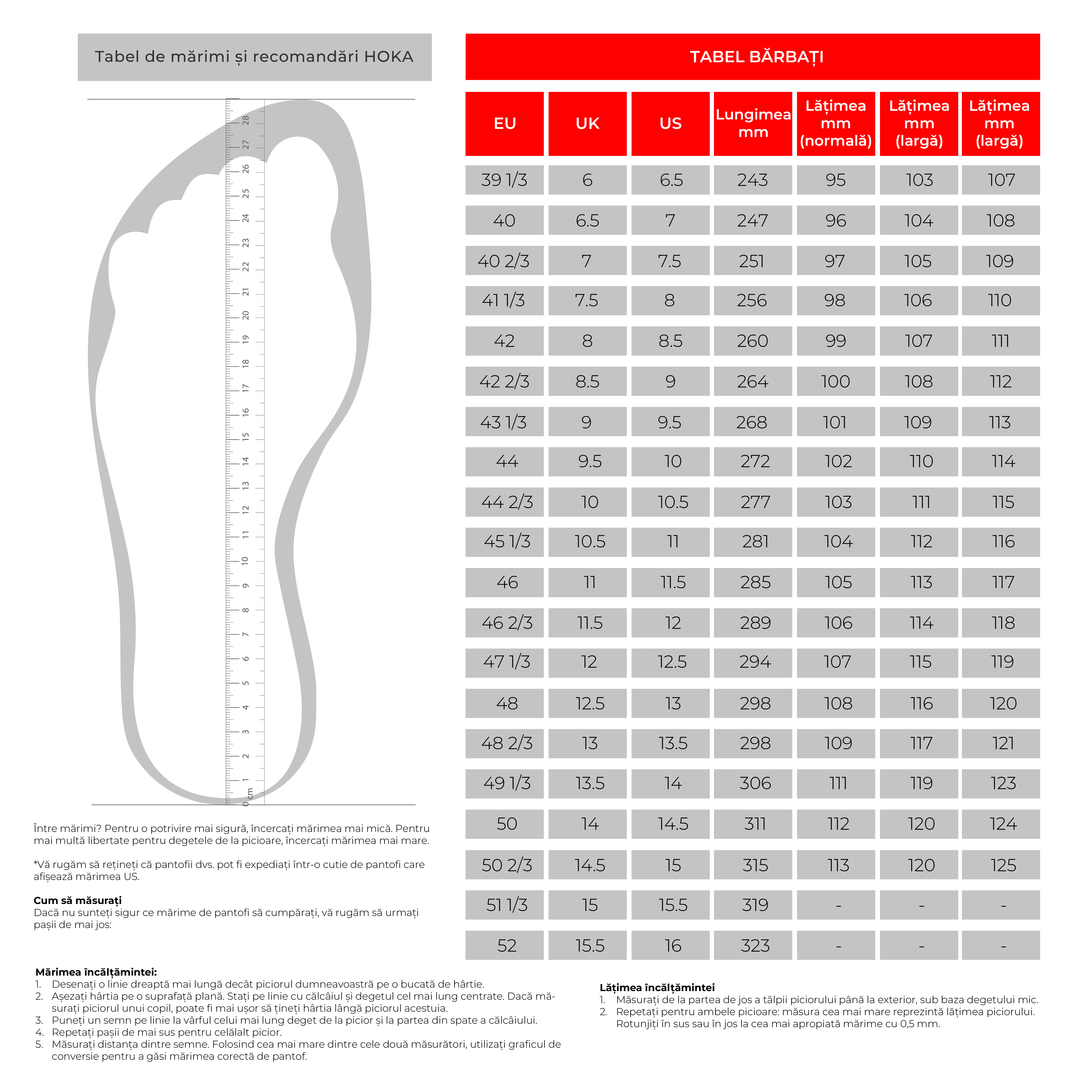
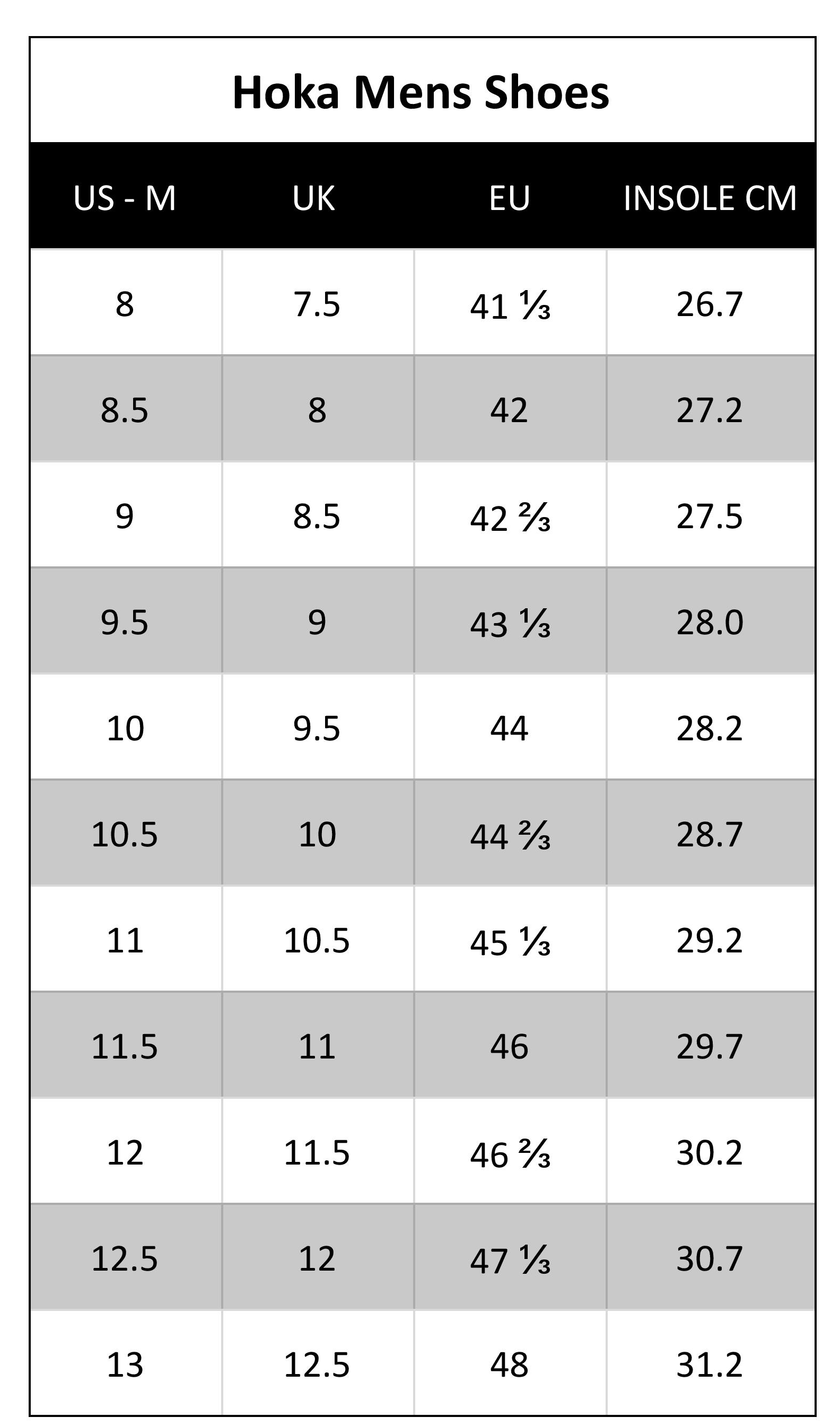
Many folks assume that a Hoka size chart is a one-size-fits-all guide, but it's actually a bit more nuanced than that. While it provides a handy reference, these charts can vary depending on the brand and the type of shoe.
So, when you're looking at a Hoka sizing guide, remember it's not just about the numbers; it's about finding the perfect fit for your unique feet. Whether you're a runner seeking the right Hoka running shoe sizes or just need a quick shoe size conversion, these charts are your friends!
Understanding the Hoka Size Chart
The Hoka size chart is your guide to finding the perfect fit for your feet. It's a simple yet effective tool that helps you navigate the world of Hoka footwear sizes. This chart ensures you get the right size, whether you're a runner seeking comfort or just looking for a stylish pair of shoes.
Key Details and Categories
The Hoka size chart typically includes standard foot measurements, with length and width being the primary dimensions. Length is measured in either US sizes or metric (international) sizes, depending on the region and standard. Width, on the other hand, often has a few variations, such as narrow, regular, and wide, to accommodate different foot shapes.
How to Read and Apply the Chart
- Start by determining your foot length. This is the foundation of your size selection. Measure your foot, or refer to a previous pair of shoes that fit well.
- Next, consider your foot width. If you have a wider foot, you may need to size up or opt for a wider width option.
- Using the Hoka size chart, match your foot length and width to the corresponding size. The chart will guide you to the appropriate size, considering both dimensions.
- Remember, the chart provides a starting point. It's always a good idea to try on the shoes to ensure a comfortable fit.
Variations and Differences
Hoka size charts may vary slightly depending on the shoe model and intended use. For instance, running shoes might have a different fit compared to casual footwear. Additionally, Hoka might offer specific width options for certain models, catering to a broader range of foot shapes. Always check the Hoka sizing guide for the particular model you're interested in.
Common Mistakes and How to Avoid Them
One common mistake is assuming all shoe brands use the same size standards. Hoka sizes might differ from other brands, so relying solely on your usual size can lead to an incorrect fit. Always refer to the Hoka one one size guide for accuracy. Another pitfall is neglecting to measure your foot width. While length is crucial, width variations can make a significant difference in comfort. Ensure you consider both dimensions when using the Hoka size chart.
Well, that's the lowdown on Hoka size charts! You now have the tools to navigate these charts with ease and find your perfect fit. Remember, while these charts are a great guide, exact values can differ, so always check your specific requirements.
It's worth bookmarking this page for future reference; you never know when you might need to size up (or down!) for your next adventure. Happy measuring, and here's to comfortable feet!
Related: How to Read a Door Growth Chart
You're probably here because you need a quick solution, right? Well, a door growth chart is an essential tool for anyone working with doors, offering a simple yet effective way to ensure accuracy. It's a handy reference, providing standard sizes and measurements, which is crucial when dealing with door installations or renovations. These charts can vary, offering different formats and values, but they all serve the same purpose: to make your life easier when it comes to door-related tasks.
The Door Growth Chart: A Practical Overview
The door growth chart is a handy tool for anyone dealing with door installations or renovations. It provides a visual reference for standard door sizes, helping you choose the right door dimensions for your space. This chart simplifies the process of selecting doors, ensuring a perfect fit and a professional finish.
Comparing Chart Formats and Standards
Door growth charts come in various formats, often tailored to specific regions and standards. The most common charts cover standard door sizes, typically ranging from 6 feet to 8 feet in height and 2 feet to 4 feet in width. These charts provide a quick reference for popular door dimensions, making it easy to find the right size for your project. However, it's important to note that door sizes can vary based on the standard being used, such as metric or imperial measurements. Always double-check the specific standard and its tolerances to ensure accuracy.
Step-by-Step Guide: Using the Door Growth Chart
Using a door growth chart is straightforward. First, identify the section of the chart that corresponds to your desired door height. Most charts will have height markers at regular intervals, making it simple to locate the right height. Next, move across the chart to find the width that suits your needs. The chart will typically display width options alongside the height markers. Once you've found the intersection of the desired height and width, you have your ideal door size! It's as easy as that.
Avoiding Misreadings and Common Pitfalls
While door growth charts are user-friendly, a few common mistakes can lead to inaccurate readings. Always ensure you're using the correct standard for your region or project. Mixing up metric and imperial measurements, for example, can result in significant errors. Additionally, be mindful of the chart's scale and ensure you're reading the height and width markers accurately. A slight misreading can lead to an ill-fitting door. If you're unsure, it's always best to double-check with a professional or refer to detailed specifications.
Factors Affecting Accuracy and Real-World Use
Several key factors can impact the accuracy and applicability of a door growth chart. These include:
- Regional Standards: Door sizes can vary significantly between countries and regions. Always check the relevant standards for your location.
- Metric and Imperial Conversions: Converting between metric and imperial measurements requires careful attention to ensure accuracy.
- Custom Sizes: While charts cover standard sizes, custom doors may be required for unique spaces. In such cases, the chart provides a starting point, but professional advice is essential.
- Growth Chart Template: Using a well-designed template ensures consistency and accuracy. Choose a reliable source for your chart to avoid potential issues.
- Door Type: Different door types, such as interior or exterior doors, may have specific size requirements. Ensure your chart covers the relevant door type for your project.
Hey there! We've covered a lot of ground on door growth charts, from understanding the basics to nailing the process and avoiding common pitfalls. Remember, while we've given you a solid framework, the exact details can vary slightly depending on your specific needs and the standards or sources you're working with.
Feel free to bookmark this page for future reference; it's a handy tool to have on hand when you need to measure and monitor growth accurately. And don't forget to check out our other guides for more practical tips and tricks!