



Cake Size Chart Easy Overview
Many people often assume that a cake serving chart is a rigid, one-size-fits-all guide, but in reality, it is a flexible tool with some room for adjustment. While it provides a helpful framework, the chart's values can vary depending on factors like the cake's density and the desired portion size.
Understanding and utilizing a cake serving chart effectively ensures you have the right quantities for any occasion, be it a wedding or a simple celebration. It's a simple yet powerful tool to ensure your cake serves the perfect number of people.
The Cake Serving Chart: A Guide to Portion Sizes
The cake serving chart is a valuable tool for anyone planning a special event, from weddings to birthday parties, to ensure they have the right amount of cake for their guests. This chart provides a practical guide to estimating portion sizes, helping you avoid the common pitfall of having too much or too little cake.
Key Details and Units
The cake serving chart typically displays two main categories: the size of the cake and the number of servings it provides. Cake sizes are often measured in inches or centimeters, with standard round cakes ranging from 6 to 14 inches in diameter. Each cake size is then assigned a serving range, indicating the approximate number of portions it can yield. These serving sizes are usually given in whole numbers, such as slices per person, with some charts also providing fractional amounts for more precise estimates.
Reading the Chart: Step-by-Step Guide
To use the cake serving chart effectively, follow these simple steps:
Identify the size of your cake. Measure the diameter of your cake, ensuring it aligns with the standard sizes provided on the chart.
Locate the corresponding serving range. The chart will indicate the approximate number of servings for the cake size you've chosen. For instance, a 10-inch cake may serve 18-24 slices, depending on the desired portion size.
Adjust for your needs. Consider the appetite of your guests and the other food items served. If you expect larger portions or a more substantial meal, err on the side of fewer servings per person. Conversely, for a lighter meal or a larger crowd, you may need to increase the serving size.
Plan for leftovers. It's always a good idea to have a little extra, especially for a wedding cake or a special occasion. Aim for a slightly higher serving estimate to ensure everyone gets a taste and there's some cake left for photos and memories.
Common Variations and Differences
While the cake serving chart provides a useful guideline, it's important to note that serving sizes can vary based on several factors:
Cake type: Different cake styles, such as layer cakes, sheet cakes, or tiered cakes, may have varying densities and serving recommendations.
Guest preferences: Consider the age range and cultural backgrounds of your guests, as these can influence portion sizes and preferences.
Event style: A casual gathering may allow for larger servings, while a formal event might require more delicate portions.
Additional food: If you're serving a full meal, adjust the cake servings accordingly to avoid overwhelming your guests.
Avoiding Common Mistakes
To ensure accurate portion estimates, avoid these common pitfalls:
Overlooking the cake's height: The height of a cake can impact its volume and, consequently, the number of servings. Ensure you consider both diameter and height when estimating portions.
Ignoring guest diversity: Every crowd is unique. Consider the appetite and preferences of your guests, especially if you have a wide age range or cultural mix.
Forgetting about leftovers: Always plan for some extra cake, especially for special occasions. It's better to have a little left over than to run out unexpectedly.
Relying solely on the chart: While the cake serving chart is a great starting point, it's essential to use it as a guide and adjust portions based on your specific needs and preferences.
By understanding the cake serving chart and its applications, you can confidently plan your cake servings, ensuring a delightful and memorable experience for your guests.
Well, I hope that cake serving chart has left you feeling prepared and confident for your next baking adventure. Remember, when it comes to these guides, it's always a good idea to cross-reference and ensure you're using the right measurements for your specific needs.
Feel free to explore our other practical guides; we've got a whole host of resources to ensure your baking and entertaining endeavors are a success. Happy baking, and don't forget to adapt and adjust as needed!
Related: Decoding the r454b pt Chart: A Simple Guide
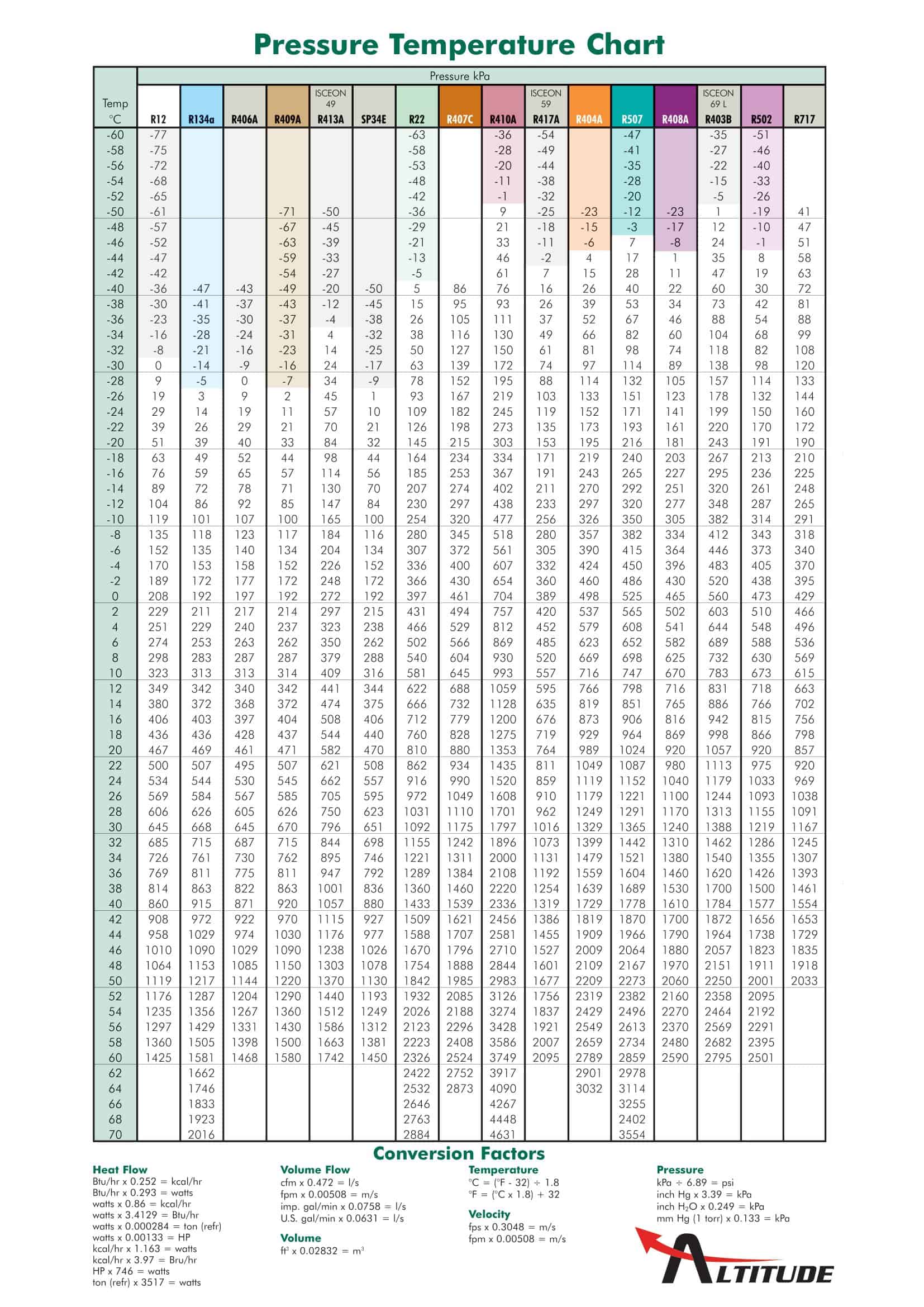
You're probably here because you need a quick guide to understanding the R454b PT chart and its applications. This handy reference tool is a go-to for many, offering a visual representation of refrigerant behavior. It's a simple yet powerful diagram, often used to interpret refrigerant temperature and pressure data. While the values and formats may vary depending on your specific needs or region, the R454b PT chart is a reliable starting point.
Understanding the r454b pt Chart
The r454b pt chart is a handy reference tool for anyone working with refrigeration and air conditioning systems. It provides a visual representation of the relationship between pressure and temperature for the refrigerant R454b. This chart is a valuable resource, offering a quick way to understand the state of the refrigerant under different conditions.
Comparing Chart Standards and Formats
There are variations in r454b pt charts, depending on the standard and region. Some charts use the metric system, while others follow the US customary units. It's essential to ensure you're using the right chart for your specific application and region. The format and layout may also differ, but the core information remains the same.
Step-by-Step Guide to Using the r454b pt Chart
Using the r454b pt chart is straightforward. First, locate the pressure value on the chart's horizontal axis. Then, move vertically to find the corresponding temperature. The intersection of these two values represents the state of the refrigerant. Here's a simple 3-step process:
- Identify the pressure.
- Find the temperature.
- Read the intersection point for the refrigerant's state.
For example, if you have a pressure of 100 psi and a temperature of 40°F, the chart will show that the refrigerant is in a liquid state.
Avoiding Misreadings and Pitfalls
Misinterpreting the r454b pt chart can lead to incorrect assumptions. Always ensure you're using the correct chart for your refrigerant and region. Pay attention to the units; some charts use psi, while others use bar or kPa. Converting units can be a simple fix but is essential for accuracy. Also, be aware that the chart represents a general guide; real-world conditions may vary slightly due to system design and other factors.
Factors Affecting Accuracy and Real-World Use
Several factors can influence the accuracy of the r454b pt chart. Firstly, the chart is a simplified representation and may not account for all variables in complex systems. Additionally, the chart assumes ideal conditions, so actual results may vary. It's crucial to consider the specific application and system design when using the chart. For instance, the presence of other gases or contaminants can affect the refrigerant's behavior. Always refer to manufacturer specifications and guidelines for precise information.
Hey there, we hope you found this guide helpful in navigating the world of R454B PT charts. Remember, while the basics remain consistent, the exact details can vary slightly, so always refer to the specific standards and sources relevant to your project.
Feel free to explore our other guides; we've got a range of practical resources to help you tackle various topics with ease. Happy learning, and keep those charts handy!
Related: How to Read a Dental Tooth Chart?
You're probably here because you need a quick answer, a simple guide to help you navigate the world of dental tooth charts. These charts are a handy tool, a quick reference guide, and an essential part of dental anatomy. Whether you're a dental professional or a curious individual, understanding the tooth numbering system is key. The dental tooth chart can vary slightly depending on the system used, so it's a good idea to familiarize yourself with the specific notation.
What is a Dental Tooth Chart?
A dental tooth chart is a handy tool that dentists and dental professionals use to identify and locate teeth accurately. It provides a visual representation, often a diagram or table, to help with tooth identification and record-keeping. This chart is crucial for dental procedures, treatment planning, and maintaining dental records.
Key Details and Categories to Know
The dental tooth chart typically follows standardized numbering systems, ensuring consistency across dental practices. Two common systems are the Universal Numbering System (used in the US) and the Palmer Notation (popular internationally). These systems assign unique numbers or symbols to each tooth, aiding in precise identification. The chart also includes information on tooth type, position, and any relevant notes.
How to Read and Apply the Dental Tooth Chart
Reading a dental tooth chart is straightforward. Here's a step-by-step guide:
- Locate the tooth: Identify the tooth you want to reference on the chart. This could be based on a patient's description, a visual examination, or a previous record.
- Find the corresponding number: Each tooth on the chart is assigned a specific number or symbol. Match the tooth with its corresponding number.
- Record and communicate: Note down the tooth number for your records. When communicating with other dental professionals or referring to patient records, use this number to ensure clarity and accuracy.
- Cross-reference: If needed, you can cross-reference the tooth number with other dental charts or diagrams for a more comprehensive understanding of the tooth's position and characteristics.
Common Variations and Differences
While standardized systems exist, variations can occur due to different regional practices and preferences. For instance, the Universal Numbering System used in the US differs from the international Palmer Notation. Additionally, some dental practices or specialists may use modified charts tailored to their specific needs. It's essential to be aware of these variations, especially when consulting or referring to charts from different sources.
Mistakes to Avoid
One common mistake is assuming all dental charts follow the same system. Always double-check the numbering system used on the chart you're referencing. Another pitfall is misinterpreting tooth positions, especially when dealing with complex cases or unusual tooth arrangements. Taking the time to understand the chart's layout and seeking clarification when needed can prevent errors.
Practical Tips for Accurate Results
To ensure accuracy when using a dental tooth chart, consider these best practices:
- Familiarize yourself with the numbering system used in your region or practice.
- Cross-reference tooth numbers with other dental resources to confirm their positions and characteristics.
- Stay updated with any changes or modifications to the standard numbering systems.
- When in doubt, consult with experienced dental professionals or refer to comprehensive dental anatomy resources.
Handling Edge Cases and Exceptions
While dental tooth charts provide a valuable framework, there are instances where exceptions or unique cases may arise. For example, individuals with congenital dental anomalies or those who have undergone extensive dental work may have tooth arrangements that don't align perfectly with standard charts. In such cases, it's crucial to consult detailed dental records, X-rays, or seek expert advice to ensure accurate tooth identification.
So, there you have it! A simple and practical guide to understanding and using dental tooth charts. Remember, while this guide provides a solid foundation, it's always wise to consult with dental professionals for personalized advice. The exact values and terminology can vary, so it's crucial to double-check the specific standards and sources relevant to your context.
Feel free to explore our other resources for more insights into dental health and care. We've got plenty of guides to help you navigate the world of oral hygiene and keep those pearly whites shining bright!