





Calendar May 2025 Printable Overview
A Mayport tide chart is your go-to tool for navigating the tides like a pro. This guide will show you how to make the most of it, whether you're a fisherman, a boater, or just curious about the ocean's rhythms.
It's a simple yet powerful resource, offering insights into tide times, water depth, and more. While the specific values may vary depending on your location, understanding the chart's layout is key to unlocking its potential.
Understanding the Mayport Tide Chart
The Mayport tide chart is a handy tool for anyone planning activities or navigation around the Mayport area. It provides essential information about the tides, helping you make informed decisions and ensuring a smooth experience on the water. This chart is a reference guide, offering a glimpse into the ebb and flow of the tides at Mayport.
Key Details and Categories
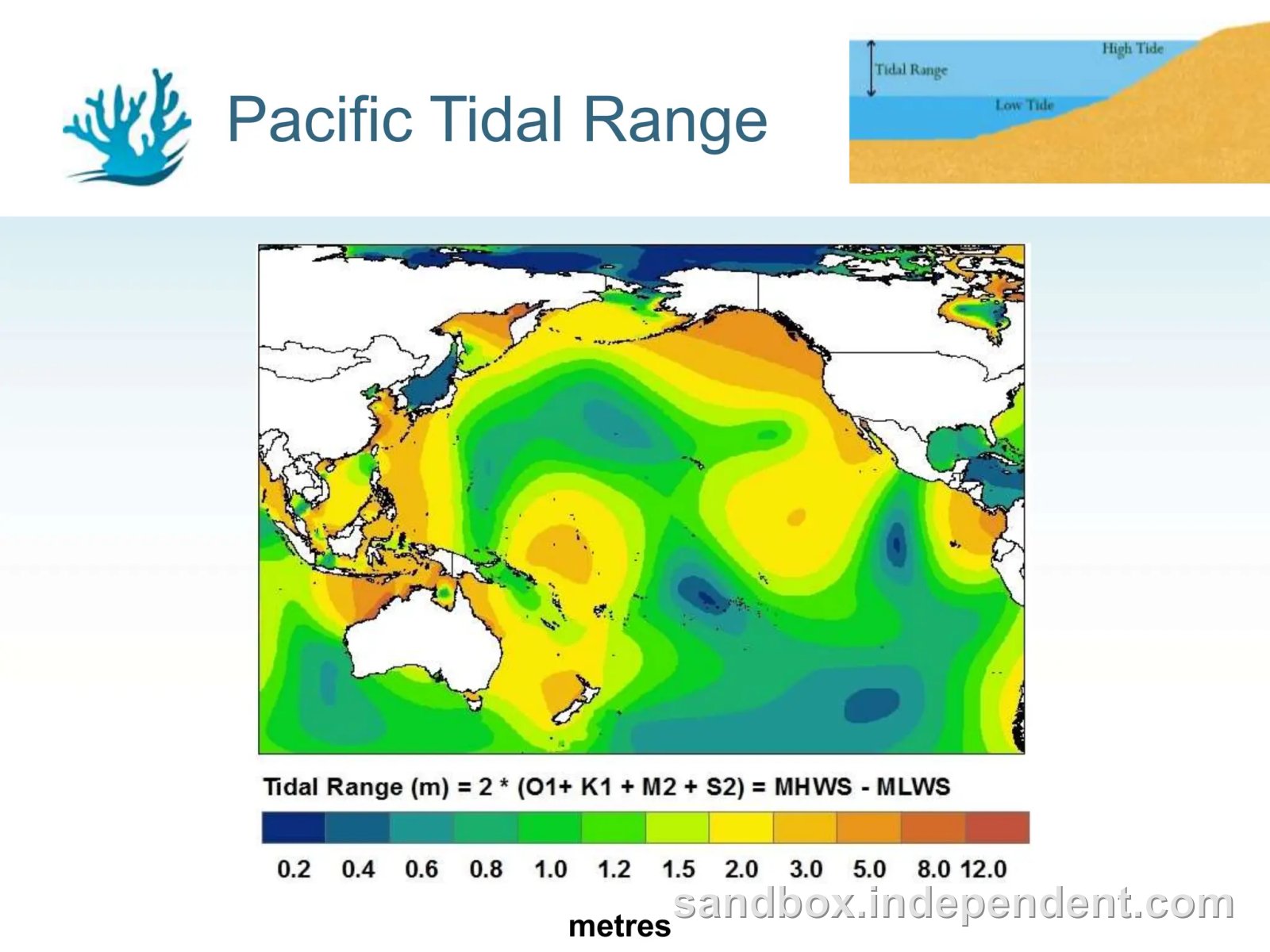
The Mayport tide chart typically displays a range of data, including tide levels, times, and current speeds. You'll find details like high and low tide predictions, the height of the water at these points, and the times when these tides occur. The chart might also indicate the tidal currents, which are crucial for understanding the direction and strength of the water's movement. These measurements are usually in feet and hours, providing a clear and standardized view of the tidal patterns.
Reading and Applying the Chart
Here's a step-by-step guide to using the Mayport tide chart:
- Identify the date and time you plan to be on the water.
- Locate the corresponding tide level and time on the chart.
- Note the predicted water depth at that time.
- Consider the tidal current direction and speed to plan your route or activity accordingly.
For instance, if you're planning a fishing trip, you might want to aim for a high tide, as this often brings more active fish. Boaters, on the other hand, should pay attention to water depth and tidal currents to ensure safe navigation.
Common Variations and Differences
While the Mayport tide chart provides a reliable guide, it's important to note that tides can vary slightly from day to day and year to year. These variations can be influenced by factors like weather conditions, lunar cycles, and even the specific location within the Mayport area. For instance, the St. Johns River tide table might show slightly different readings compared to the Neptune Beach tide chart, as they represent different points along the coast.
Avoiding Common Mistakes
One of the most common errors is relying solely on the tide chart without considering real-time conditions. Always double-check the actual water levels and weather before heading out. Additionally, remember that the chart provides predictions, and actual conditions may vary. It's a good practice to leave a buffer for unexpected changes, especially if you're new to the area.
Practical Tips for Accurate Results
To ensure you're using the Mayport tide chart effectively, consider these tips:
- Familiarize yourself with the chart's layout and units.
- Check the chart regularly, as tides can change daily.
- Cross-reference with other sources, like the Neptune Beach tide chart or local marine reports, to get a comprehensive view.
- If you're new to the area, consult with local experts or experienced boaters for additional insights.
- Always prioritize safety and be prepared for unexpected changes in tide levels or weather.
Hey there! I hope this guide has helped you understand the Mayport tide chart and how to use it effectively. Remember, while the basics remain the same, exact details might differ slightly depending on various factors. It's always a good idea to double-check and adapt to your specific context.
Feel free to explore our other guides and resources for more practical tips and tricks. We've got a whole collection of handy references and how-to's to make your adventures easier and more enjoyable. Happy reading, and here's to smooth sailing!
Related: Read and Understand Your My UHealth Chart
A common misconception about my UHealth Chart is that it's just another medical term to remember, but it's actually a powerful tool to keep track of your health journey. This personal health record, often in the form of a chart or table, is your go-to guide for understanding and managing your well-being. With my UHealth Chart, you'll find a simple and organized way to access and interpret your vital signs, common lab values, and more.
Understanding Your Data: A Guide to My UHealth Chart
Your personal health record is a powerful tool, and My UHealth Chart is a great way to keep track of your health data. This chart provides an overview of your vital signs and key metrics, helping you understand your body's performance. It's like having a reference guide right at your fingertips!
Interpreting Results: Categories and Standards
My UHealth Chart typically uses standard measurements and categories to ensure consistency. You'll find categories like blood pressure, heart rate, and temperature, each with its own set of values. These values often follow international standards, but it's essential to check if your chart uses metric or US units. Conversions are simple, but it's good to be aware!
Tracking Progress: Step-by-Step Guide
Here's a simple process to make the most of your My UHealth Chart:
- Familiarize yourself with the chart's layout. Understand the categories and their corresponding values.
- Record your vital signs regularly. Consistency is key! Aim for daily or weekly recordings.
- Compare your readings over time. Look for patterns or any significant changes.
- Discuss any concerns with your healthcare provider. They can provide insights and guidance based on your chart.
Common Misreadings and Pitfalls
While My UHealth Chart is a valuable tool, it's important to be aware of potential misreadings. Sometimes, people may misinterpret normal variations as issues. Remember, our bodies are unique, and values can fluctuate due to various factors like stress, activity levels, or even the time of day. Always consider the bigger picture and consult a professional if you have doubts. It's better to be safe than sorry!
Remember, while the steps and tips outlined here should work for most situations, every chart and its use can be a little different. It's always a good idea to refer to any specific instructions or guidelines provided with your chart, just to double-check.
We've got a whole library of helpful guides and resources here, so feel free to explore and find the ones that suit your needs. Happy charting!
Related: Public Listed Construction Company Essential Guide
I was walking past a busy construction site the other day, and it got me thinking about public listed construction companies. Who are these firms, and what do they do? Well, let's find out!
Understanding Public Listed Construction Companies
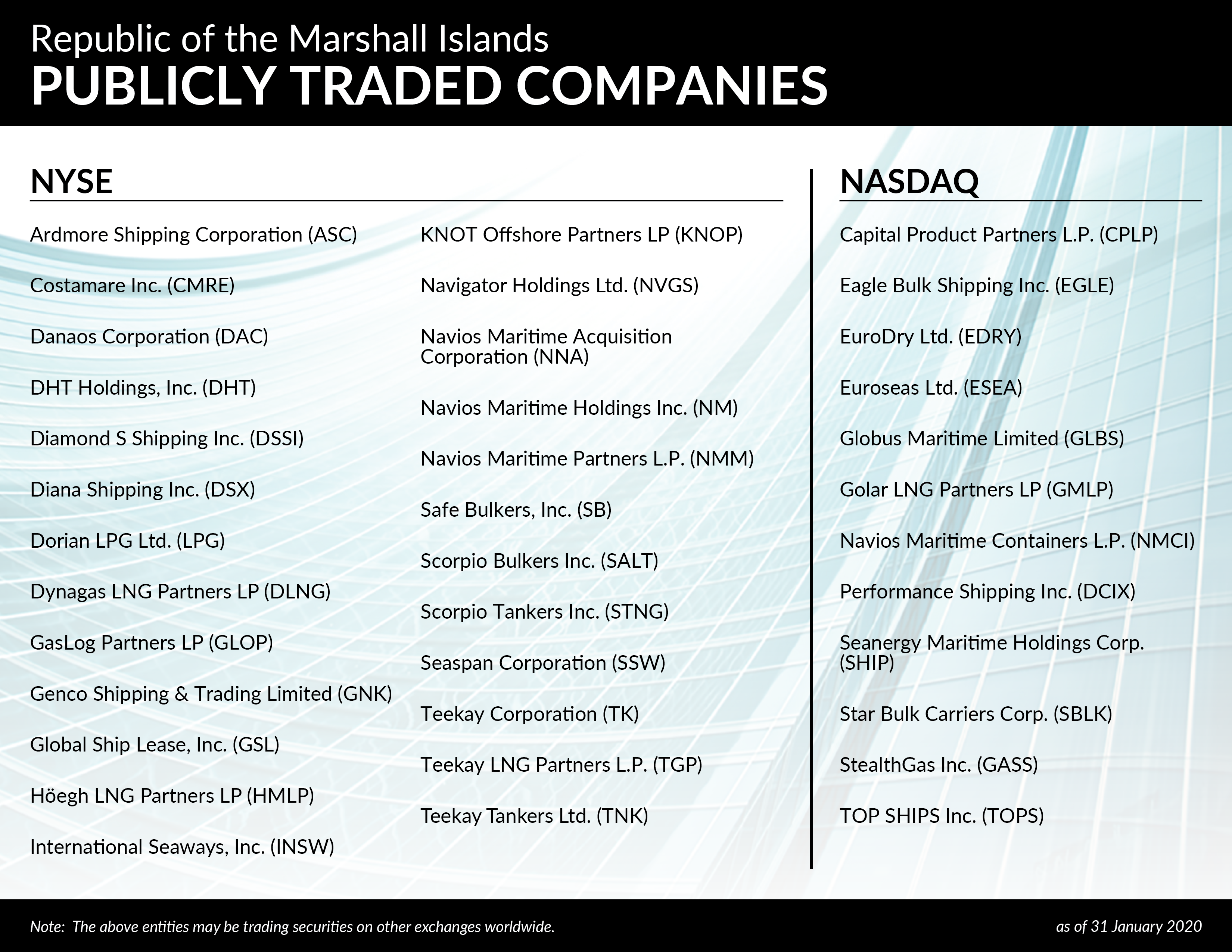
A public listed construction company is a business that builds and renovates structures, from homes to commercial buildings, and everything in between. These companies are often large-scale operations, with the resources to take on major projects. They might construct new buildings from the ground up or handle complex renovations and additions. The key here is that these companies are publicly listed, which means their shares are traded on a stock exchange and anyone can invest in them.
So, why does this matter? Well, for one, it means these companies are usually well-established and financially stable. They have the backing of investors and the public market, which can be a good sign of their long-term viability. This stability is important when you're considering hiring a contractor for a big project. You want to know they'll be around to honor their warranty and provide ongoing support.
Hiring a Contractor: What to Look For
When you're in the market for a contractor, whether it's for a home renovation or a new build, there are a few key things to consider. First, check their licensing and insurance. Make sure they're properly registered and insured for the work they do. This protects you in case of accidents or issues down the line. Next, ask for references and check their online reviews. Seeing what past clients have to say can give you a good idea of the company's reliability and quality of work.
It's also important to get multiple quotes. Prices can vary widely, and you want to make sure you're getting a fair deal. Compare apples to apples though; make sure the scope of work is the same across all quotes. And don't forget to ask about the timeline. A good contractor will give you a realistic estimate of how long the project will take, and they should be able to explain any potential delays.
Naming Your Construction Business
If you're in the construction business or thinking of starting one, you'll need a great name. A catchy, memorable name can help you stand out and make a good first impression. But what makes a good name? It should be unique, easy to remember, and reflect your business's personality or services. Avoid names that are too generic or could be confused with other businesses.
Here are a few original name ideas:
- BuildCraft
- Renova Solutions
- StructureWorks
- HomeRevamp
- ConstructoPros
- BuildTech
Remember to check the availability of these names and secure the relevant domains and local registrations before you finalize your choice.
The Construction Industry: A Quick Overview
The construction industry is a vast and diverse field, with roles ranging from general contractors to specialized tradespeople. Estimators, for example, play a crucial role in calculating costs and providing accurate quotes. Then there are project managers, who oversee the entire operation, ensuring it stays on track and within budget. These jobs can be found through various channels, including online job boards, industry-specific websites, and even word-of-mouth recommendations.
Data and Tools: RSMeans and More
In the construction world, tools like RSMeans are essential. RSMeans provides cost data and estimating tools, helping contractors and companies accurately price their work. It's a valuable resource for staying competitive and ensuring projects are financially viable. Similarly, cost databases and indexes are used to track and predict construction costs, helping businesses plan and budget effectively.
Large vs. Small Construction Firms
The construction industry is diverse, with a range of company sizes. Large firms often have the resources to take on big, complex projects and may have a national or even international presence. They can offer a wide range of services and have the manpower to handle multiple projects simultaneously. On the other hand, smaller firms might specialize in a particular area, like home renovations, and offer a more personalized service. They might be better suited to local projects and have a strong understanding of the specific market and its needs.
So, there you have it! A quick dive into the world of public listed construction companies. Whether you're looking to hire a contractor or just curious about the industry, I hope this gives you a better understanding of what these companies do and how they operate.