



Calendar Template For August 2025 Overview
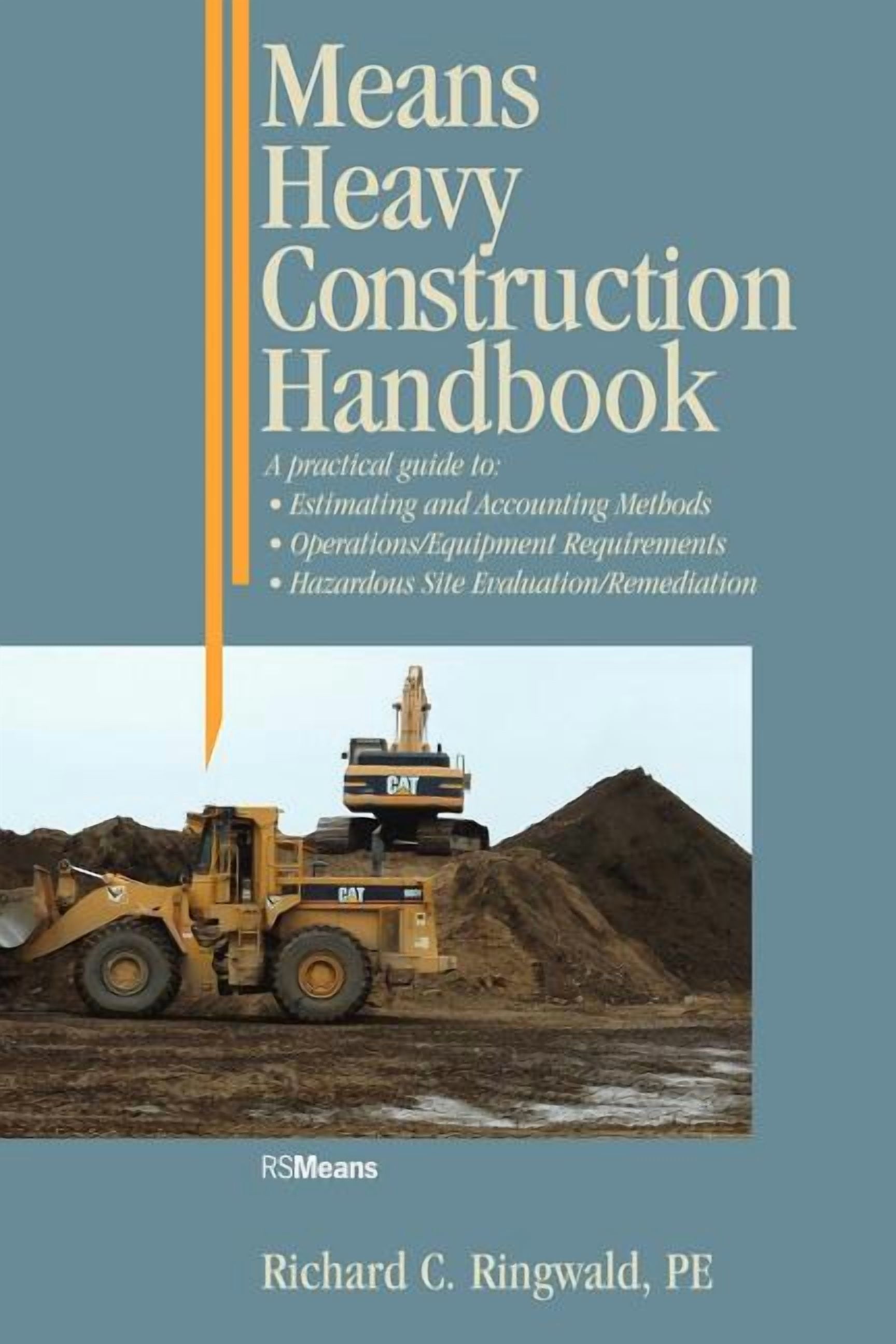
RSMeans estimating... it's a term I've come across recently, and I was curious to know more. As someone who's dabbled in home renovations and heard about construction projects, I wanted to understand what this phrase means and how it relates to the world of building and remodeling. So, let's dive in and uncover the secrets behind RSMeans estimating!
Unraveling the Mystery: What is RSMeans Estimating?
RSMeans estimating is a tool, a resource, and a method used by construction professionals to estimate the costs and pricing of various projects. It's like a handy guide that helps builders, contractors, and even homeowners like me make informed decisions. This estimating process considers factors like labor, materials, and the overall scope of the work to provide an accurate cost estimate.
For those of us considering a home renovation, understanding RSMeans estimating can be a game-changer. It empowers us to compare quotes, ensure we're getting a fair deal, and make smart choices about our projects. Whether it's a bathroom renovation or a full-scale house addition, having a reliable estimate is crucial.
Hiring the Right Contractor: A Guide
When it comes to hiring a contractor for your project, RSMeans estimating can be a valuable tool. It helps you evaluate quotes and understand the breakdown of costs. Here's a simple guide:
- Check the contractor's experience and reputation.
- Ask for references and read reviews.
- Get multiple quotes and compare them.
- Ensure the quote covers all aspects of the job.
- Look for transparency and clear communication.
A good quote should detail the work, materials, and labor costs. It should also include any potential additional expenses, like permits or unexpected issues. Remember, it's not just about the lowest price; it's about finding a reliable and skilled contractor who understands your vision.
Construction Business Names: A Creative Challenge
Naming a construction business is an art! It's a chance to be creative and leave a lasting impression. A great name should be memorable, reflect your company's values, and stand out in a competitive market. Here are a few ideas:
- BuildCraft
- HomeWorkz
- SkyRise Solutions
- EarthMovers
- Brick & Mortar Pros
- BuildTech Innovations
Before settling on a name, check its availability for domains and local registration. You want to ensure your business name is unique and can be easily found online.
The World of Construction Jobs
The construction industry offers a wide range of roles, from estimators to project managers and skilled laborers. Estimator jobs, for instance, involve using tools like RSMeans to calculate costs accurately. These professionals are in demand and play a crucial role in the success of projects.
If you're interested in construction jobs, explore online job boards, local newspapers, and industry-specific websites. Many construction companies also advertise directly on their websites, so it's worth keeping an eye out for openings.
RSMeans: A Powerful Tool for Professionals
RSMeans is a trusted resource in the construction industry. It provides cost databases, escalation data, and cost indexes, helping professionals make informed decisions. Whether you're a general contractor or a remodeling company, RSMeans estimating offers valuable insights.
This tool is especially useful when planning projects, as it helps anticipate costs and stay within budget. It's a go-to resource for many in the industry, providing accurate and up-to-date information.
Big vs. Small: The Construction Industry Landscape
The construction industry is diverse, with both large corporations and small, local businesses. Large firms often have the resources to take on major projects and offer a wide range of services. They may have a broader reach and access to more specialized skills.
Small businesses, on the other hand, can provide a more personalized experience. They often have a strong local presence and can offer competitive pricing. When choosing a company, consider your project's scope and your preferences for size and expertise.
In conclusion, RSMeans estimating is a valuable tool for anyone involved in construction, remodeling, or building projects. It empowers us to make informed decisions, compare costs, and ensure a successful outcome. So, whether you're in Atlanta, Baltimore, or San Francisco, RSMeans estimating is a resource worth exploring!
Related: What's the Right Pillow Size for You?
Many people assume that pillow sizes are a one-size-fits-all affair, but that's not the case! A pillow size chart is your go-to resource for understanding the diverse world of pillow dimensions. It's a simple yet powerful tool, offering a quick glance at the various sizes and their intended uses. From standard pillow dimensions to specialty sizes, this chart ensures you find the perfect fit for your needs.
Pillow Size Chart: A Quick Overview
A pillow size chart is a handy reference tool that provides a clear and visual guide to the various dimensions of pillows. It's like a map to help you navigate the world of pillow sizes, ensuring you get the right fit for your needs. This chart is a valuable resource for anyone looking to buy new pillows or pillowcases, as it offers a quick and easy way to understand the standard sizes available.
Comparing Standard and Custom Sizes
The beauty of a pillow size chart is that it presents both standard and custom sizes in a simple format. Standard sizes are the most common and widely used, and they often follow specific measurements and categories. These sizes are consistent across many brands and manufacturers, making it easy to find matching pillowcases or covers. On the other hand, custom sizes offer more flexibility and can accommodate unique preferences or specific requirements. Custom sizes might be necessary for specialty pillows, such as those designed for travel or medical purposes.
Step-by-Step Guide to Using the Chart
Using a pillow size chart is straightforward and can save you time and effort when shopping for pillows. Here's a simple process:
- Identify the Type: First, determine the type of pillow you need. Common types include standard, queen, king, and travel-sized pillows.
- Locate the Size: Find the corresponding size on the chart. The chart typically displays width and length measurements for each size.
- Check the Dimensions: Compare the chart's dimensions with the pillow or pillowcase you need. Ensure you match the width and length accurately.
- Consider Depth: Some charts also provide depth measurements, which is especially useful for pillows with varying thicknesses.
- Choose Your Size: Once you've found the size that matches your needs, you're ready to make an informed purchase.
Avoiding Common Misreadings
While a pillow size chart is user-friendly, it's essential to avoid a few common pitfalls:
- Unit Confusion: Always check the units of measurement. Some charts use inches, while others might use centimeters. Ensure you're comparing like with like.
- Rounding Errors: Charts often provide rounded measurements for simplicity. Be aware that actual products might have slight variations, so always check the exact specifications if precision is critical.
- Size Labels: Pay attention to size labels. For example, a "standard" size might not always be the same across different charts or regions.
Factors Affecting Accuracy
Several key factors can influence the accuracy of a pillow size chart and its real-world application:
- Regional Differences: Pillow sizes can vary between regions and countries. For instance, a "king" size in the US might differ from a "king" in Europe.
- Manufacturer Variations: Even within a region, manufacturers might have slight variations in their standard sizes. Always check the brand's specifications.
- Pillow Type: Different pillow types, like decorative or orthopedic pillows, might have unique size categories.
- Materials: The materials used can affect the overall size and shape of a pillow, especially over time as it ages and settles.
Choosing the Right Format for Your Needs
When it comes to pillow size charts, one size doesn't fit all. Here are some tips for choosing the right format:
- Standard vs. Custom: If you're looking for a quick and easy solution, a standard size chart is ideal. However, for specialized needs, a custom size chart might be more suitable.
- Online vs. Physical: Online charts are convenient, but having a physical chart or reference guide can be handy when shopping in-store.
- Visual Aids: Some charts use visual representations, like images or diagrams, to show size differences. These can be especially helpful for visual learners.
Keeping Your Reference Reliable
To ensure your pillow size chart remains a reliable reference, consider the following:
- Update Regularly: Pillow size standards can evolve over time. Periodically check for updated charts to ensure you have the latest information.
- Multiple Sources: Cross-reference charts from different sources to verify the accuracy of the measurements.
- Manufacturer Guides: Many pillow manufacturers provide their own size guides. Refer to these for specific product lines.
- Personal Notes: If you have unique pillow requirements, make a note of the sizes you need and keep them with your chart for easy reference.
So, there you have it! A handy pillow size chart can be a real game-changer for getting the perfect fit and comfort. But remember, it's always a good idea to double-check your specific needs and measurements to ensure you're getting the right size for your bed and sleeping style.
Feel free to explore our other guides and resources on similar topics. We've got plenty of practical tips and tricks to help you create a cozy and comfortable sleep space. Happy snoozing!
Related: How to Read a BBT Chart for Pregnancy
A bbt chart pregnant is a simple yet powerful tool for anyone on a pregnancy journey. This guide will show you how to make the most of it.
The chart is a handy reference for tracking your basal body temperature, which can indicate ovulation and help with pregnancy planning. It's a straightforward way to interpret your body's signals, and while the values may vary slightly, the concept is universal. With a bbt chart pregnant, you can gain insights into your cycle and take control of your fertility awareness.
A Quick Overview of BBT Charting for Pregnancy
The basal body temperature (BBT) chart is a simple yet powerful tool for those trying to conceive. It helps track your fertility awareness and can indicate when you're most likely to get pregnant. This chart records your body's temperature, which rises slightly after ovulation, providing valuable insights into your ovulation tracking.
Comparing BBT Charting Methods and Standards
There are various ways to create a BBT chart pregnant record. You can use a simple pen and paper, a dedicated fertility tracking app, or a specialized BBT thermometer with accompanying software. The method you choose depends on your personal preference and the level of detail you wish to record.
Step-by-Step Guide to Using a BBT Chart
Here's a simple process to get started with BBT charting:
Choose your preferred method of recording (paper, app, or software).
Take your basal body temperature first thing in the morning, before getting out of bed or doing any physical activity. Use a reliable BBT thermometer, which is more sensitive than a regular thermometer.
Record the temperature accurately. Most BBT thermometers have a memory function to store the reading, but if you're using a manual method, write it down immediately to avoid forgetting.
Plot the temperature on your chart or enter it into your app/software. Connect the dots to visualize the temperature pattern over time.
Look for the temperature shift. After ovulation, your BBT typically rises by 0.4 to 1.0 degrees Fahrenheit (or 0.2 to 0.5 degrees Celsius). This shift indicates that ovulation has likely occurred.
Common Misreadings and How to Avoid Them
It's easy to misinterpret the data on a BBT chart pregnant. Here are some common mistakes and how to avoid them:
Don't rely solely on the temperature rise to confirm ovulation. Other factors, like stress or illness, can cause temperature fluctuations. Look for a sustained rise for at least three days to confirm ovulation.
Be consistent with your timing. Always take your temperature at the same time each morning, preferably within a one-hour window.
Avoid drinking or eating before taking your temperature, as this can affect the reading.
If you have an irregular cycle, consider using additional ovulation tracking methods, like cervical mucus observation or ovulation predictor kits, to cross-reference your BBT chart.
Factors Affecting BBT Chart Accuracy
Several factors can impact the accuracy of your BBT chart pregnant:
Sleep quality and duration: Ensure you get a good night's rest and try to maintain a consistent sleep schedule.
External factors: Keep the thermometer in the same room each night to avoid temperature variations. Avoid using an electric blanket, as this can raise your body temperature.
Illness or medication: If you're unwell or taking certain medications, your temperature may be affected. Note these instances on your chart to avoid misinterpretation.
Stress and lifestyle: High-stress levels or intense physical activity can impact your BBT. Try to maintain a balanced lifestyle and manage stress through relaxation techniques.
Adapting Your BBT Chart for Specific Needs
While the basic principles of a BBT chart pregnant remain the same, you may need to adapt it for your unique circumstances:
If you have an irregular cycle, consider using a longer chart to capture more data points and identify patterns.
For those with shorter cycles, a condensed chart may be more suitable to visualize the temperature shifts.
If you're using fertility awareness methods for birth control, consult with a healthcare professional to ensure you're interpreting the chart correctly to avoid unintended pregnancies.
So, there you have it! A simple yet powerful tool to guide you through your pregnancy journey. Remember, every woman's experience is unique, so always refer to reliable sources and consult professionals for personalized advice.
This chart is a handy reference, but it's just a starting point. Be sure to adapt and customize it to your specific needs and circumstances. Bookmark this page for future use, and you'll always have a quick reminder of the basics when you need it!